
Airline Approved Pet Carriers
Carriers

Flying with a pet means working within strict cabin rules, and airlines are specific about what they'll allow under the seat in front of you. An airline approved carrier is built to those constraints from the outset: correct external dimensions, a design low enough to slide beneath a standard economy seat, and enough mesh panelling to satisfy crew doing a visual check before take-off. It's less about the pet being small enough and more about the carrier itself meeting a spec, which is why a general-purpose bag that looks about the right size can still get turned away at the gate.
Shop Airline Approved Pet Carriers
Showing 12 of 12 products

Extra Large Rolling Pet Trolley Carrier, Detachable, Airline Approved, Grey
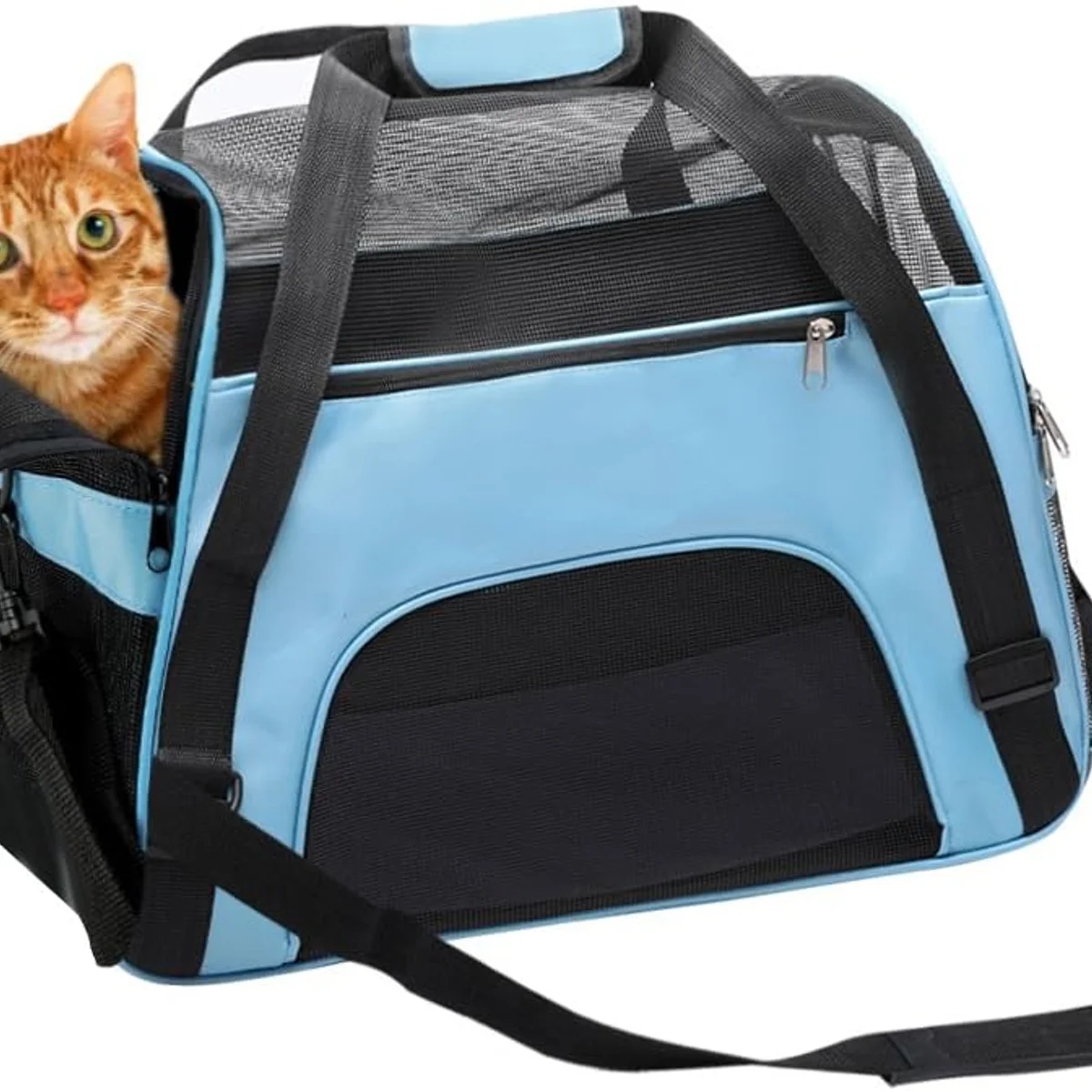
DONYER POWER Airline Approved Under-Seat Cat Carrier, Blue
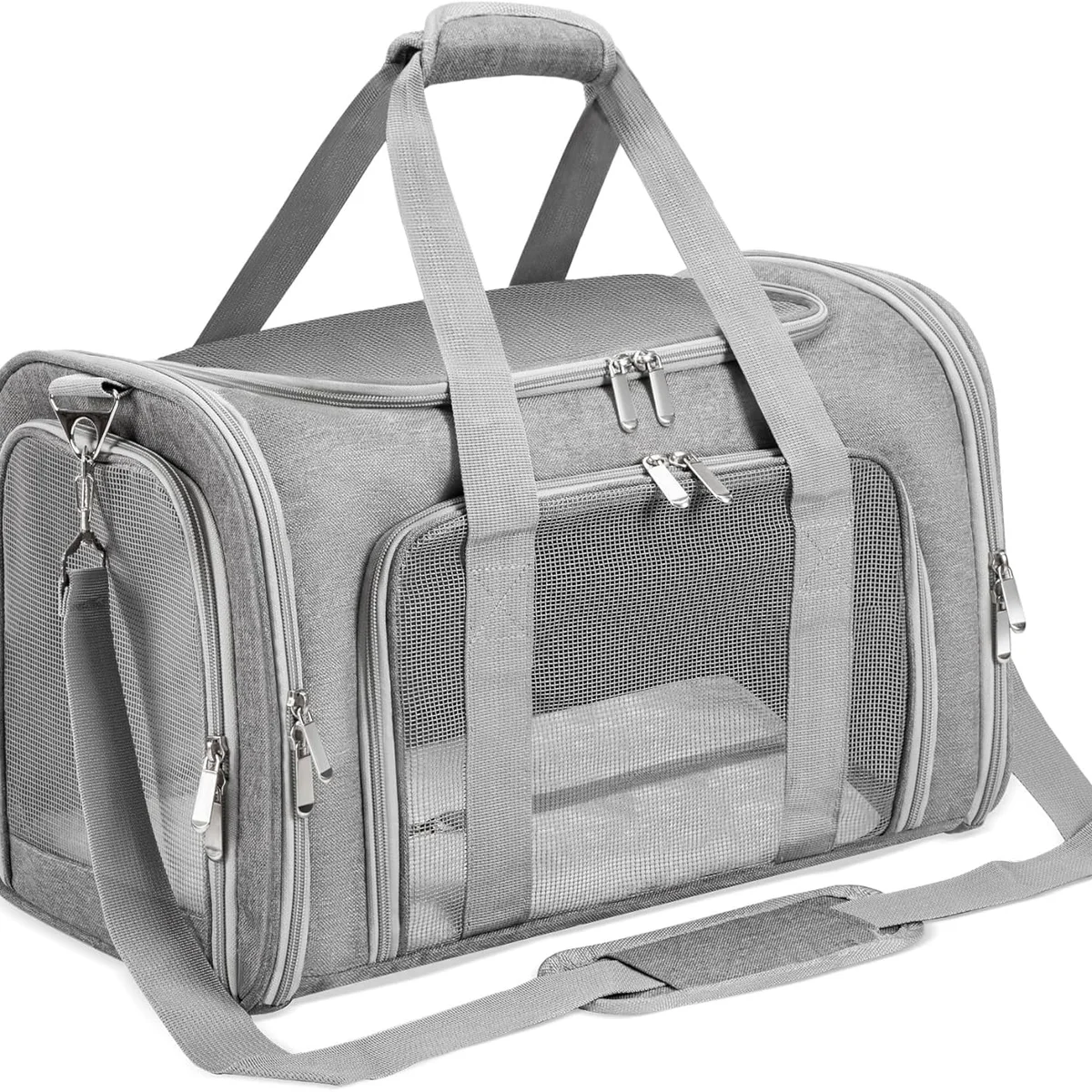
DPWEION Foldable Soft-Sided Pet Carrier for Cats and Small Dogs, Grey
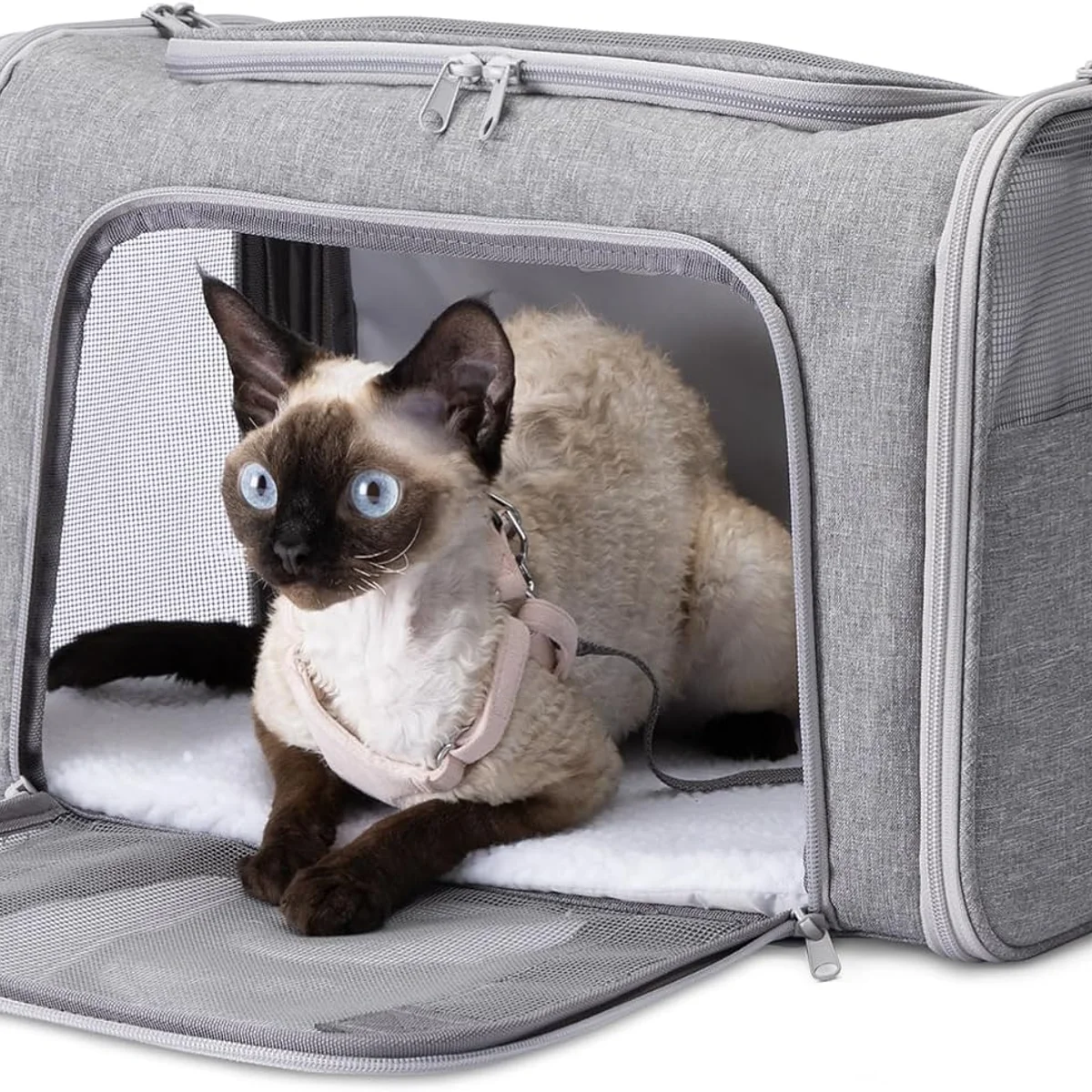 Save £30.00
Amazon Basics Soft Cat and Dog Carrier, Airline Approved, Grey
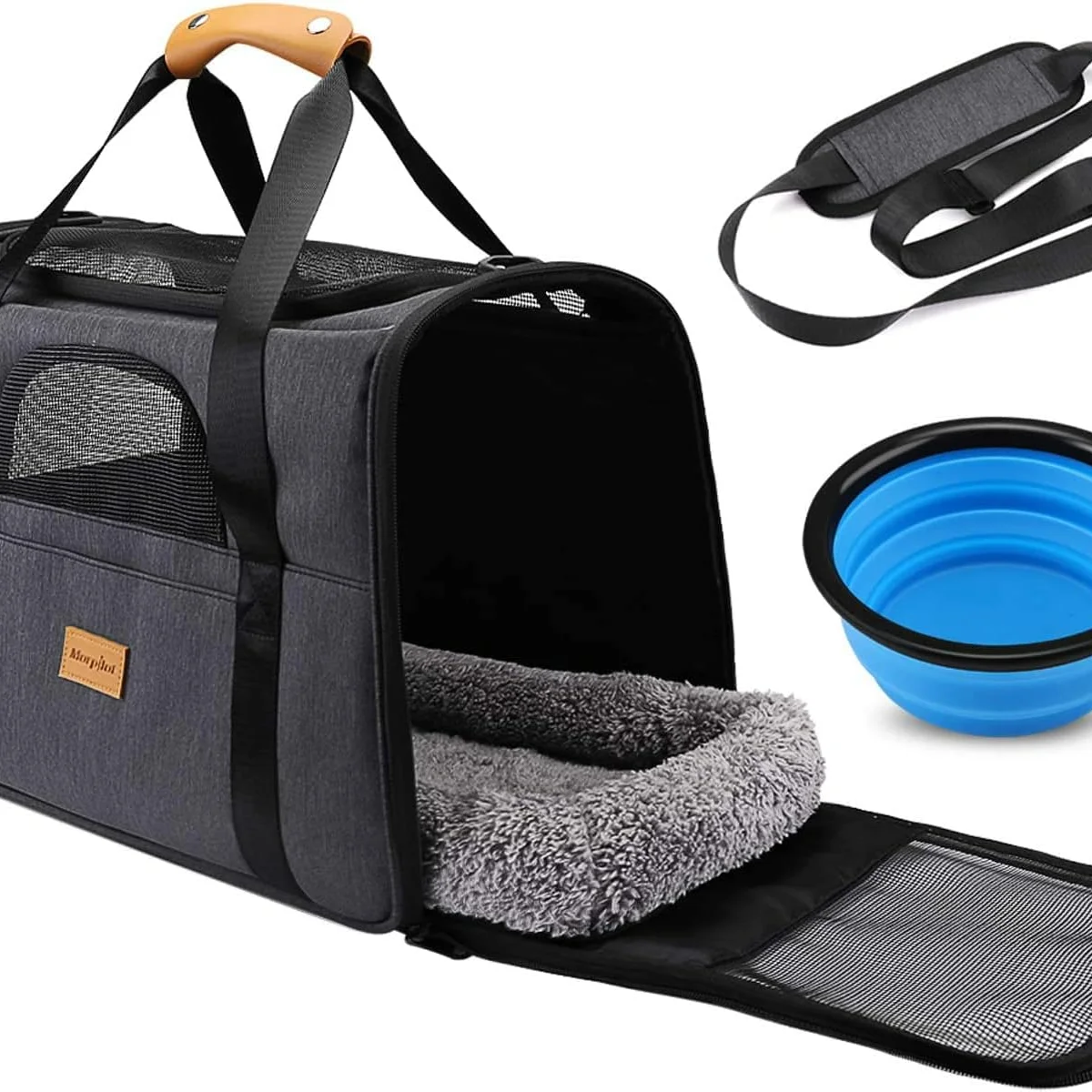
Morpilot Soft Pet Carrier Bag, Airline Approved, Grey
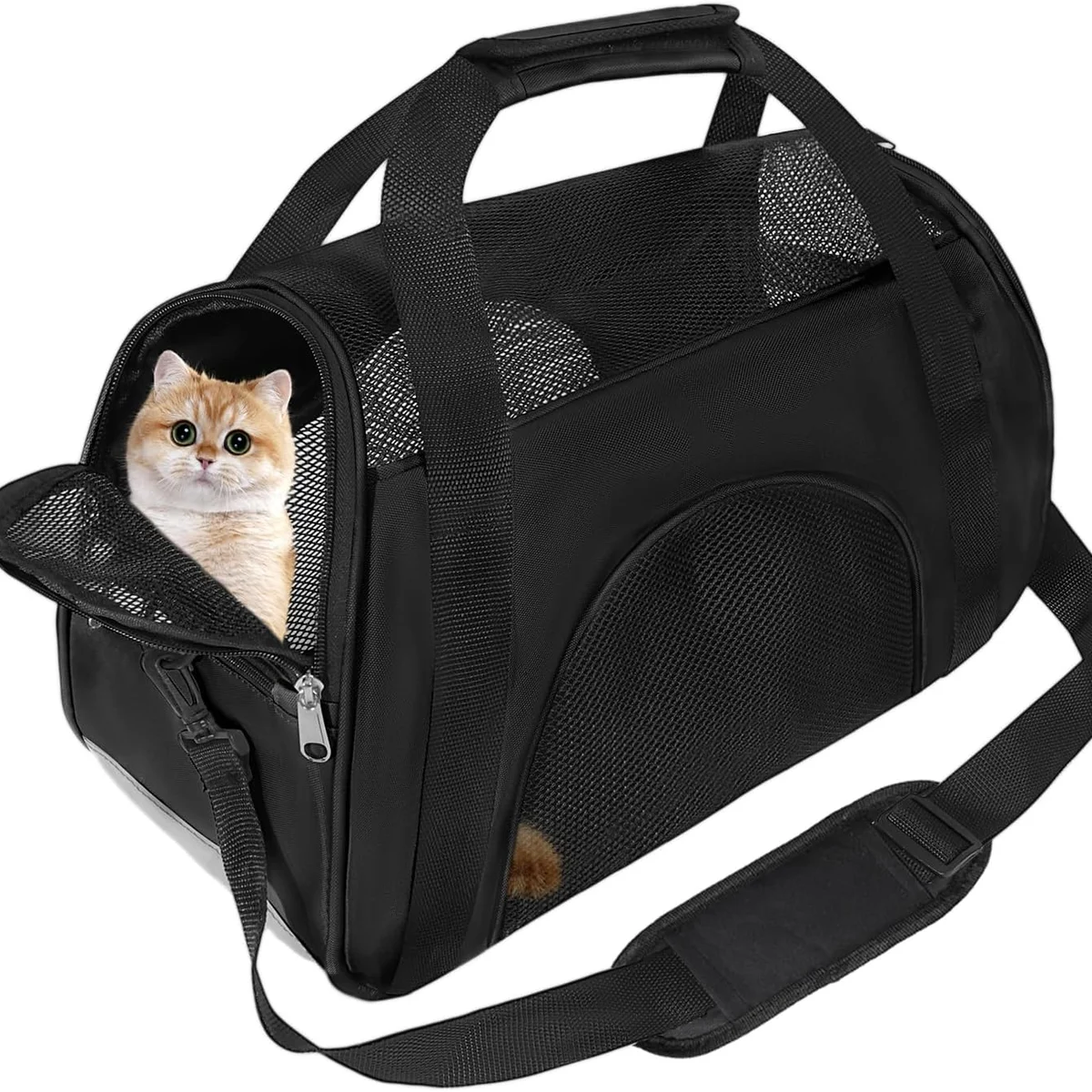
Soft Sided Foldable Pet Carrier with Removable Mat, Black
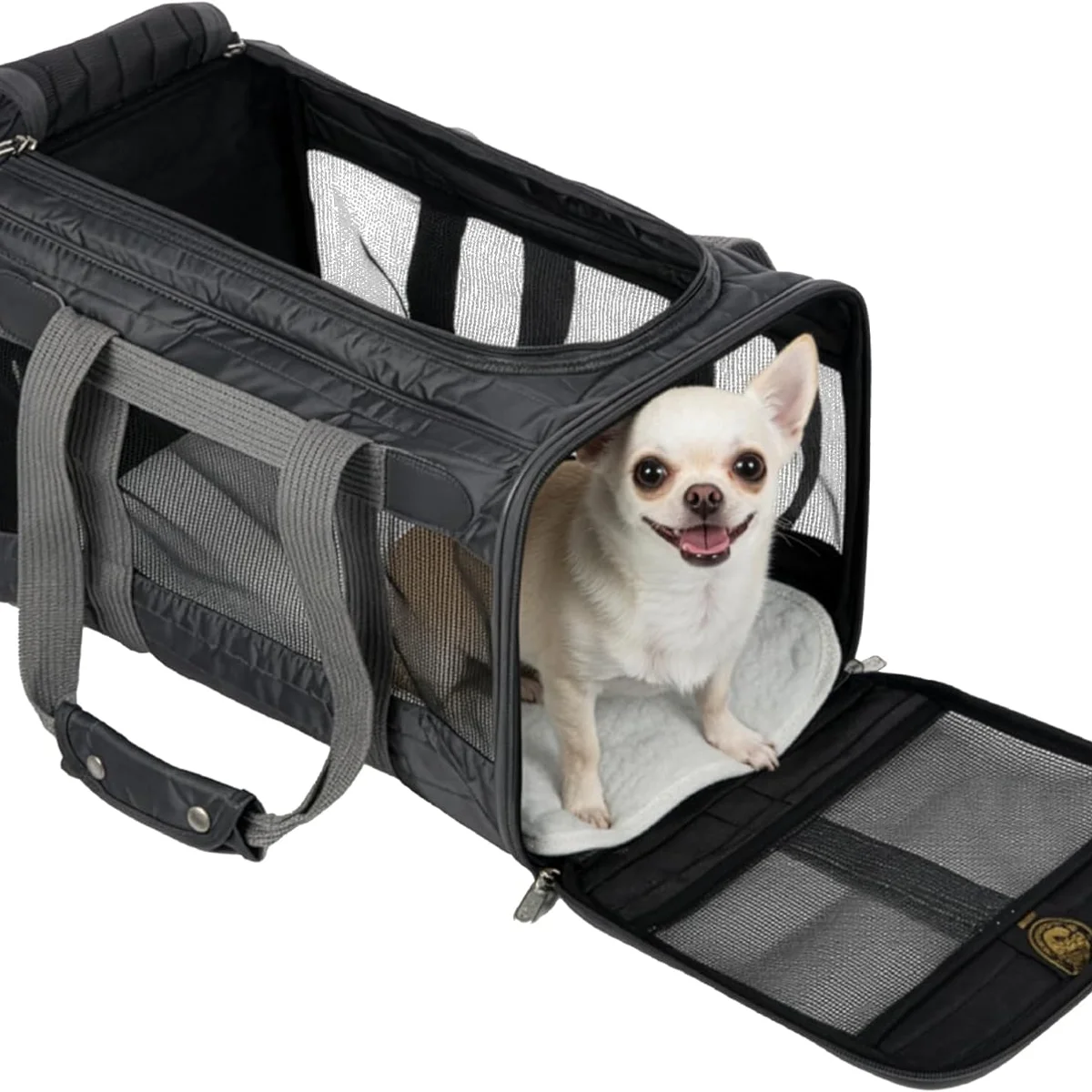
Sherpa Original Deluxe Travel Pet Carrier
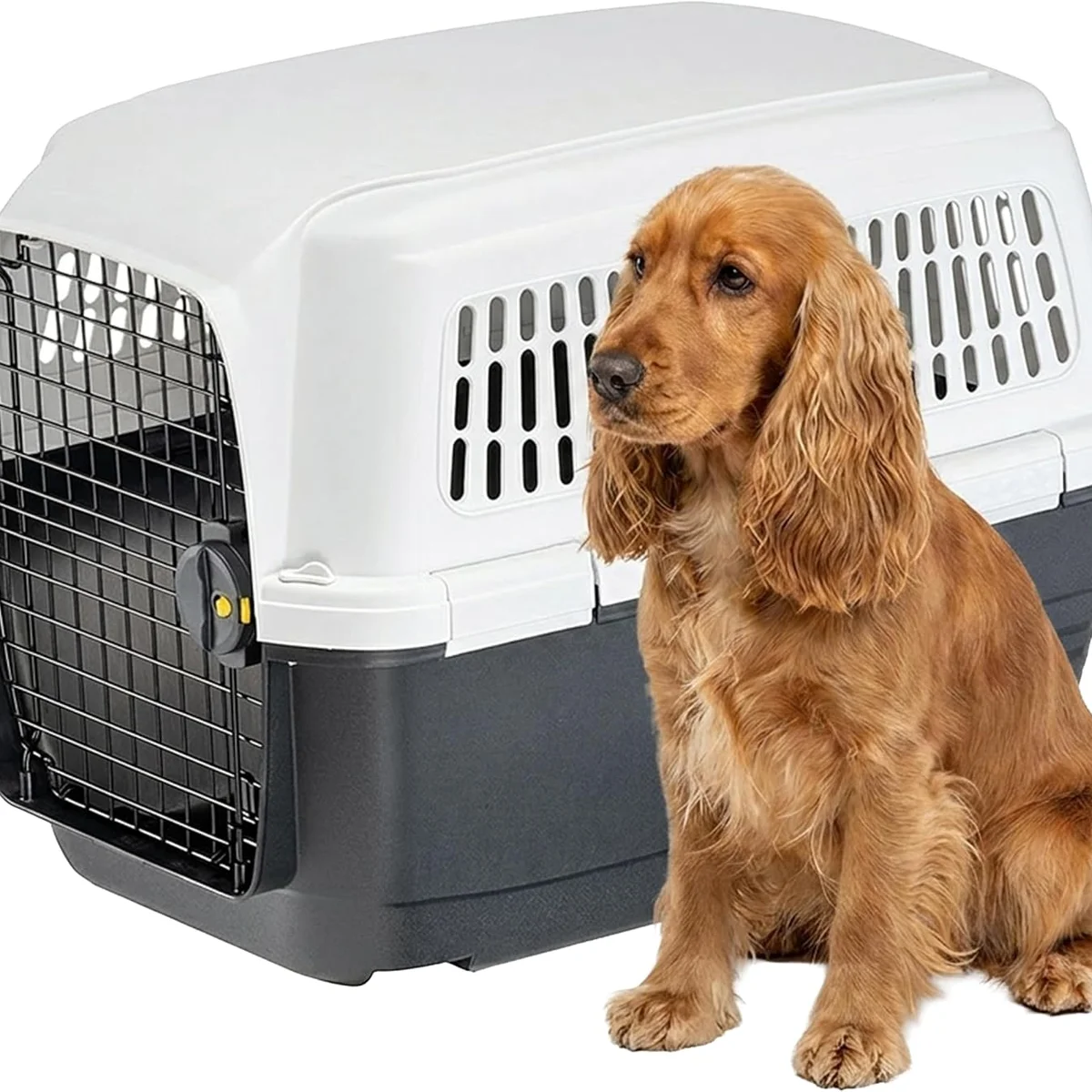
Ferplast Medium Dog Carrier Airline Approved IATA
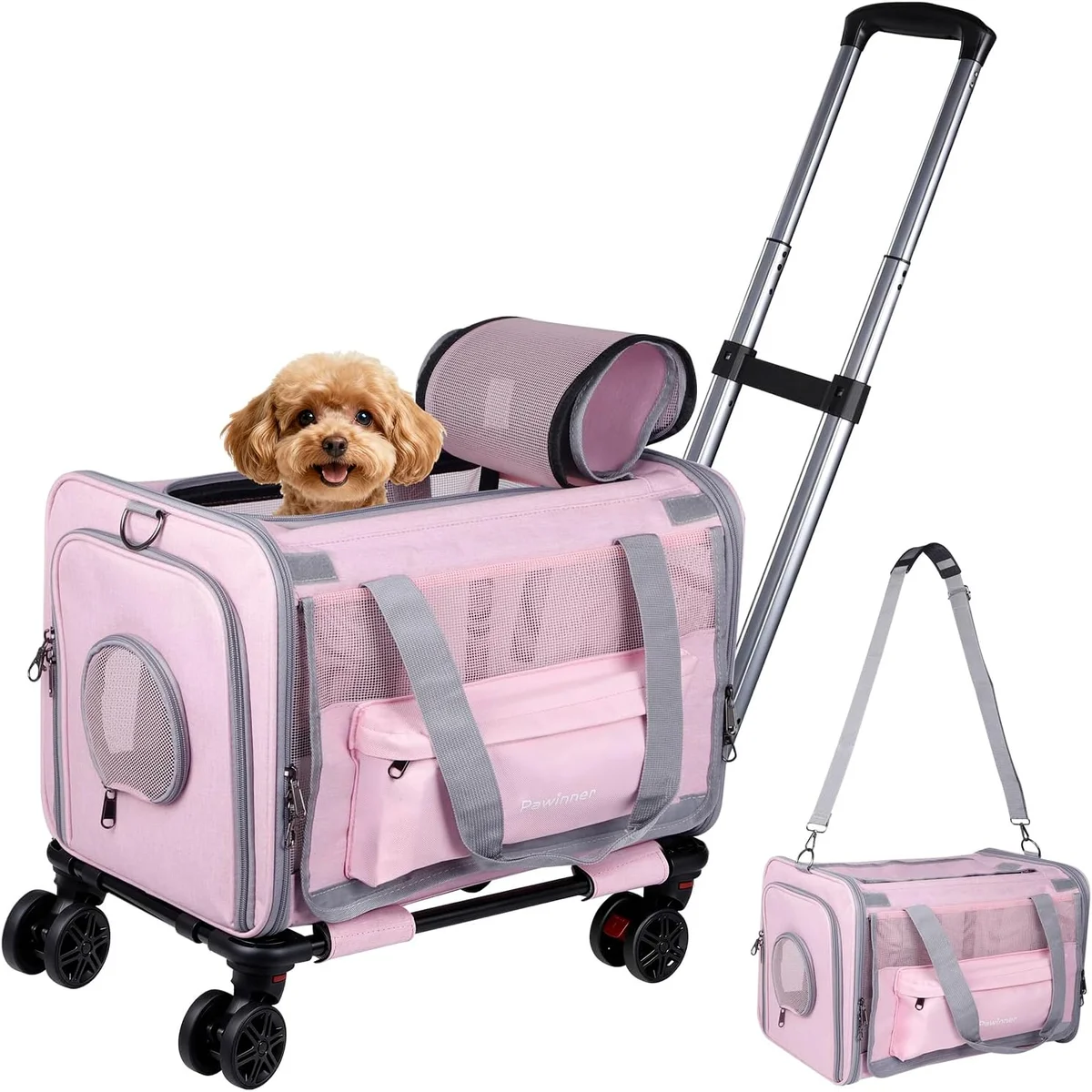
Pawinner Wheeled Cat Carrier with Locking Wheels, Airline Approved, Up to 9kg
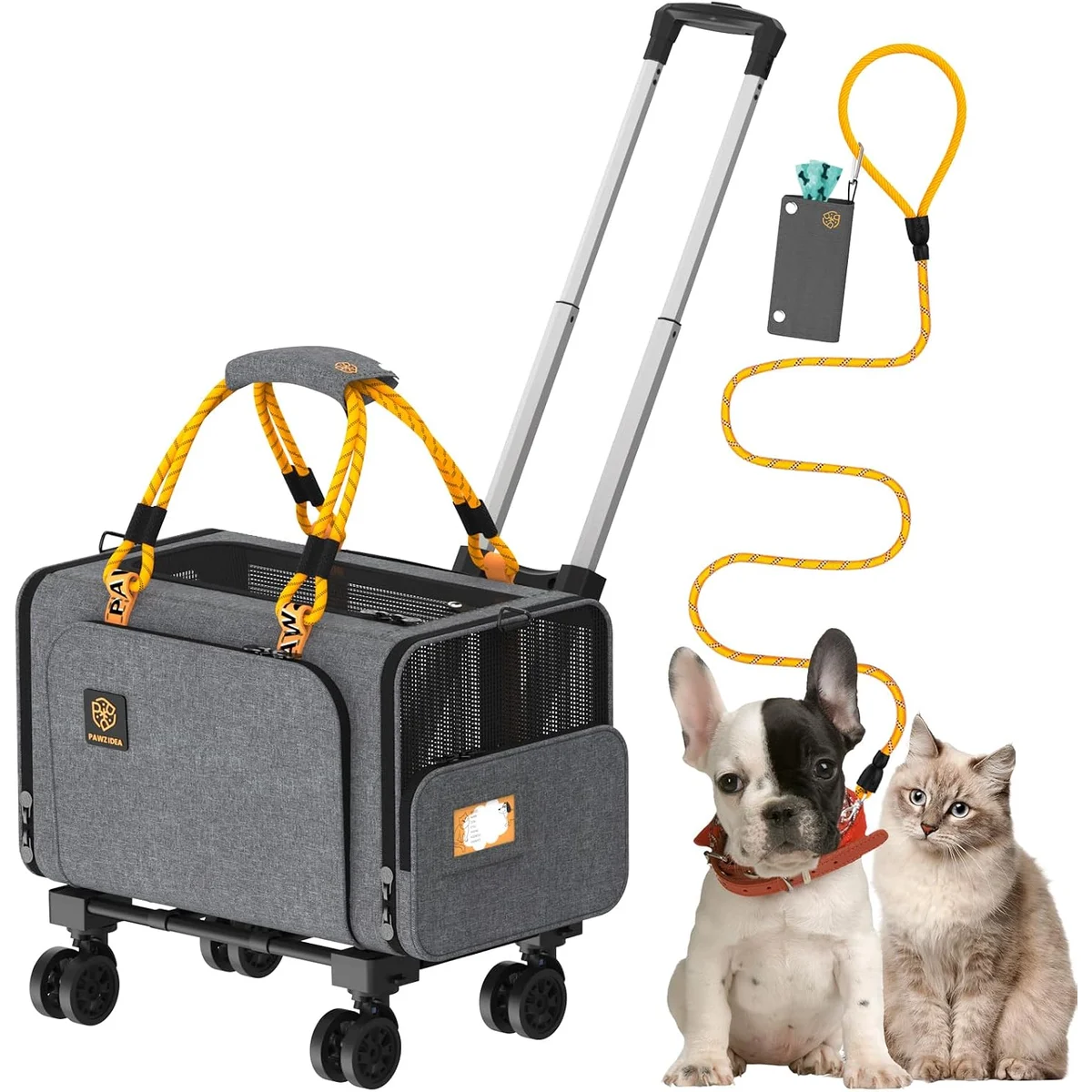
PAWZIDEA Expandable Rolling Cat Carrier with Wheels, TSA Airline Approved
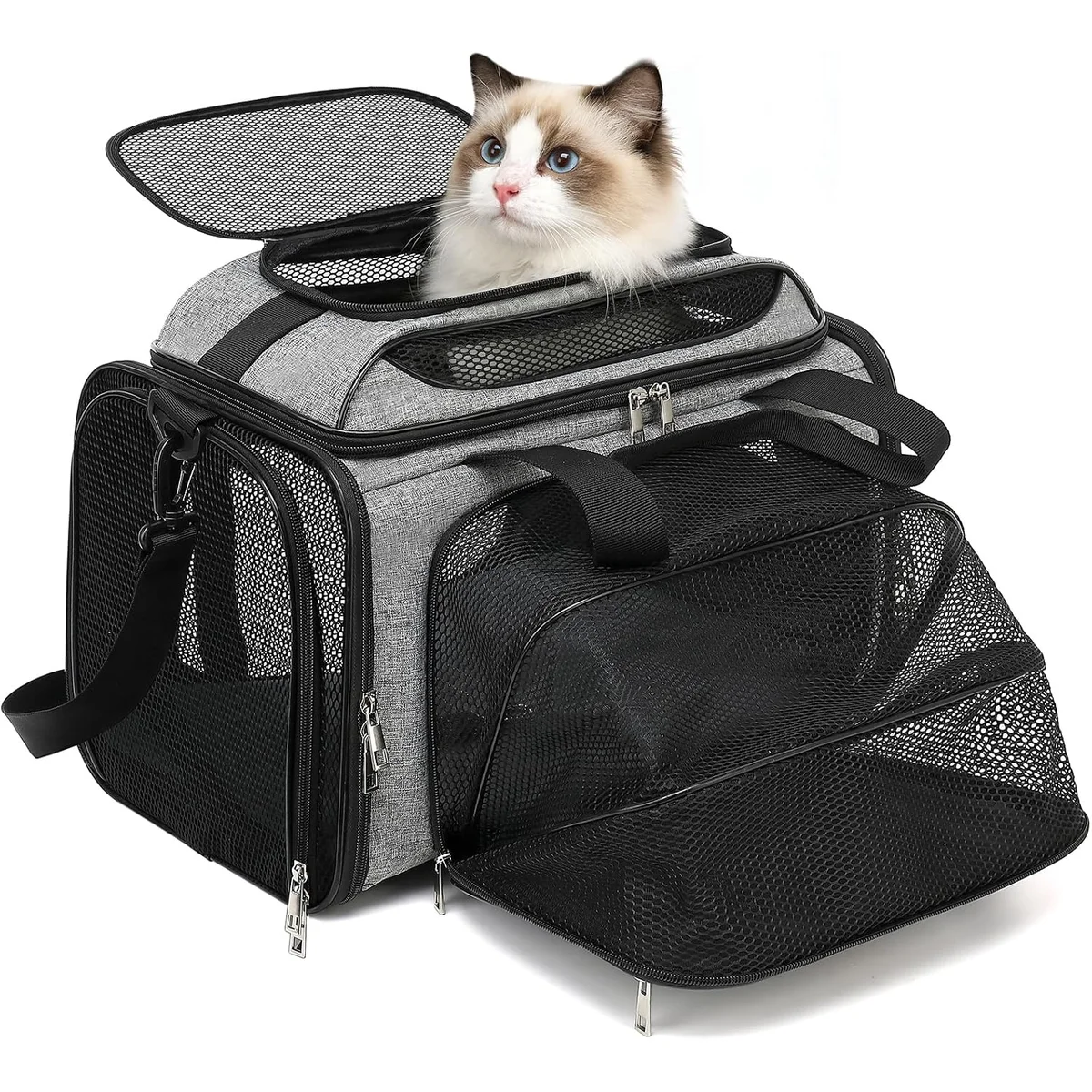
PLJVOYK Collapsible Expandable Soft-Sided Pet Carrier, TSA Airline Approved

Morpilot Wheeled Pet Carrier, Airline Approved, Top Opening, Dark Grey
More About Airline Approved Pet Carriers
Who This Is Best For
This range suits anyone with a confirmed cabin booking for a cat, small dog or other pet travelling in-cabin rather than in the hold. It's particularly useful if you fly with the same airline regularly and already know their exact size limits, since you can match the carrier to that spec rather than guessing. First-time cabin travellers tend to do better with solid, structured sides rather than something that flexes underfoot during turbulence. If you're after a size built around a smaller breed, our airline approved dog carrier range and airline approved cat carrier range are sized and shaped for those pets individually.
What to Look For
- Confirmed dimensions against your airline, not just "cabin size" claims. Every airline sets its own limits, and a carrier marketed generically as cabin-friendly can still be a few centimetres over what a specific airline allows.
- A low, flat profile that slides under the seat without forcing. Extra height at the top of a carrier is often the first thing that causes a problem at check-in.
- Mesh ventilation on at least two sides. Cabin air can get warm on a full flight, so your pet needs proper airflow, not a single small vent.
- A secure, lockable zip. Airport handling is busy, and a closure that can't be fixed shut is a real risk during boarding.
Every carrier below lists its exact external dimensions so you can check it against your airline's published allowance before you buy, rather than after. Have a browse through the range, and if you're flying with a nervous flyer, the sizing and buying guide further down this page goes into a bit more detail on what tends to work best in the cabin.
Why Choose a Airline Approved Pet Carrier
A carrier genuinely built to airline cabin dimensions removes most of the guesswork at check-in, provided the specific dimensions are also checked against your own airline's current published rules rather than relying on the "airline approved" label alone. That combination, correct build plus your own verification, is what actually gets a pet through the gate without a problem.
Ventilation and a secure closure matter more here than on almost any other carrier type, since your pet may be inside for the full duration of a flight with limited opportunity to be let out. Mesh panelling on more than one side and a lockable zip are both worth checking for specifically.
Sizing and Buying Guide
Start with your airline's own published maximum external dimensions and combined pet-and-carrier weight limit, since these vary between airlines and are the figures that actually matter at check-in. Weigh your pet together with the empty carrier to check against that combined limit specifically, and pay particular attention to the carrier's height, since this usually determines whether it fits under the seat in front of you without being forced.
