
Cat Carriers
63 carriers in this range
Shop Cat Carriers by type
Shop Cat Carriers
Showing 63 of 63 products


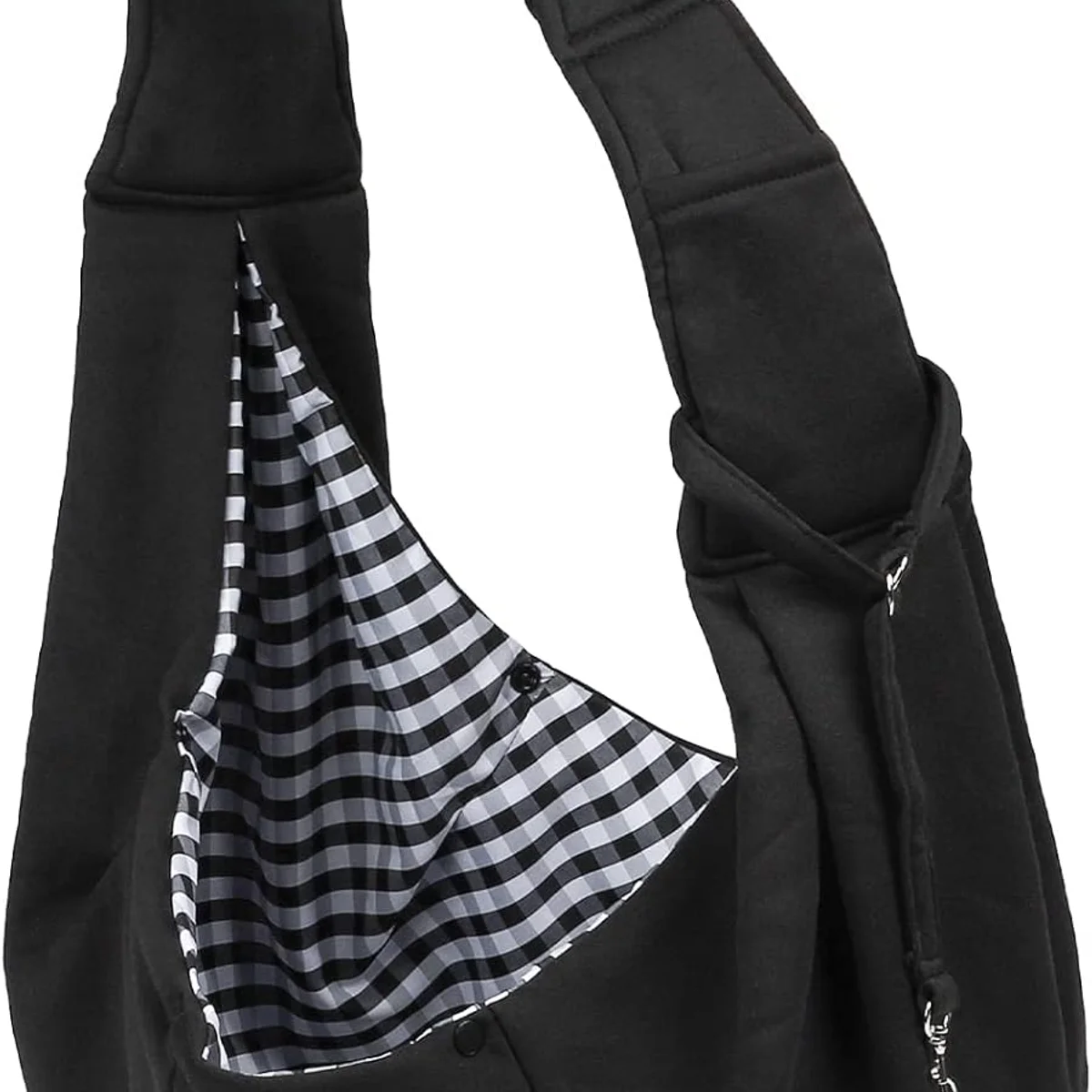

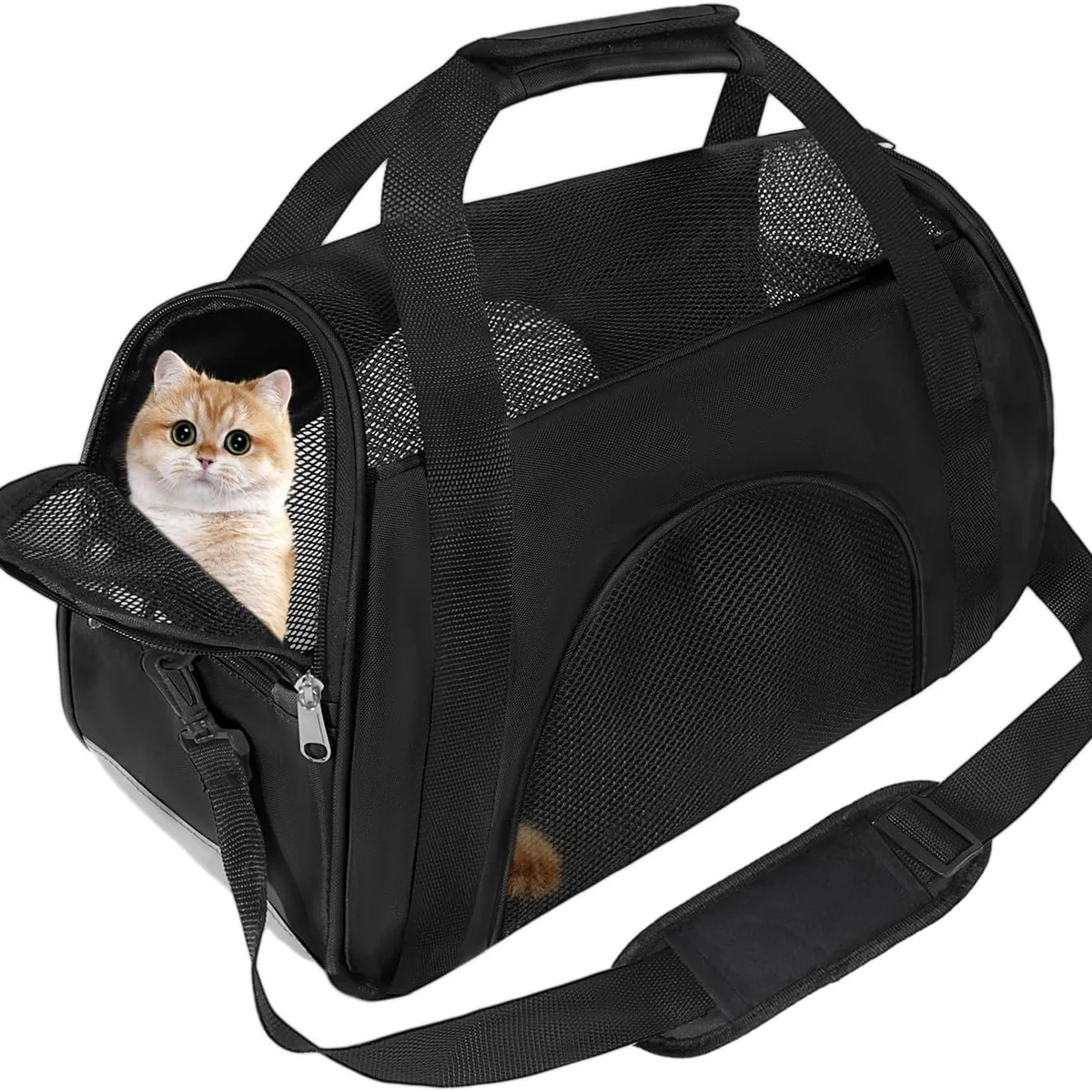

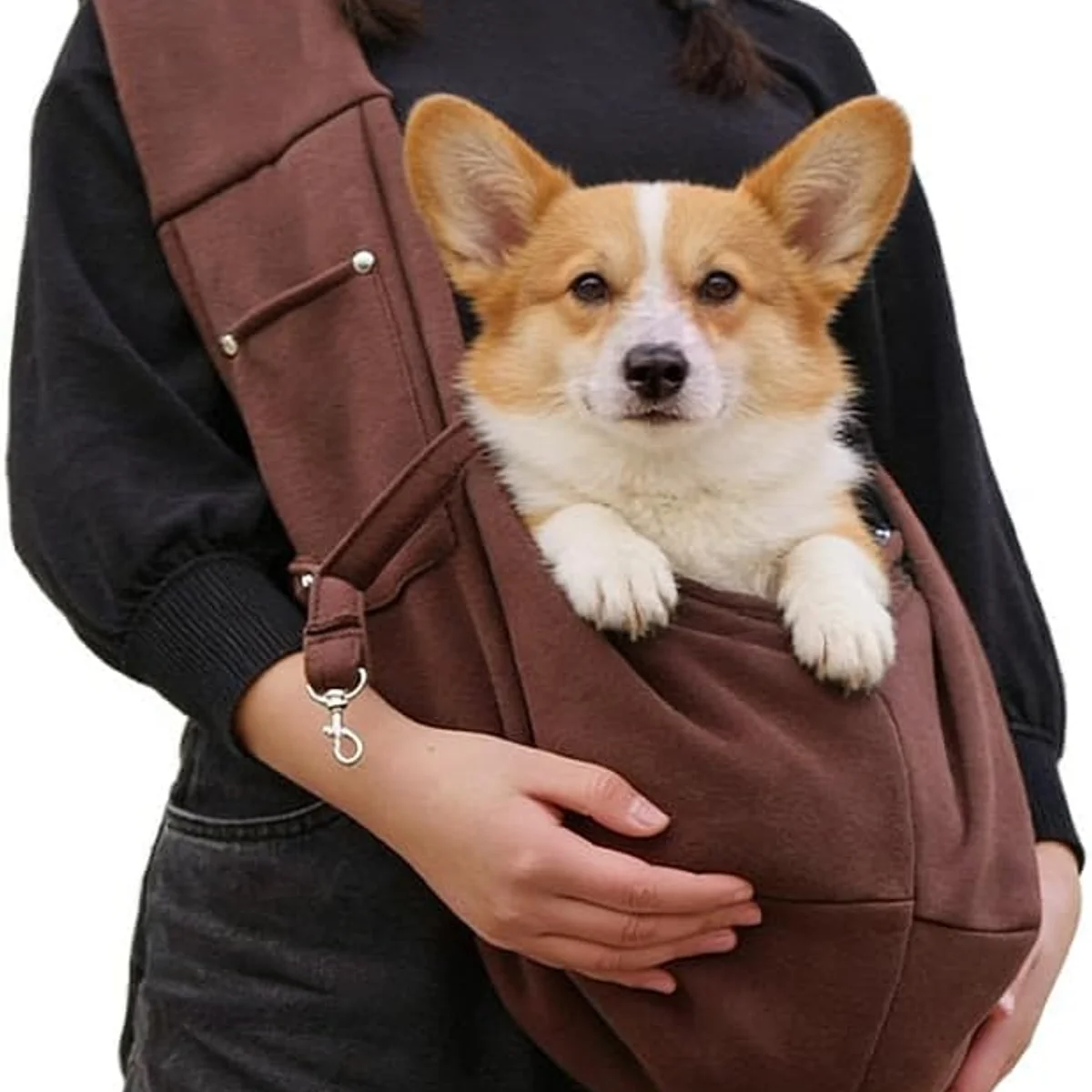
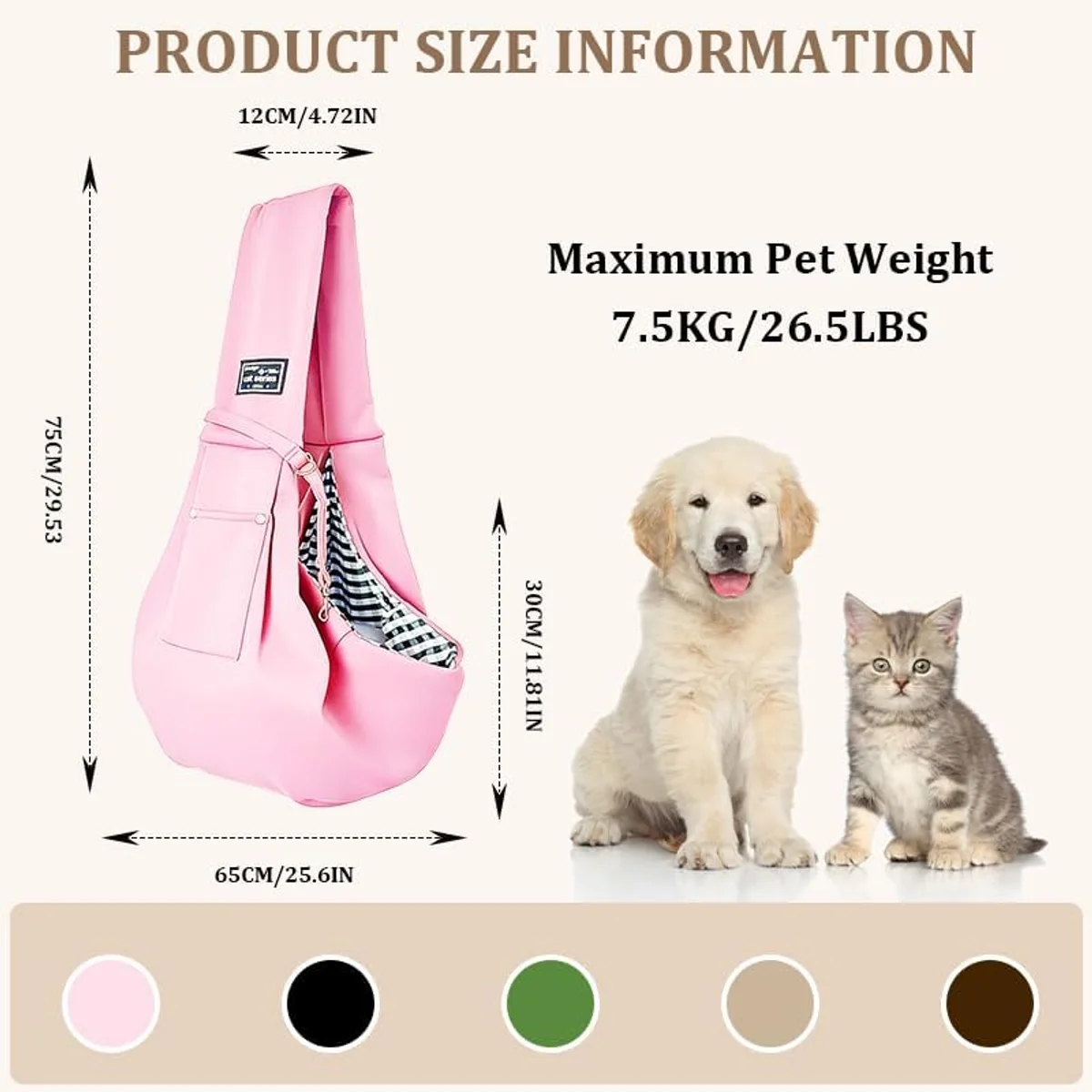
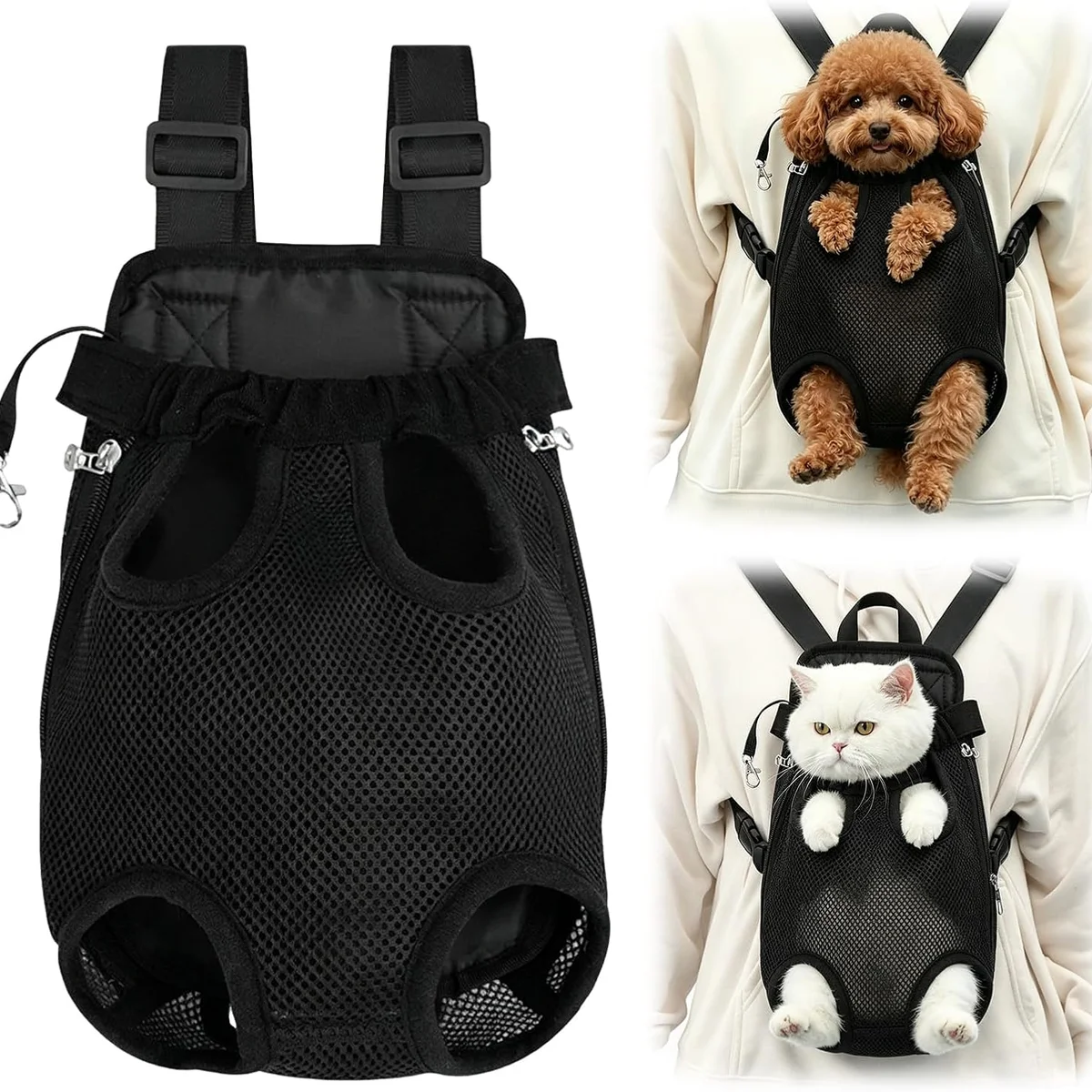
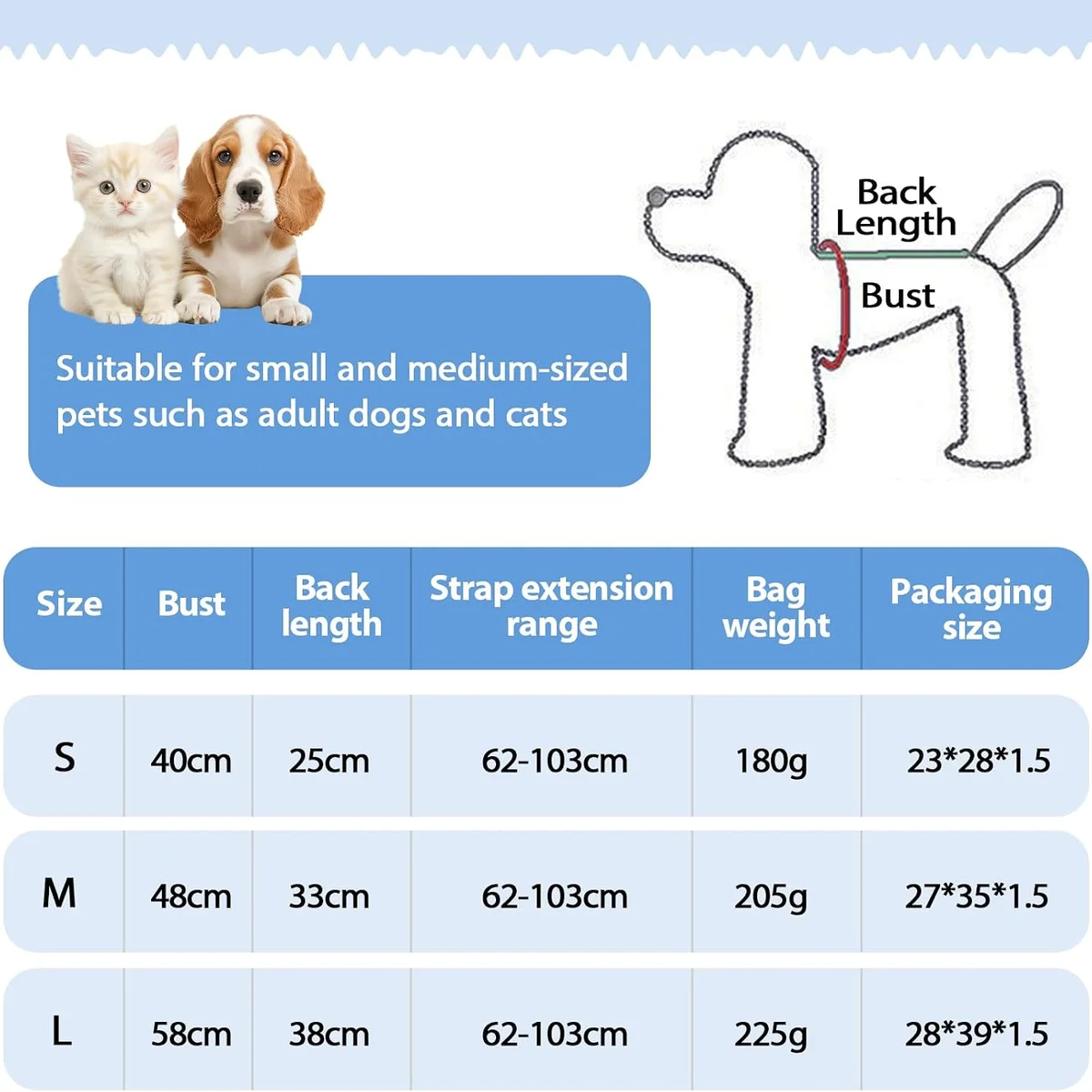
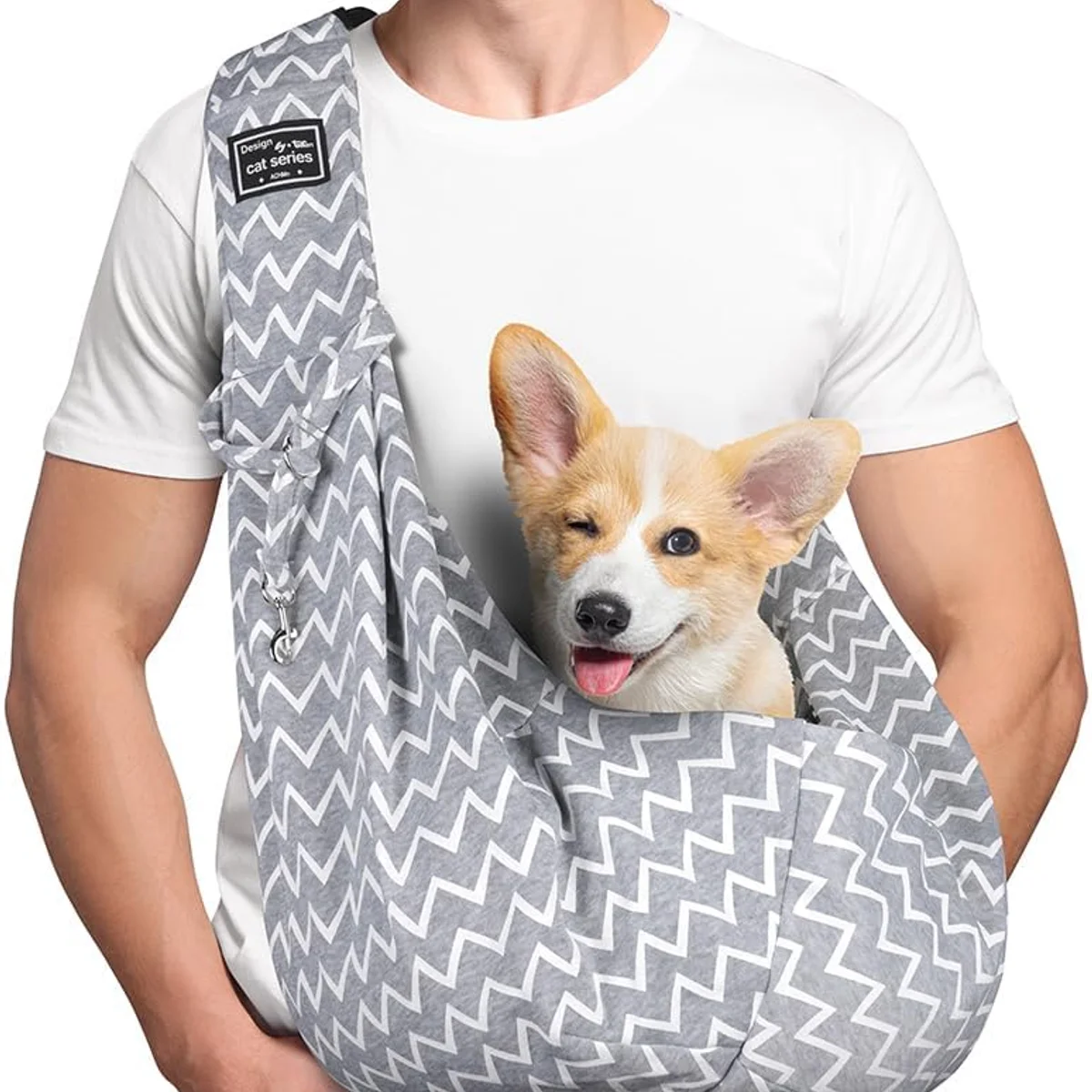
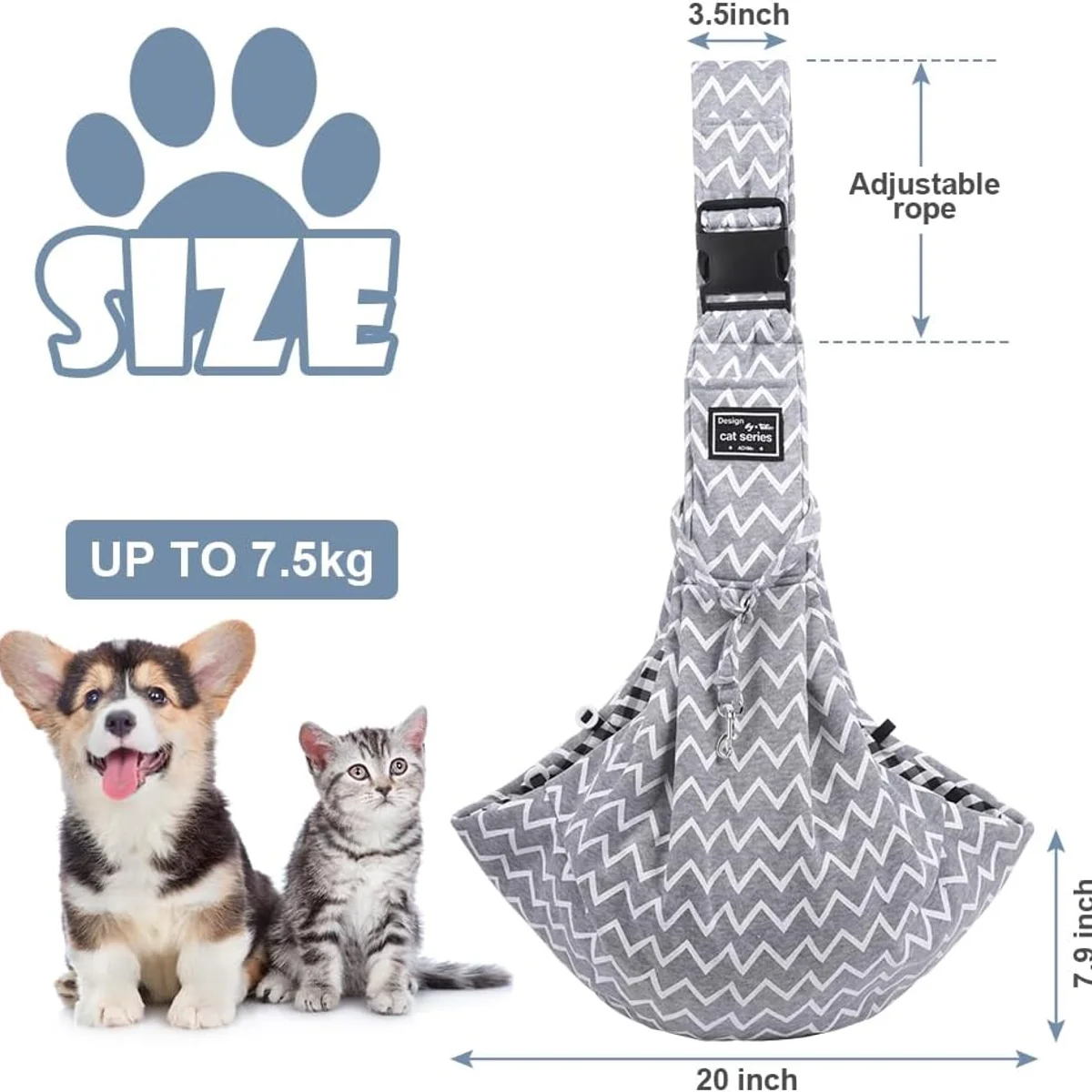
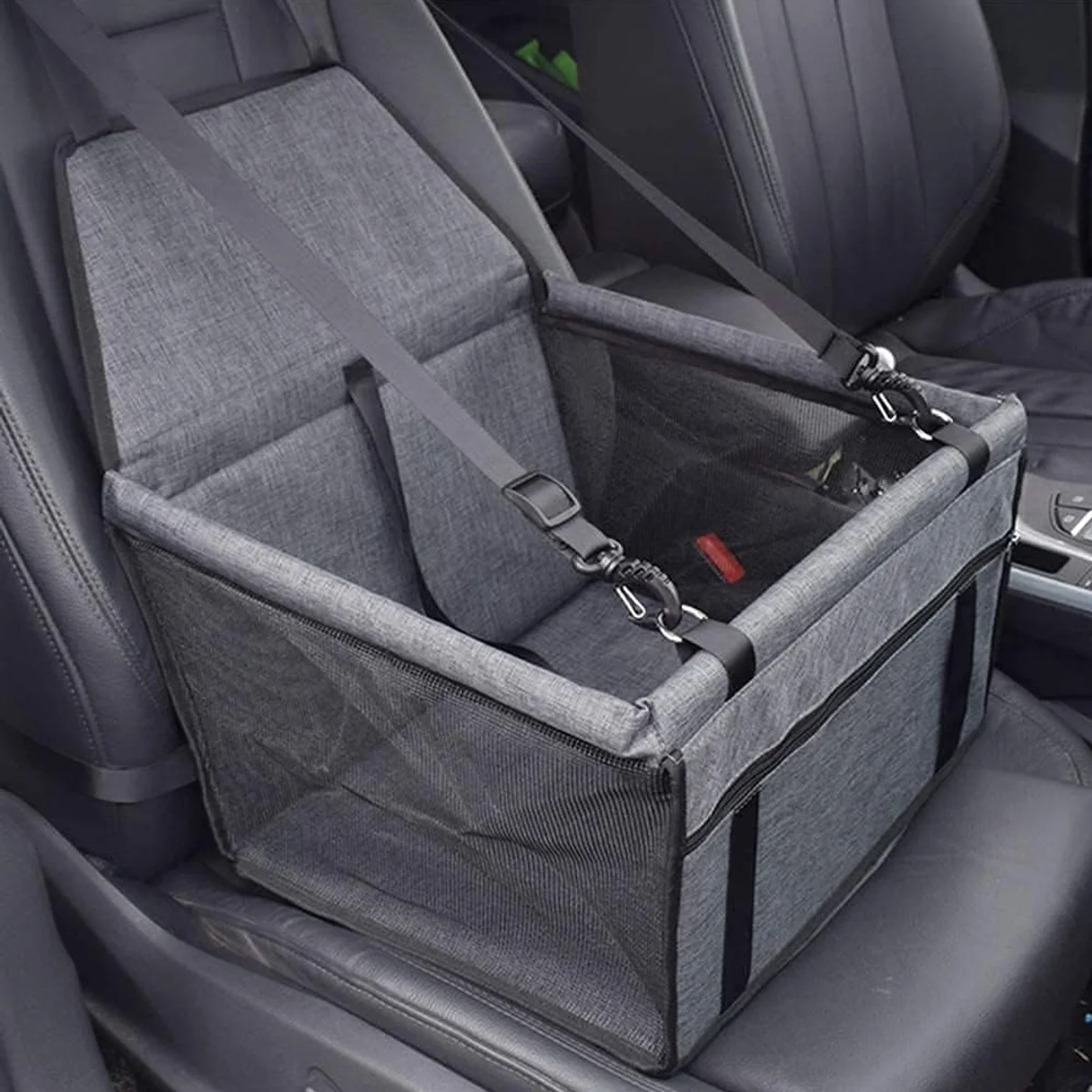
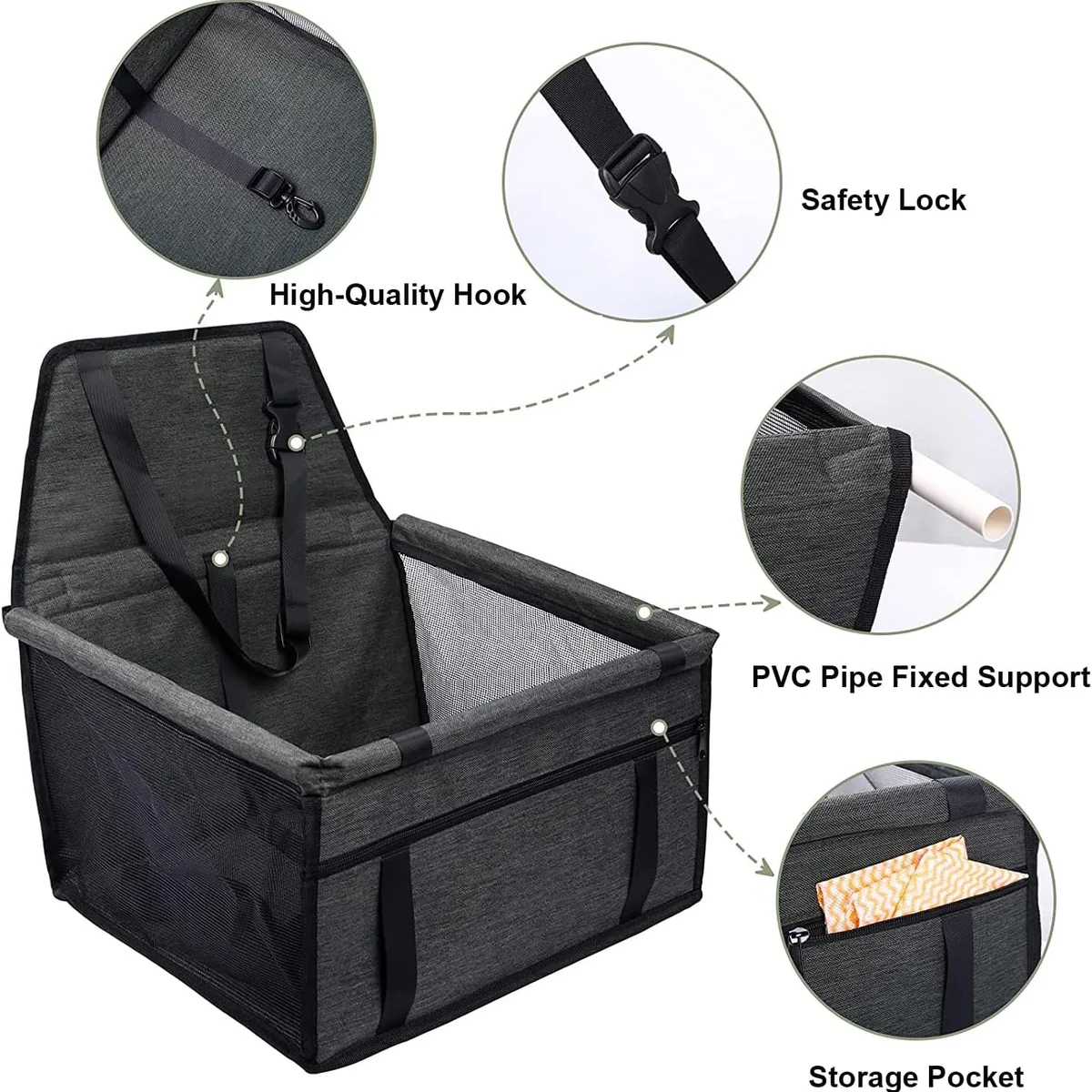
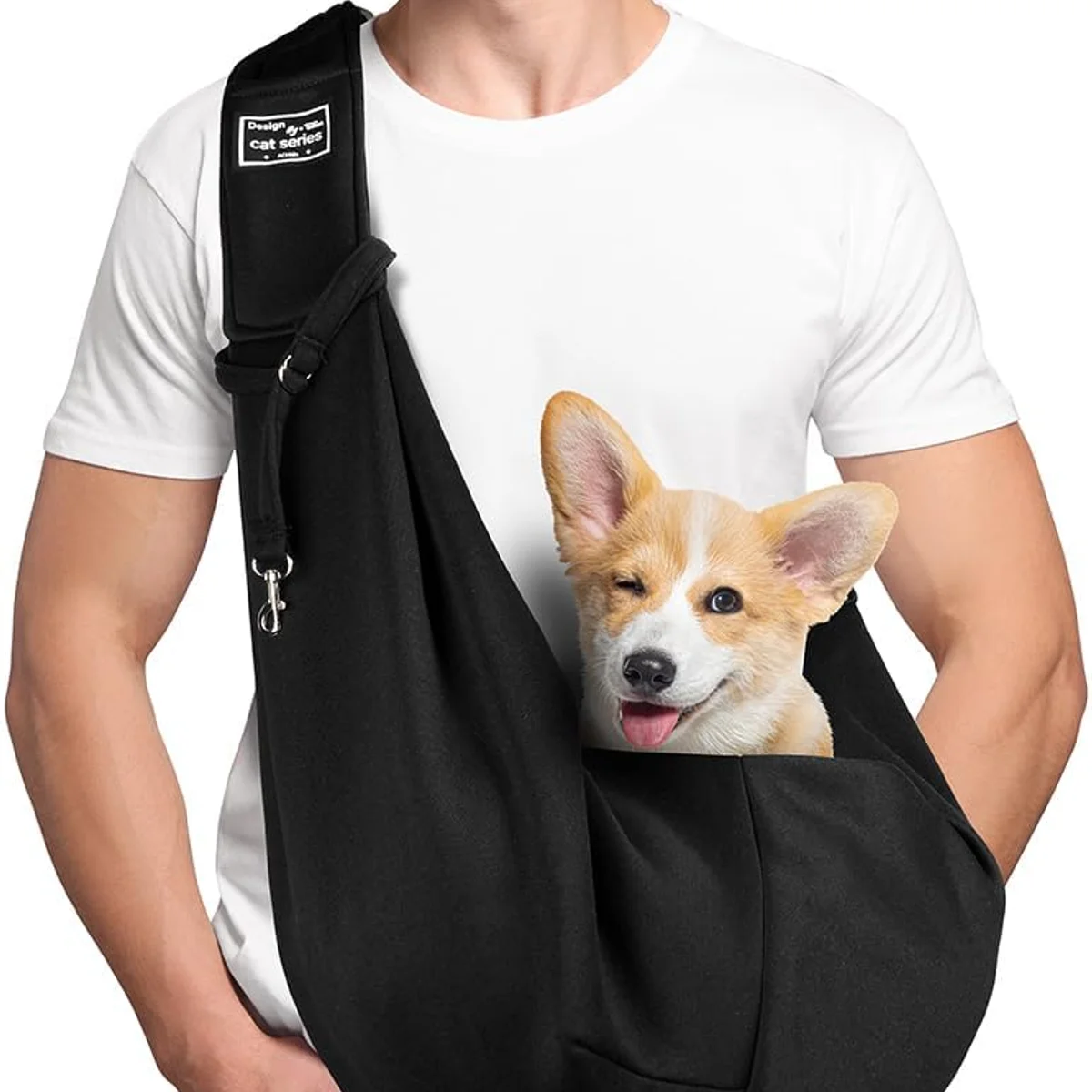

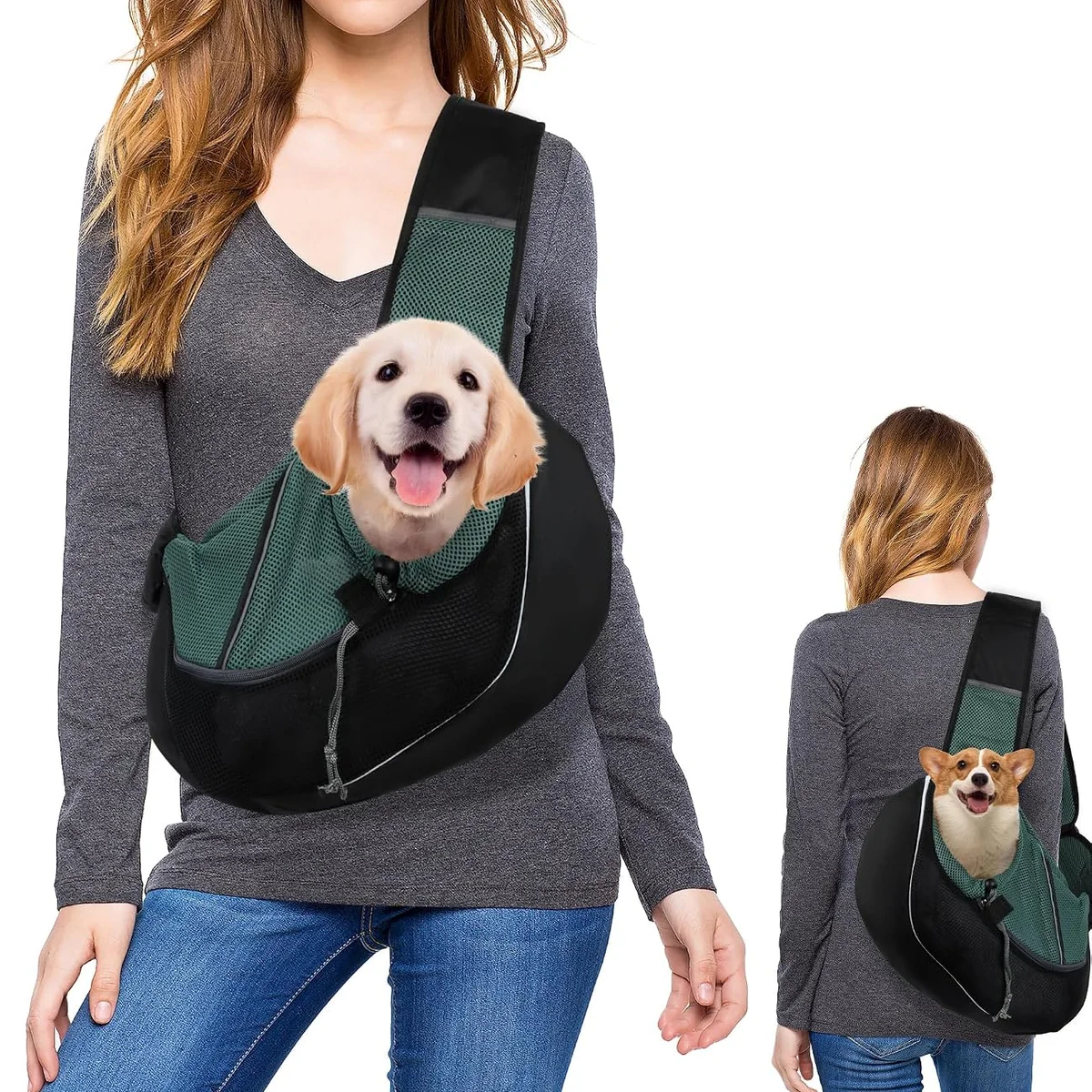
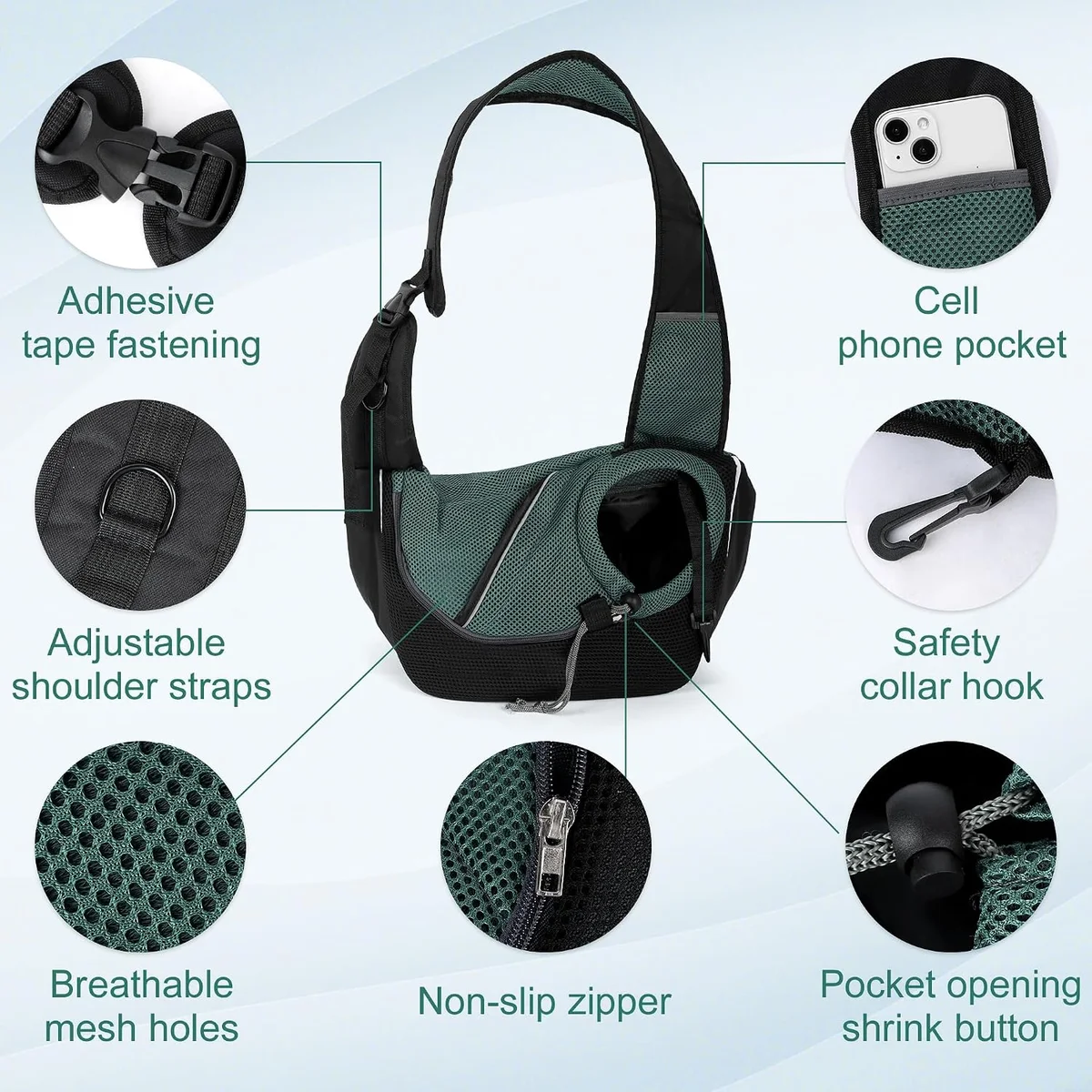
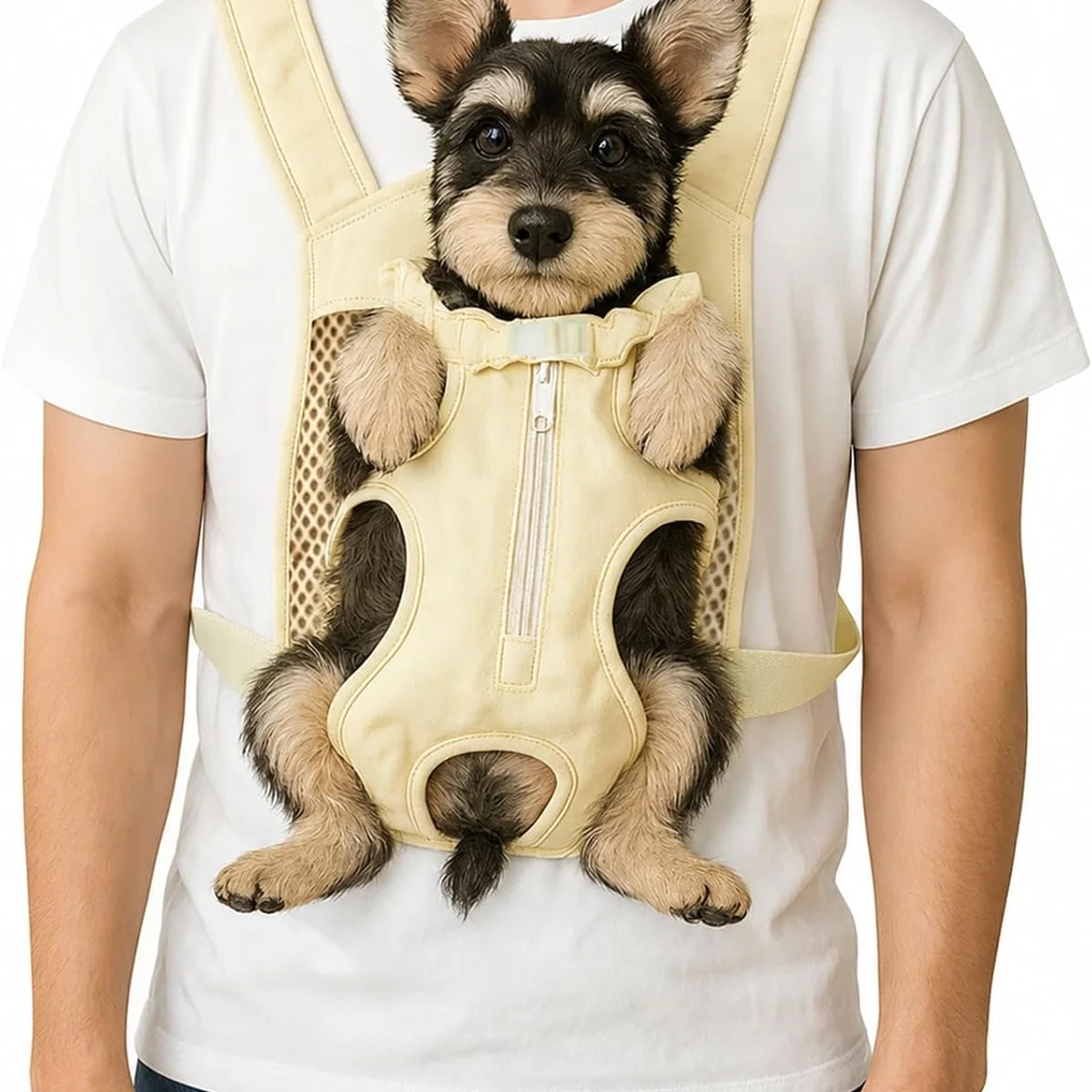
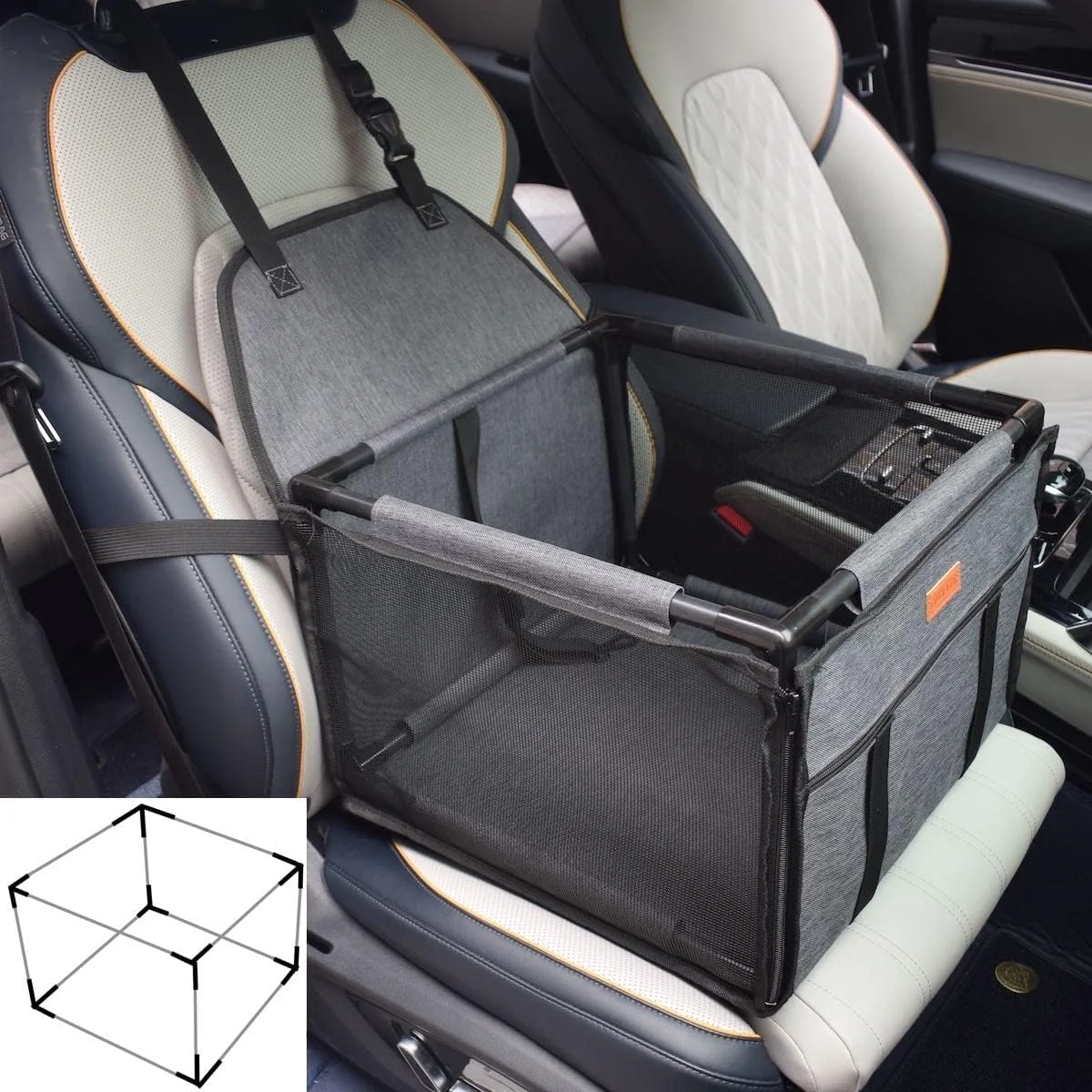
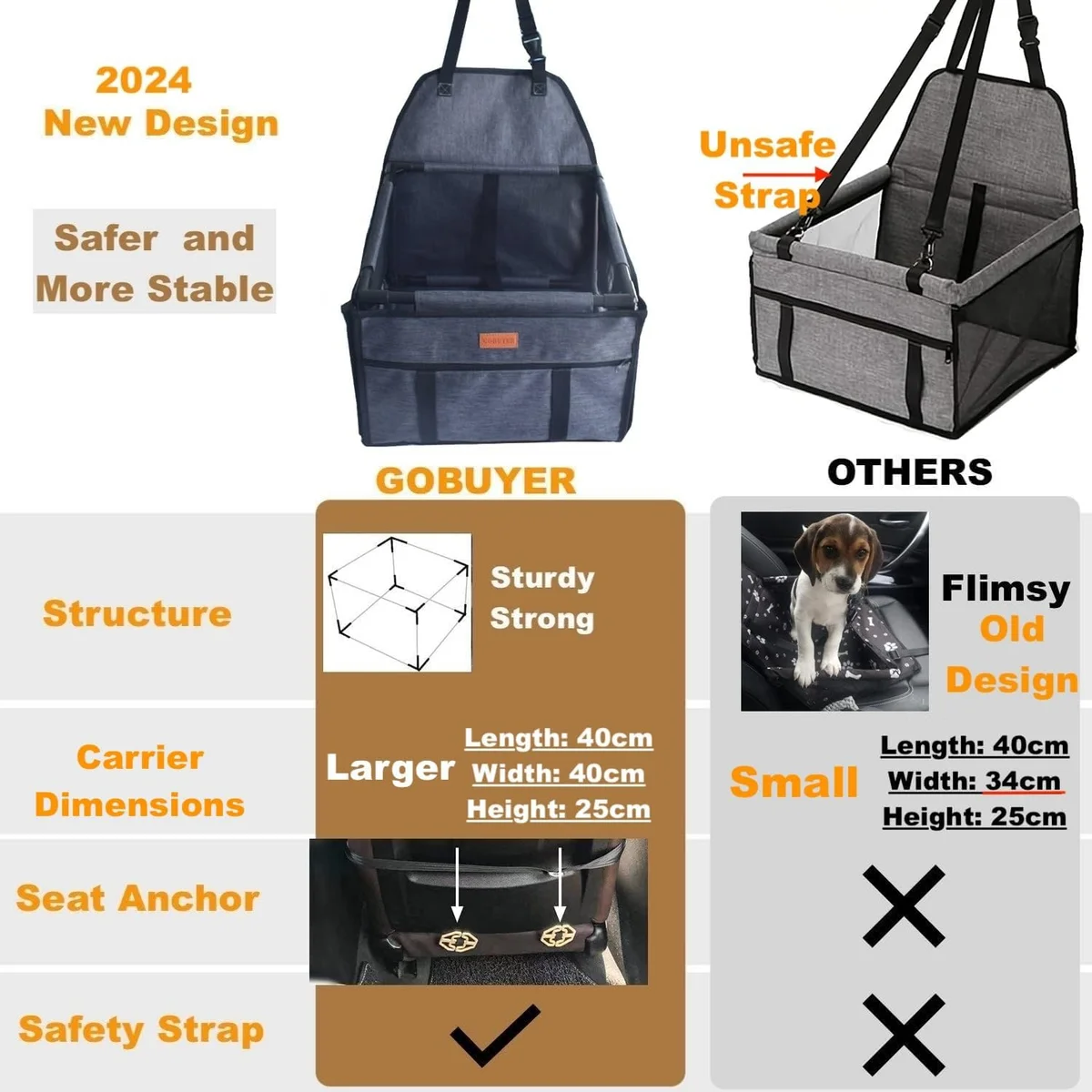
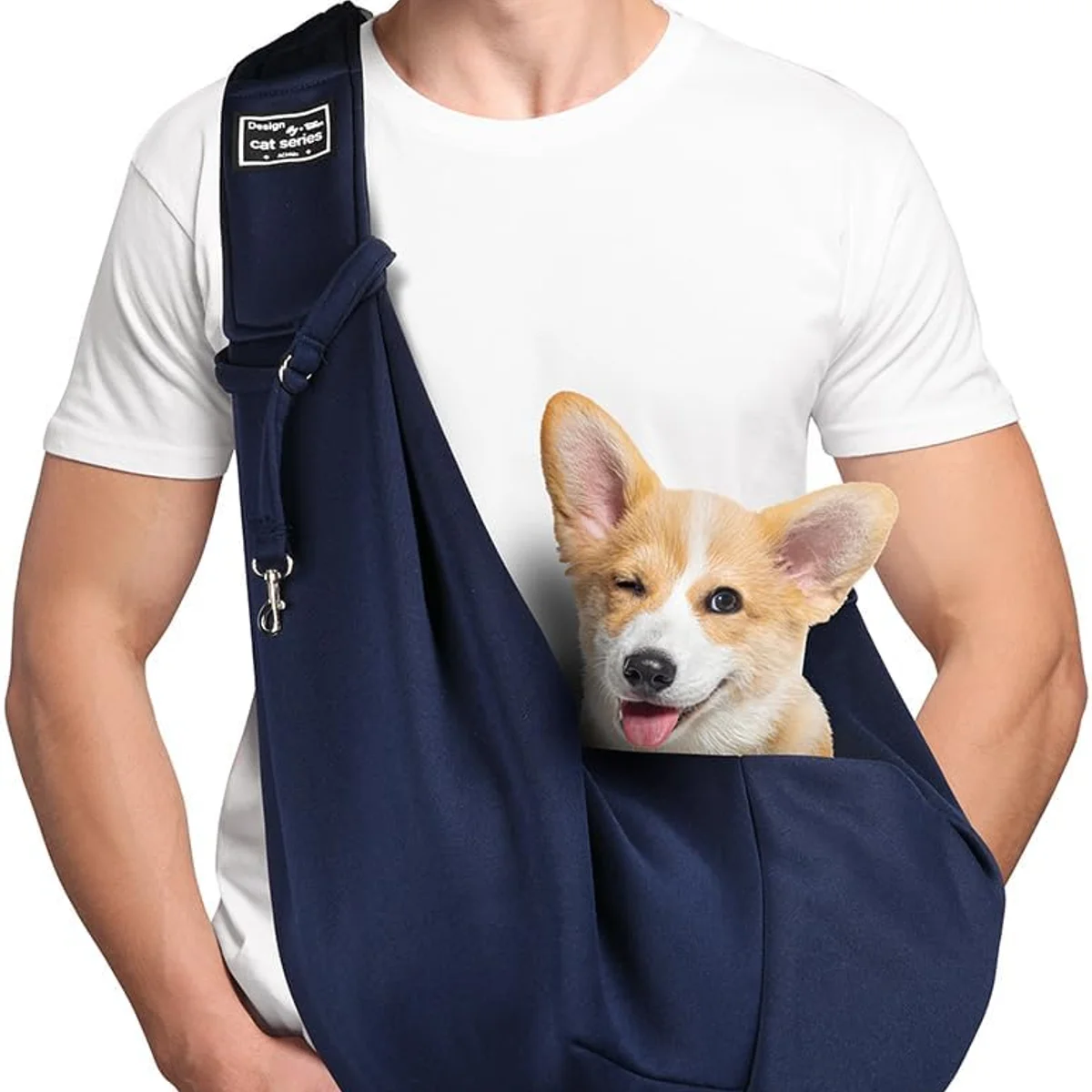
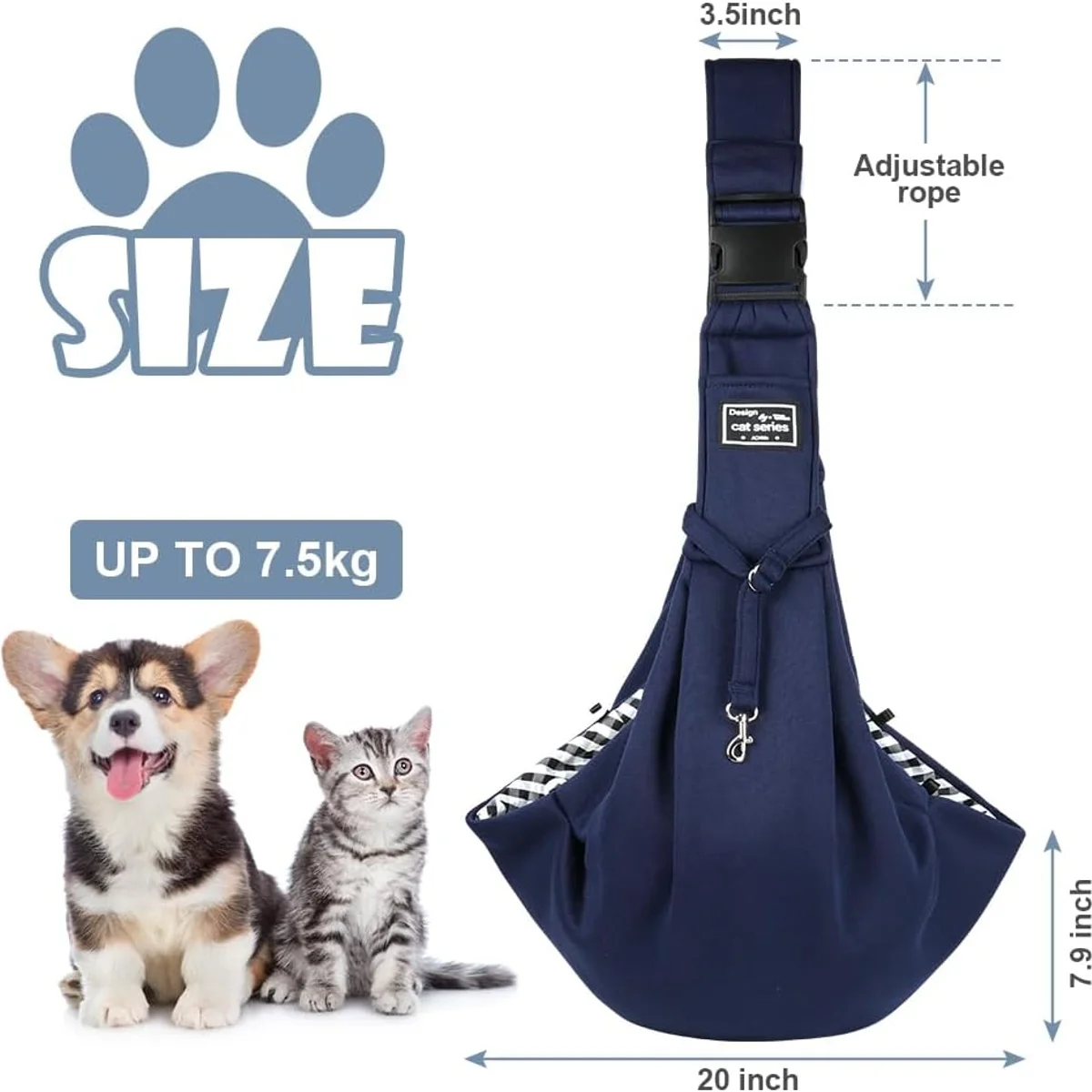
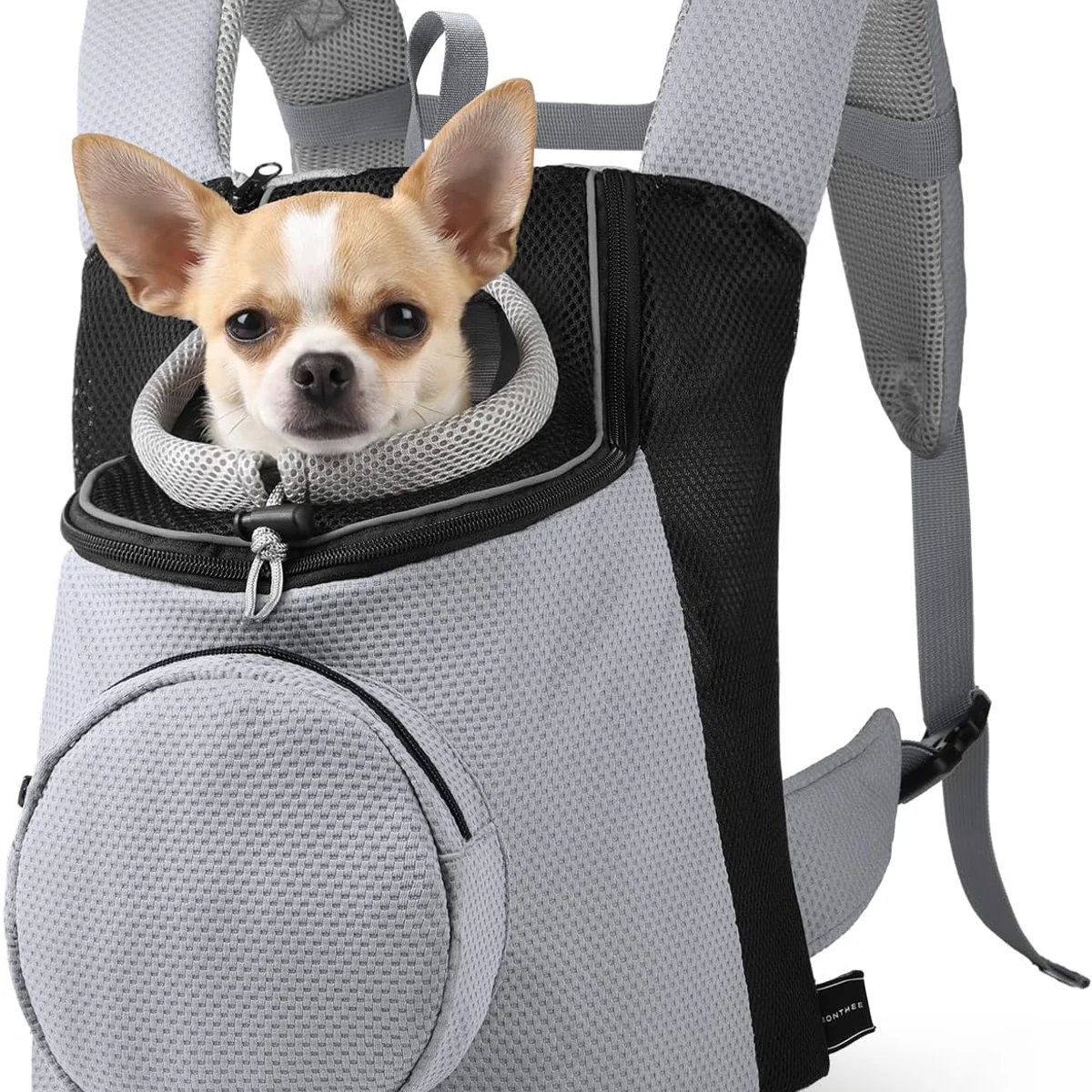
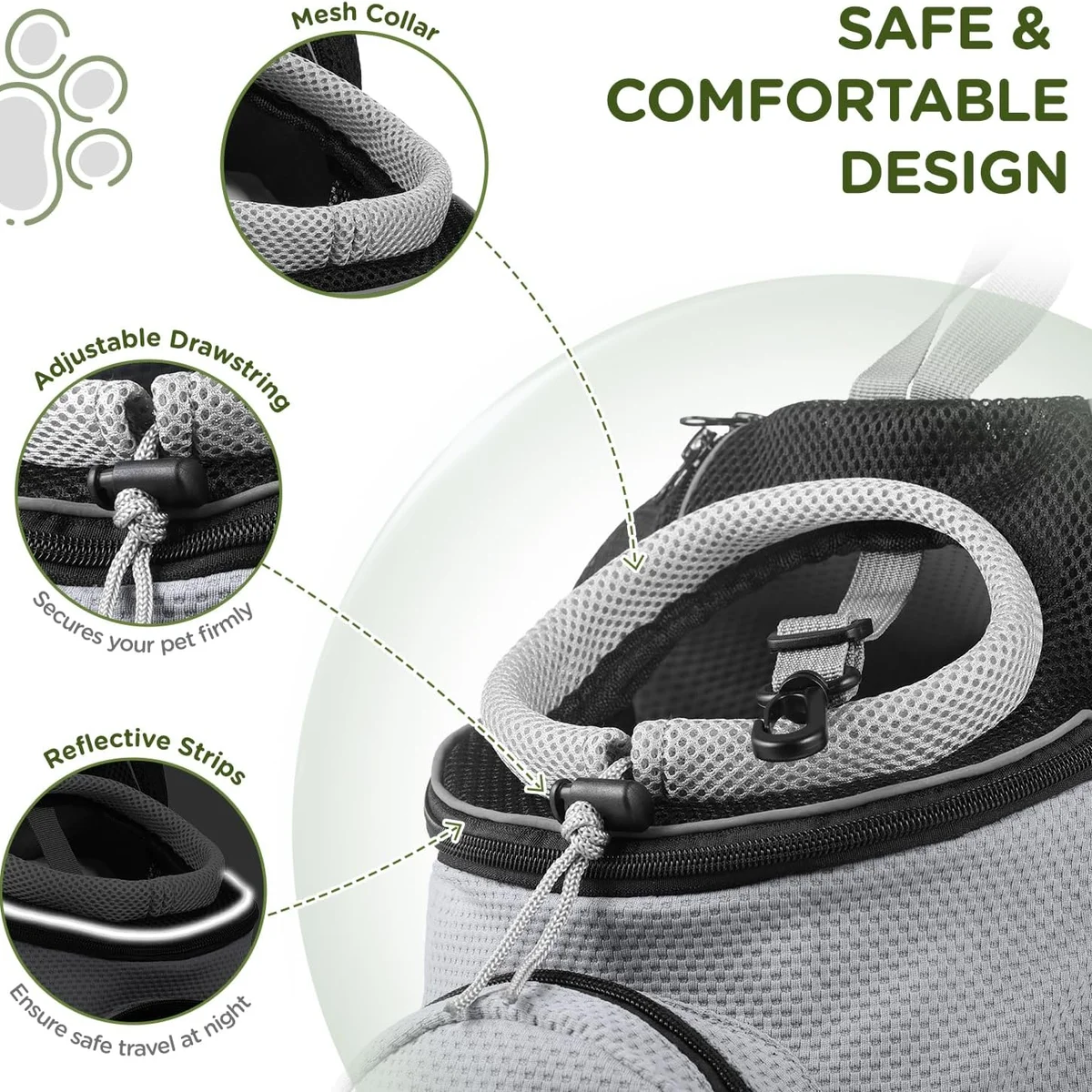
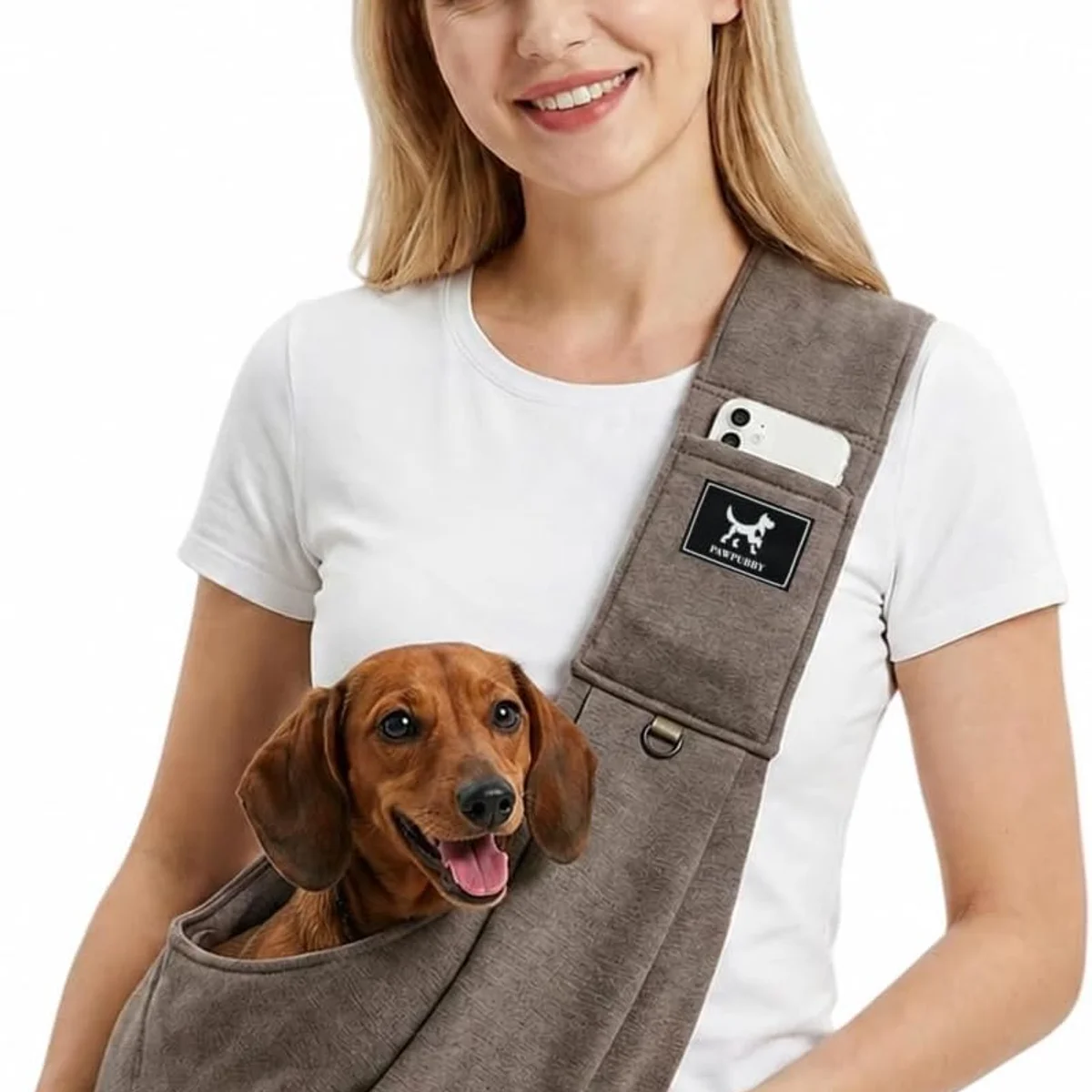

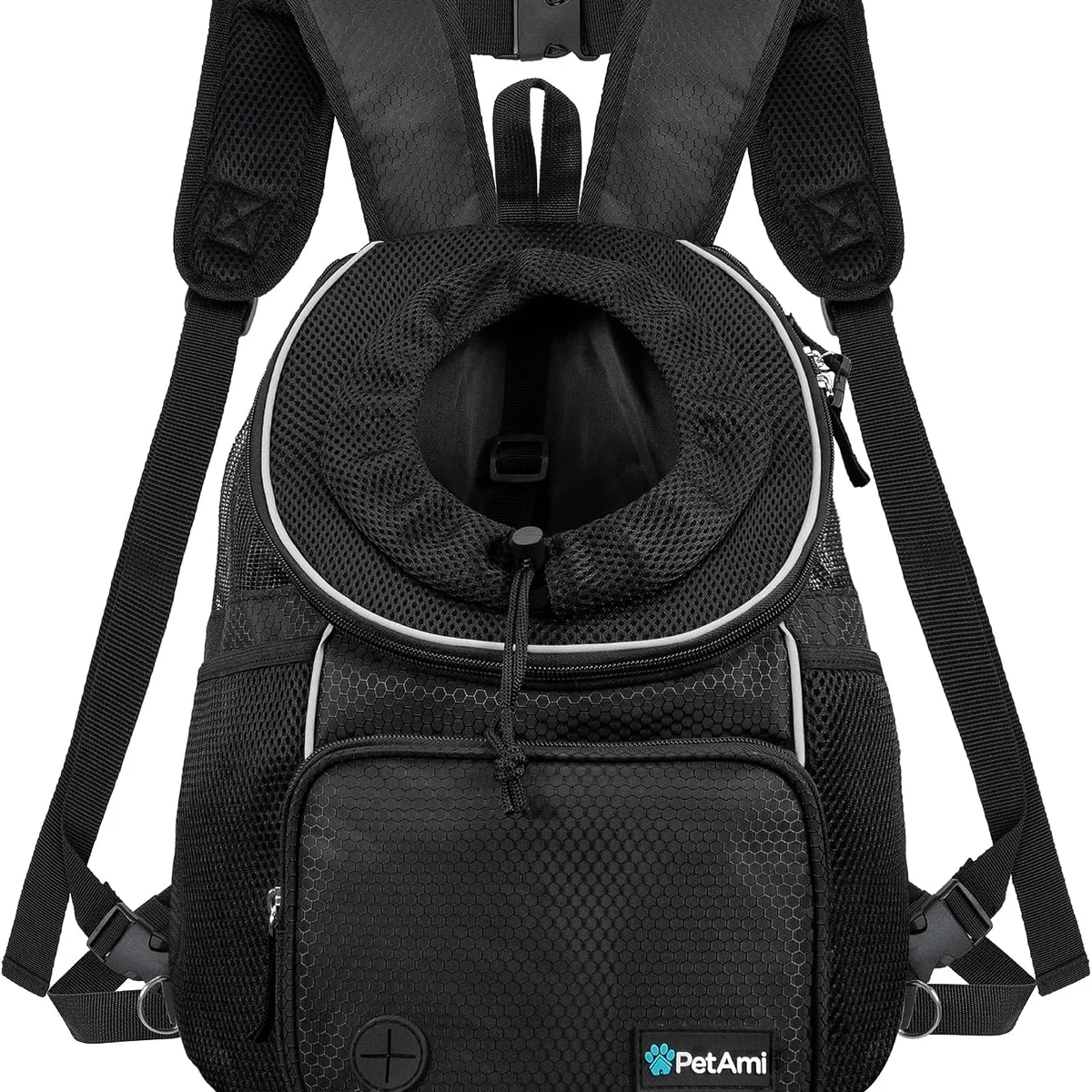
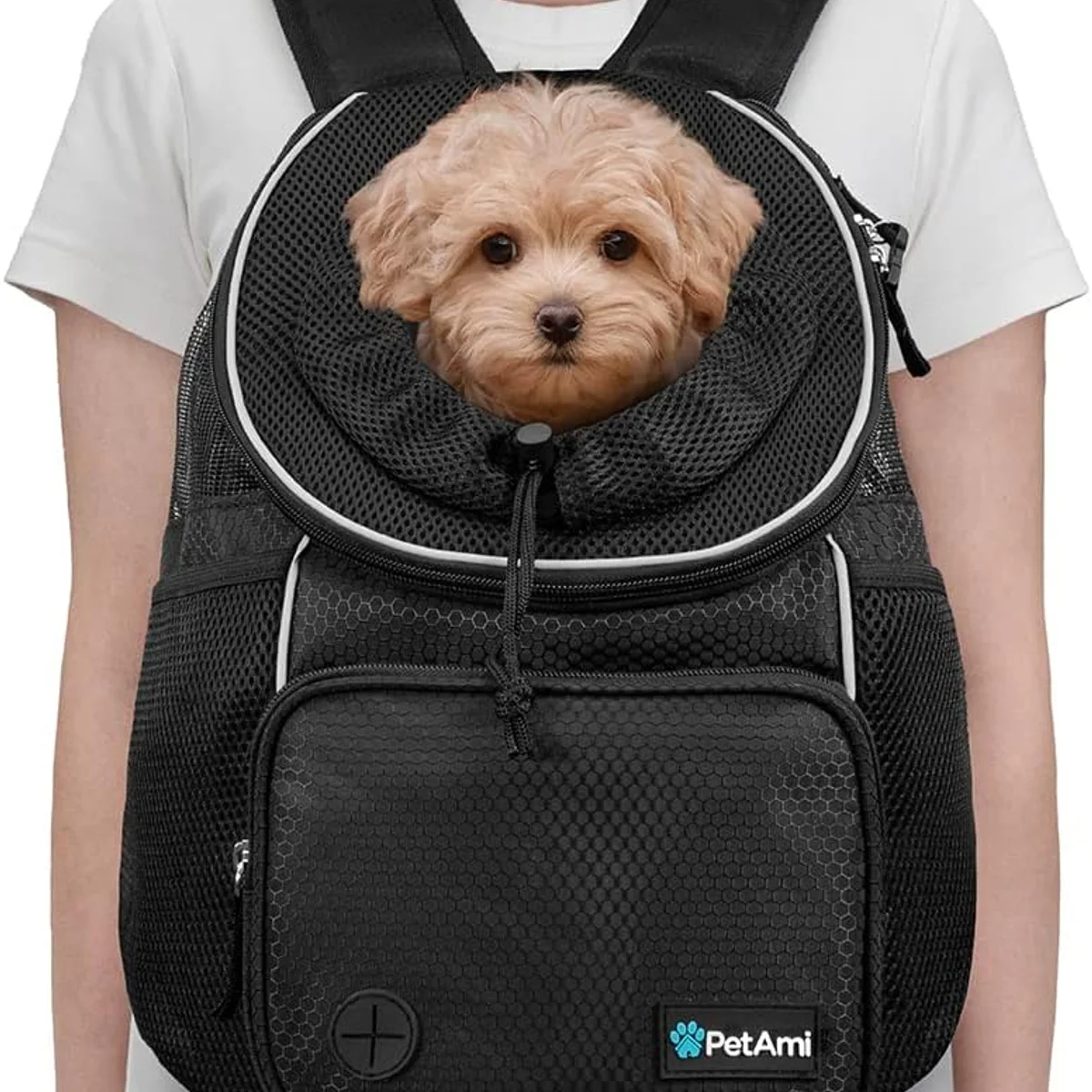
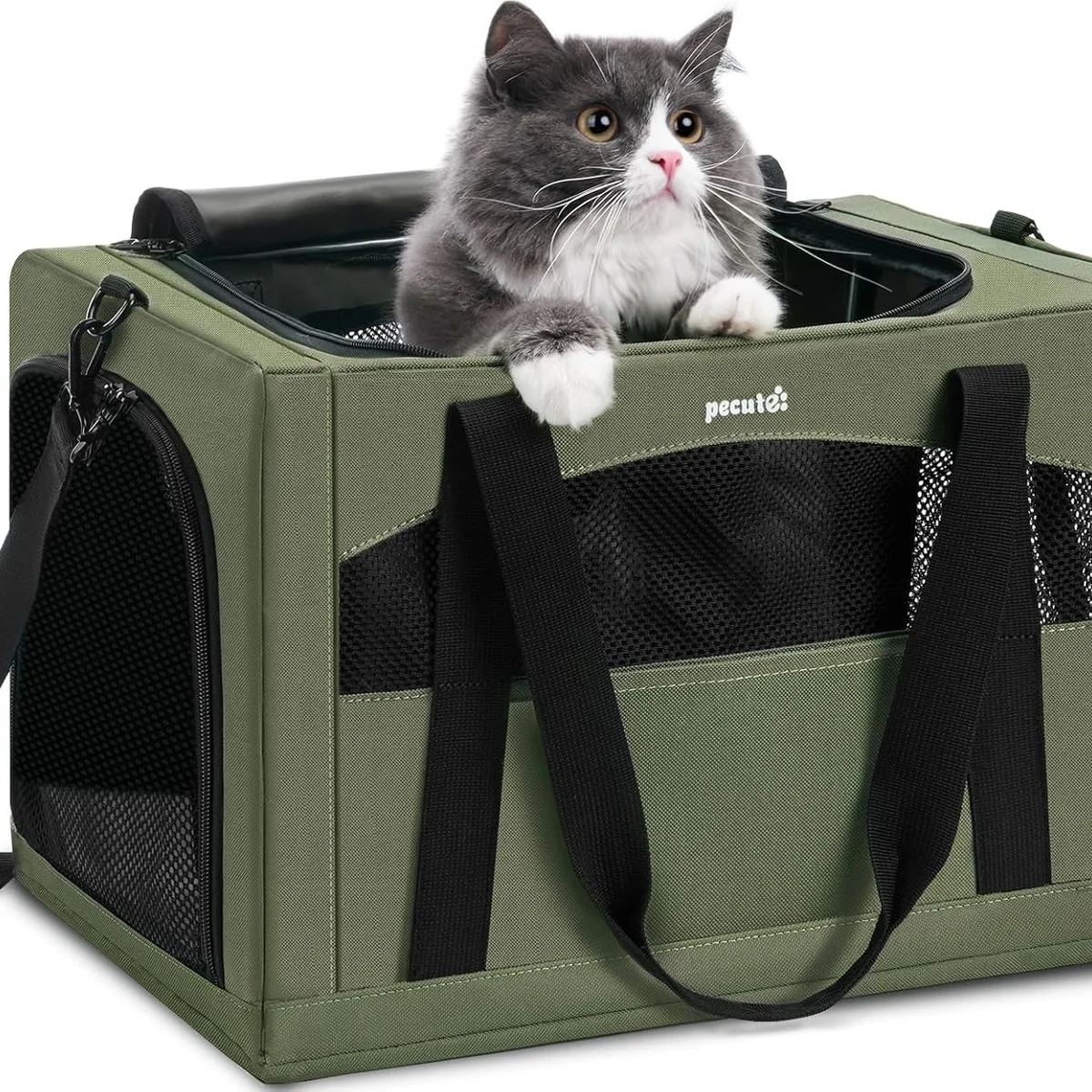

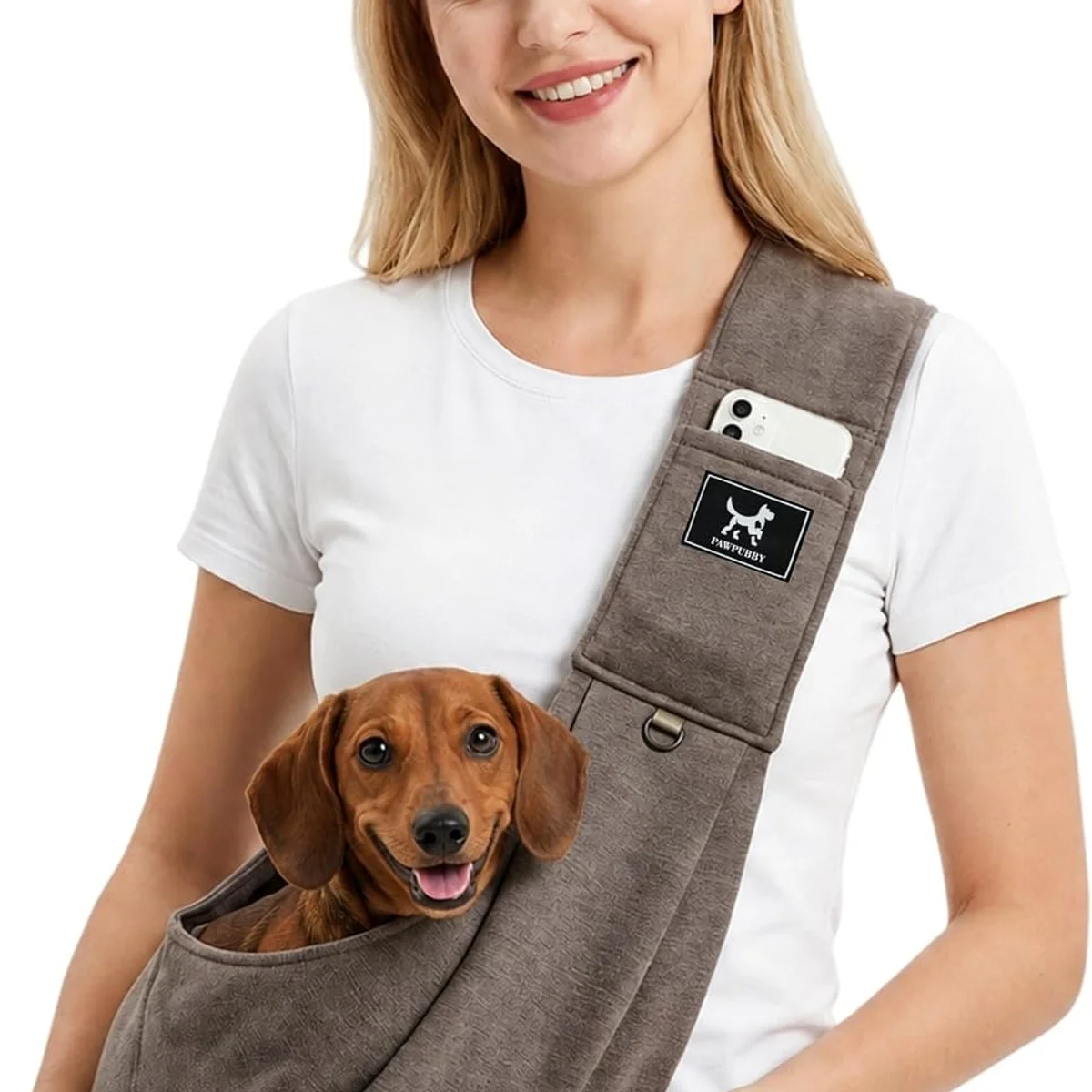
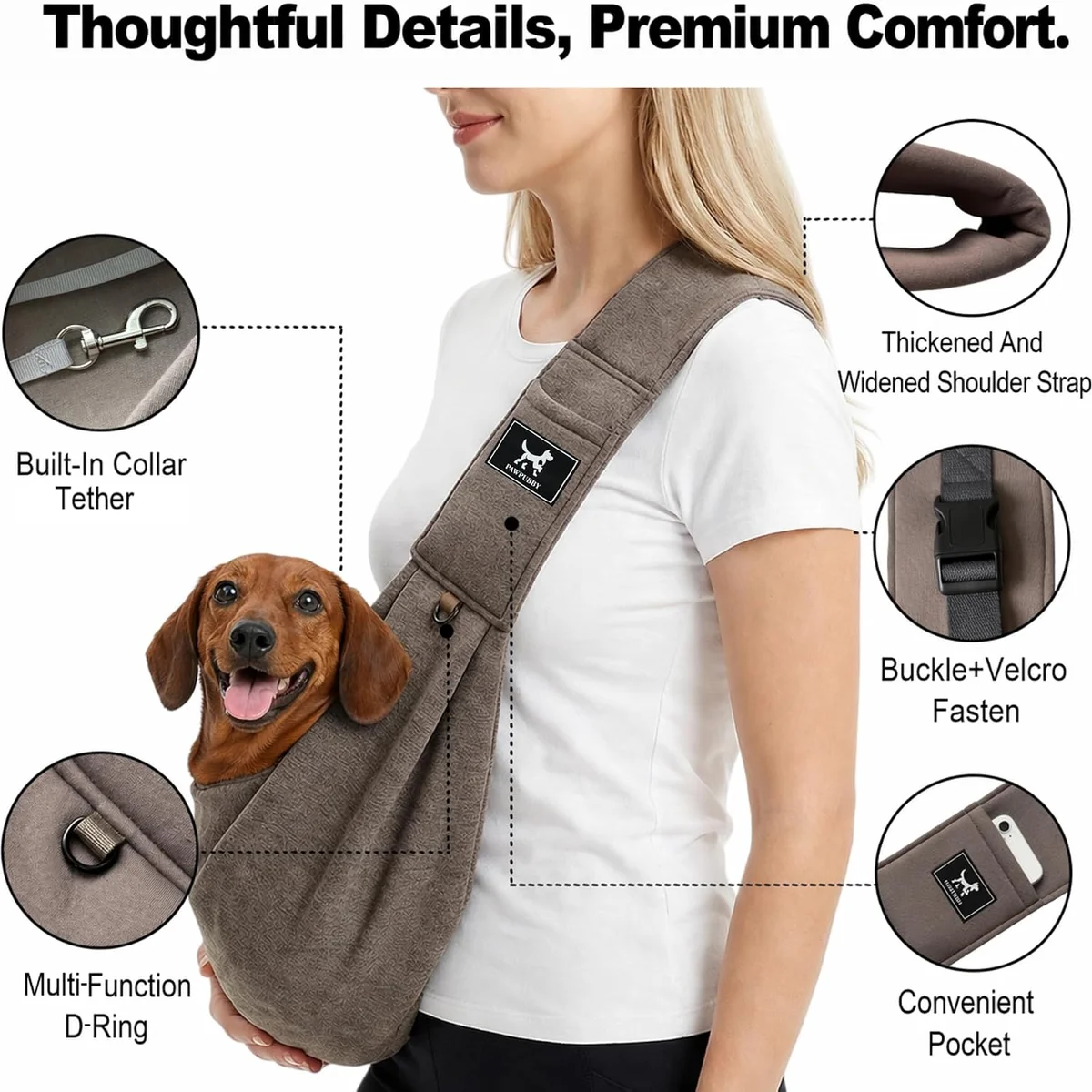
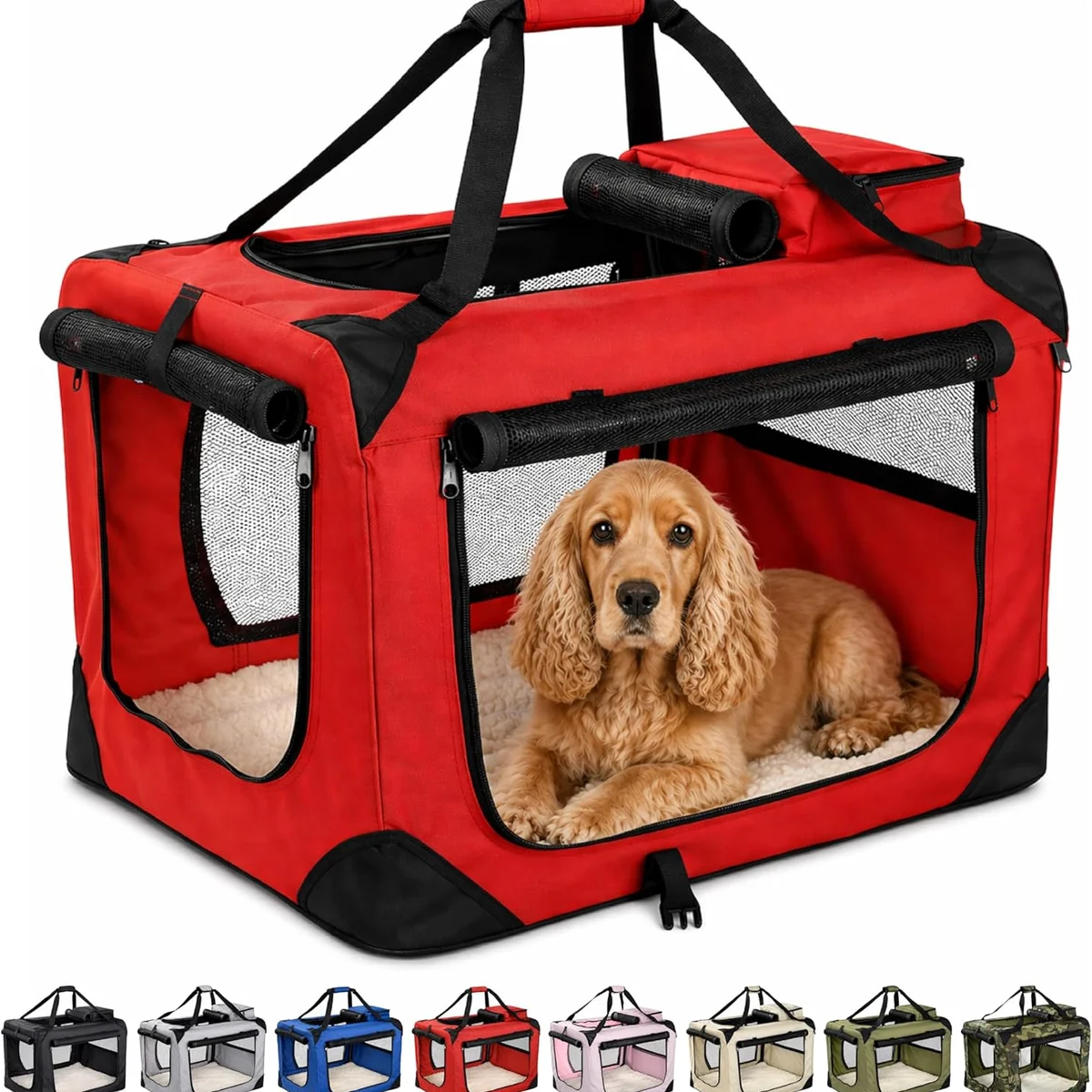
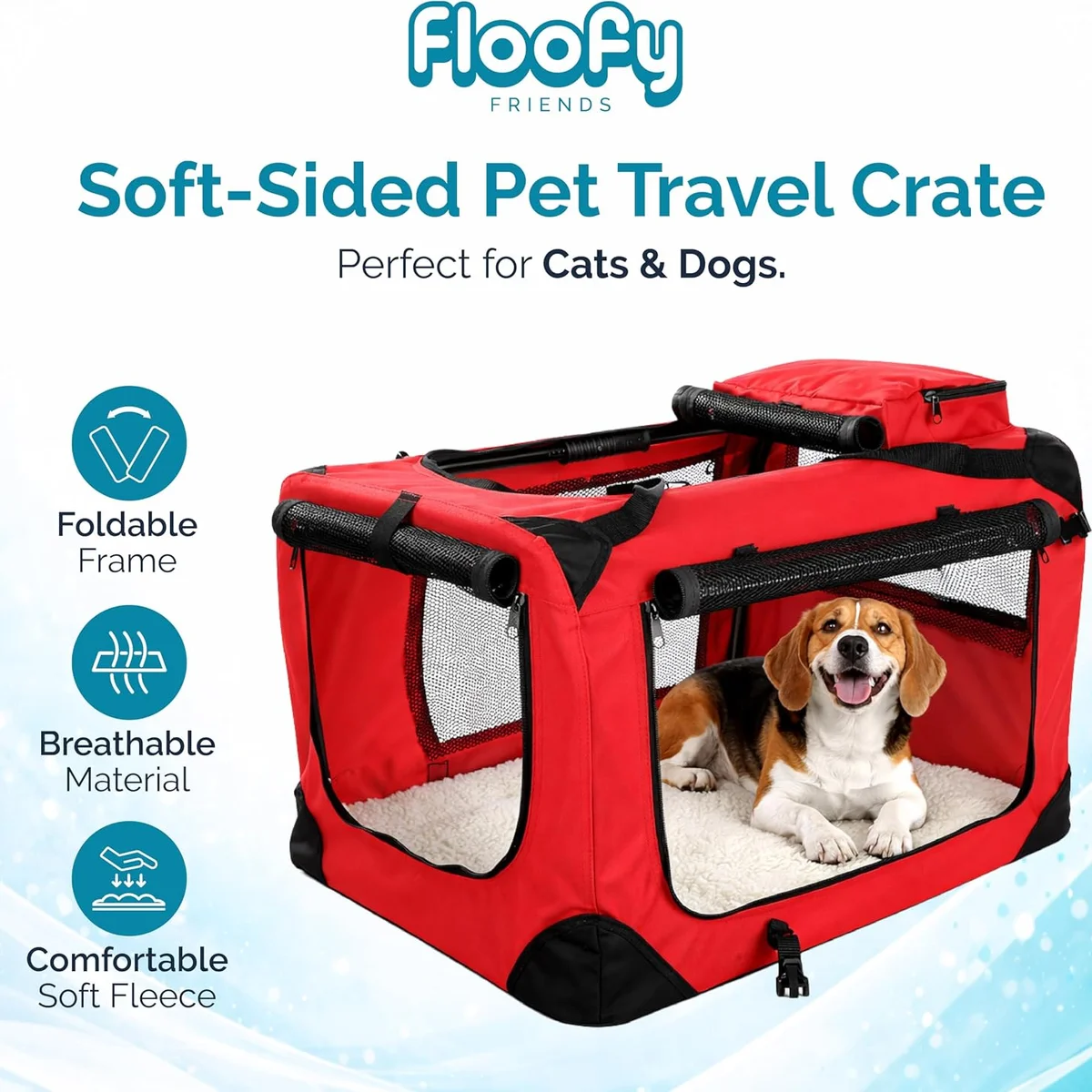
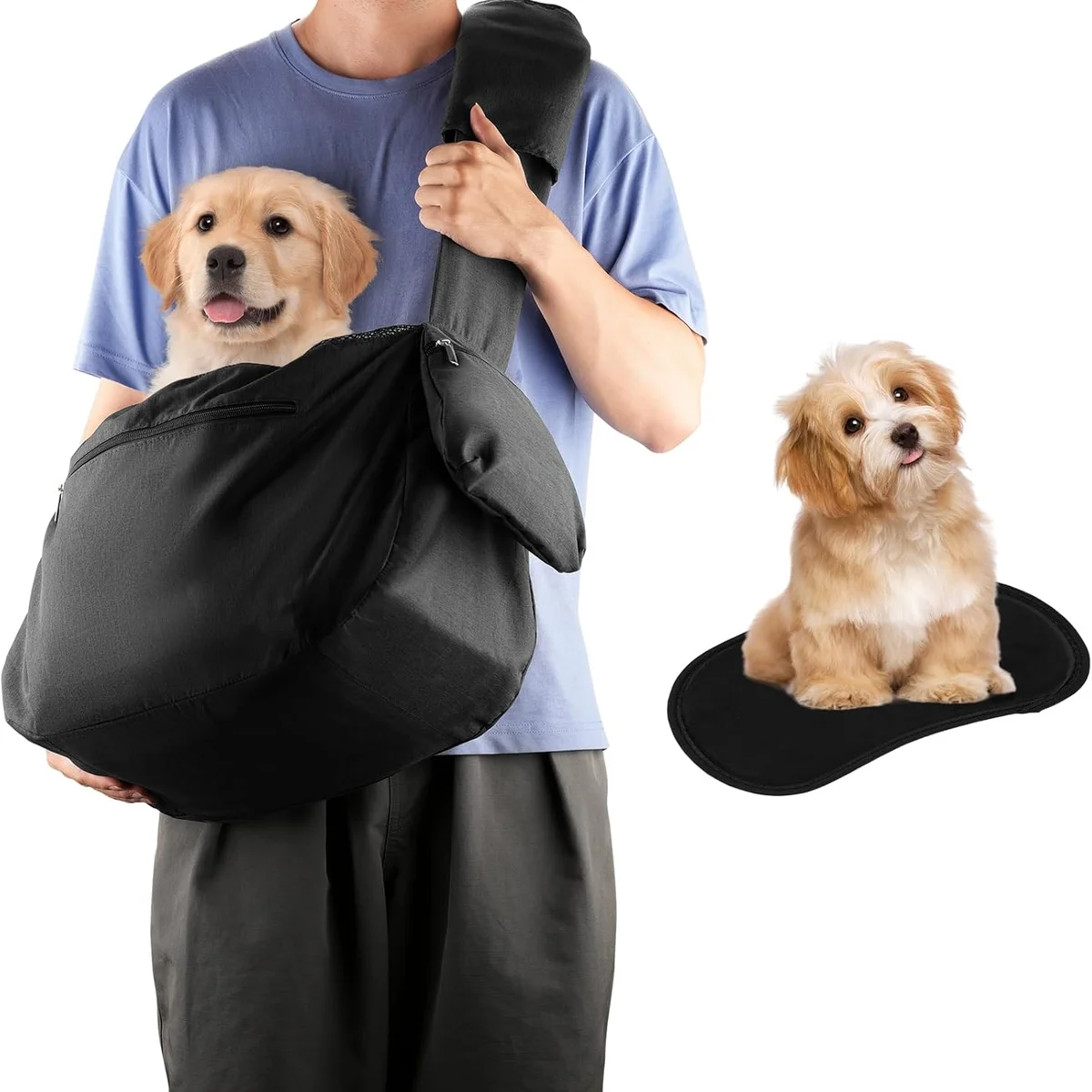
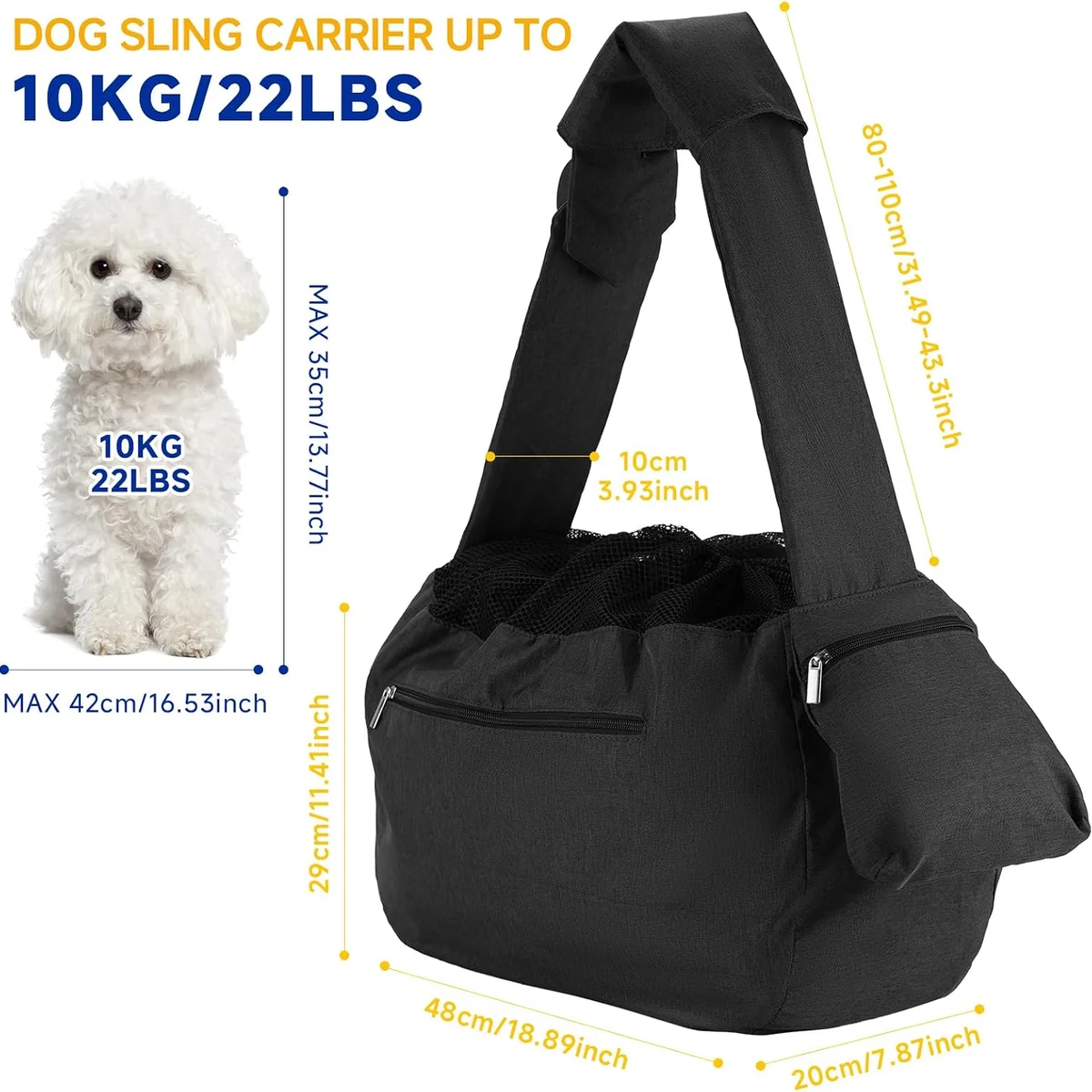
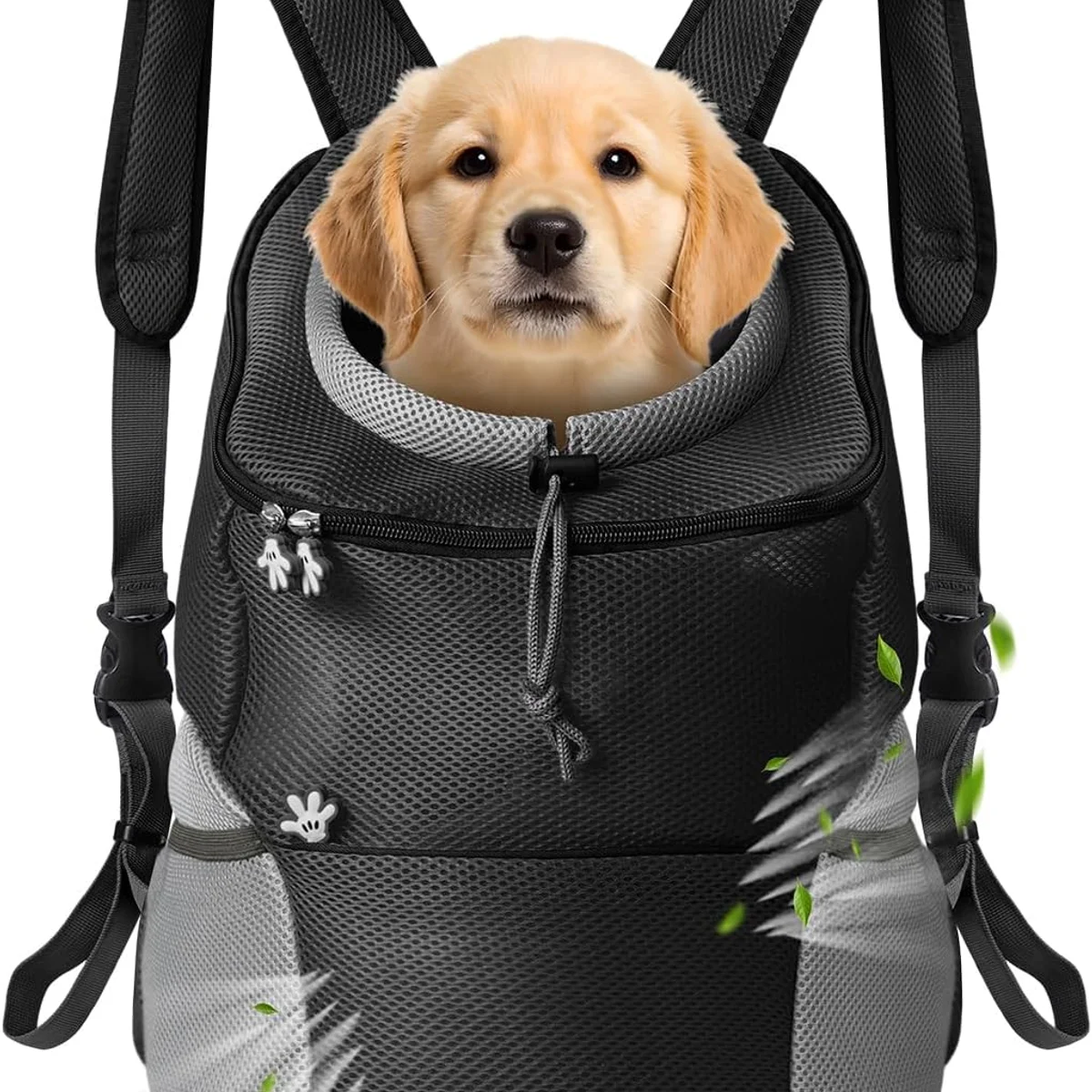
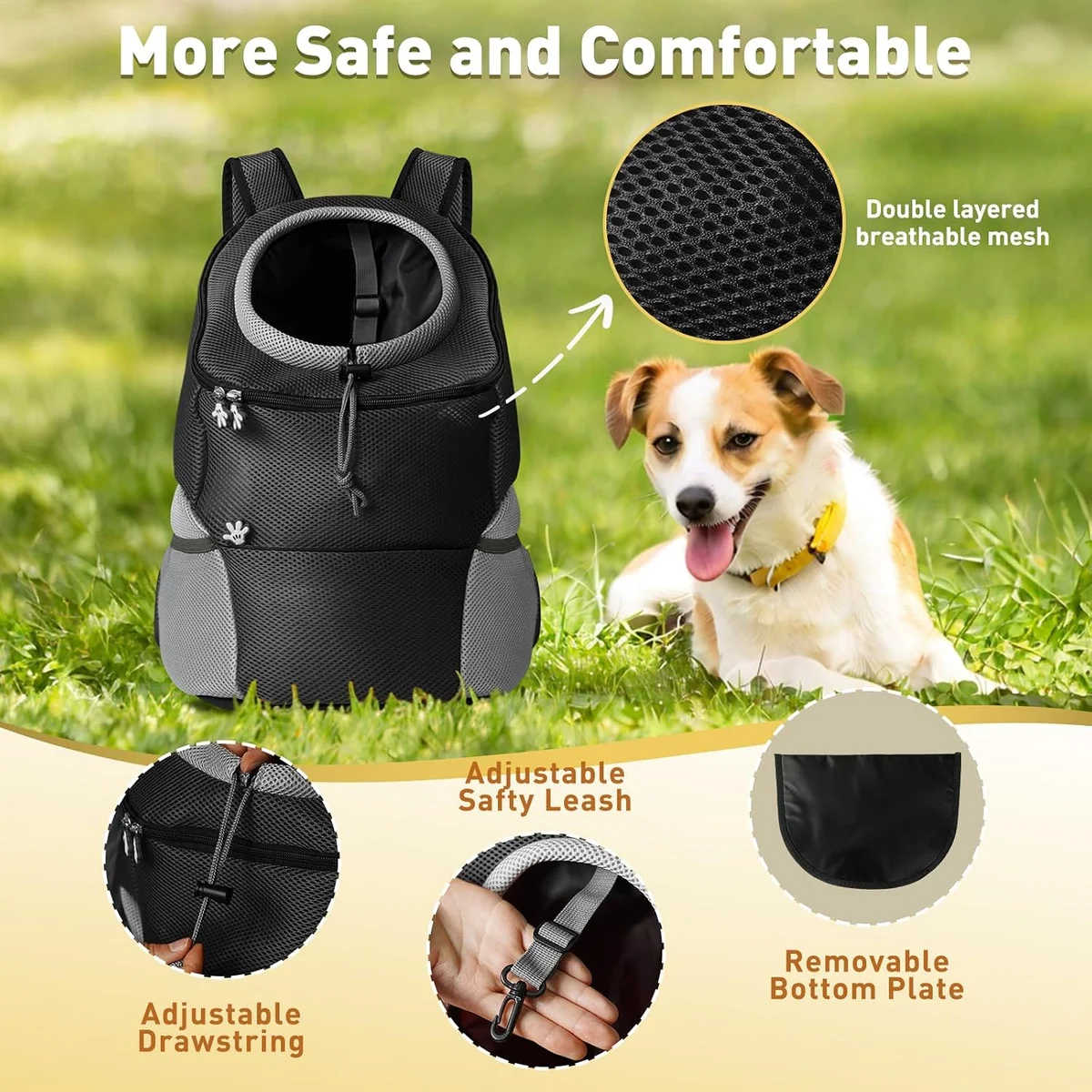
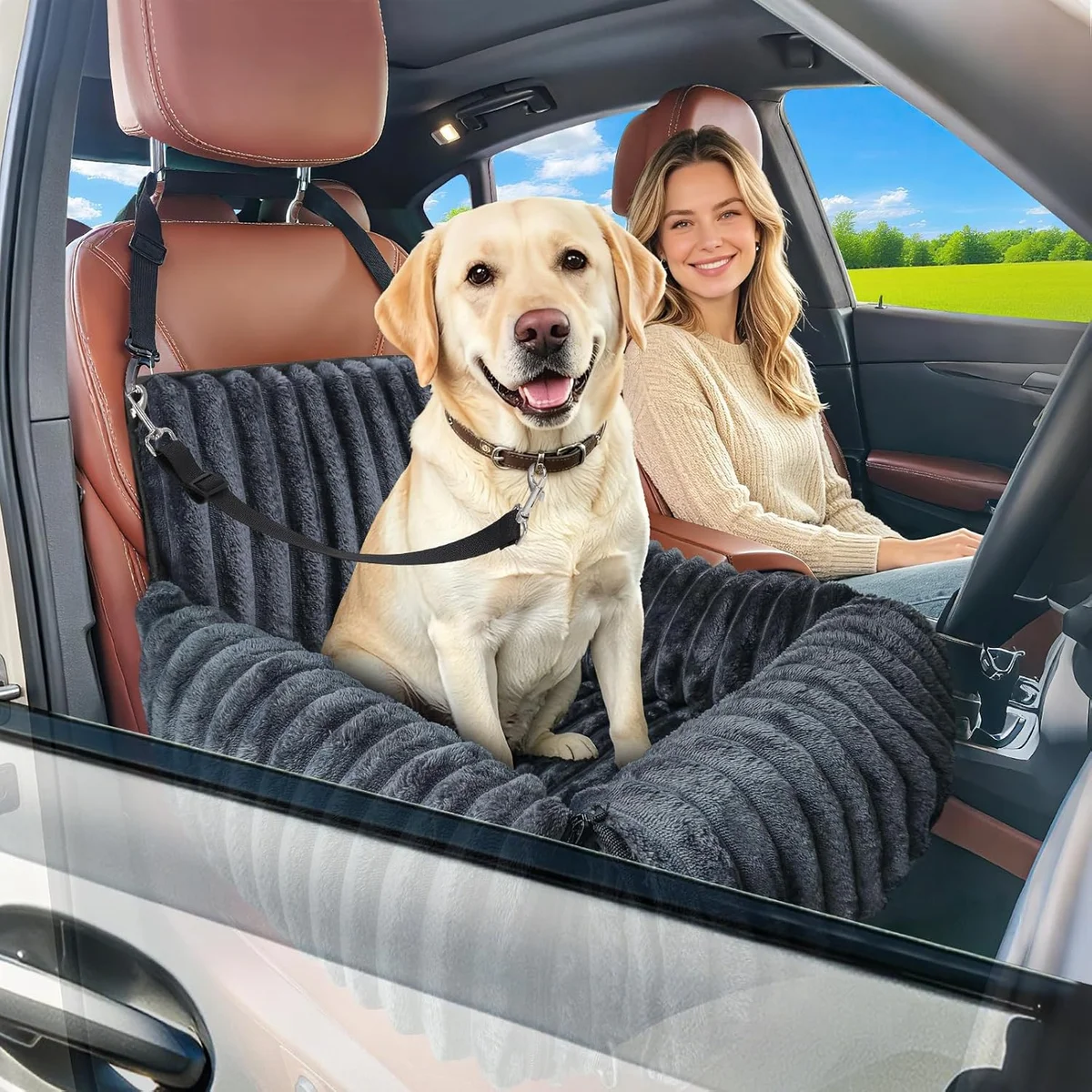
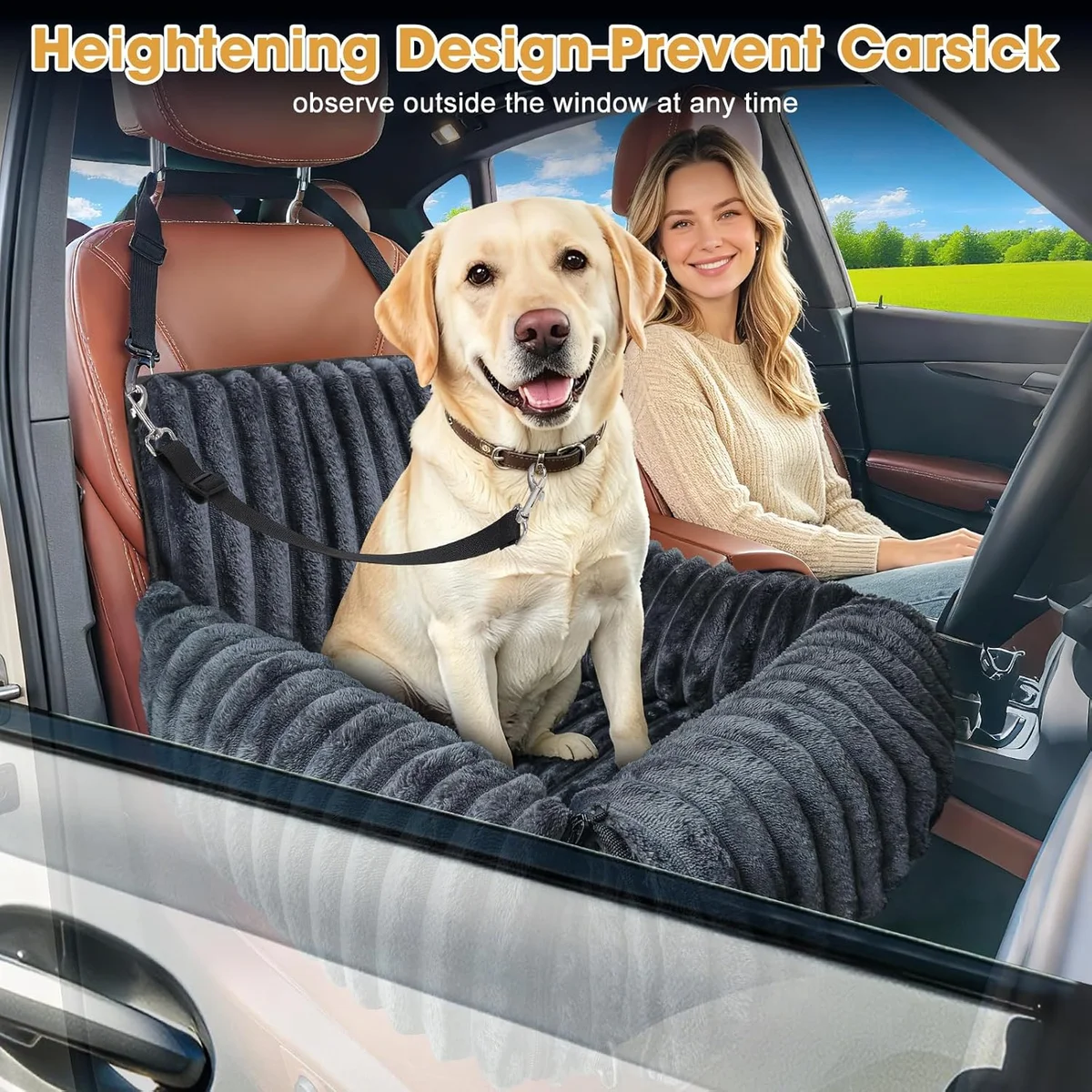
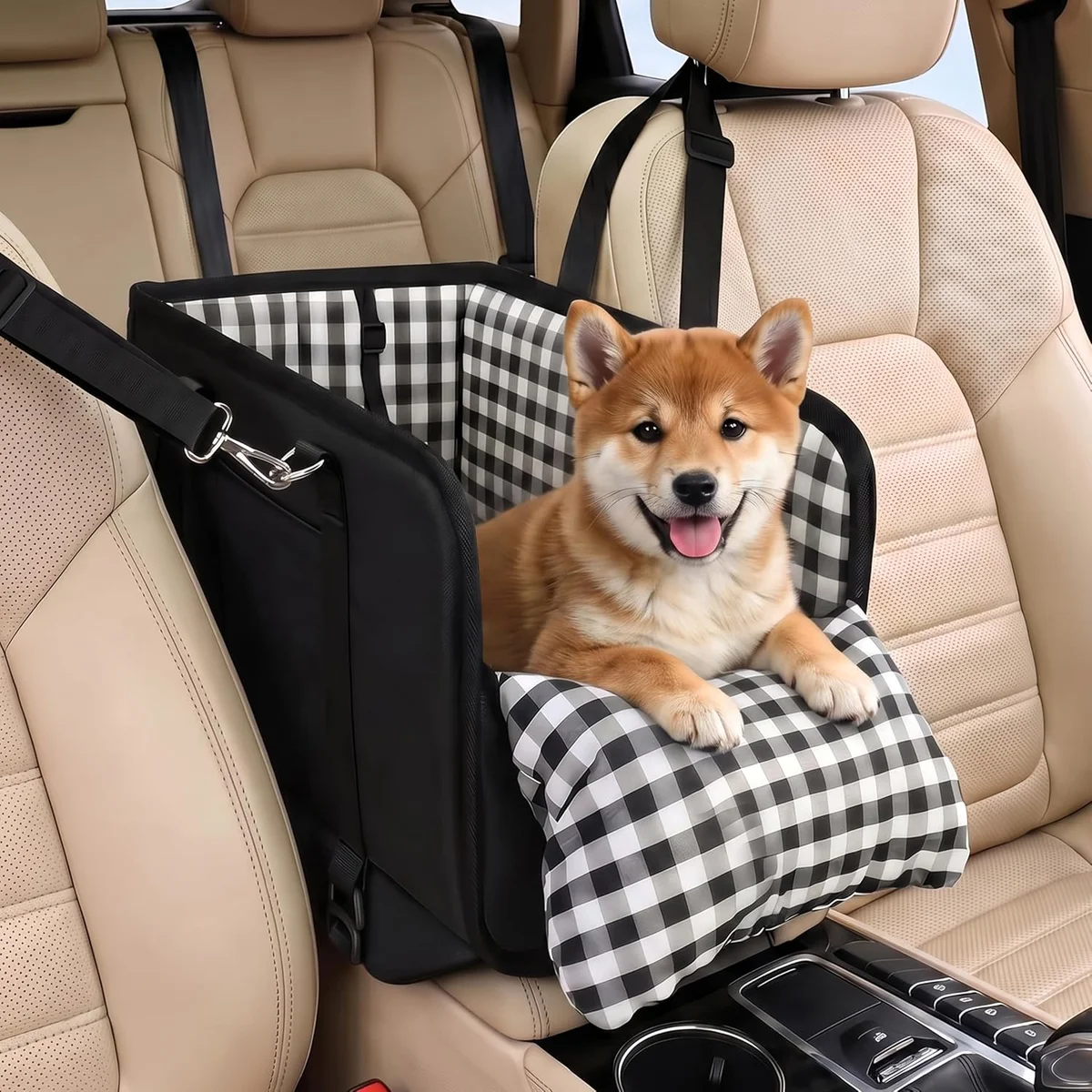
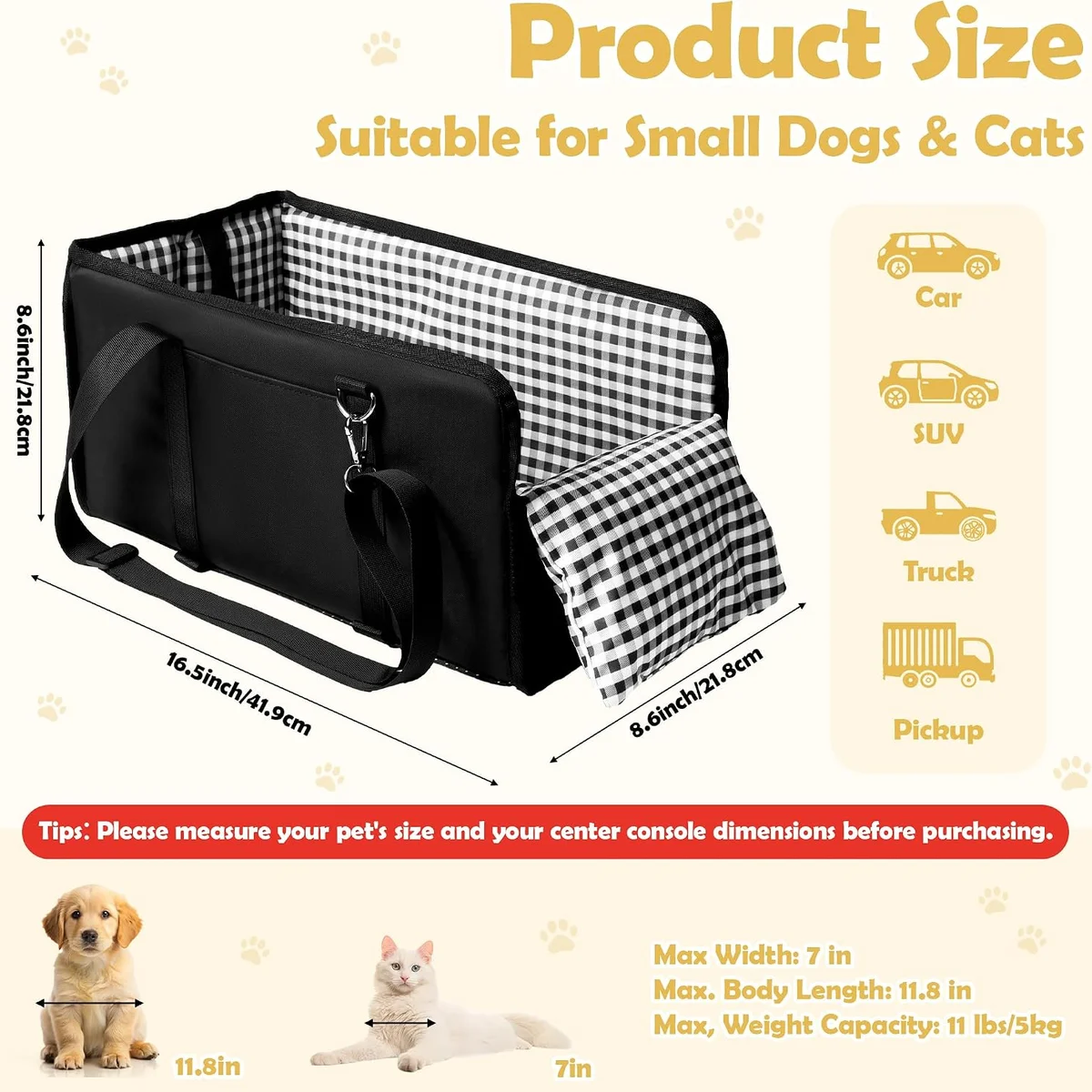
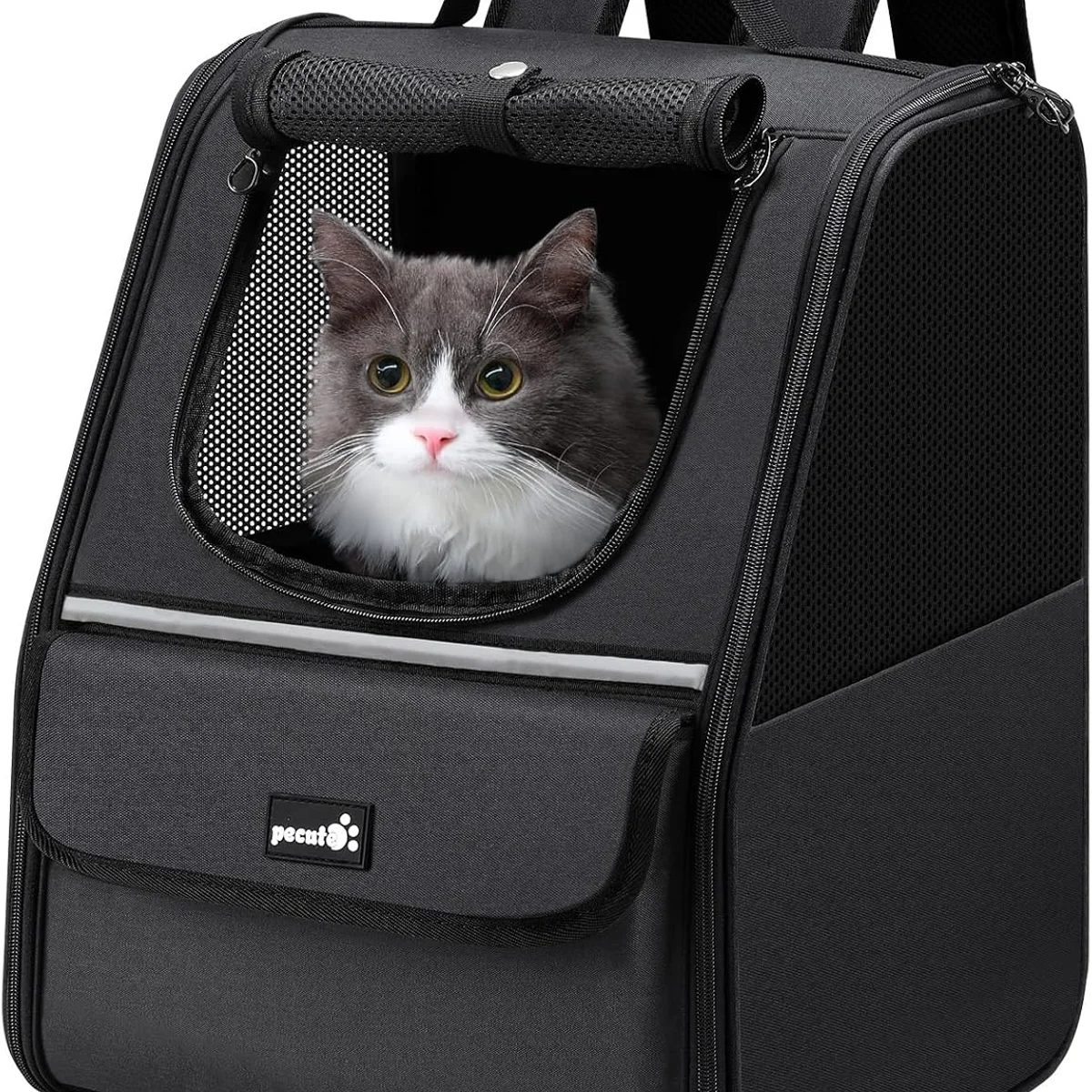
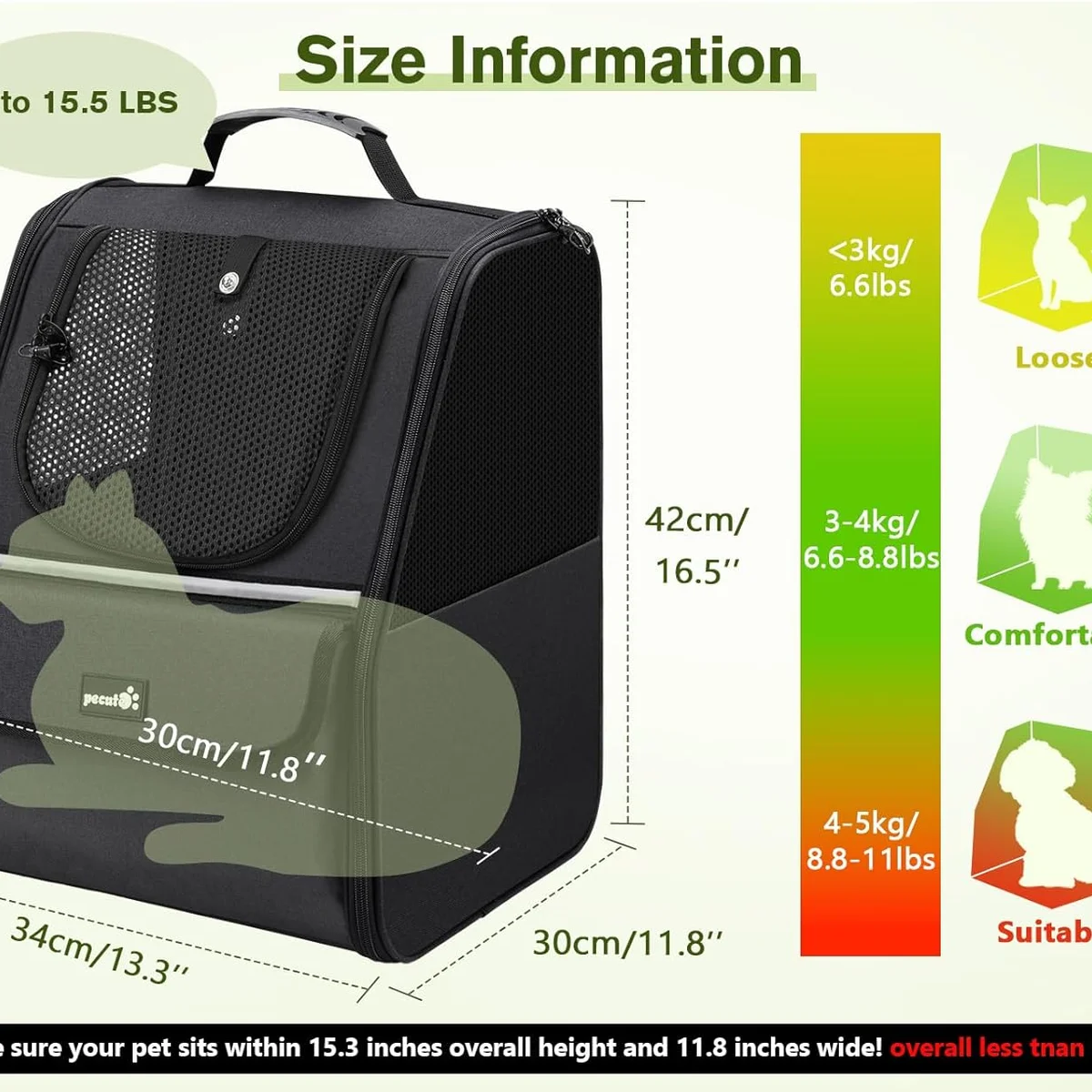
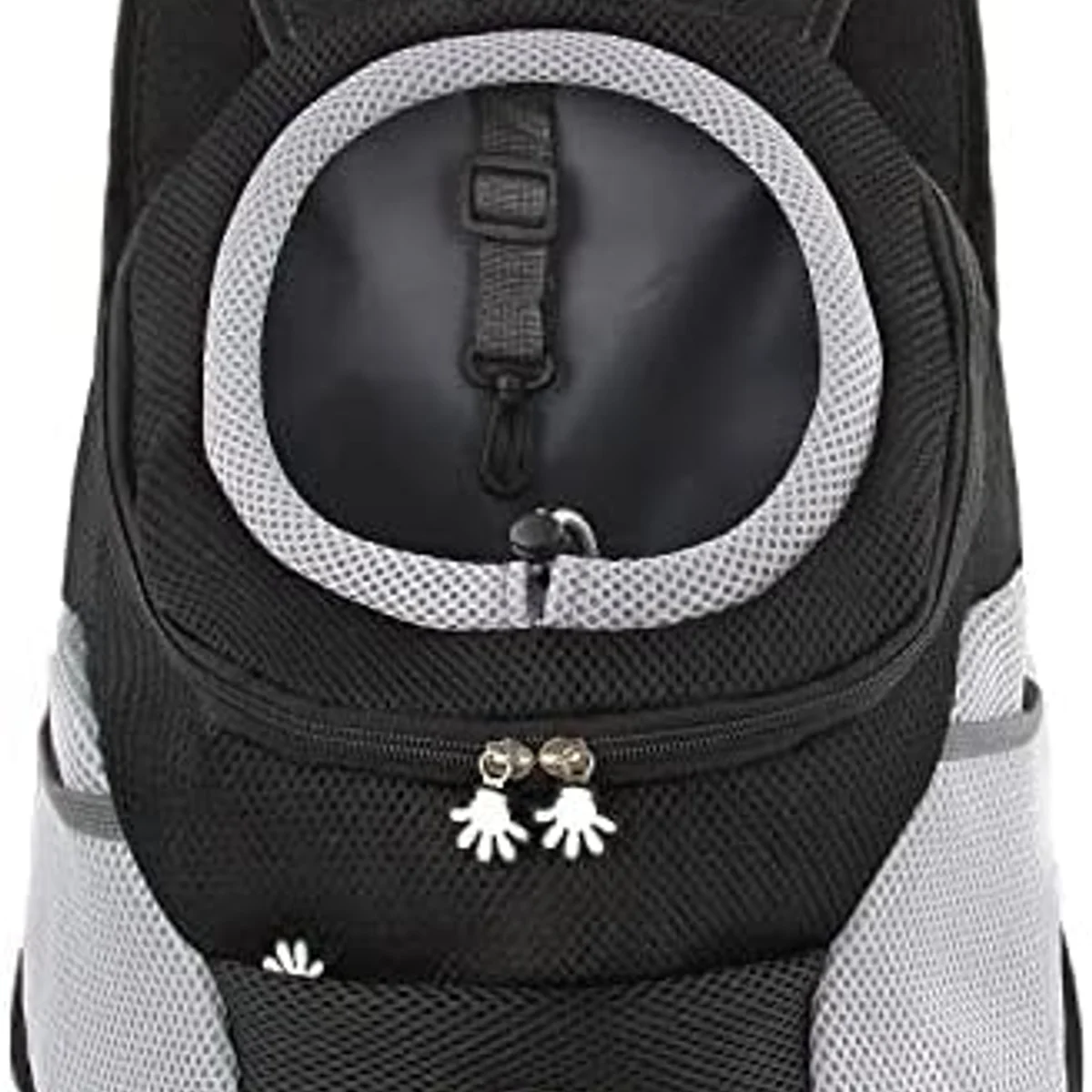
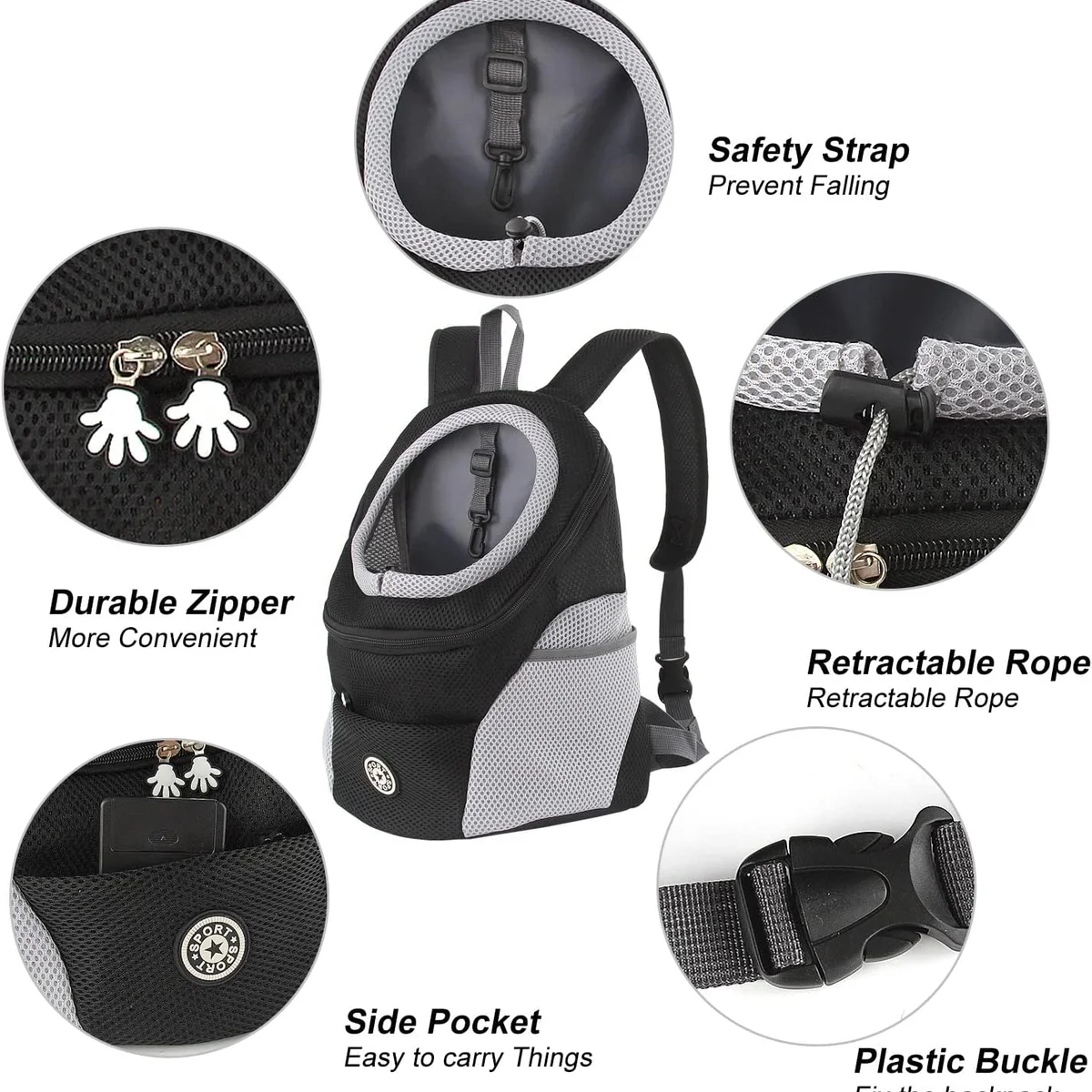
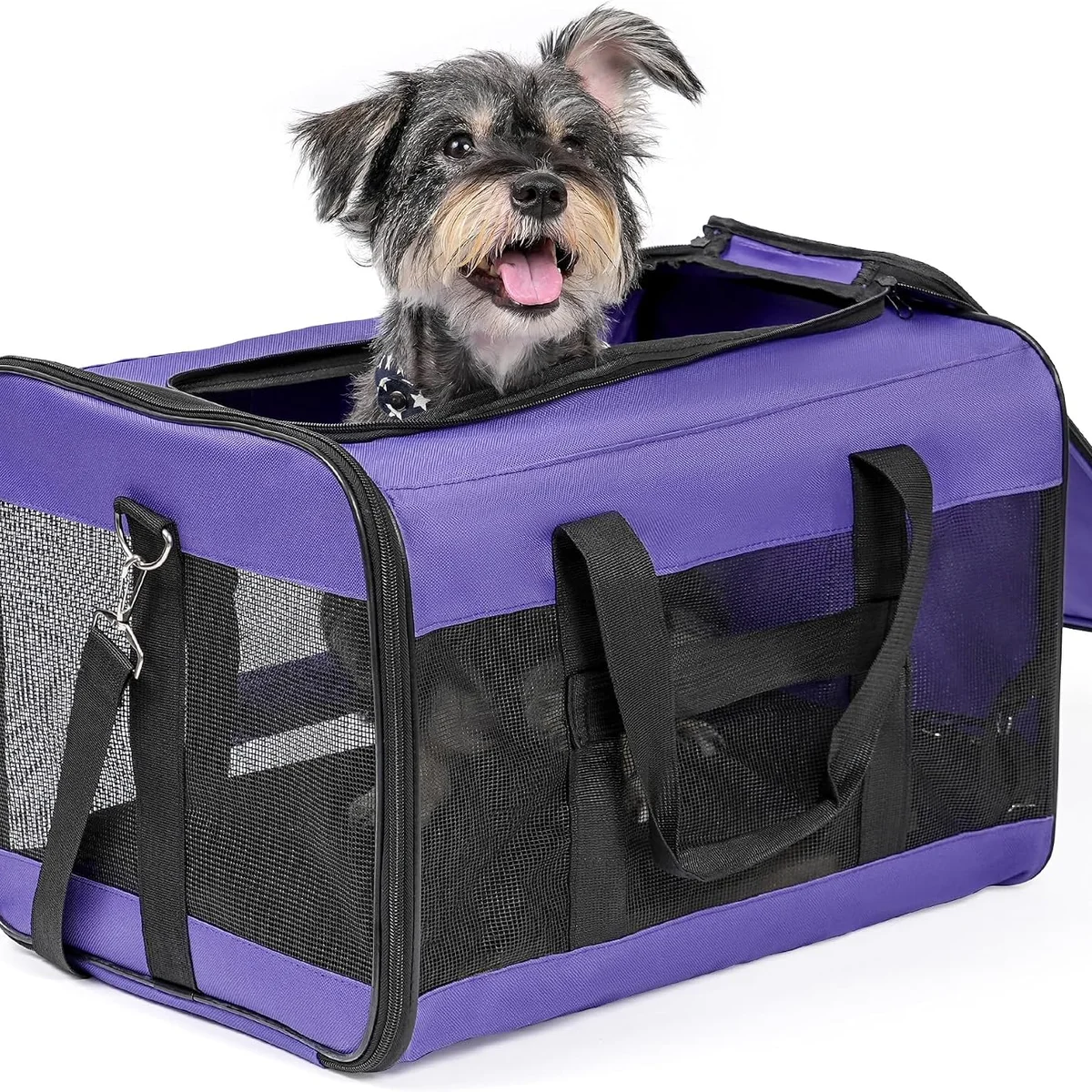

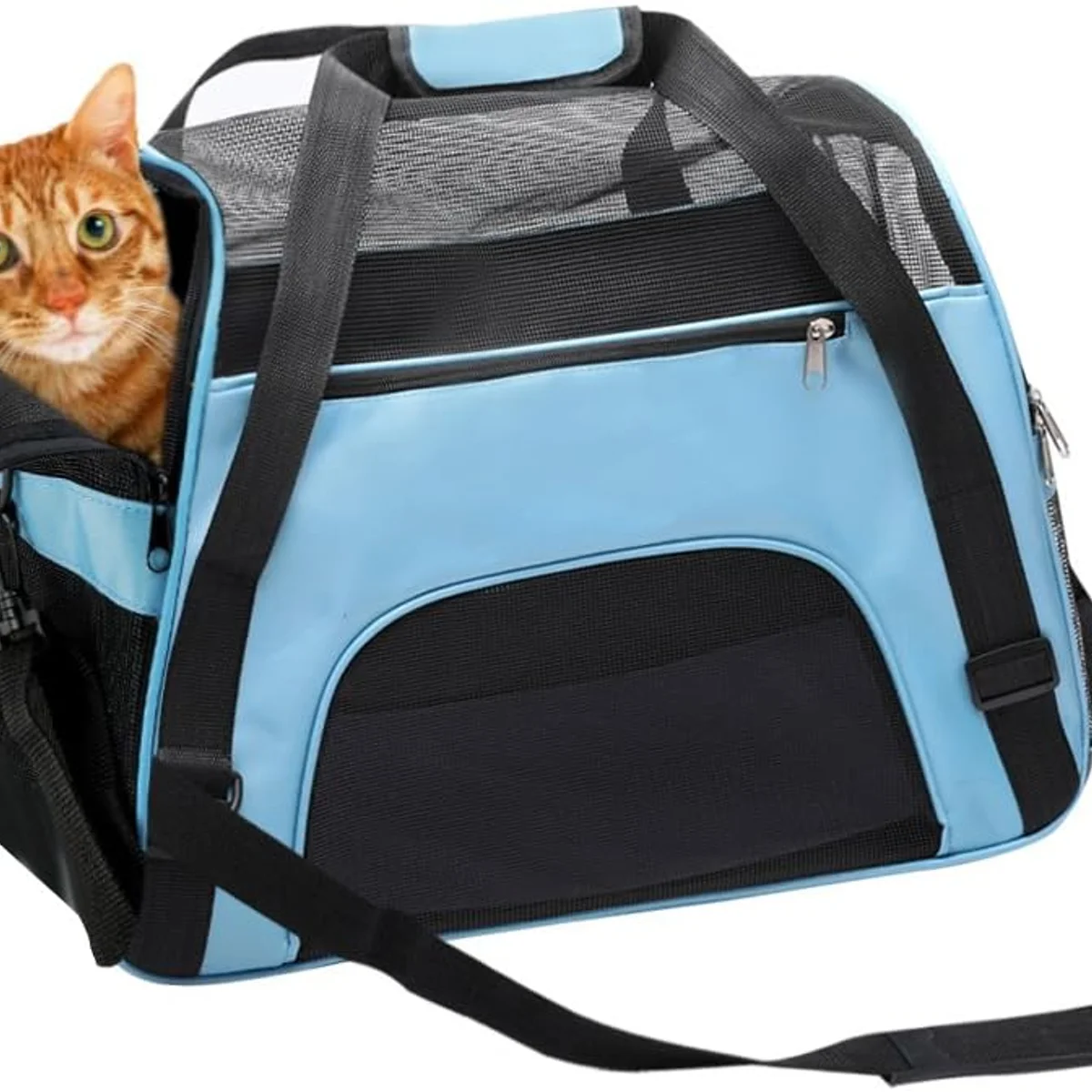

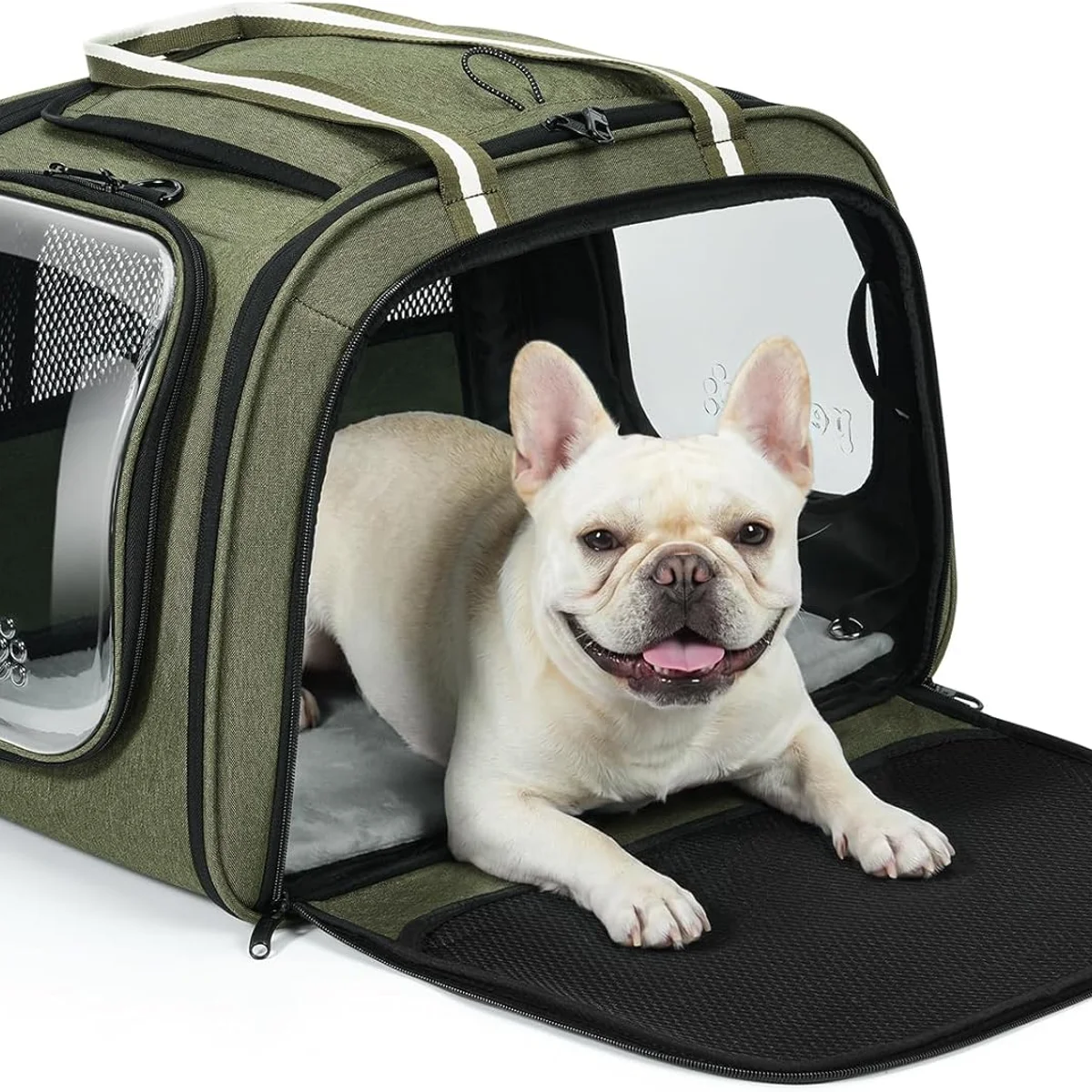

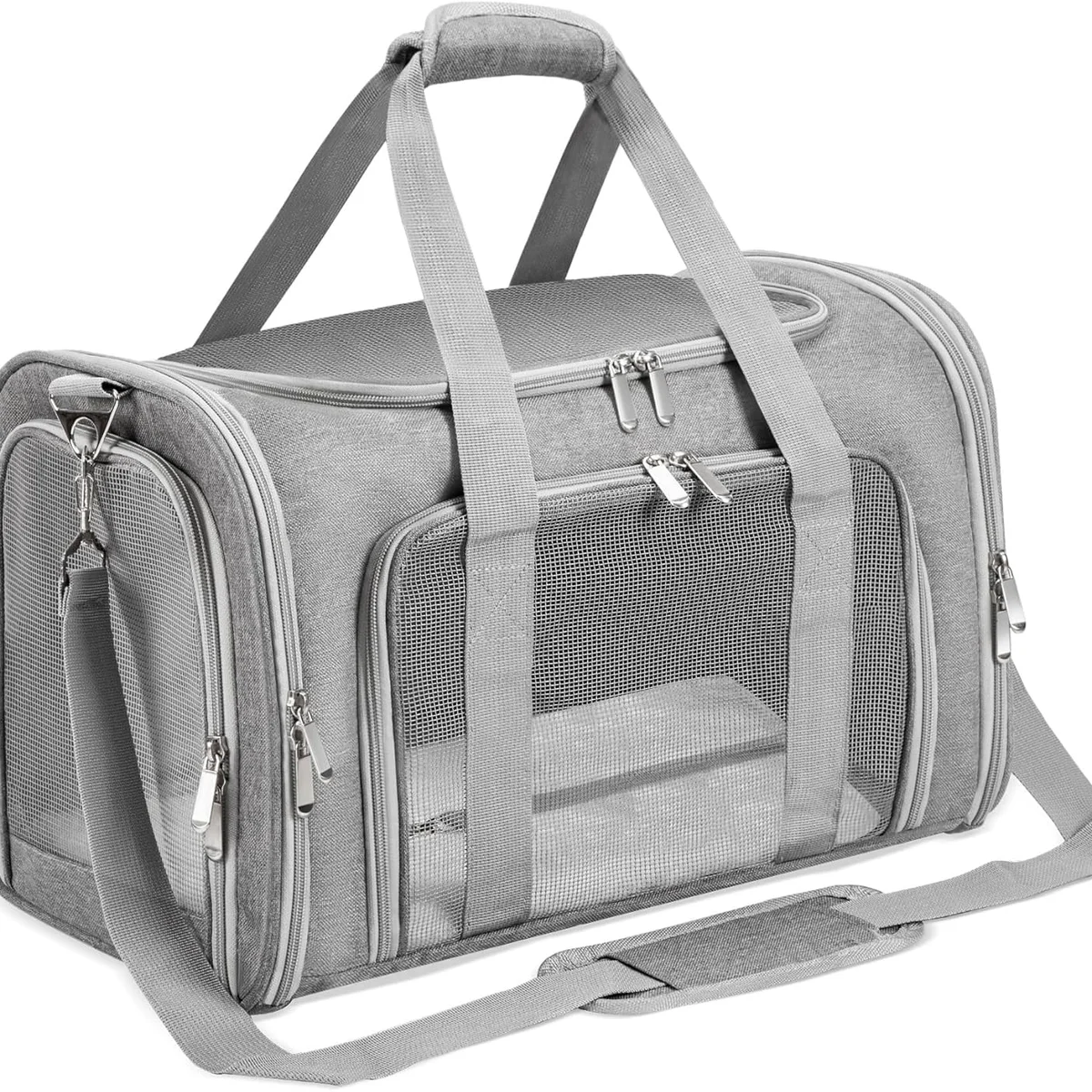

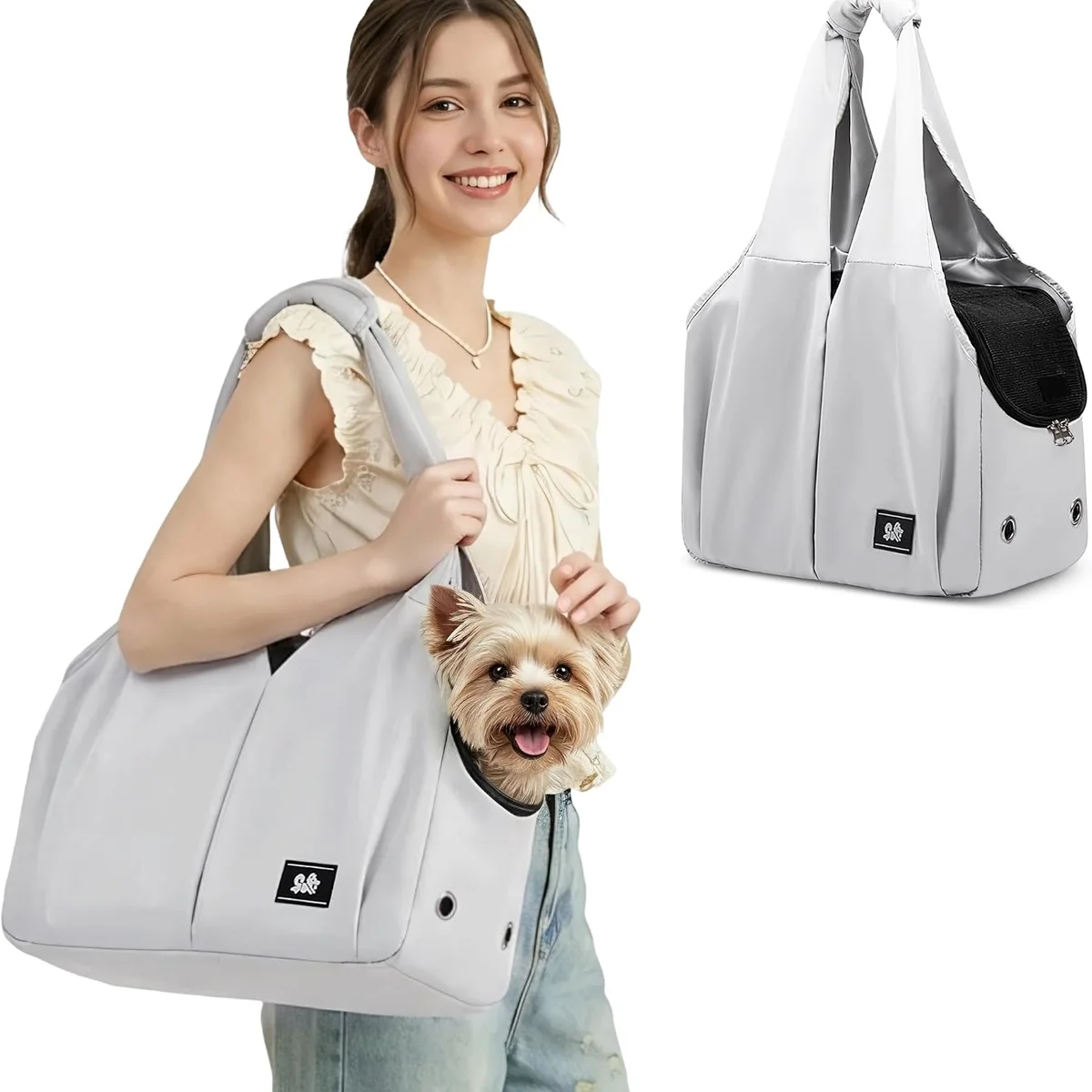
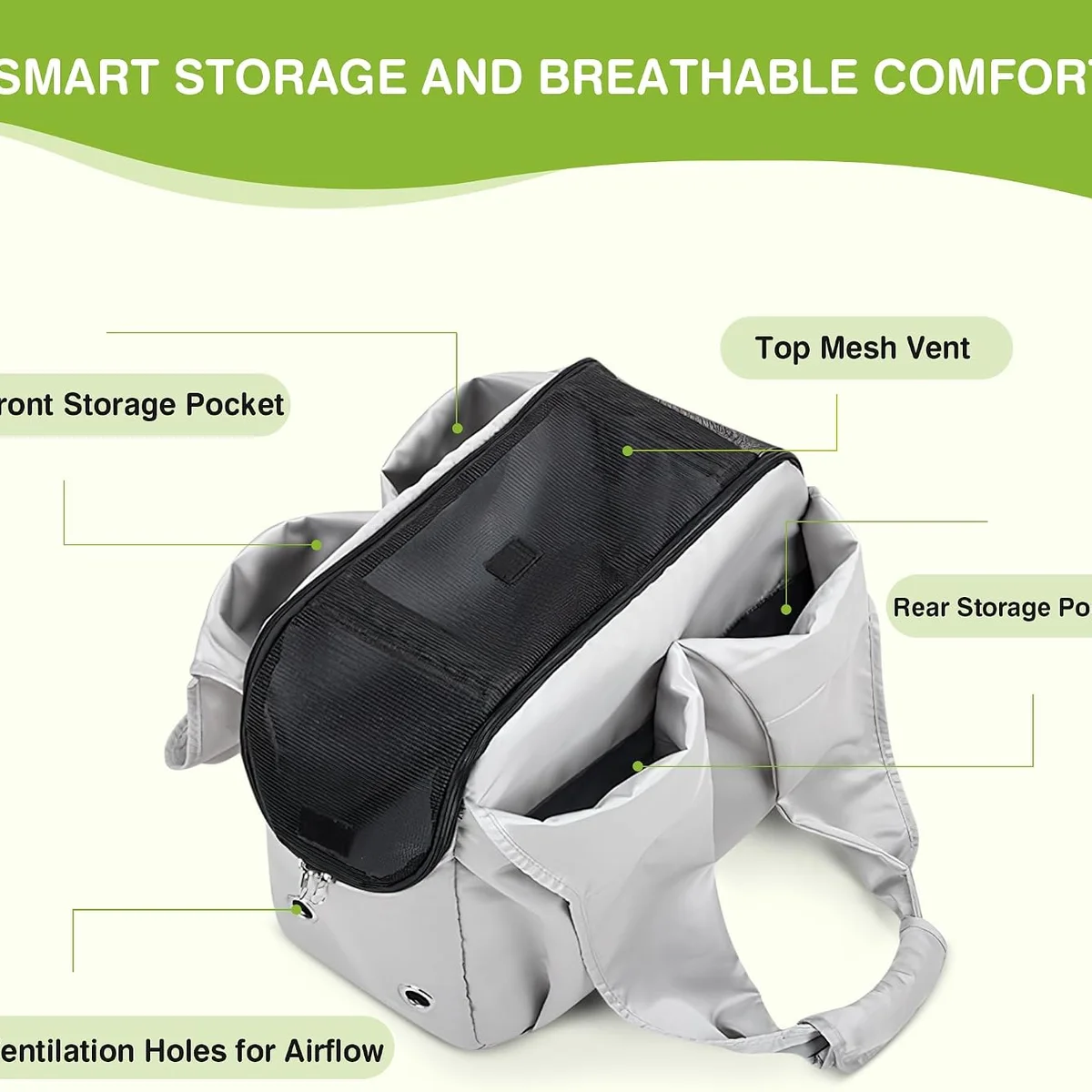
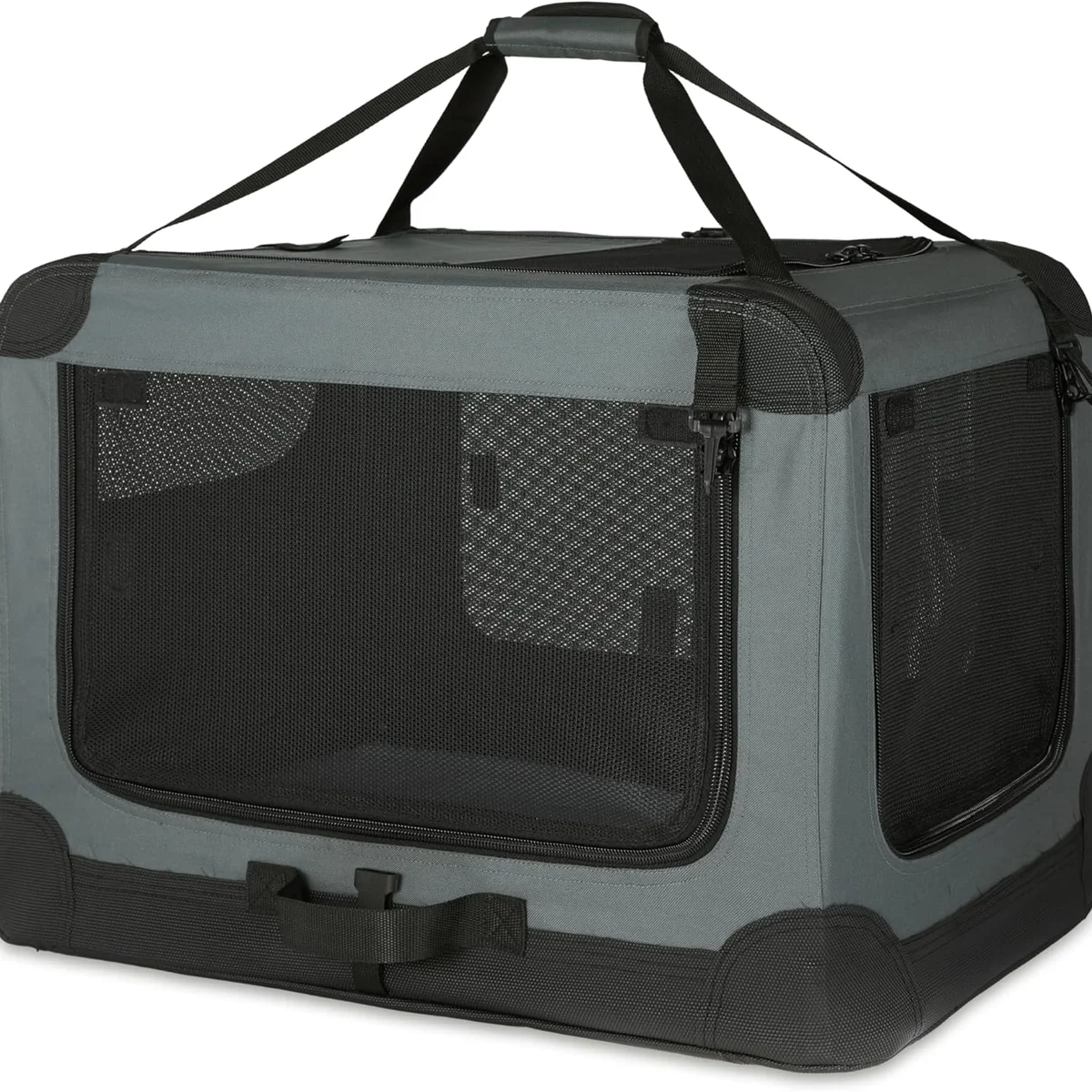
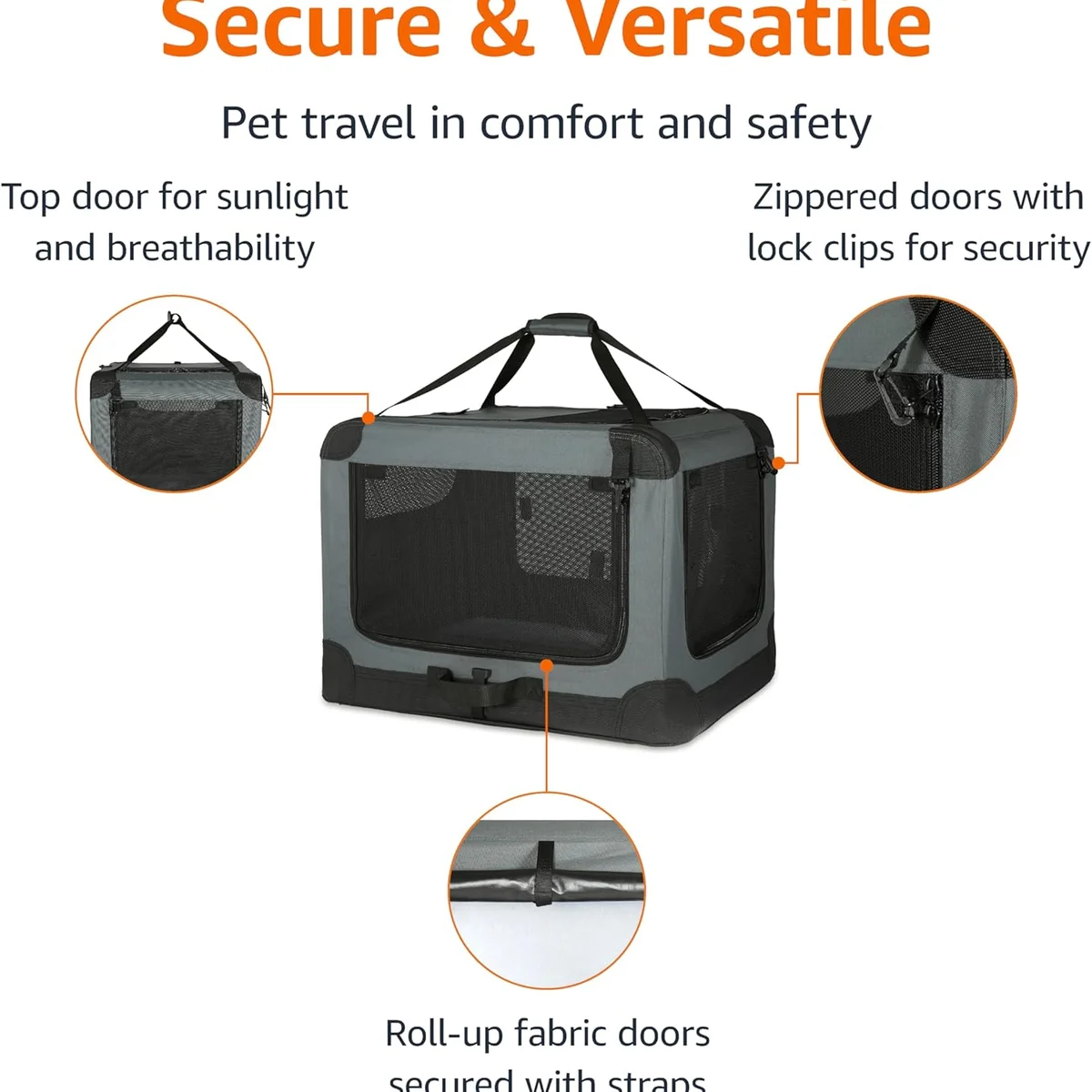
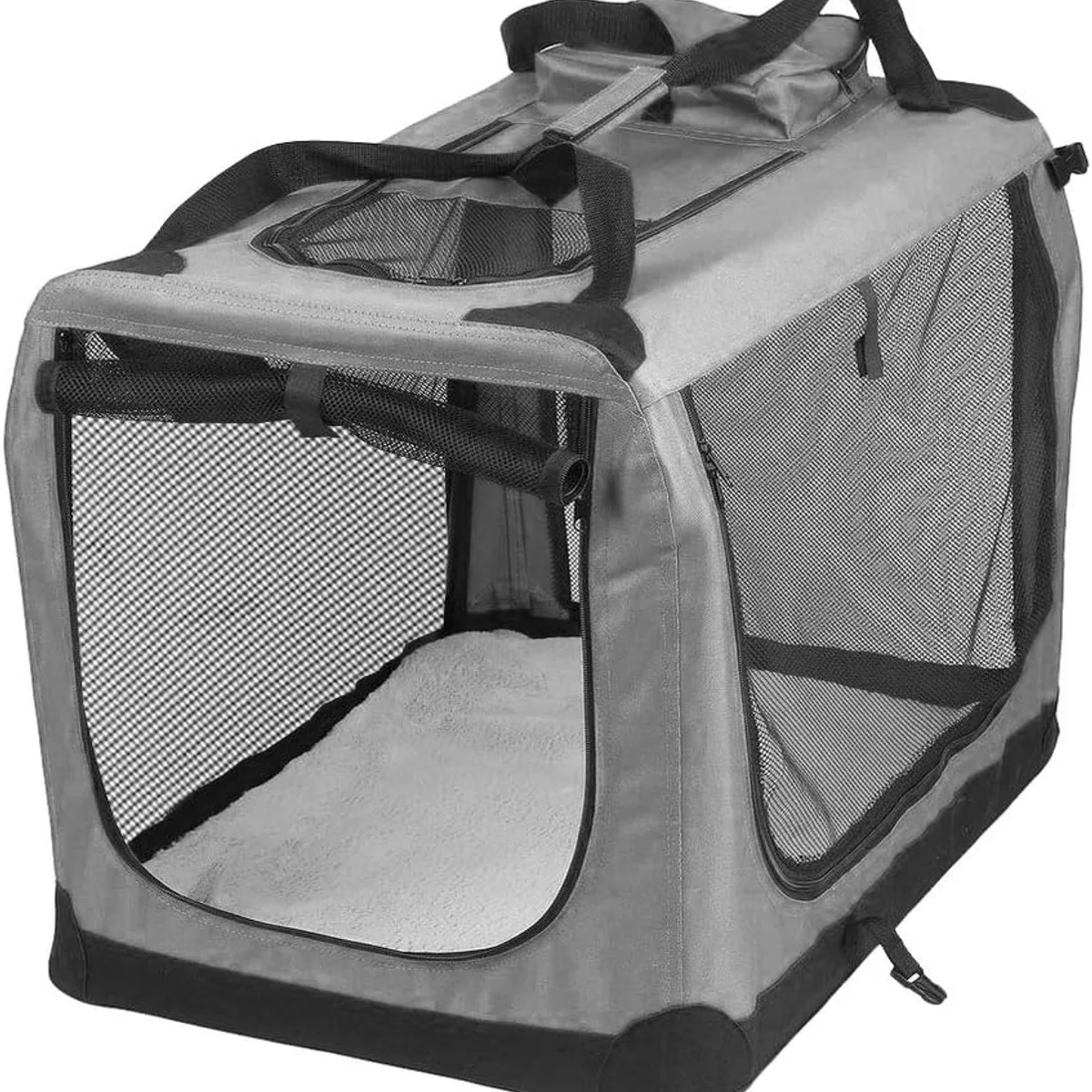
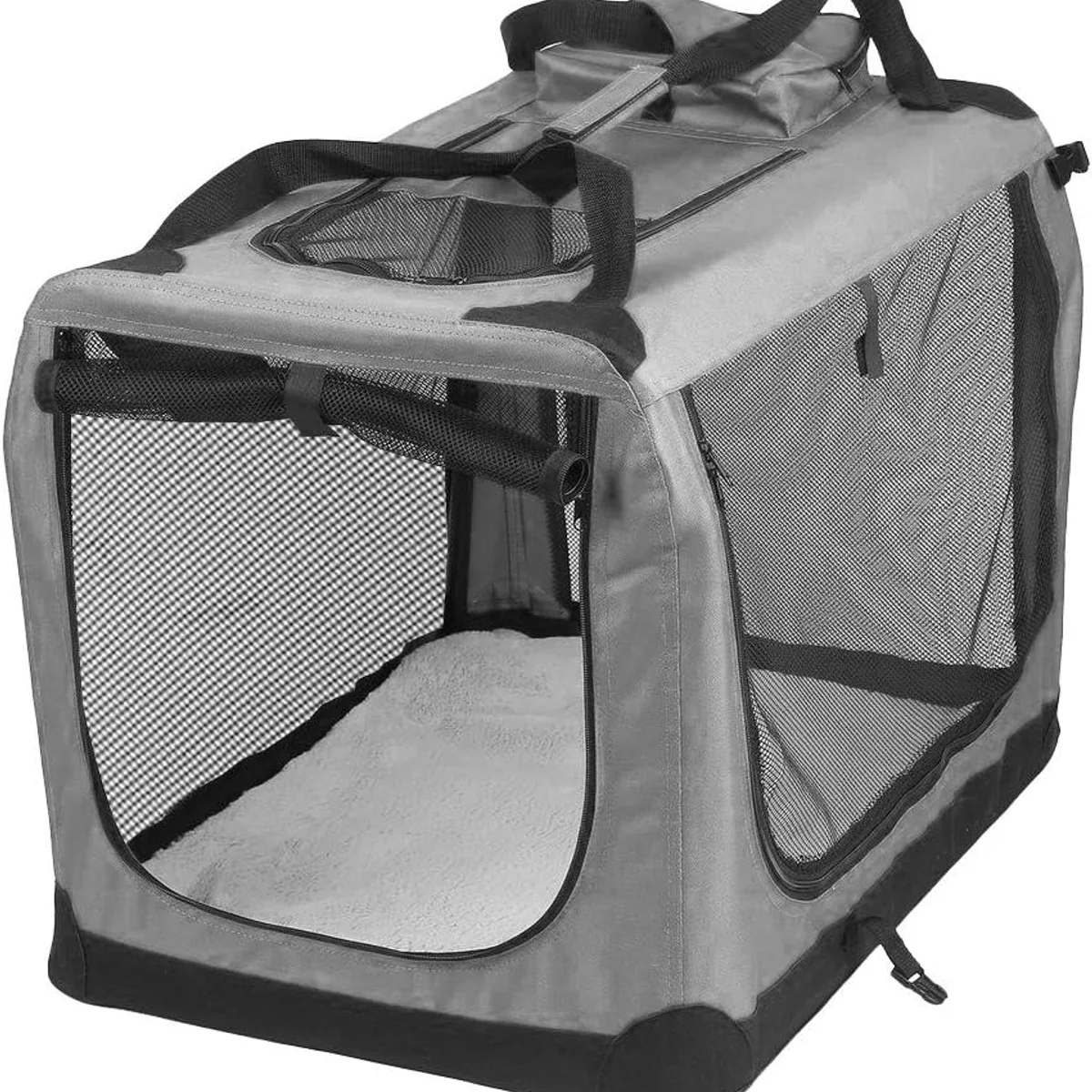
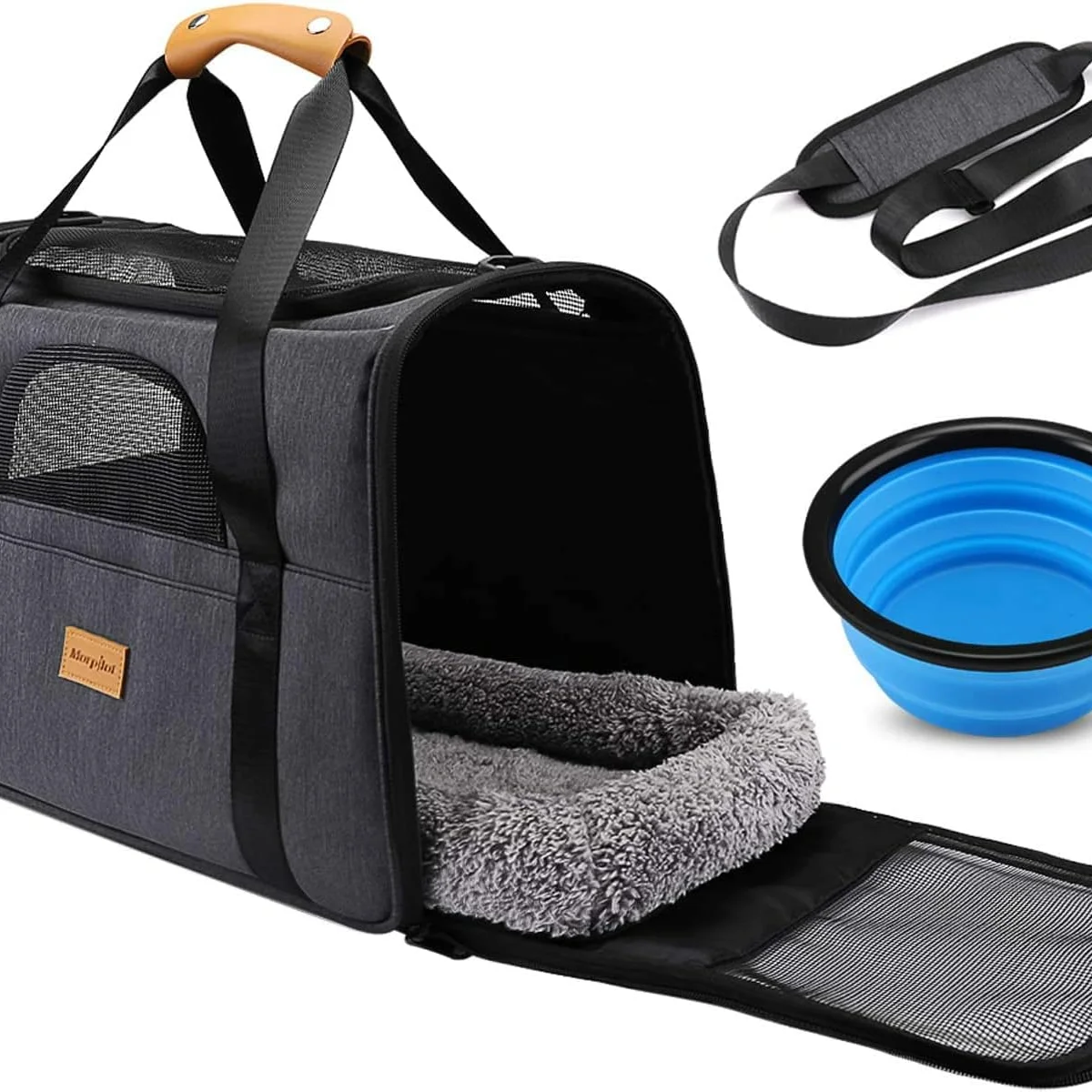

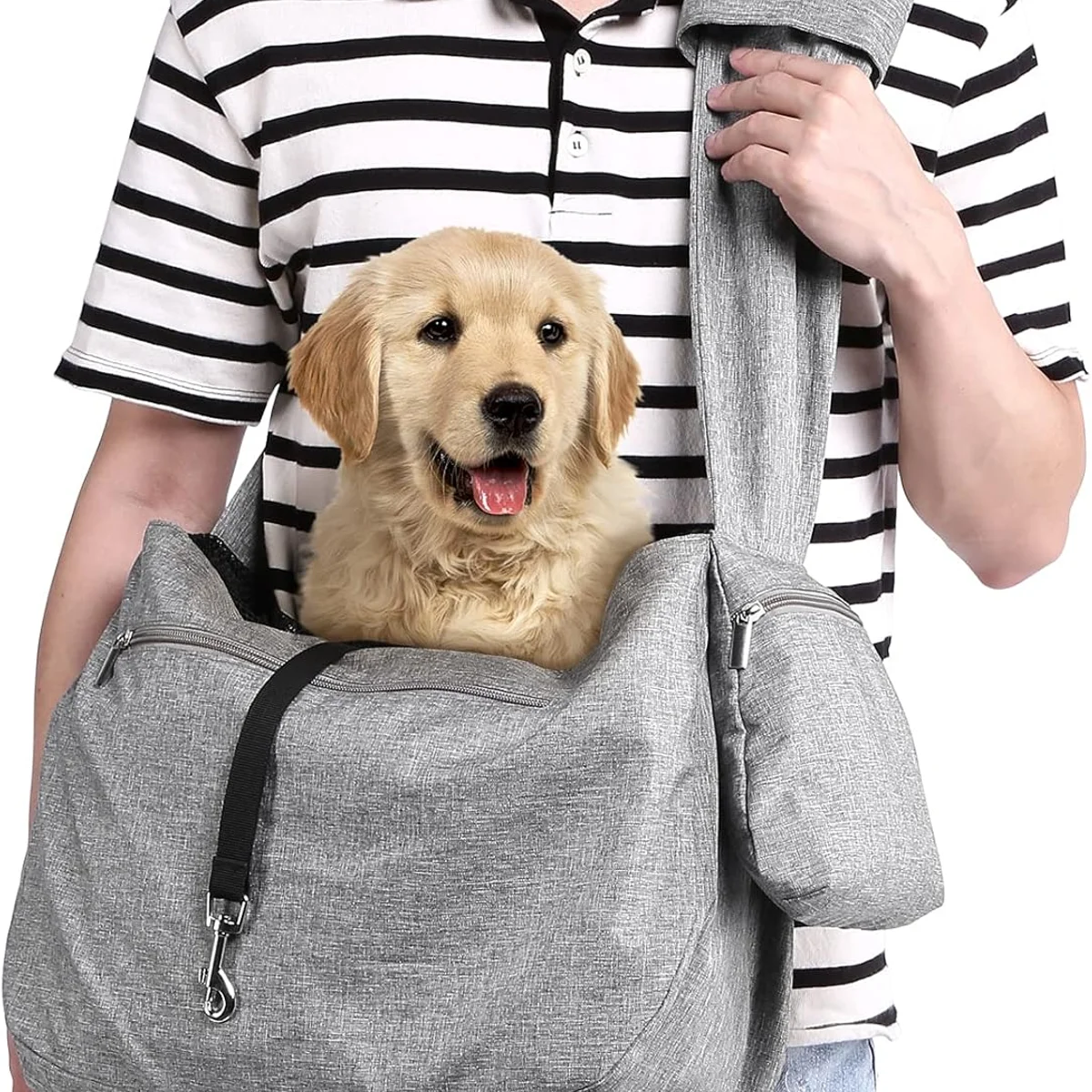
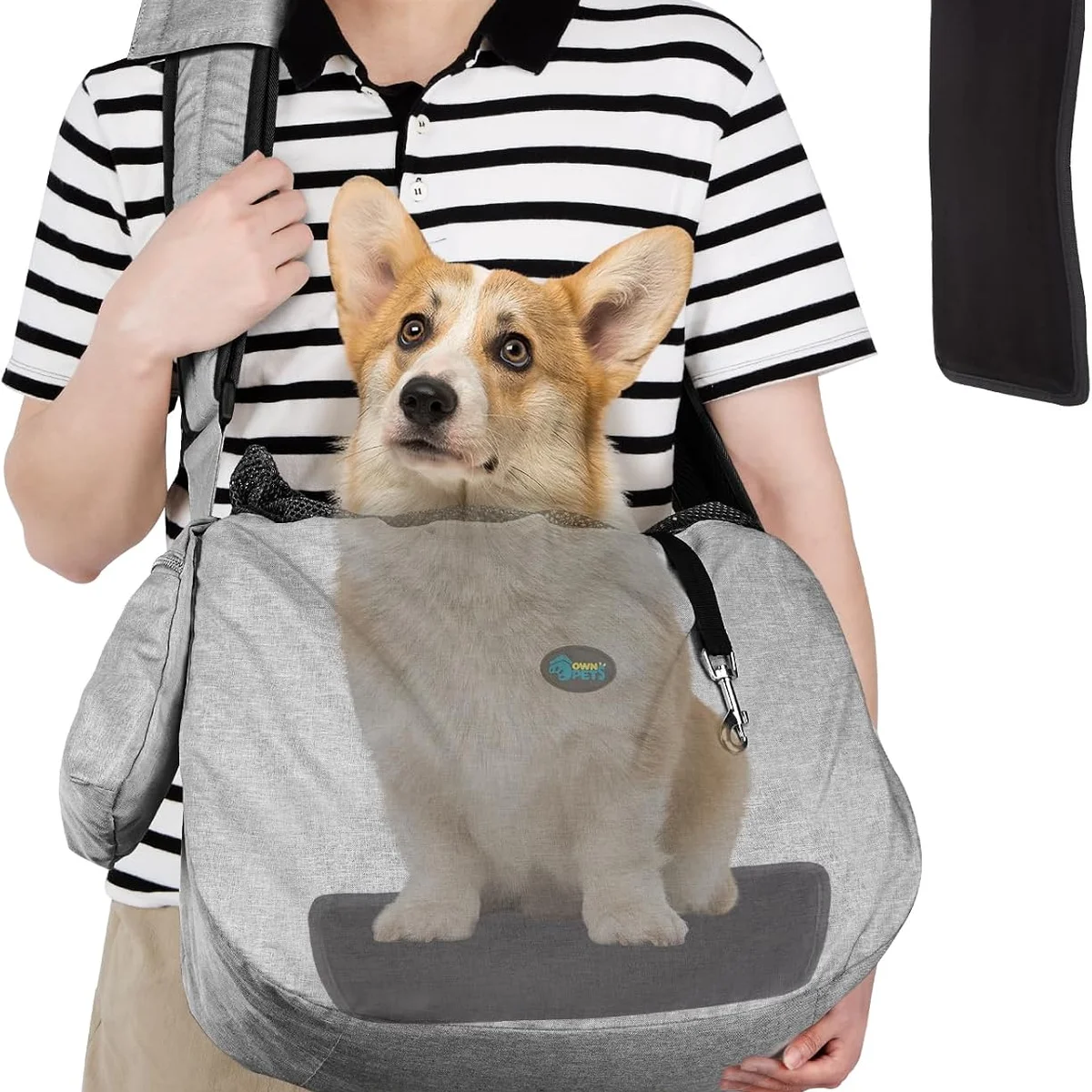
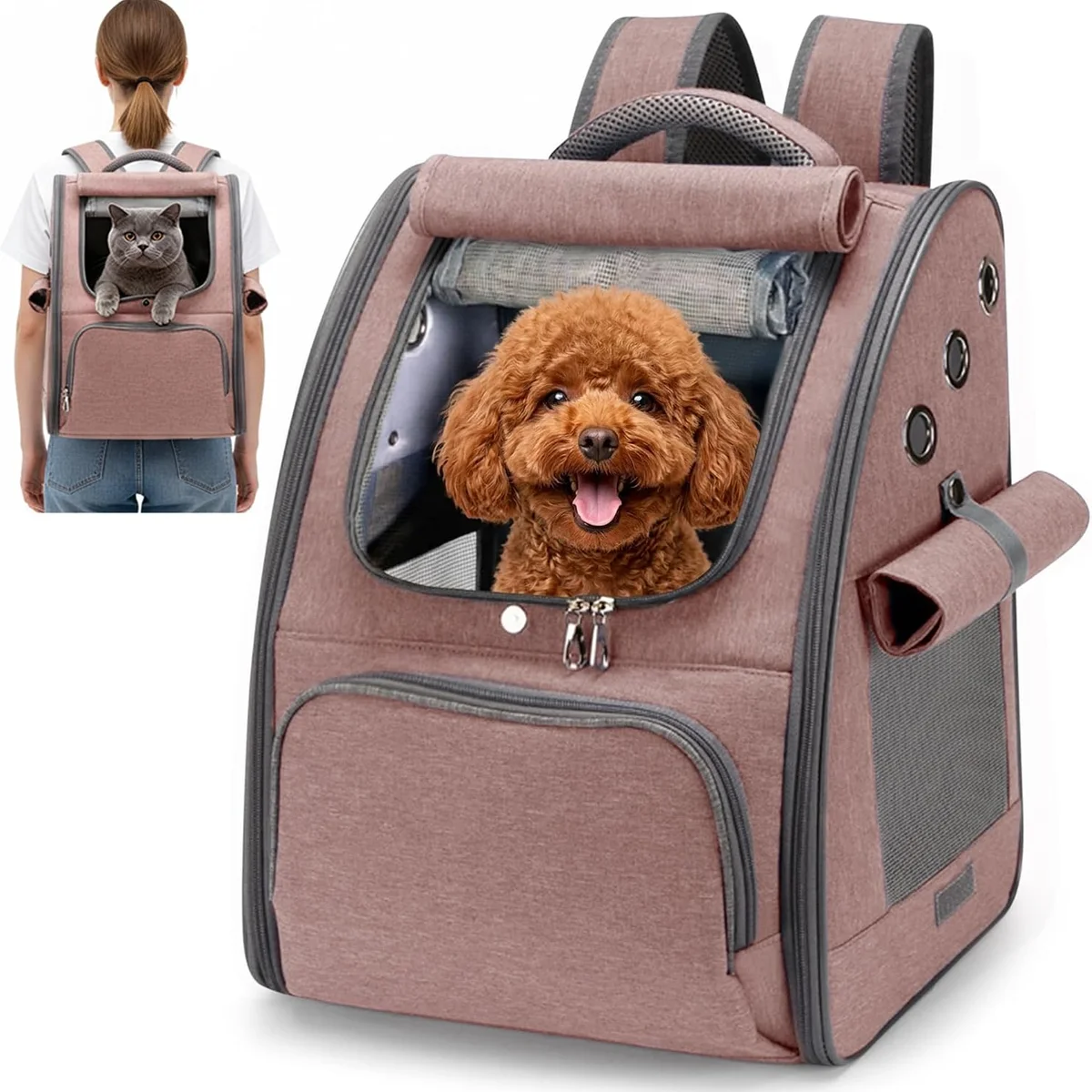
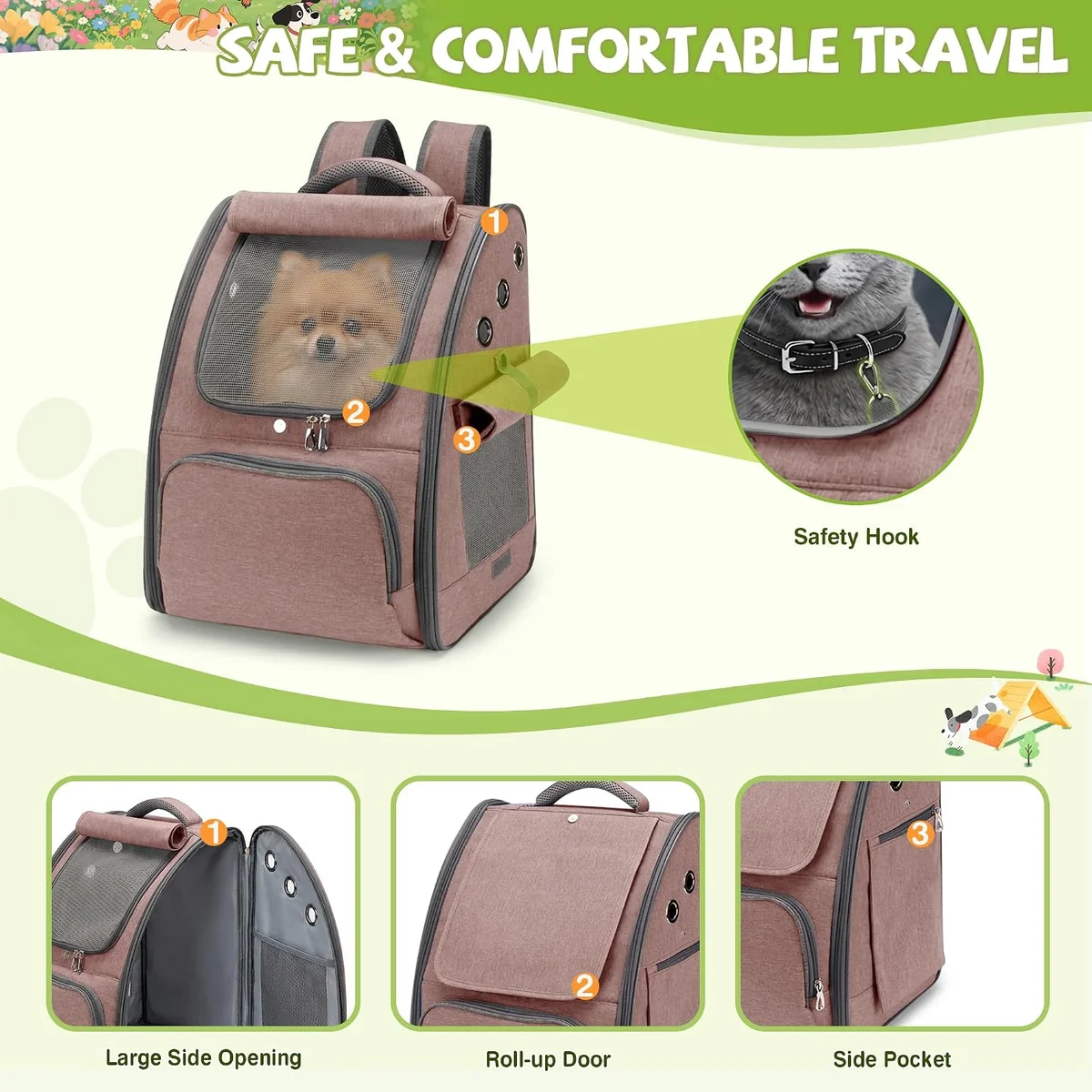
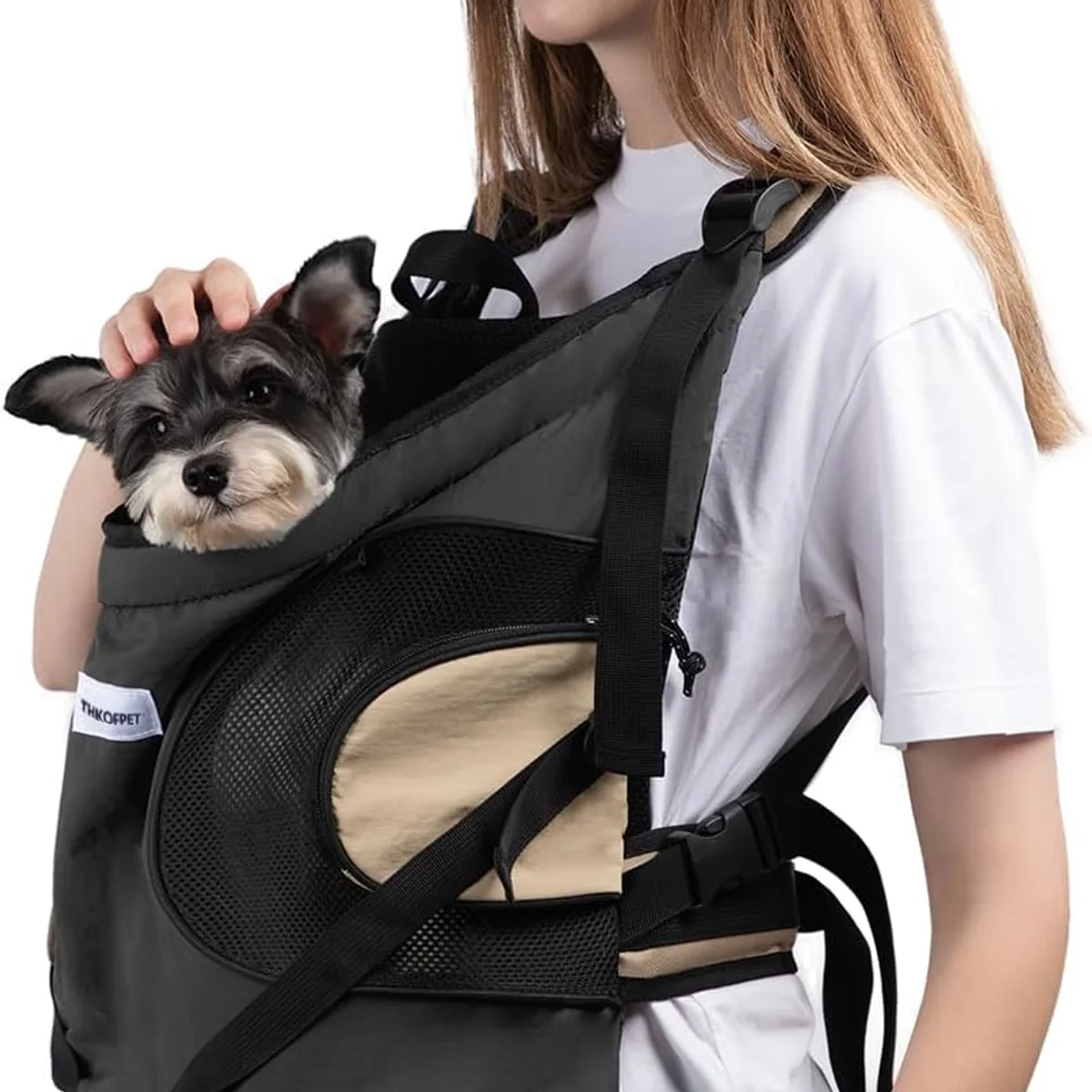
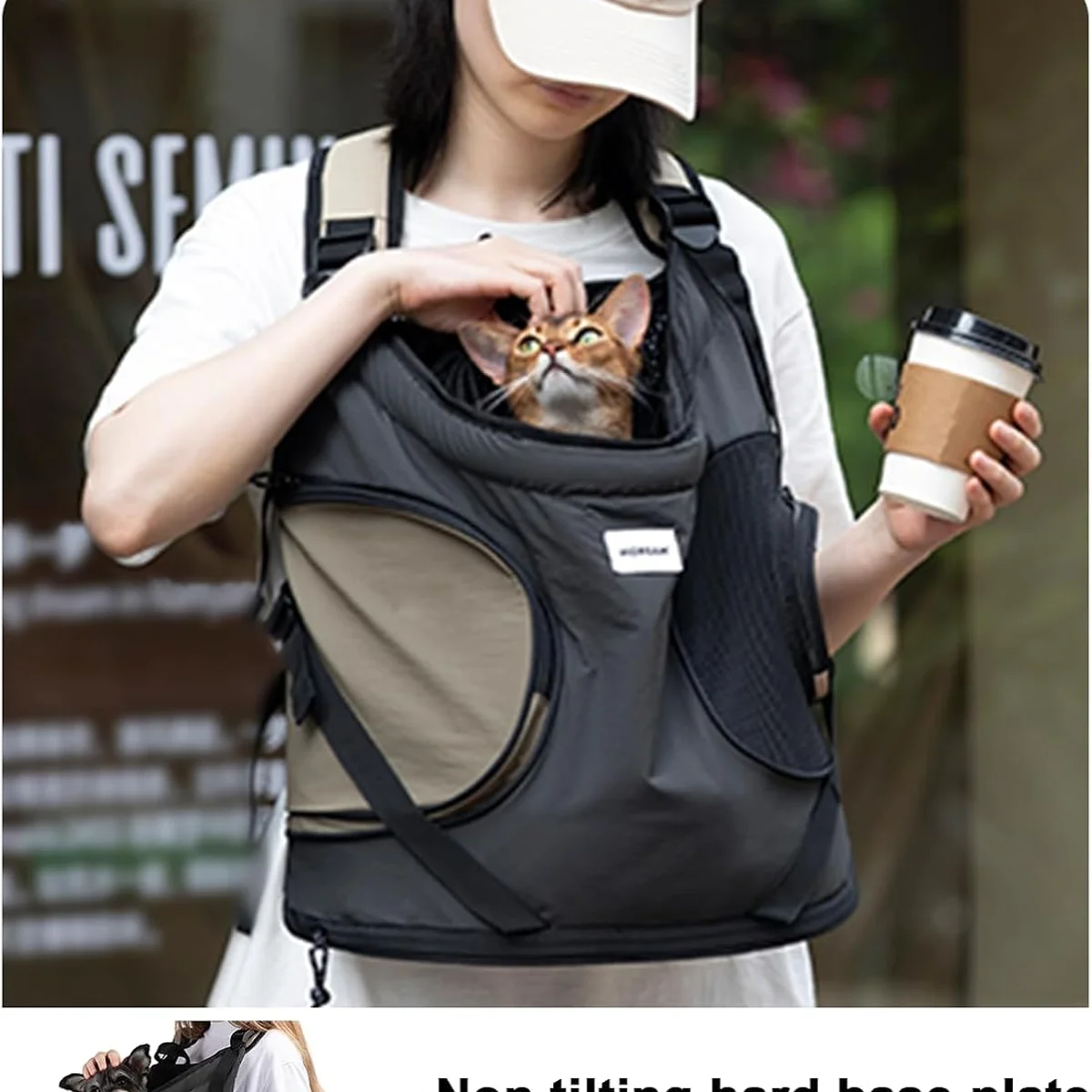
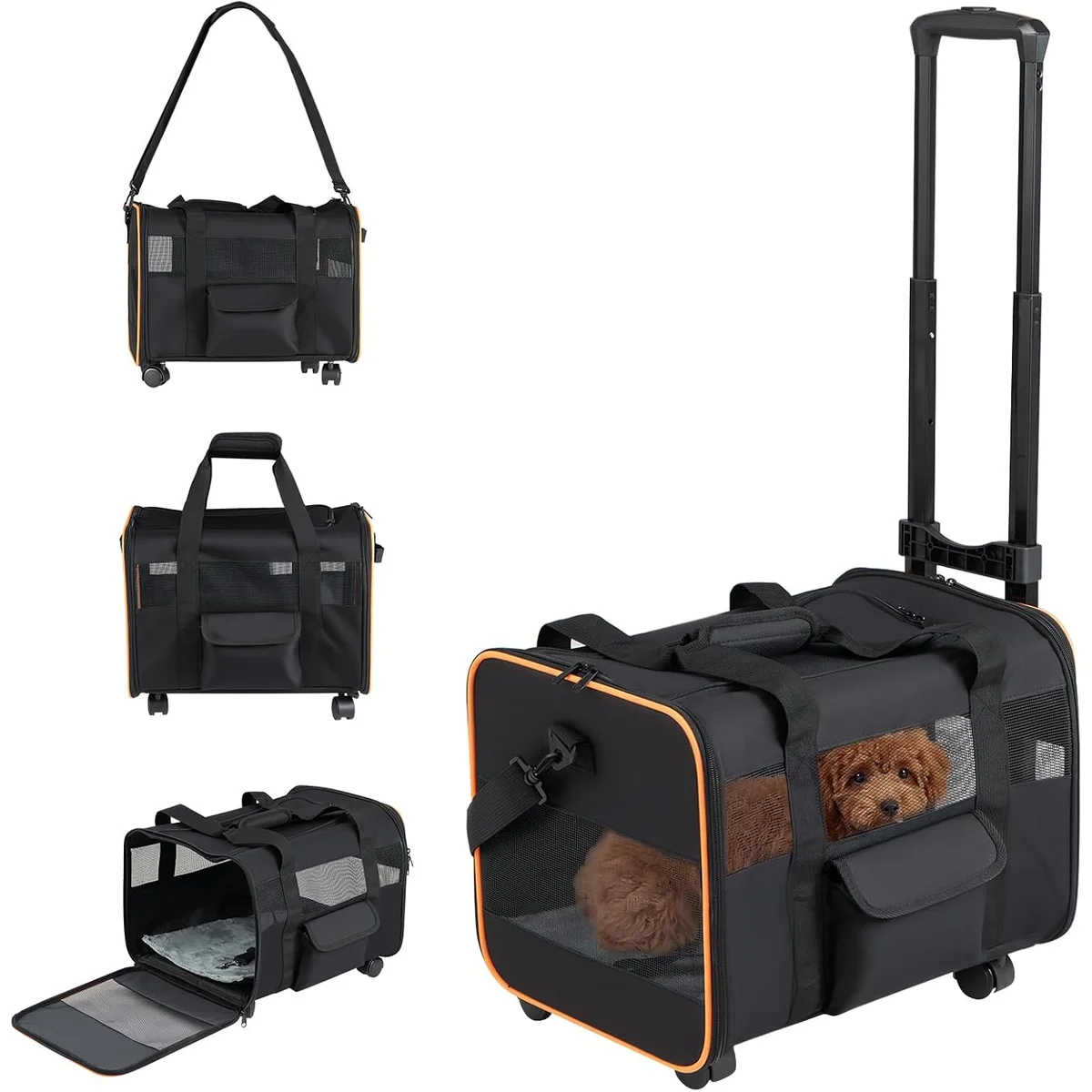
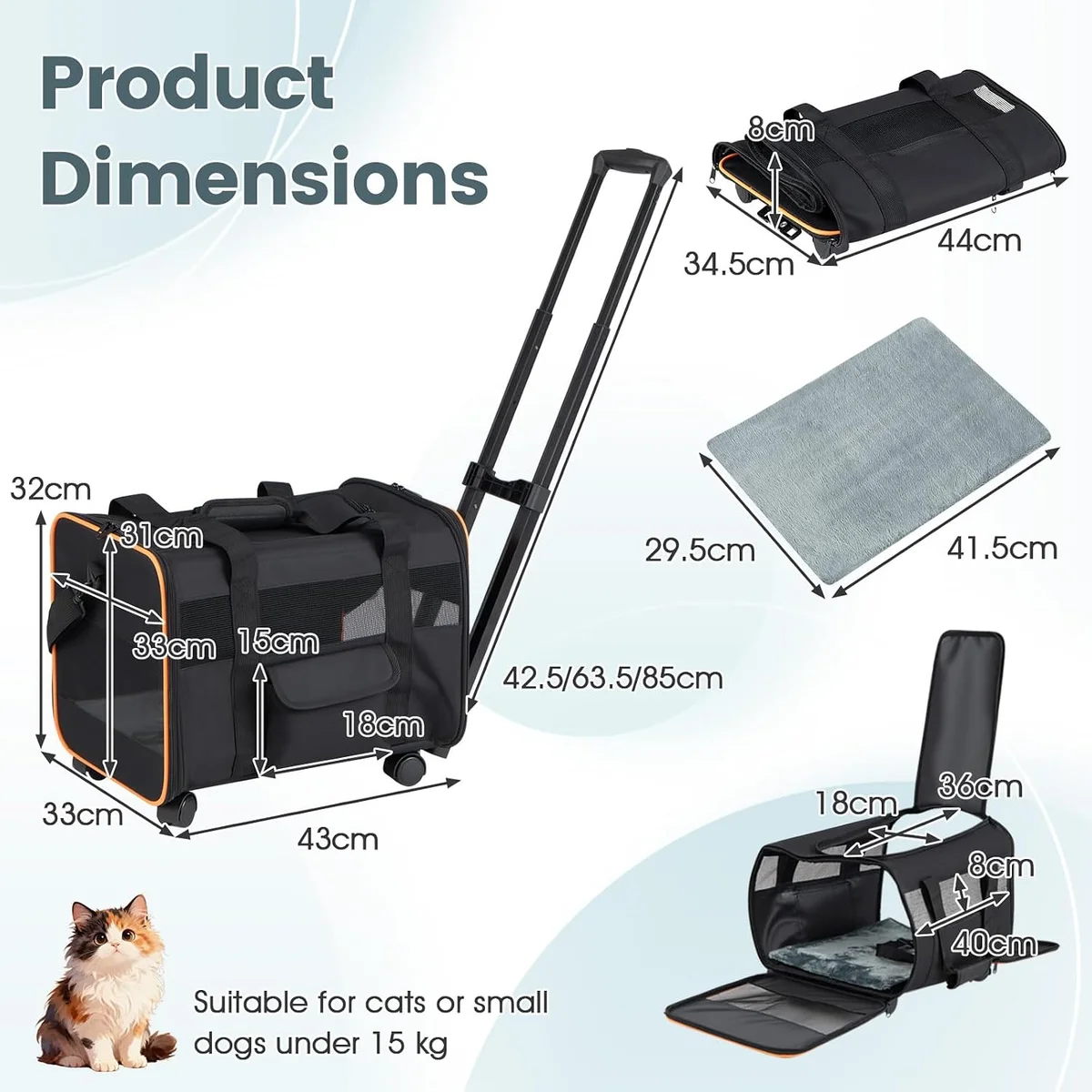
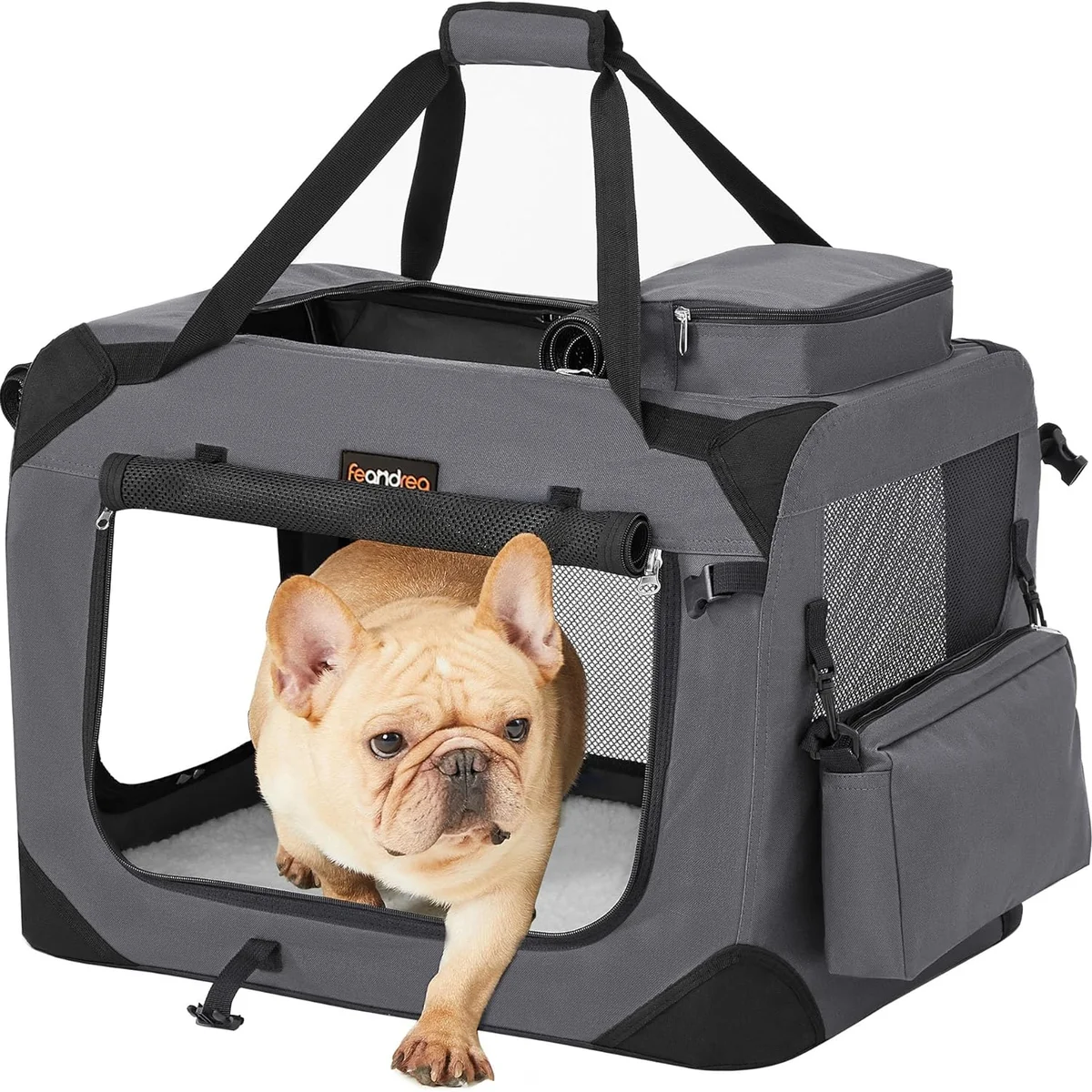
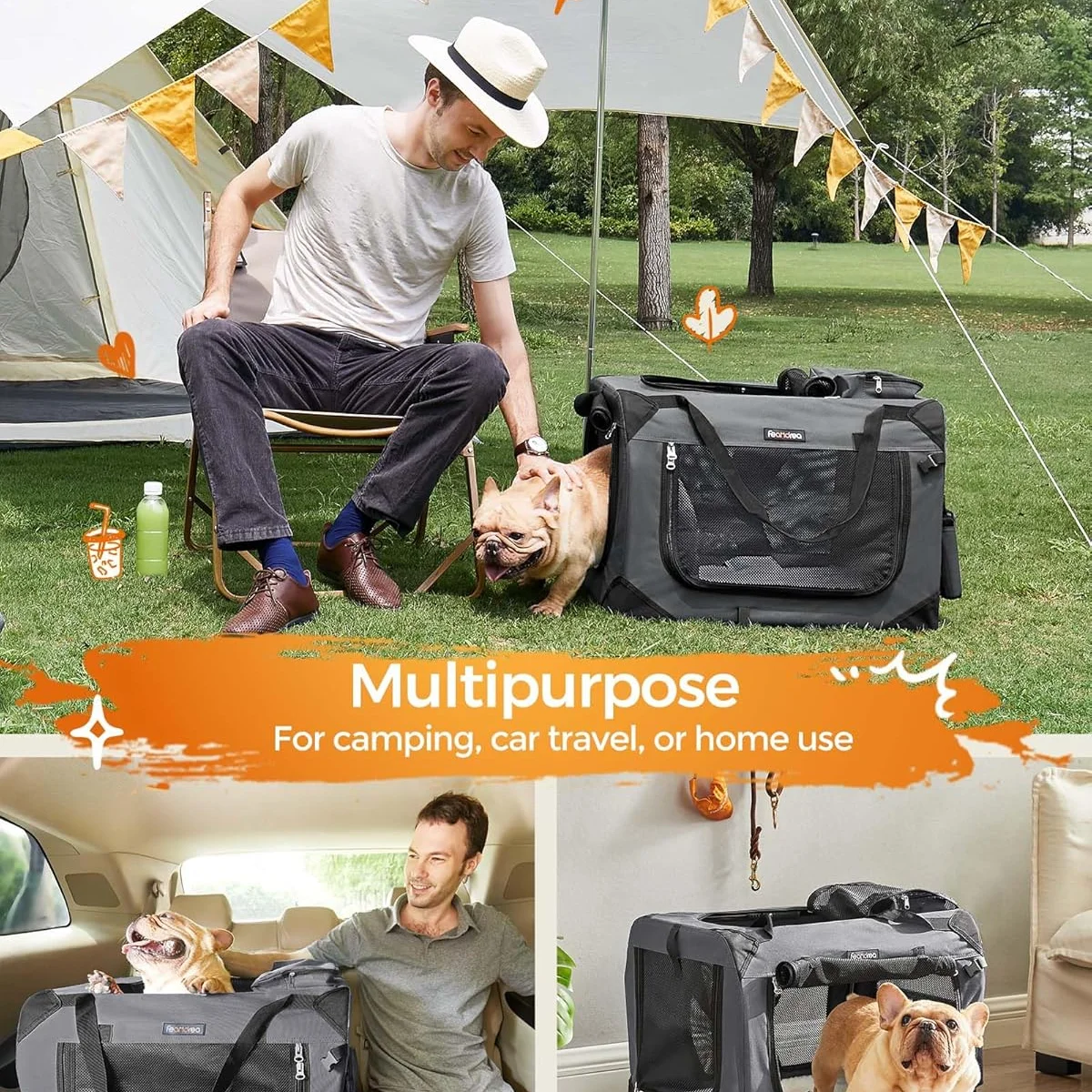
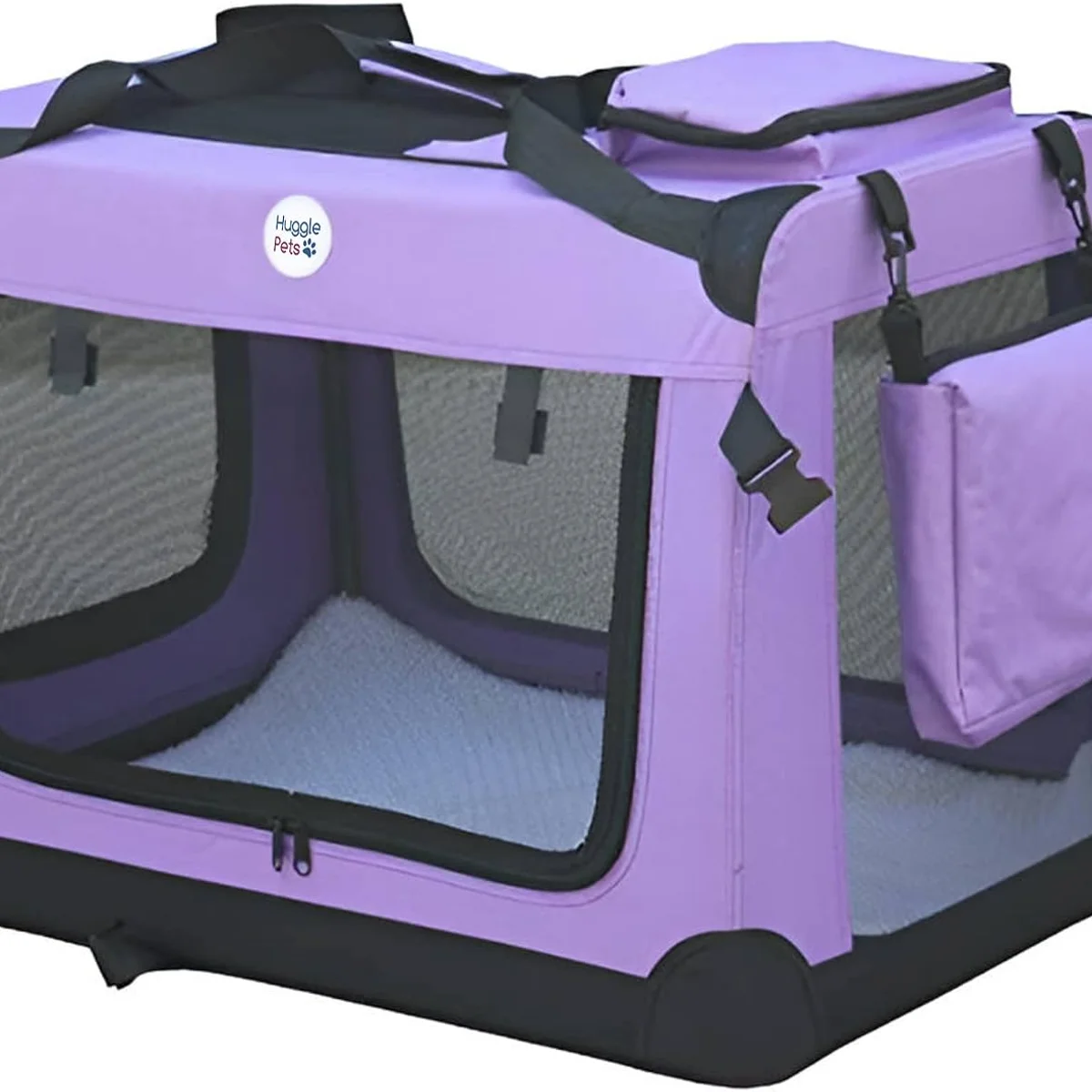
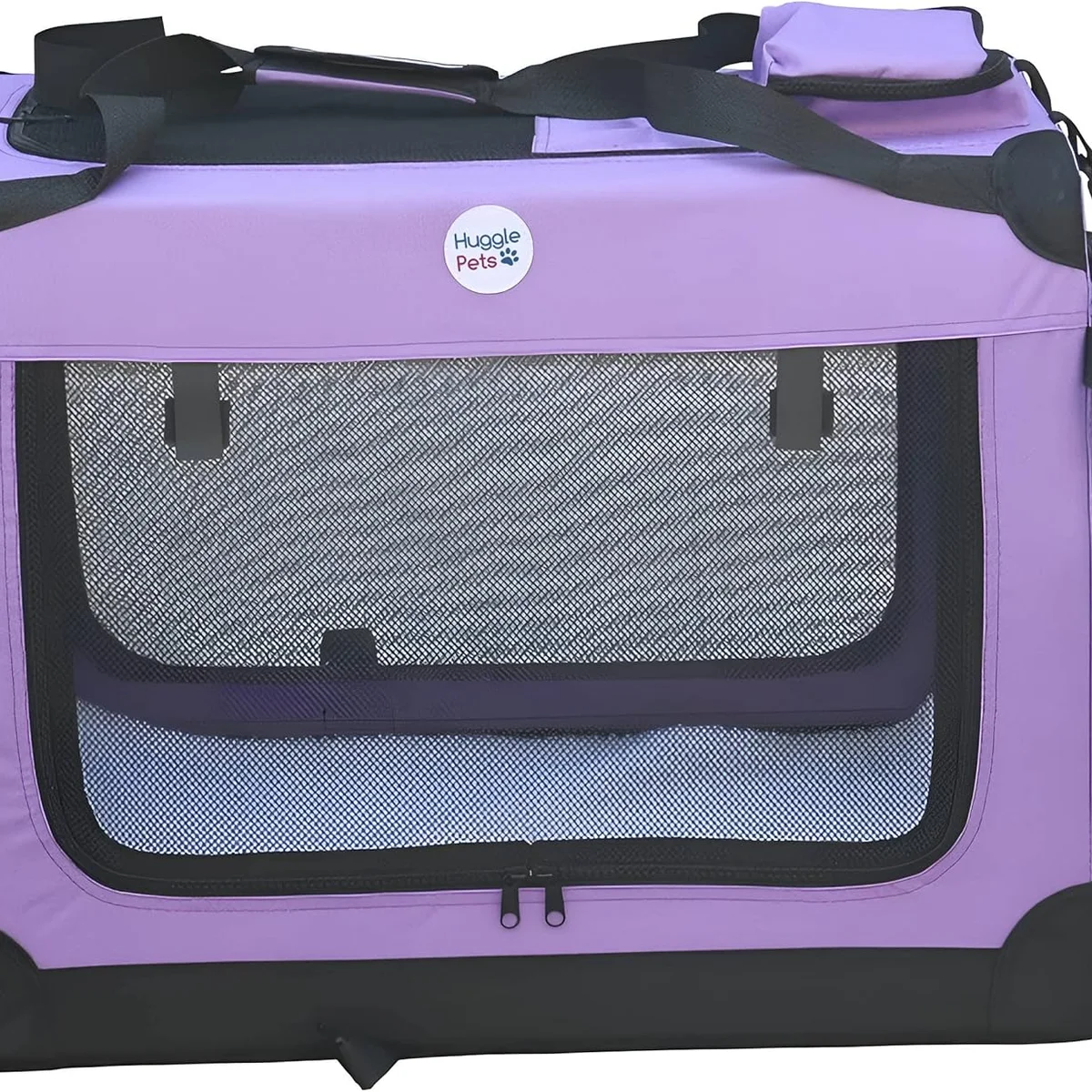
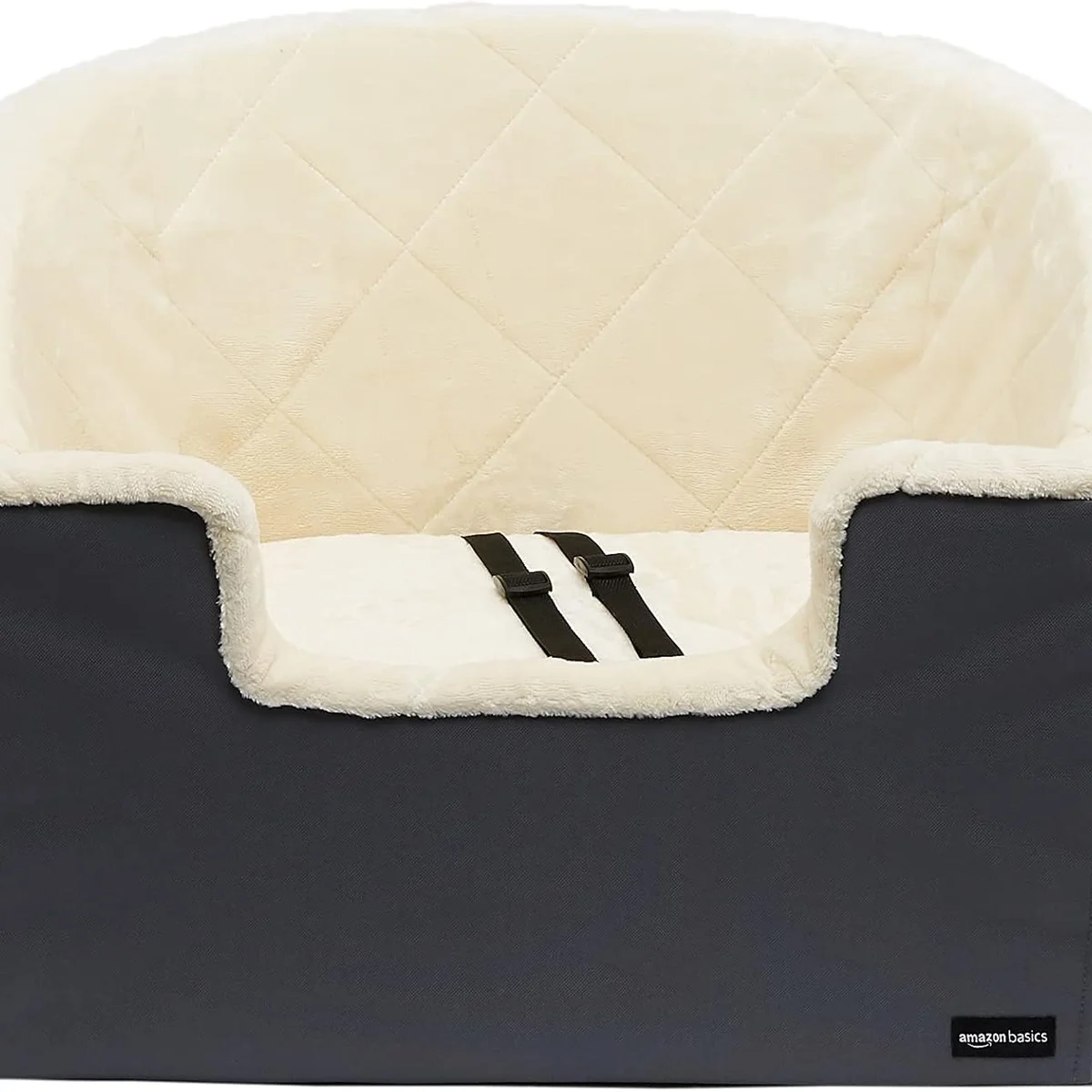
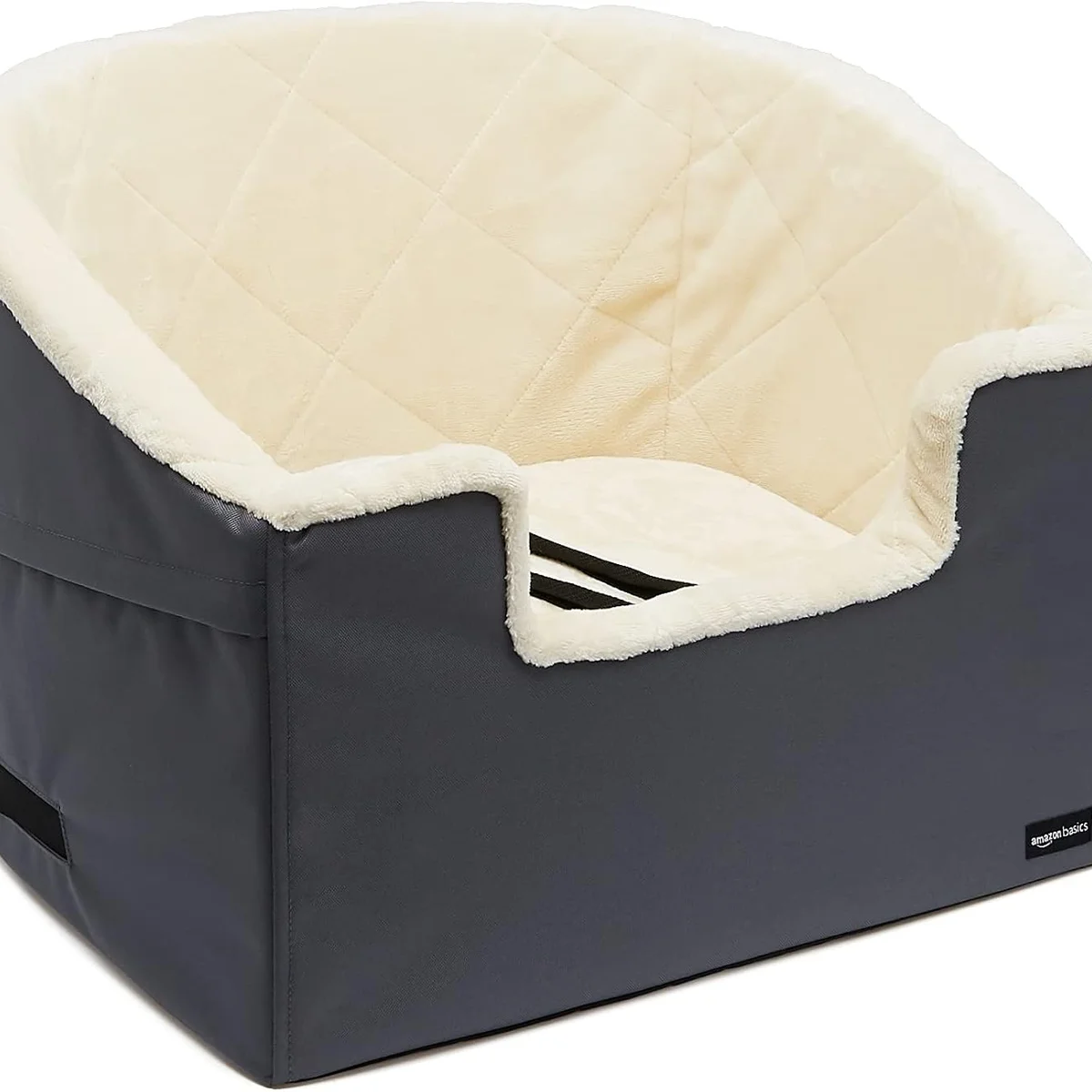
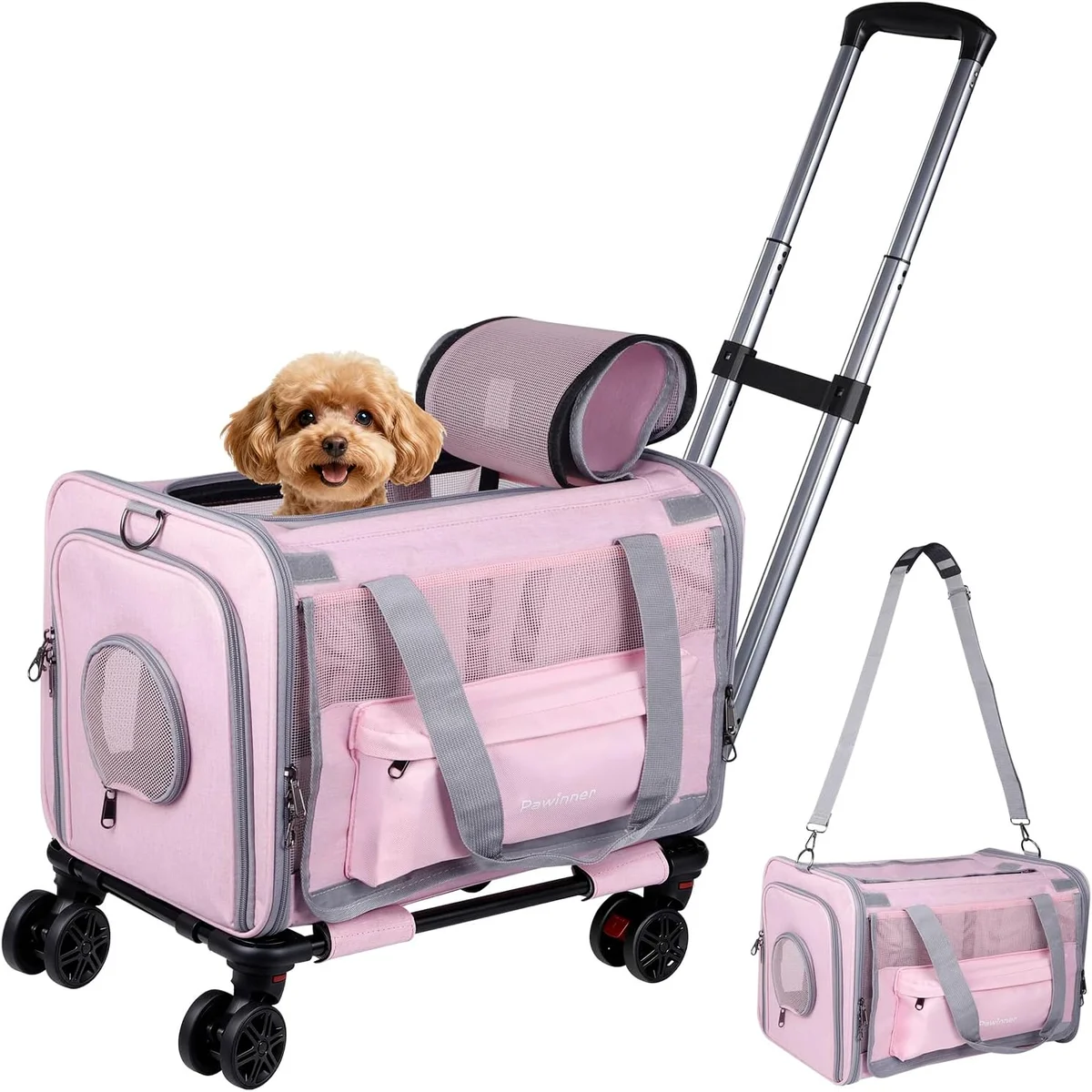
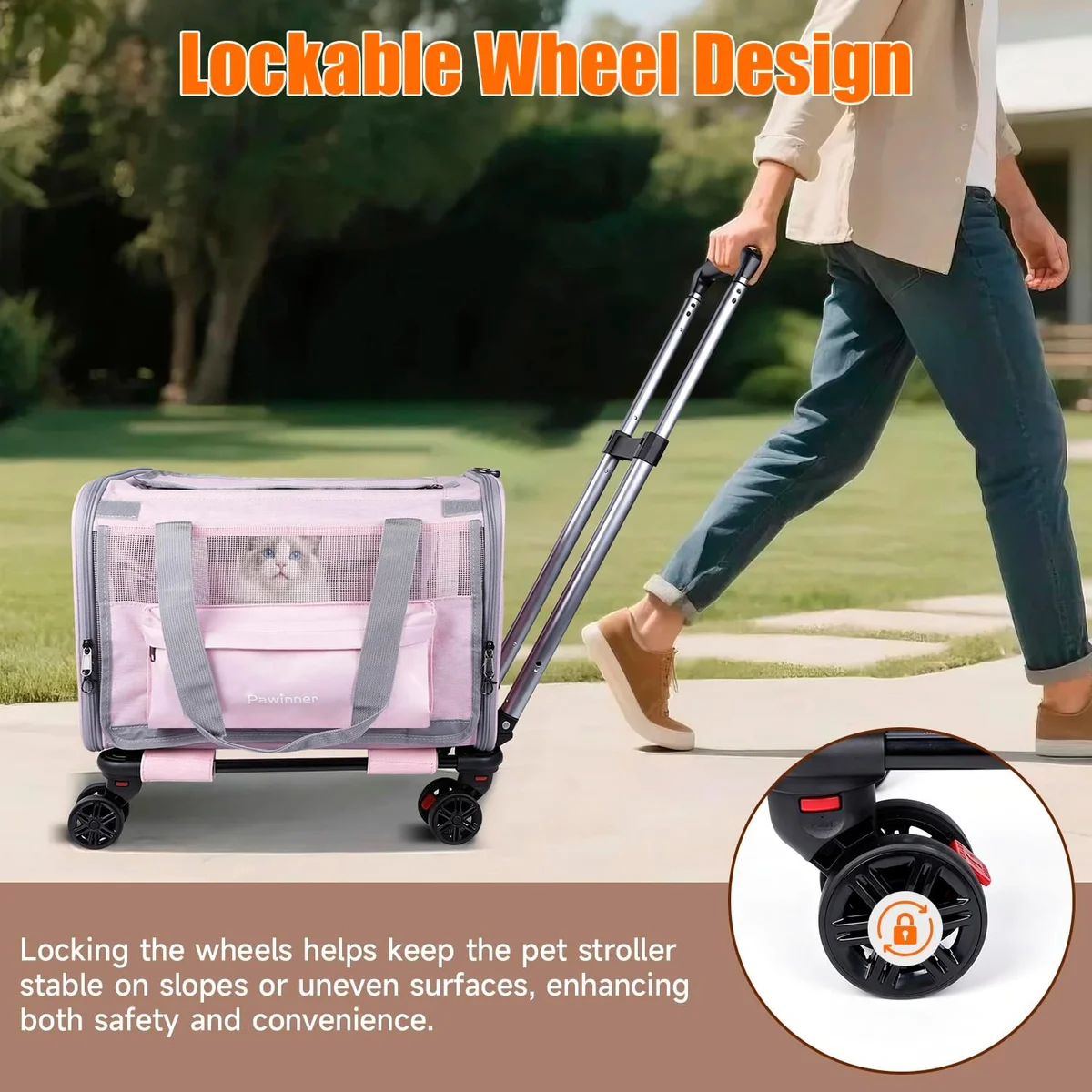
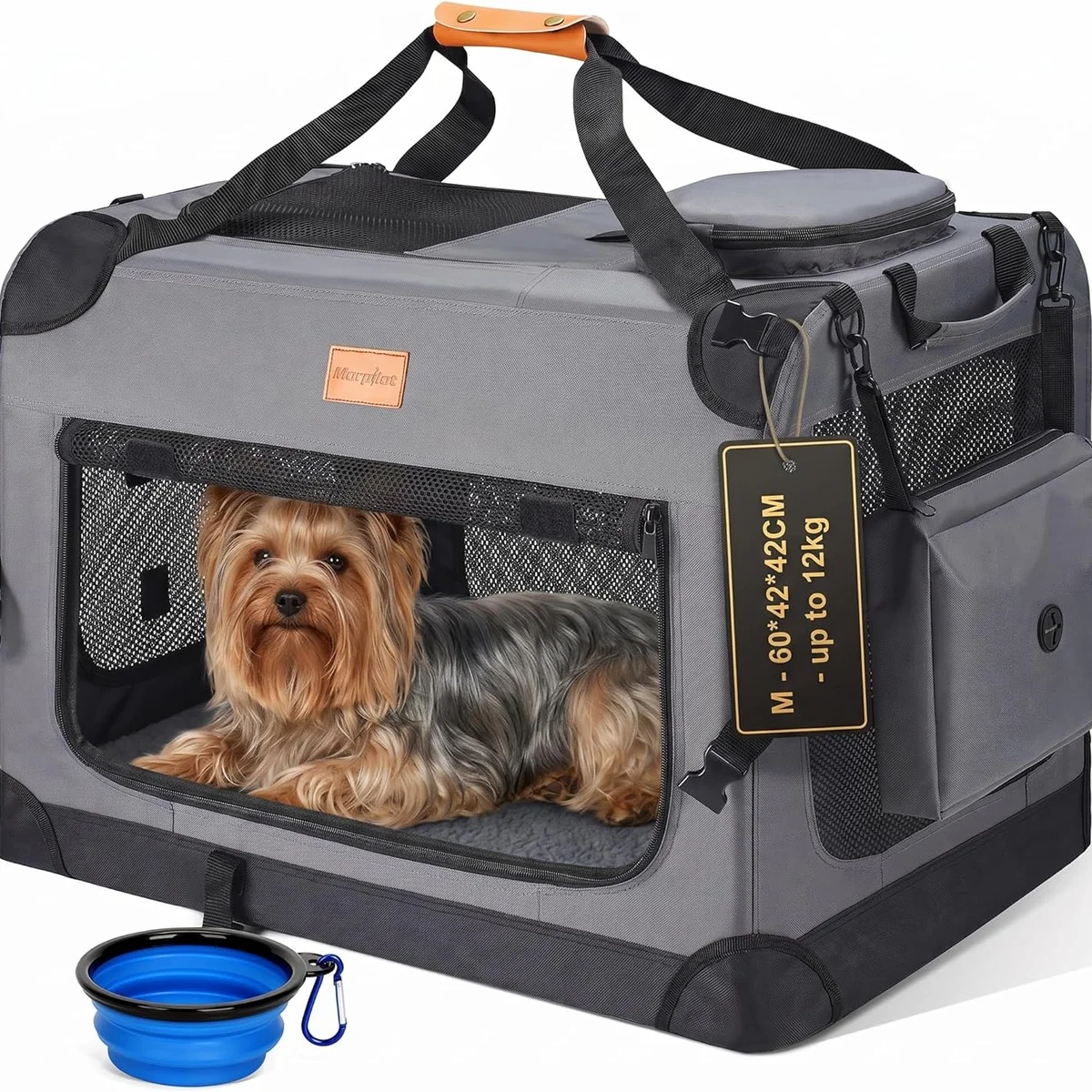
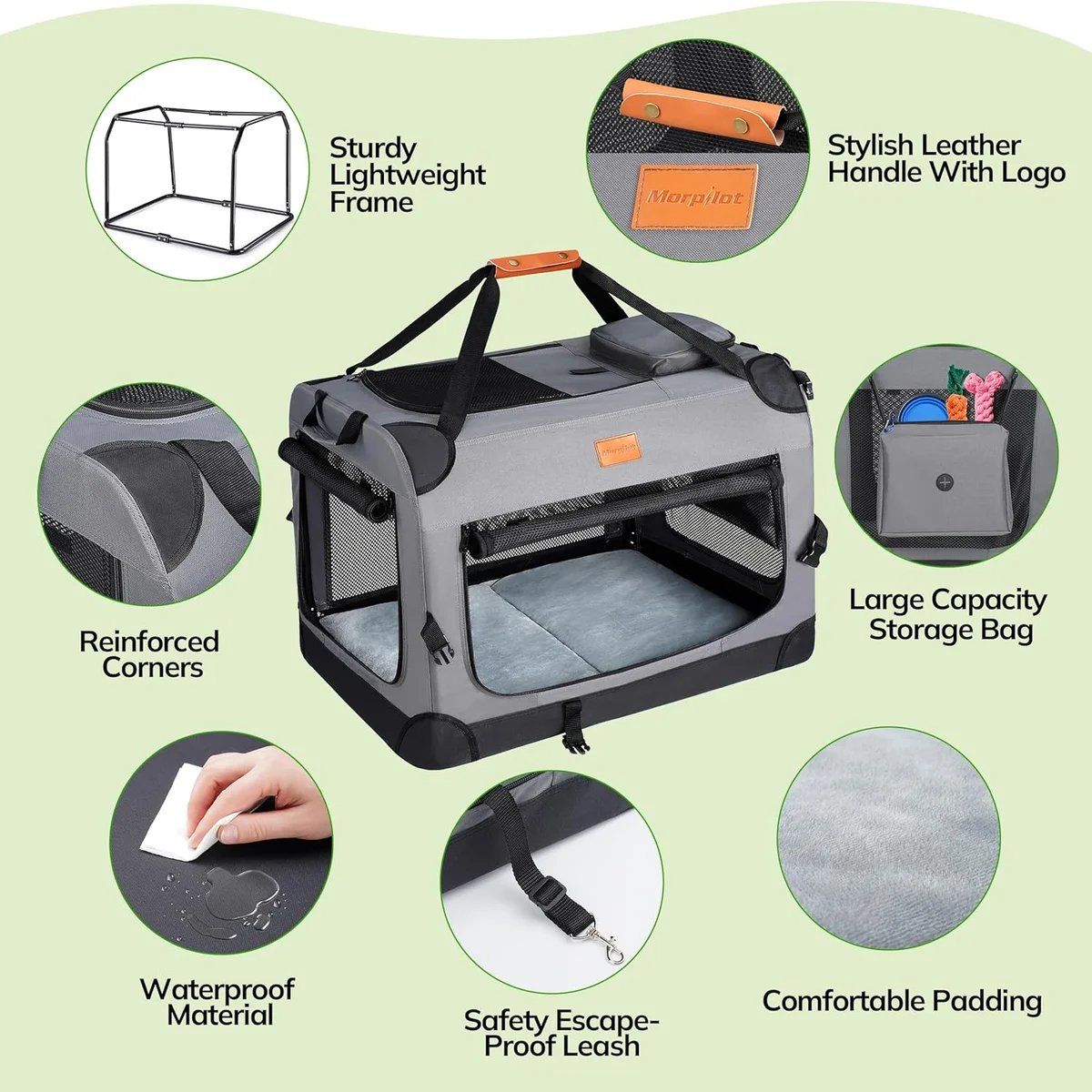
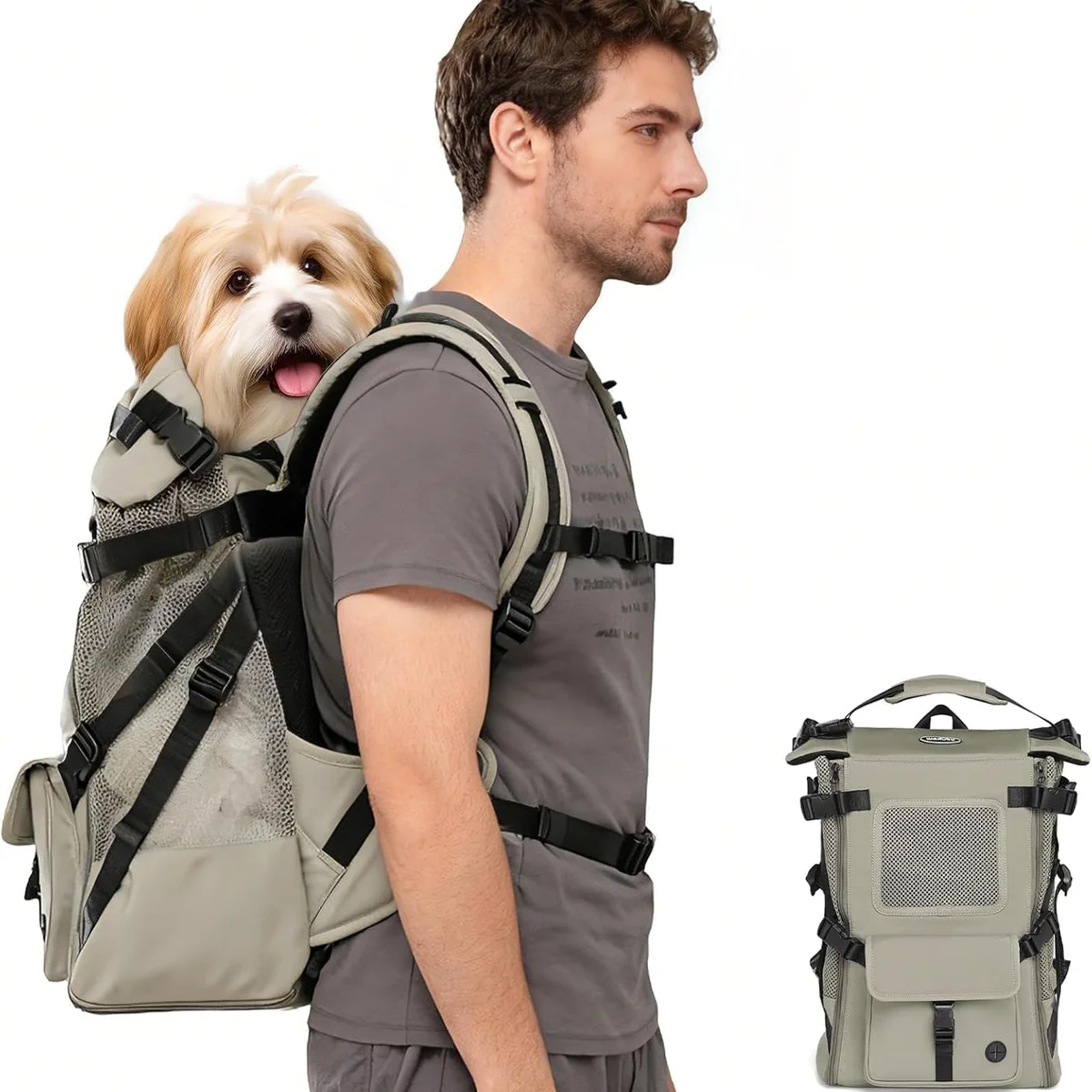
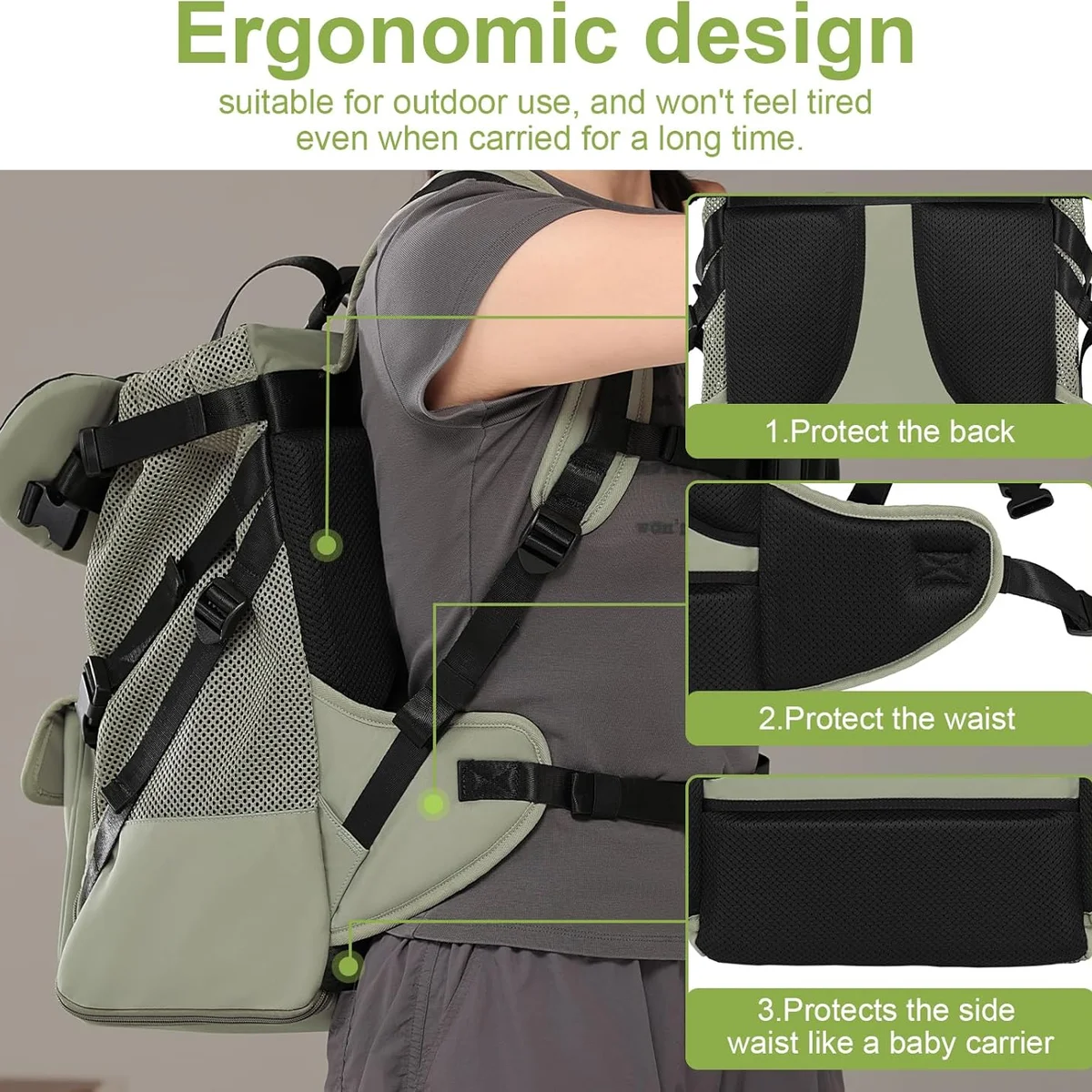
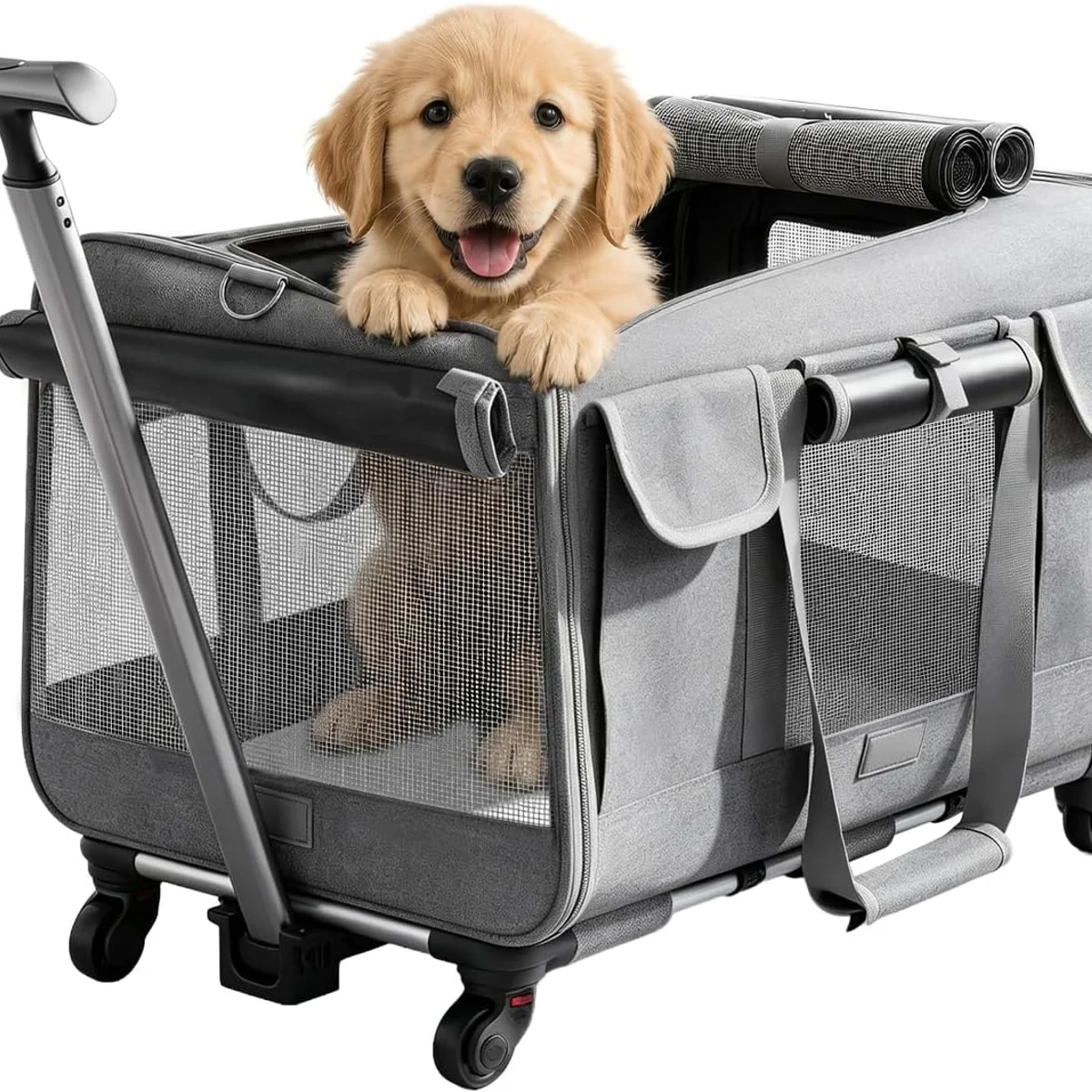
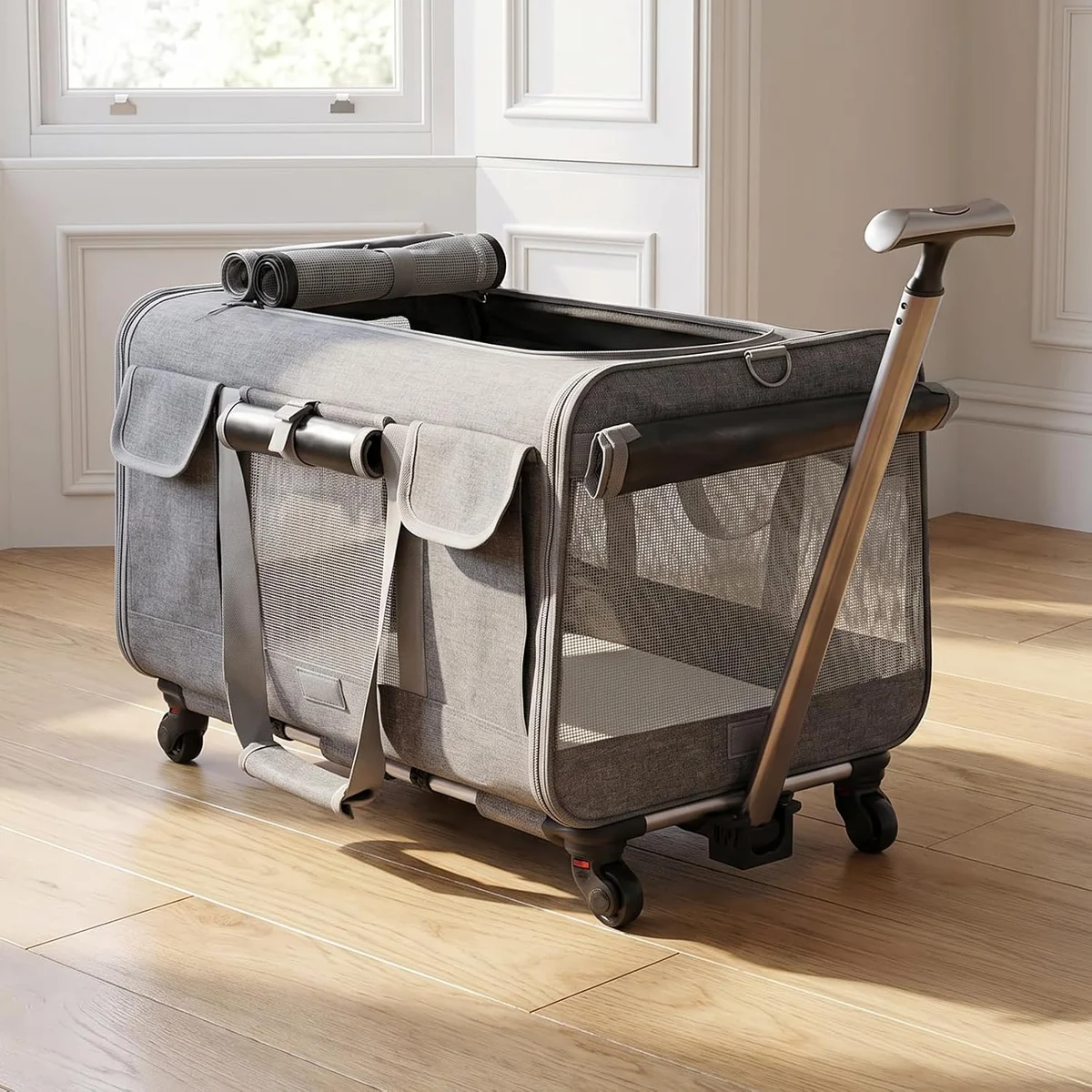
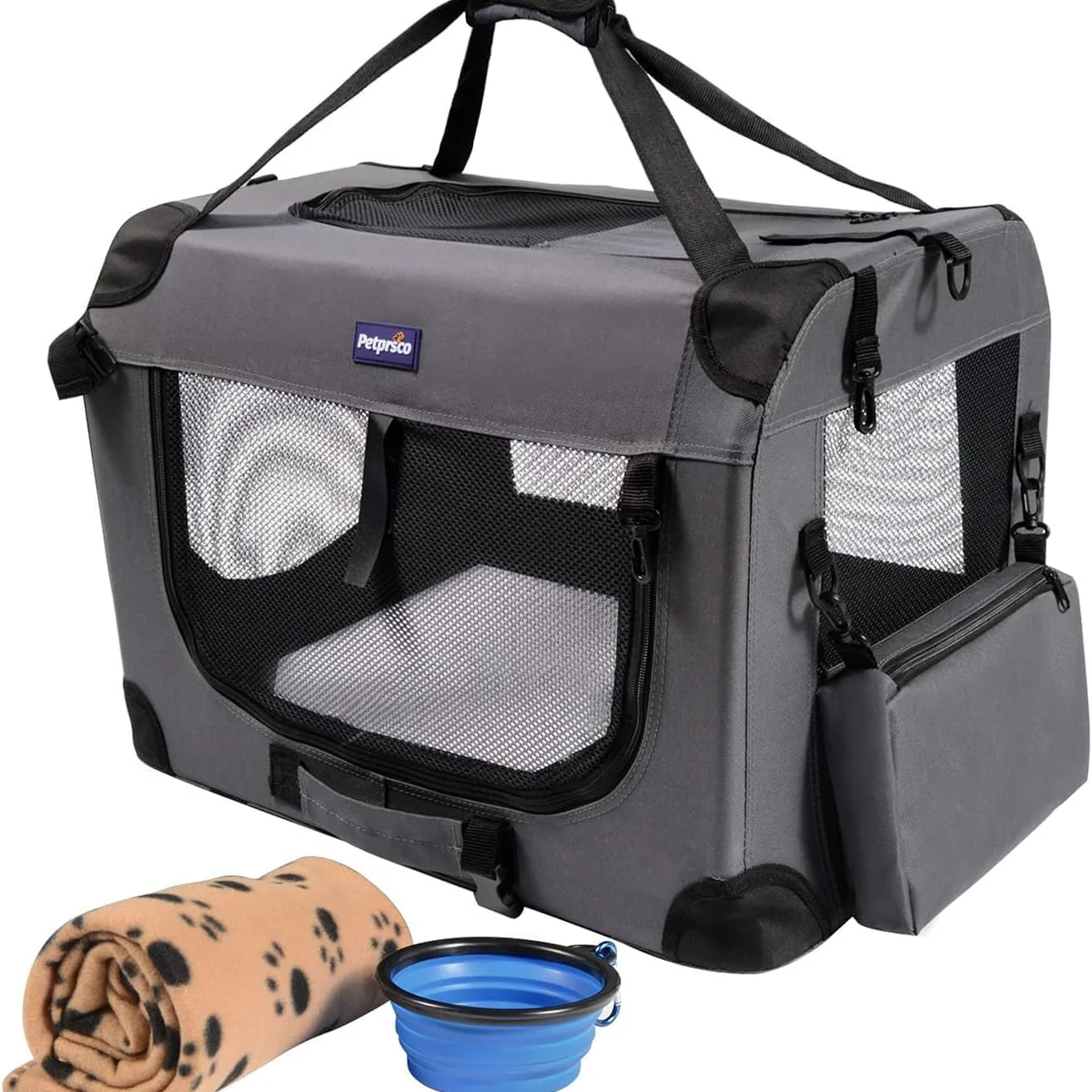
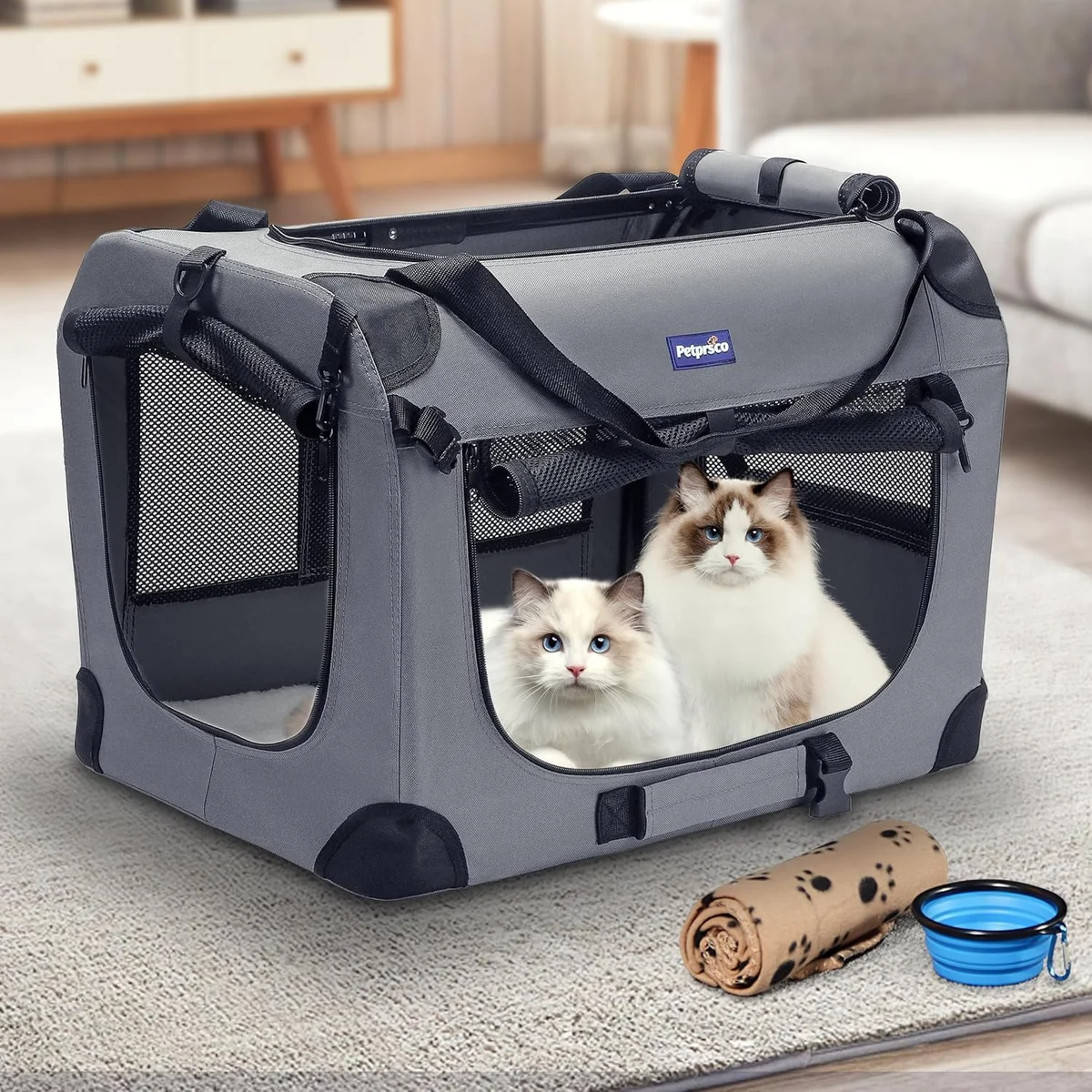
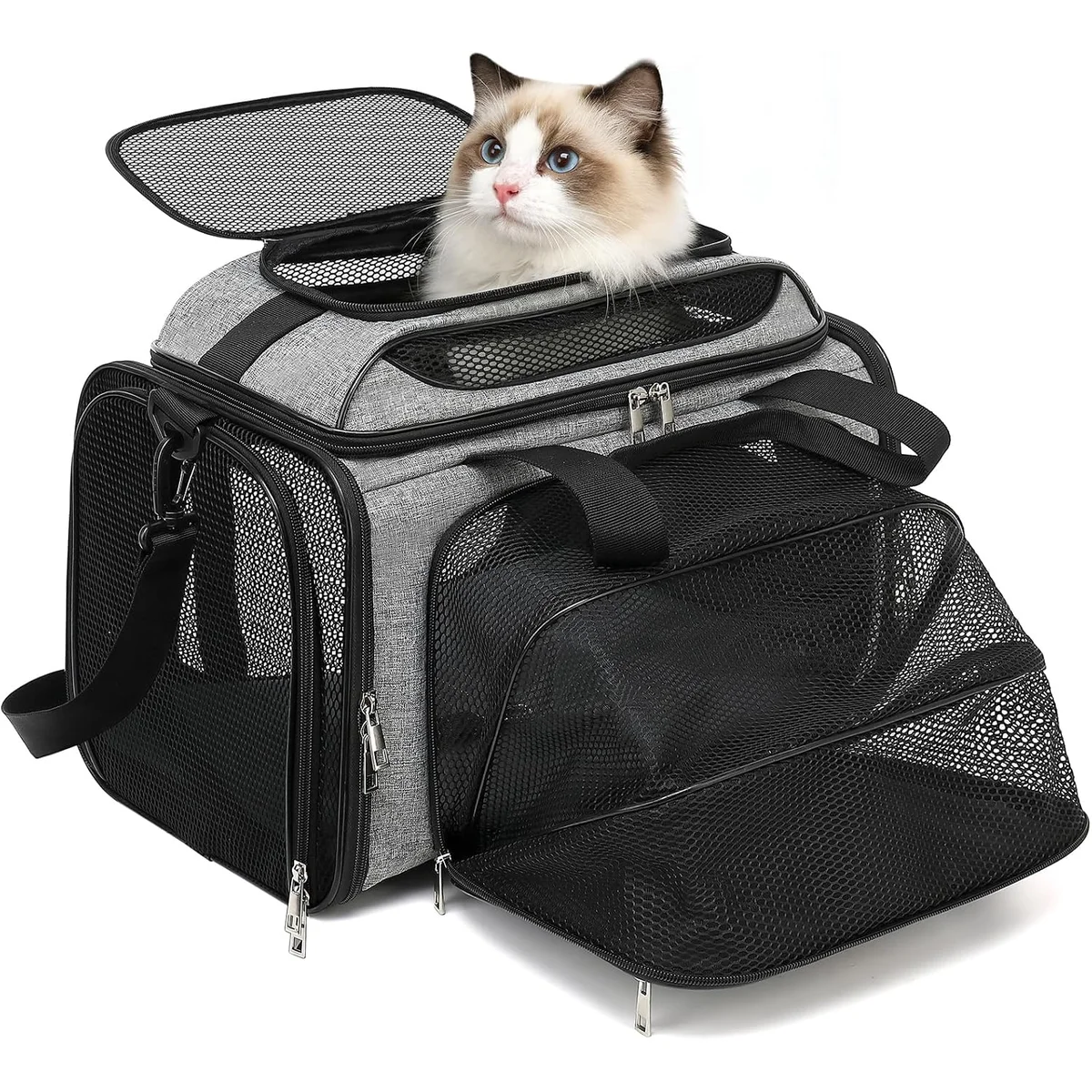
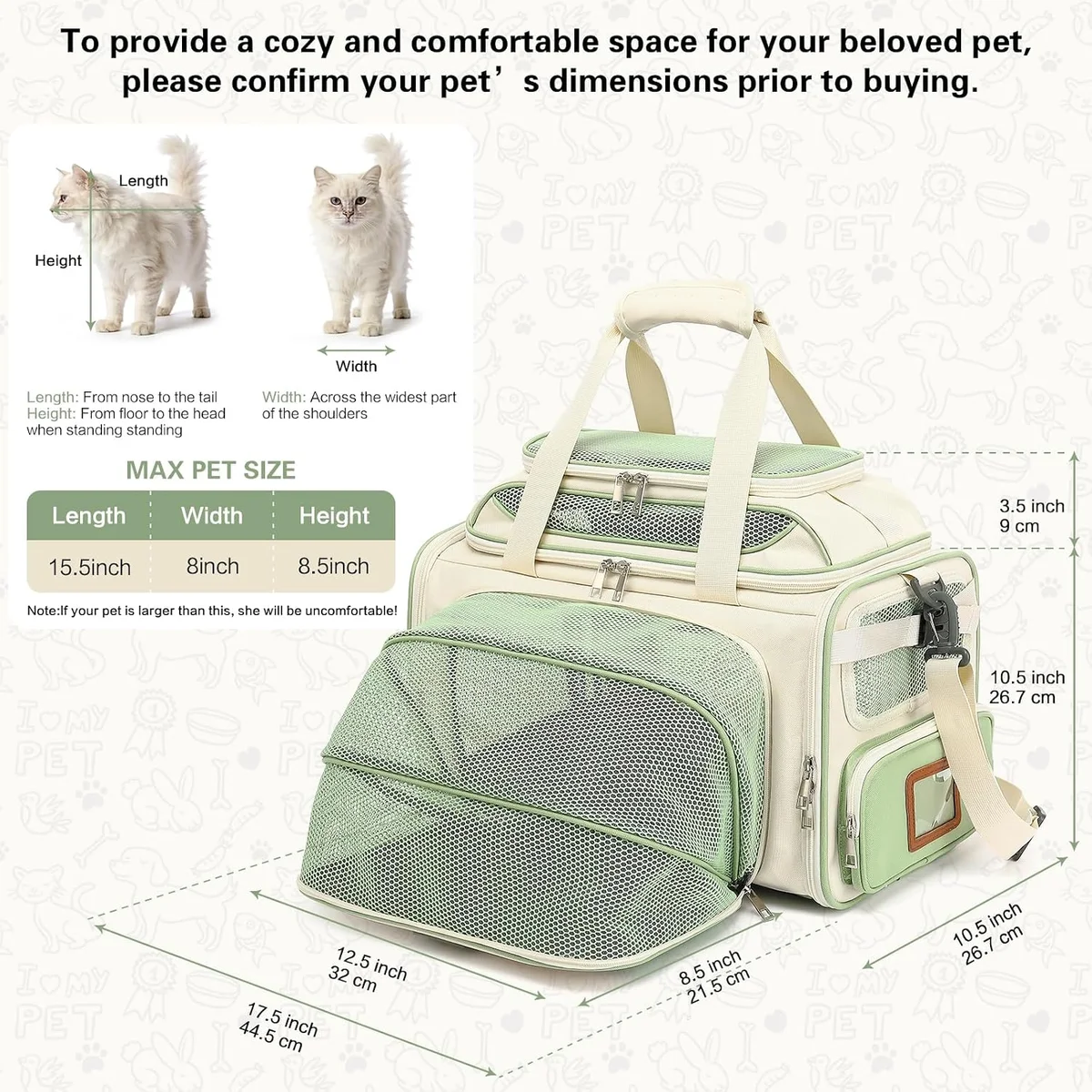


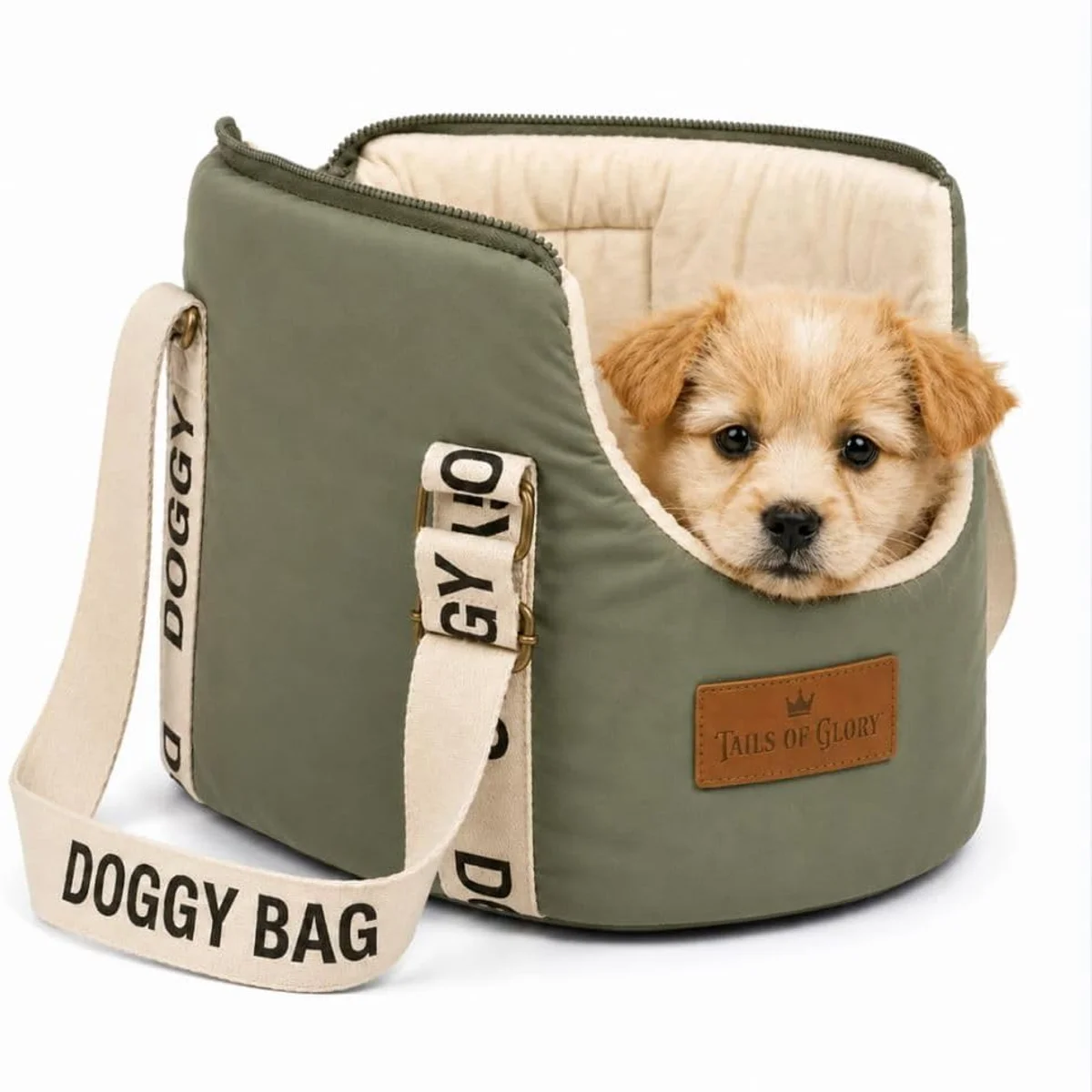
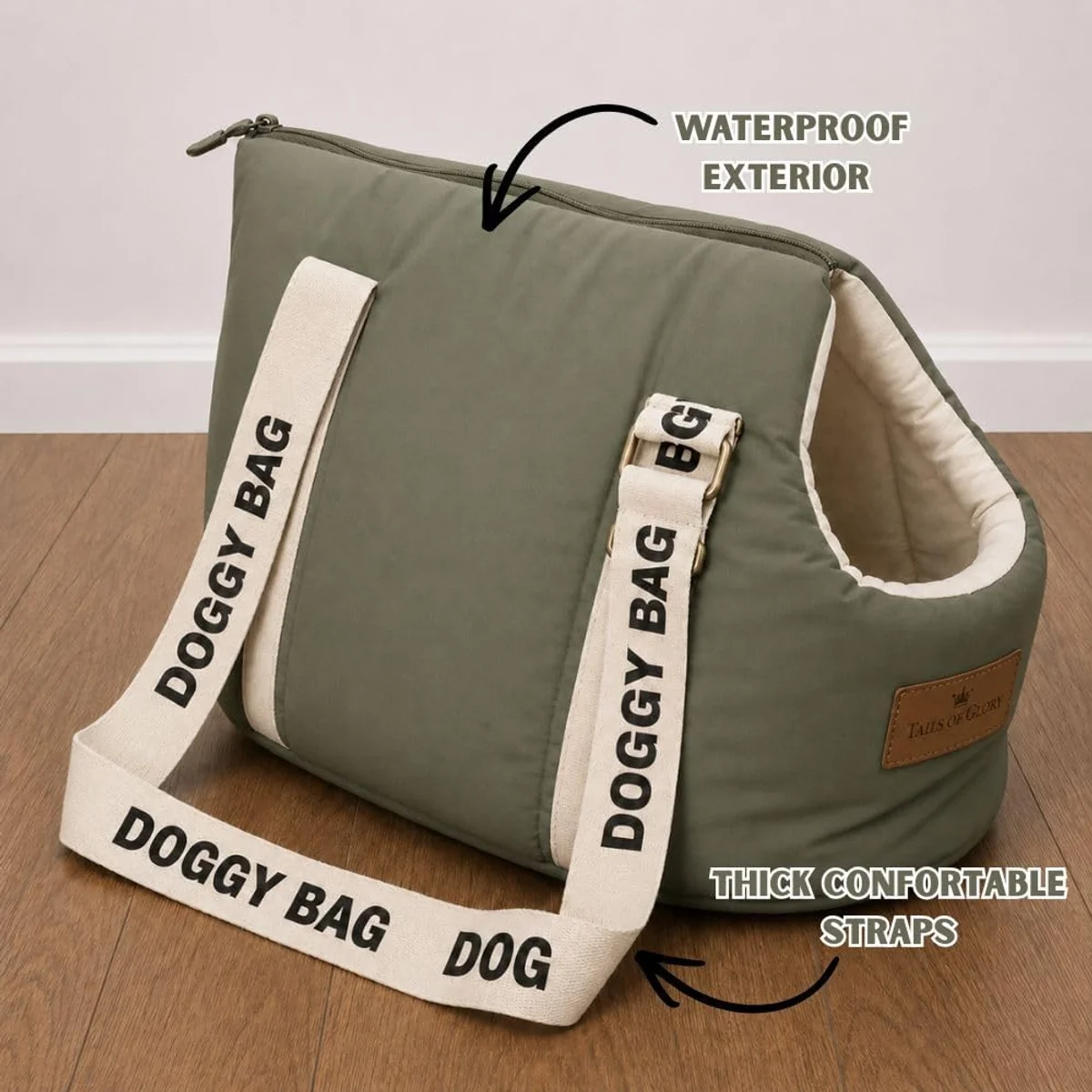
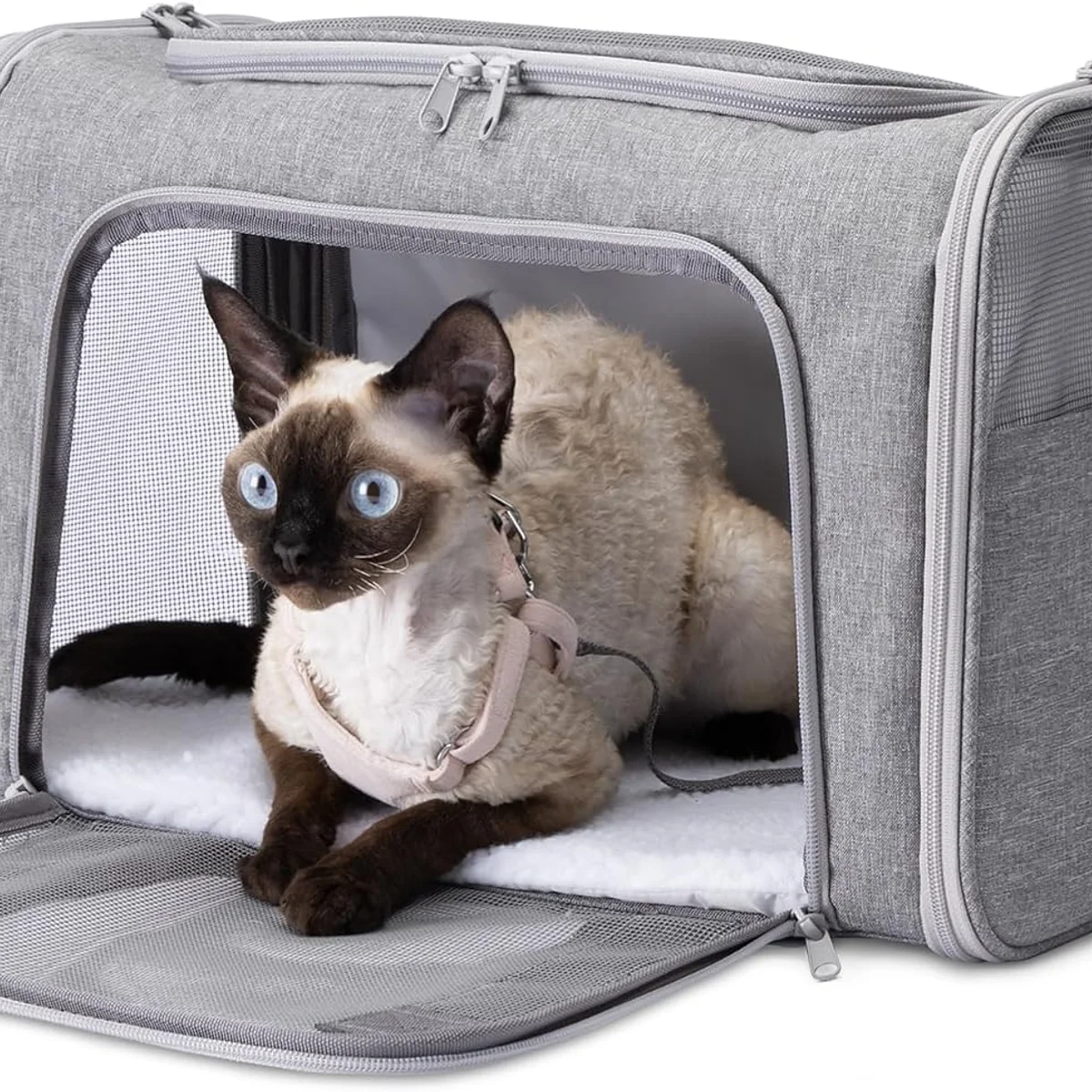

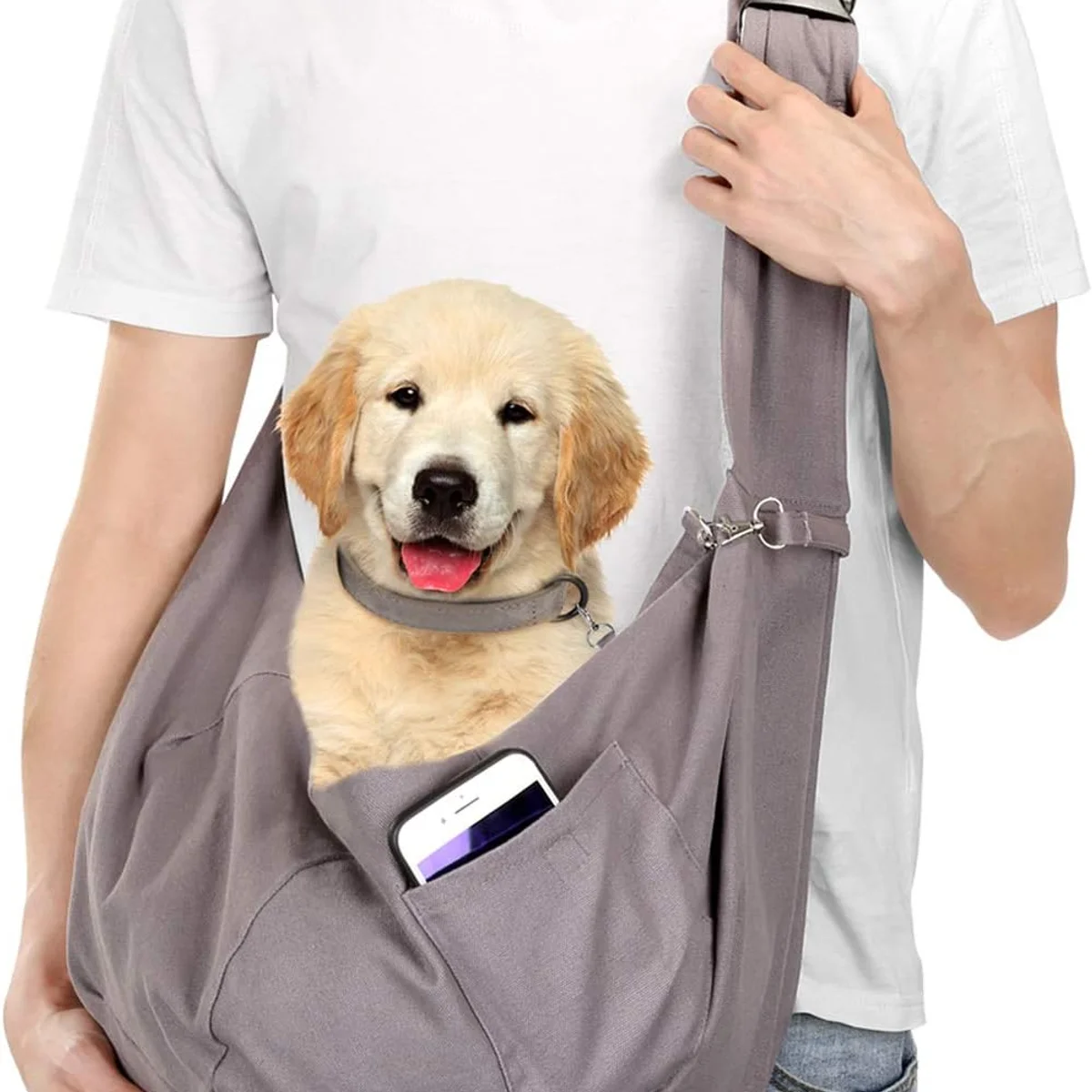
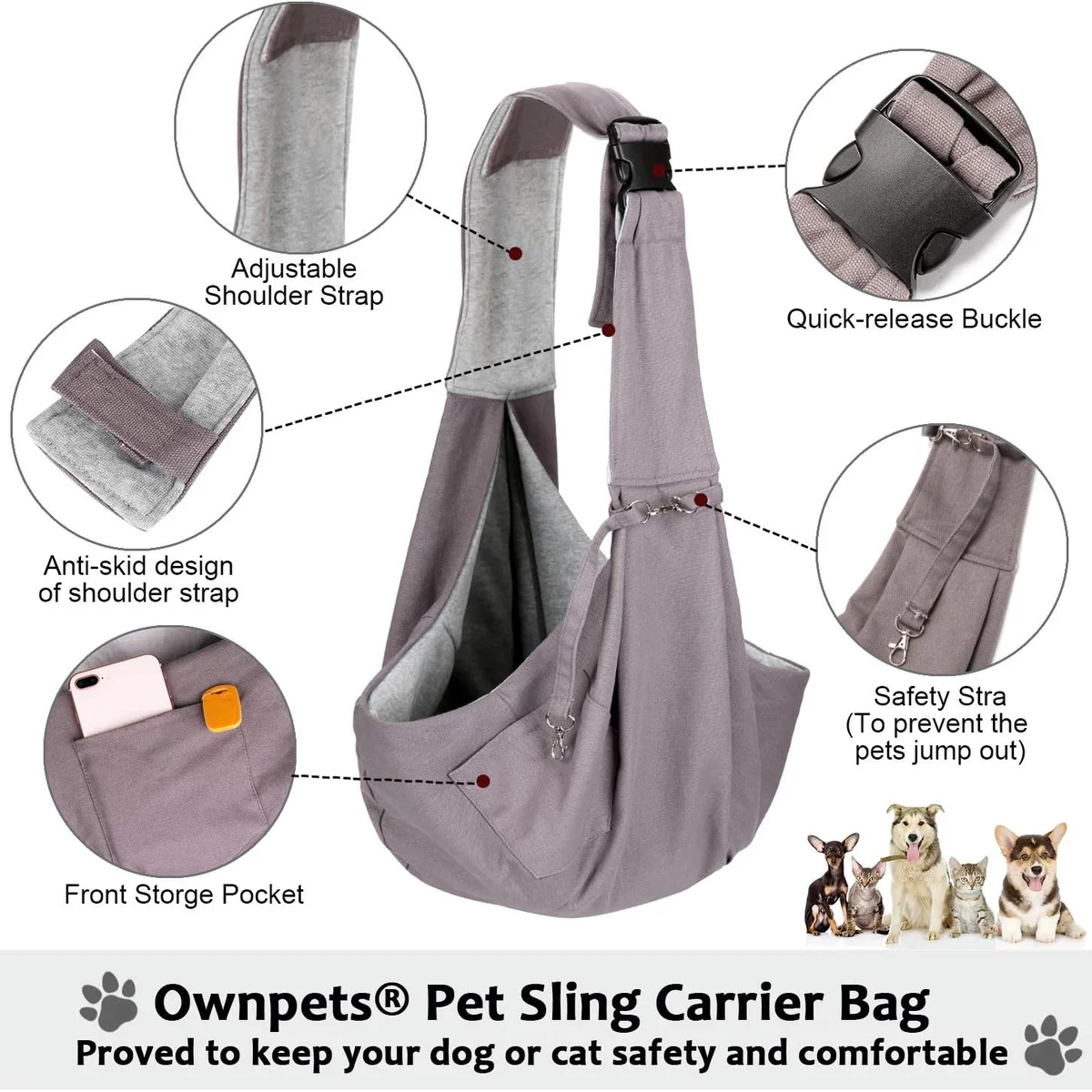
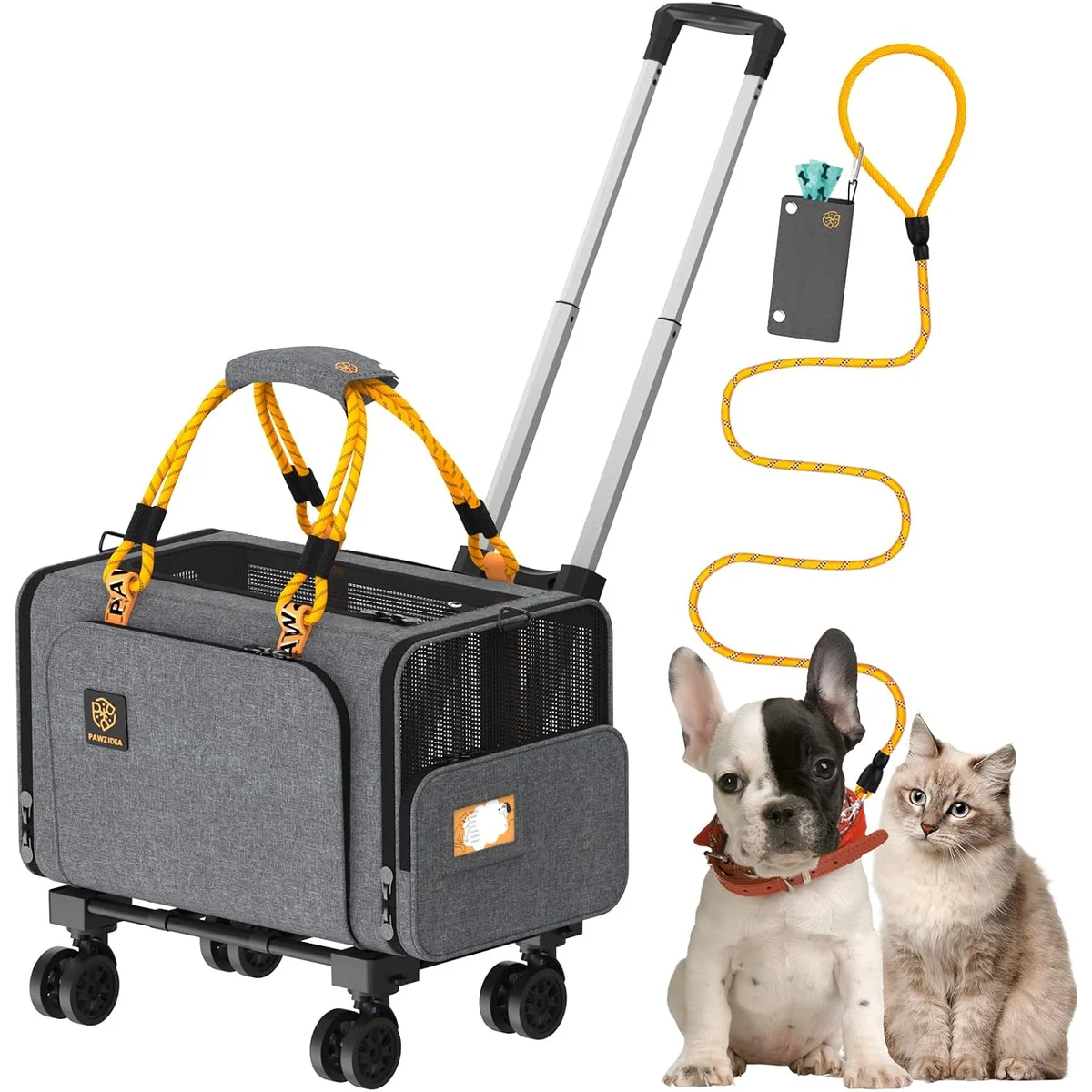
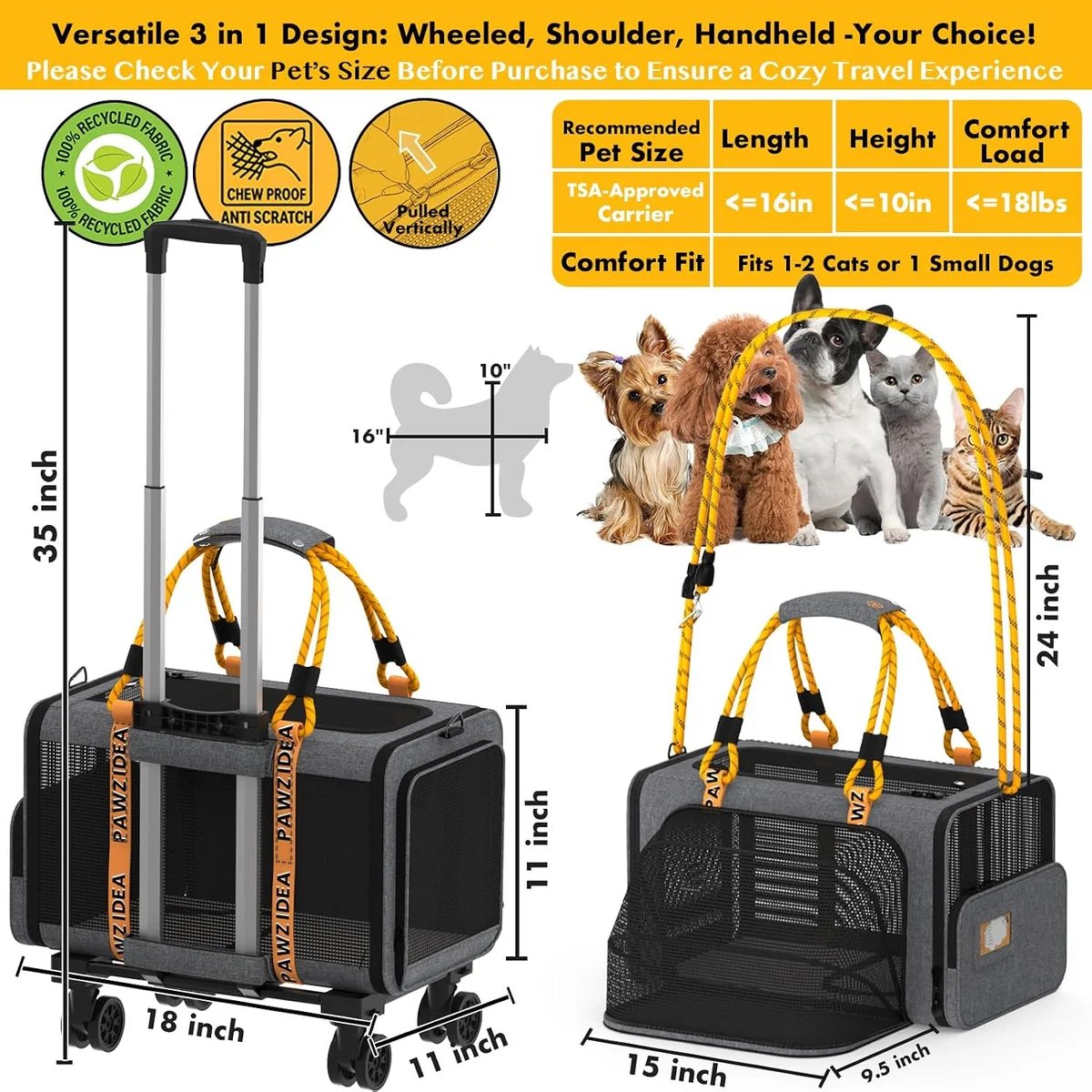
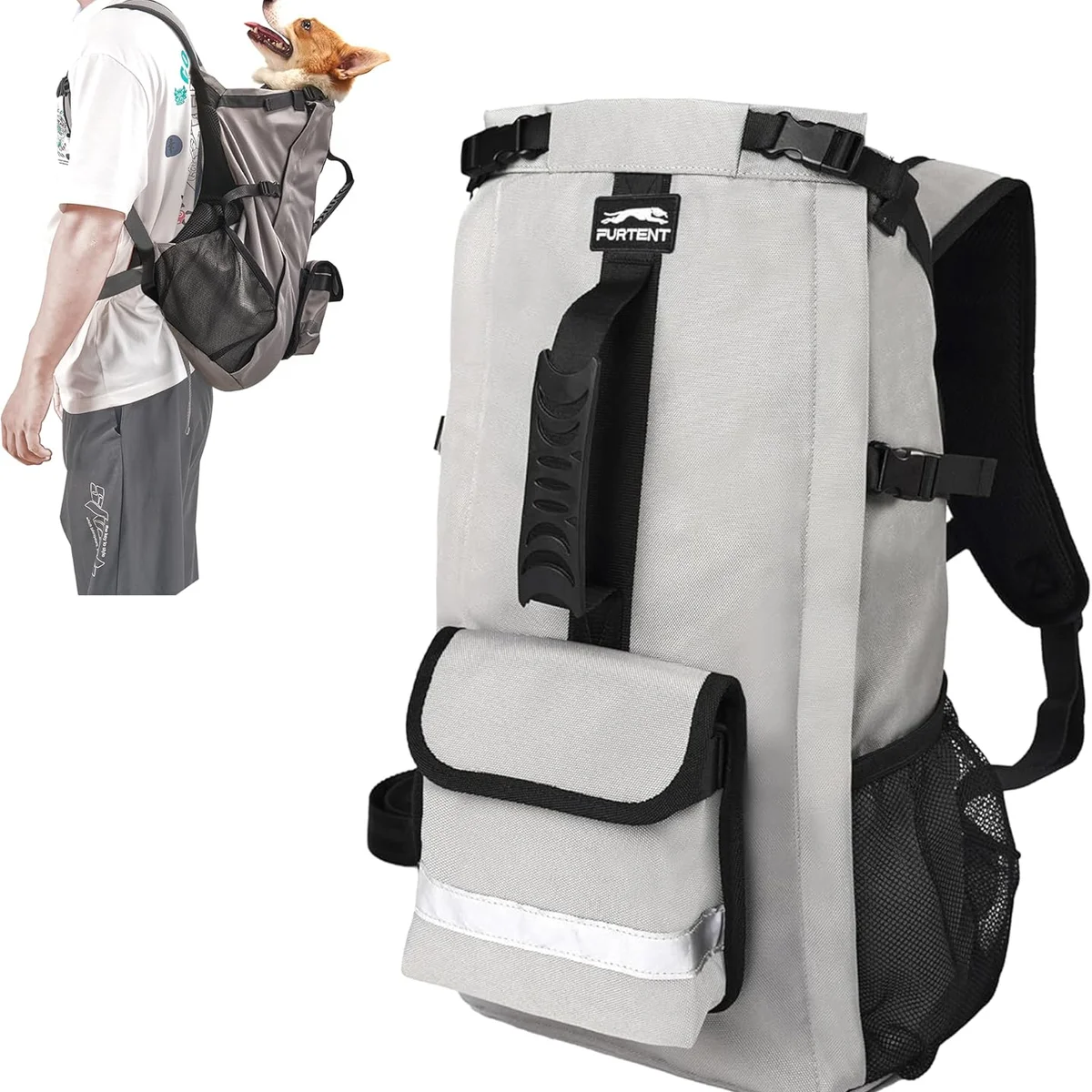
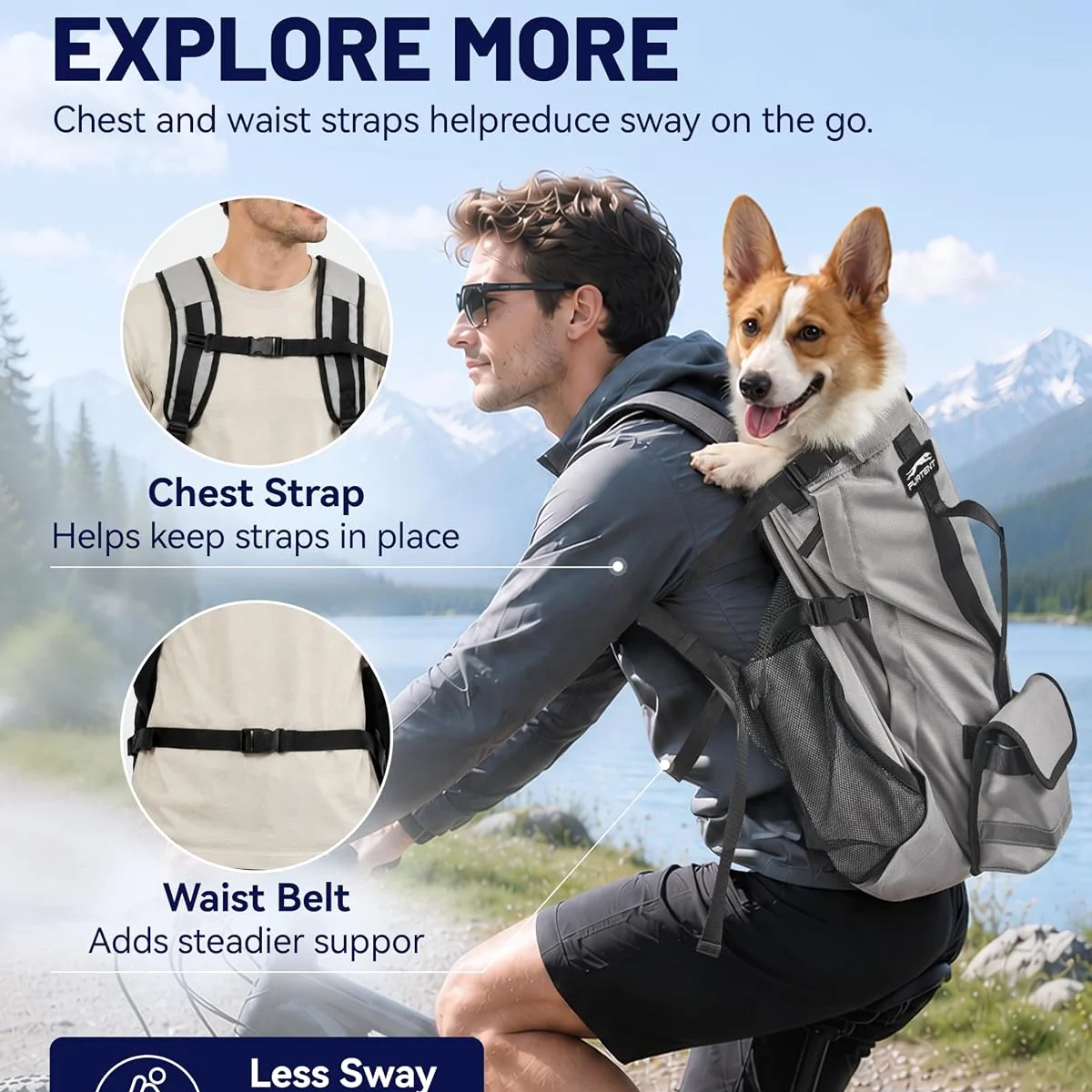
More about cat carriers
Most cats associate a carrier with one thing: the vet. That association alone is often the biggest obstacle to a calm journey, more than the carrier's size or material, which is why the carriers in this range lean toward calmer, more enclosed designs with easy top access rather than the more open, view-focused styles that suit some dogs. A carrier that's simple to get your cat into without a struggle, and simple for a vet to open from above rather than coaxing your cat out of a single front door, tends to make the whole experience noticeably less of a battle.
Soft-Sided or Hard-Sided
Most cat carriers on the site are soft-sided: lighter, foldable for storage, and generally gentler in feel for a cat who presses against the sides. Our soft-sided cat carriers range covers this construction specifically, our largest cat carrier category after the hub itself. A rigid shell holds its shape better under pressure, such as being stacked with other luggage or handled by a cat prone to pawing at the sides, which is where our hard-sided cat carriers range comes in instead.
If You Have a Kitten
A young kitten who's still getting used to travel often does better in something sized and shaped specifically for them rather than a smaller version of an adult carrier. Our kitten carriers range is built around exactly that.
For the Trip Itself
If a vet appointment is what's actually brought you here, our pet carriers for vet visits range picks out the designs best suited to that shorter, calmer kind of trip across every pet we carry, with more detail on what makes a carrier easier for a vet to work with.
Why choose a cat carrier
Cats generally do better in an enclosed, den-like space than an open one, which is the opposite of what tends to work well for some dogs, and it's worth keeping in mind when comparing carriers that look similar on the surface. A carrier with too much open mesh can leave a nervous cat feeling exposed rather than secure, while one with a slightly more contained shape and a smaller, controllable opening tends to help them settle faster.
Top-loading access matters more for cats than almost any other pet, since it avoids the awkward back-and-forth of coaxing a reluctant cat through a single front door. A carrier that opens fully from the top lets you lower your cat in gently, and lets a vet lift them out the same way, rather than turning every entry and exit into a small negotiation.
Sizing and buying guide
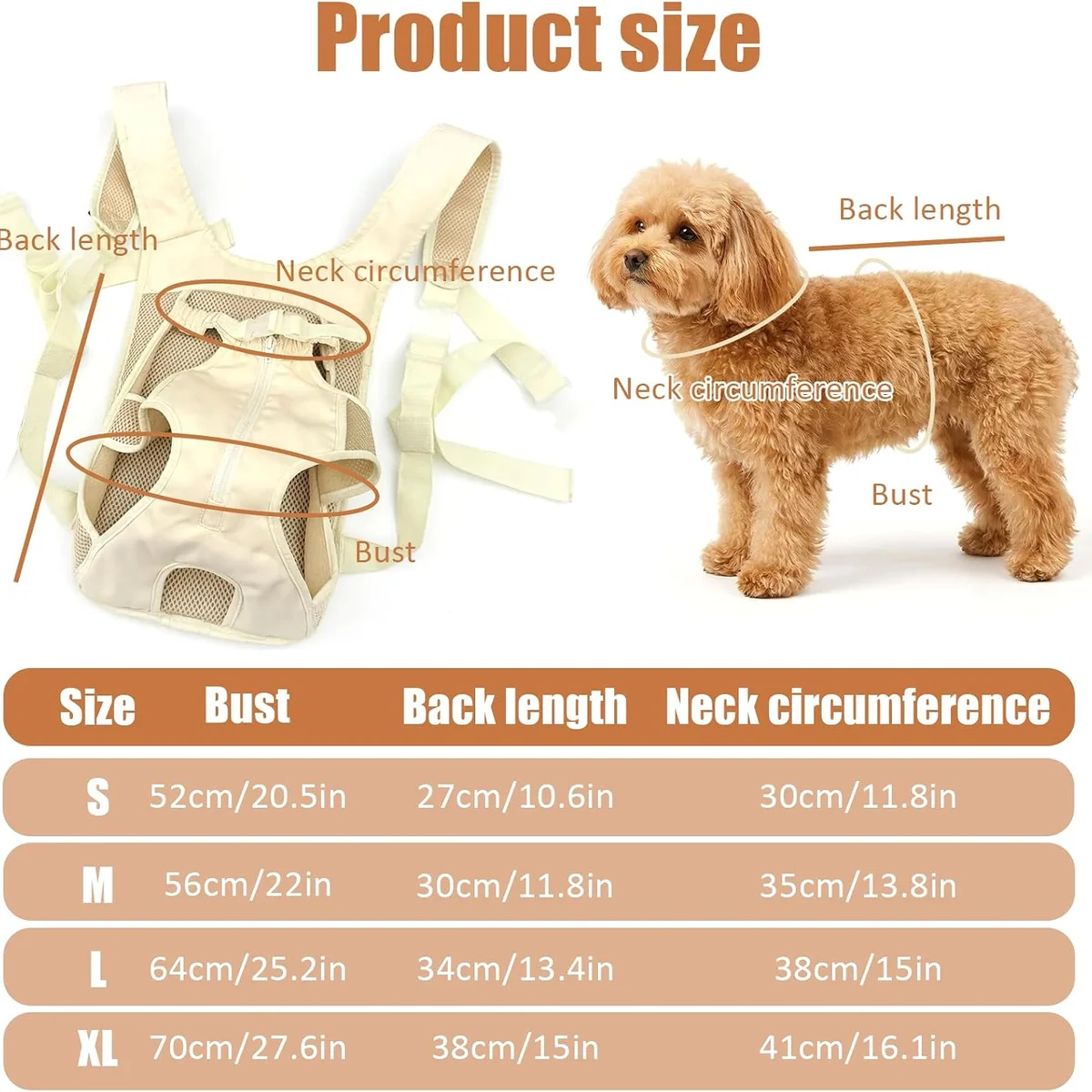
Measure your cat from nose to tail base for length and floor to the top of the head for height, then check these against the product's stated internal dimensions, allowing enough room for your cat to stand, turn around and lie down without pressing against the sides. Most cats feel calmer in a carrier that's snug rather than cavernous, so more space isn't automatically better here, just enough for comfortable movement. Always check the maximum weight capacity too, particularly for larger cat breeds, since this can be the limiting factor even when the dimensions look generous enough by eye.
Frequently asked questions
From the Blog

The Complete Guide to Cat Carriers: How to Choose the Right One
Everything you need to know before buying a cat carrier: sizing, soft-sided vs hard-sided, slings, backpacks, kittens, large breeds, cost and flying, in one guide.

Helping a Nervous Cat Get Used to a Carrier
Why cats associate the carrier with stress, and the practical groundwork that helps them feel calmer about it, from choosing the right carrier to preparing for travel day.