
Carriers
92 carriers in this range
Shop Carriers by type
Shop Carriers
Showing 92 of 92 products


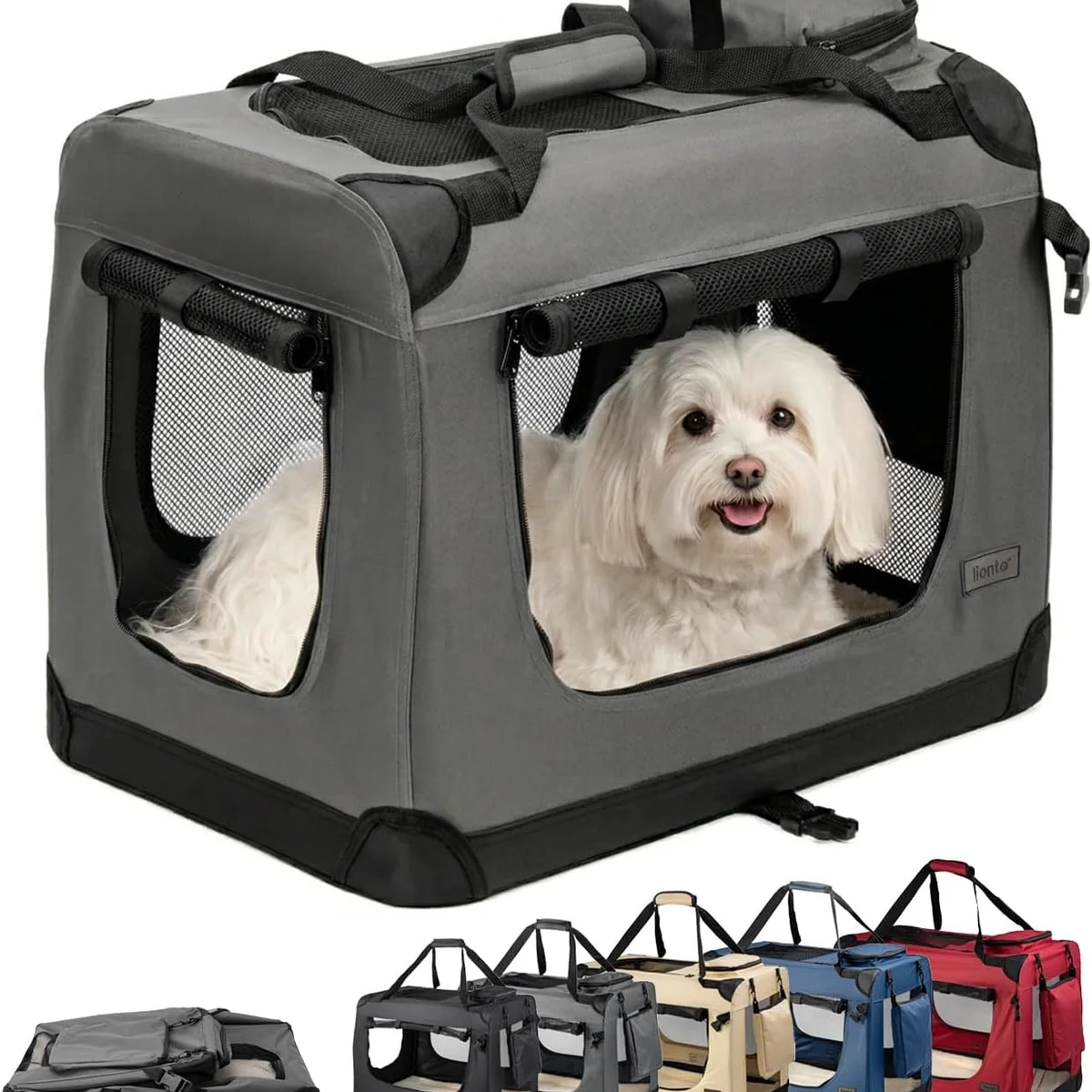
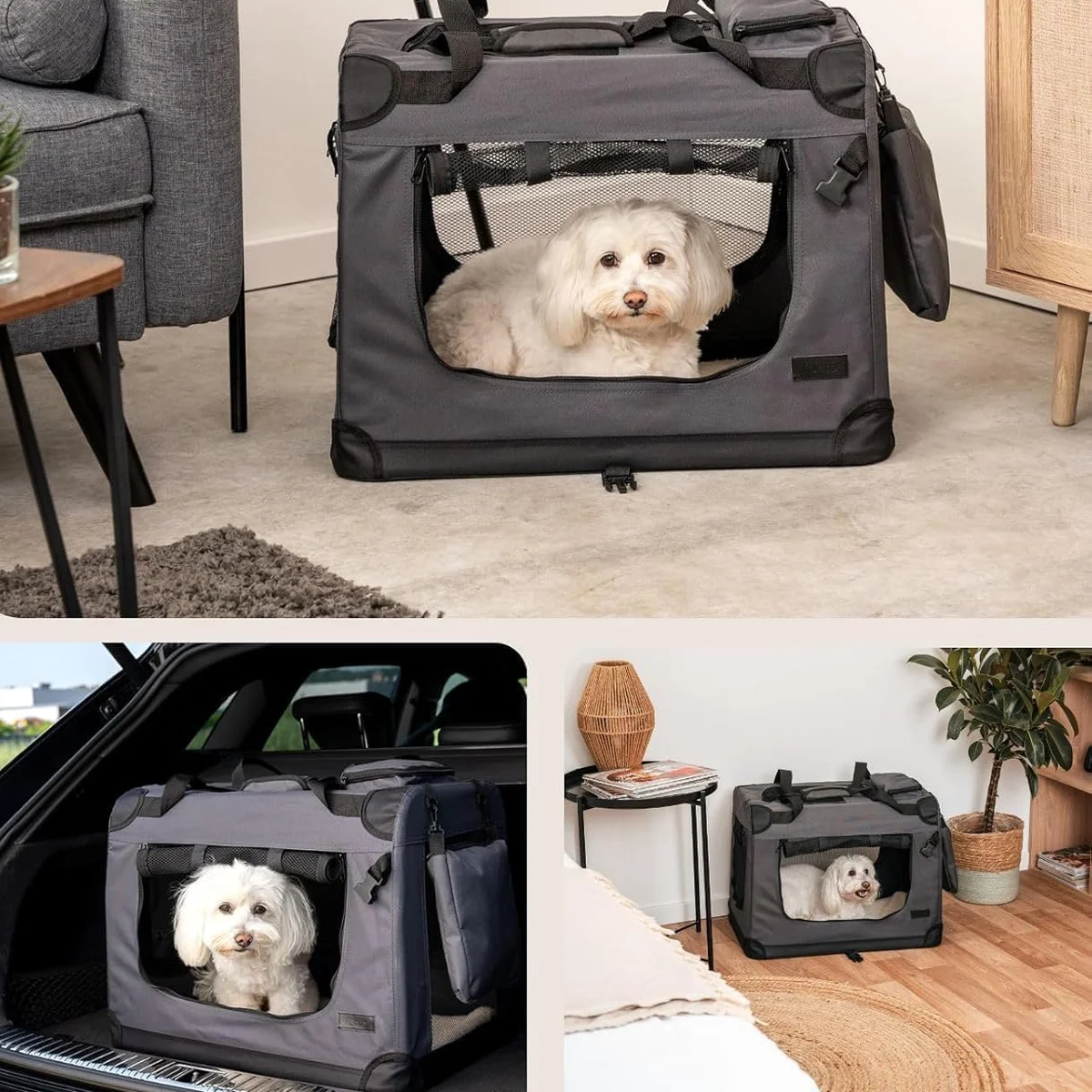
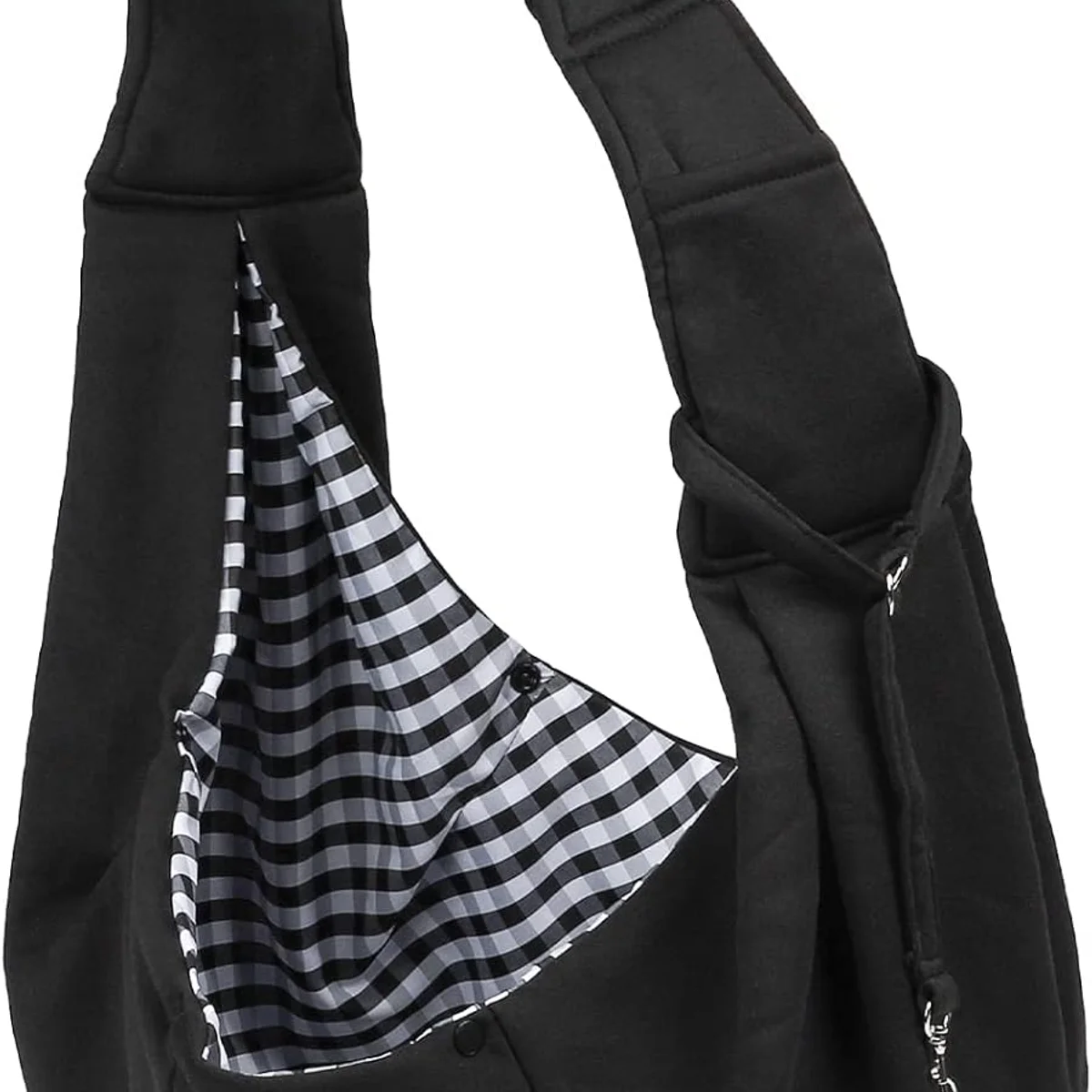

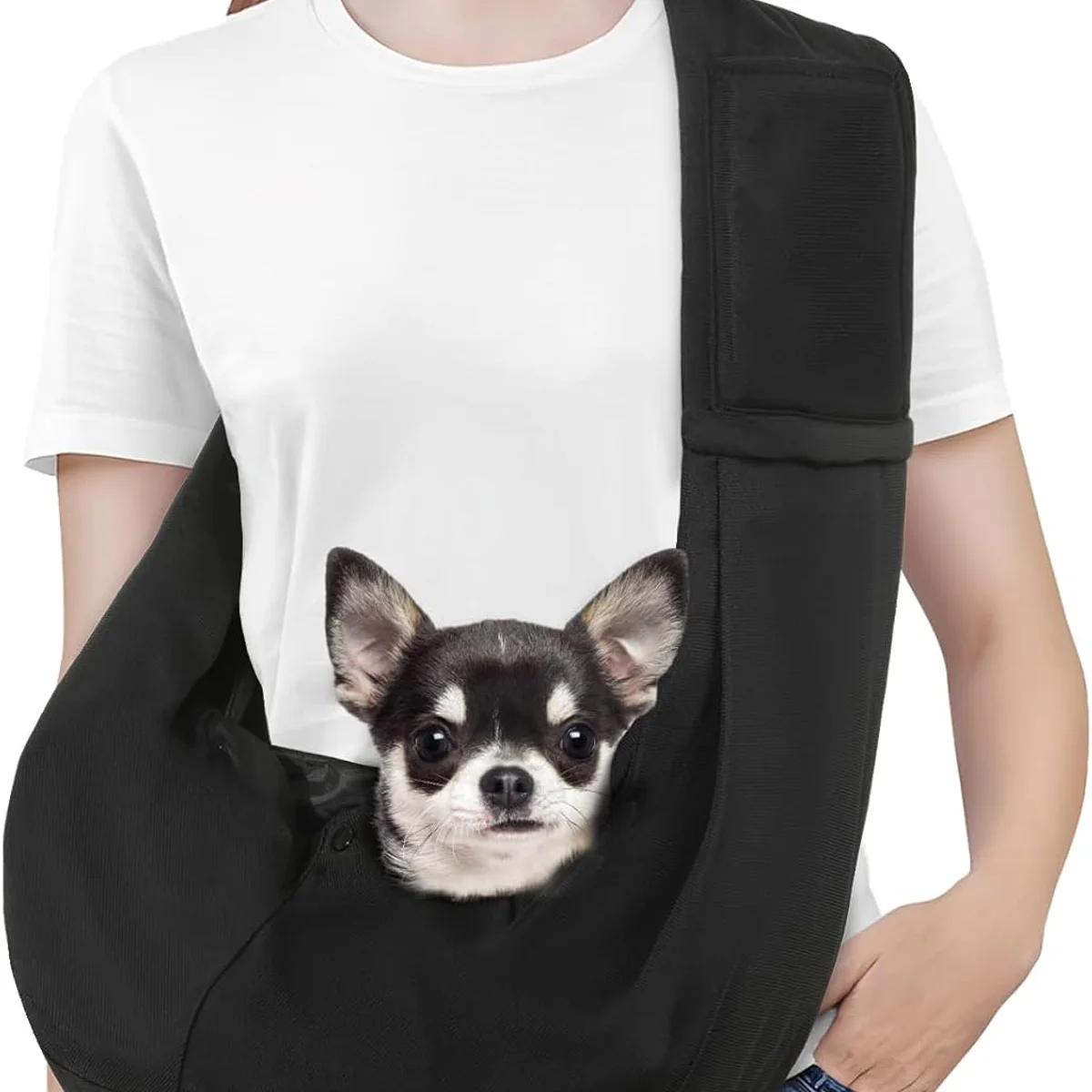

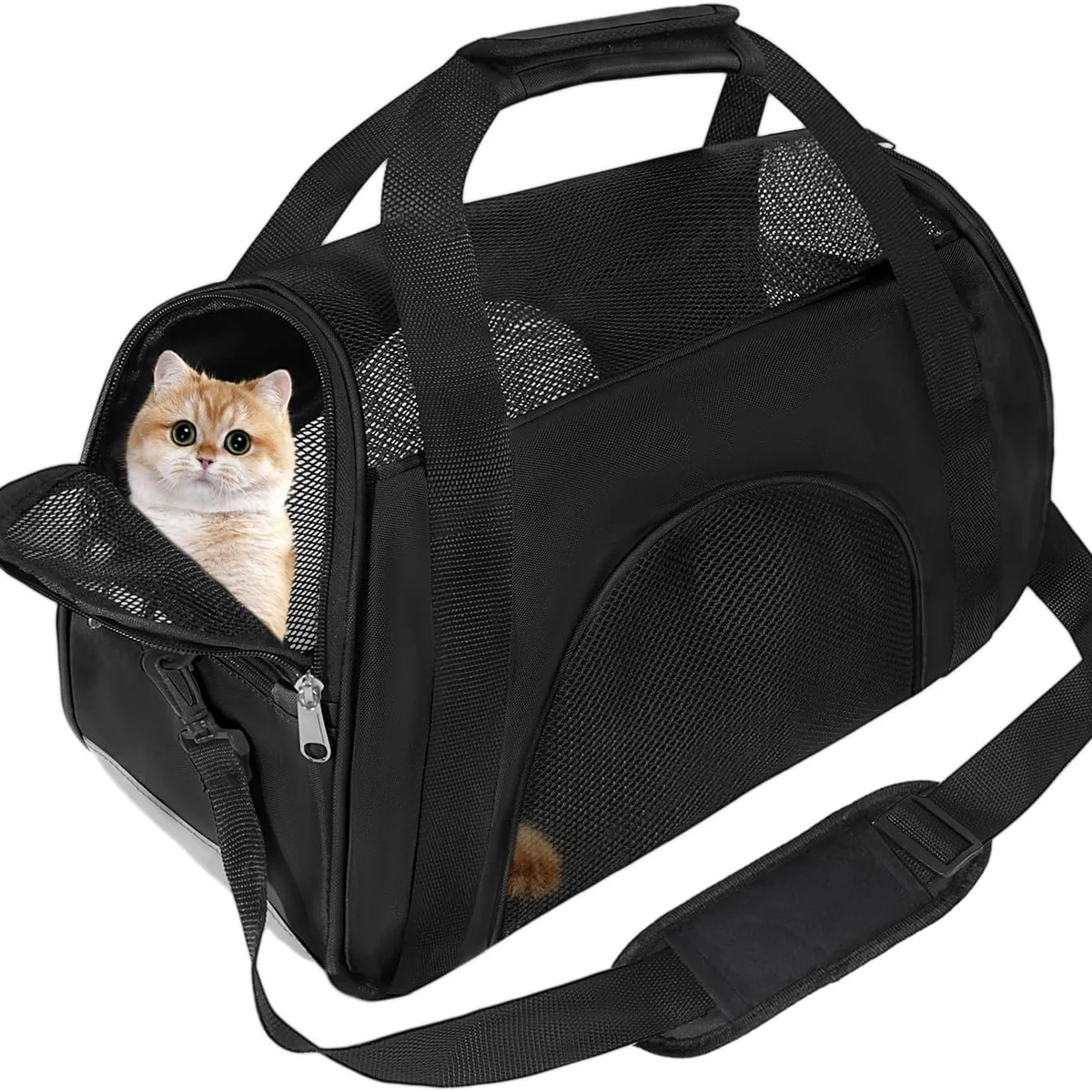

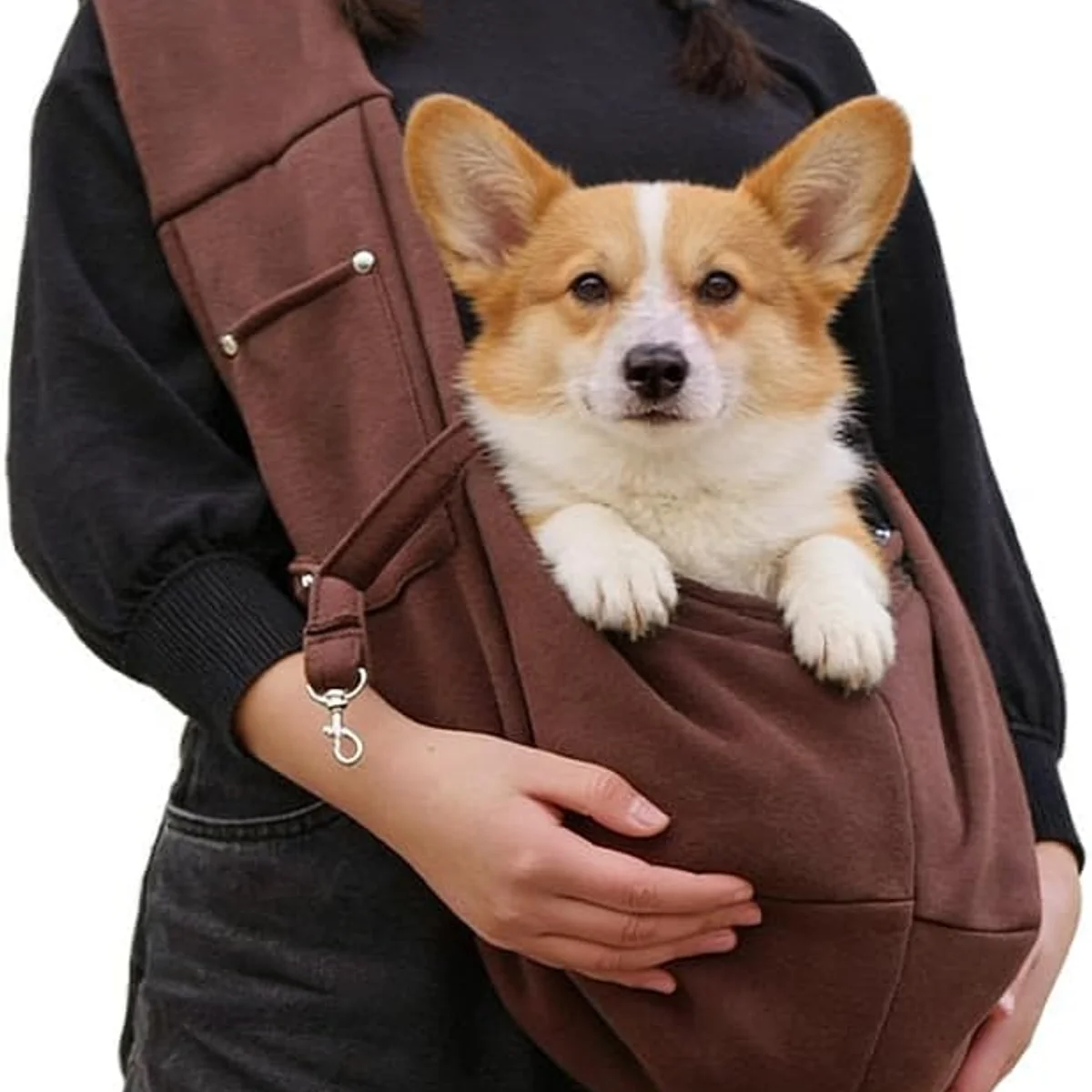
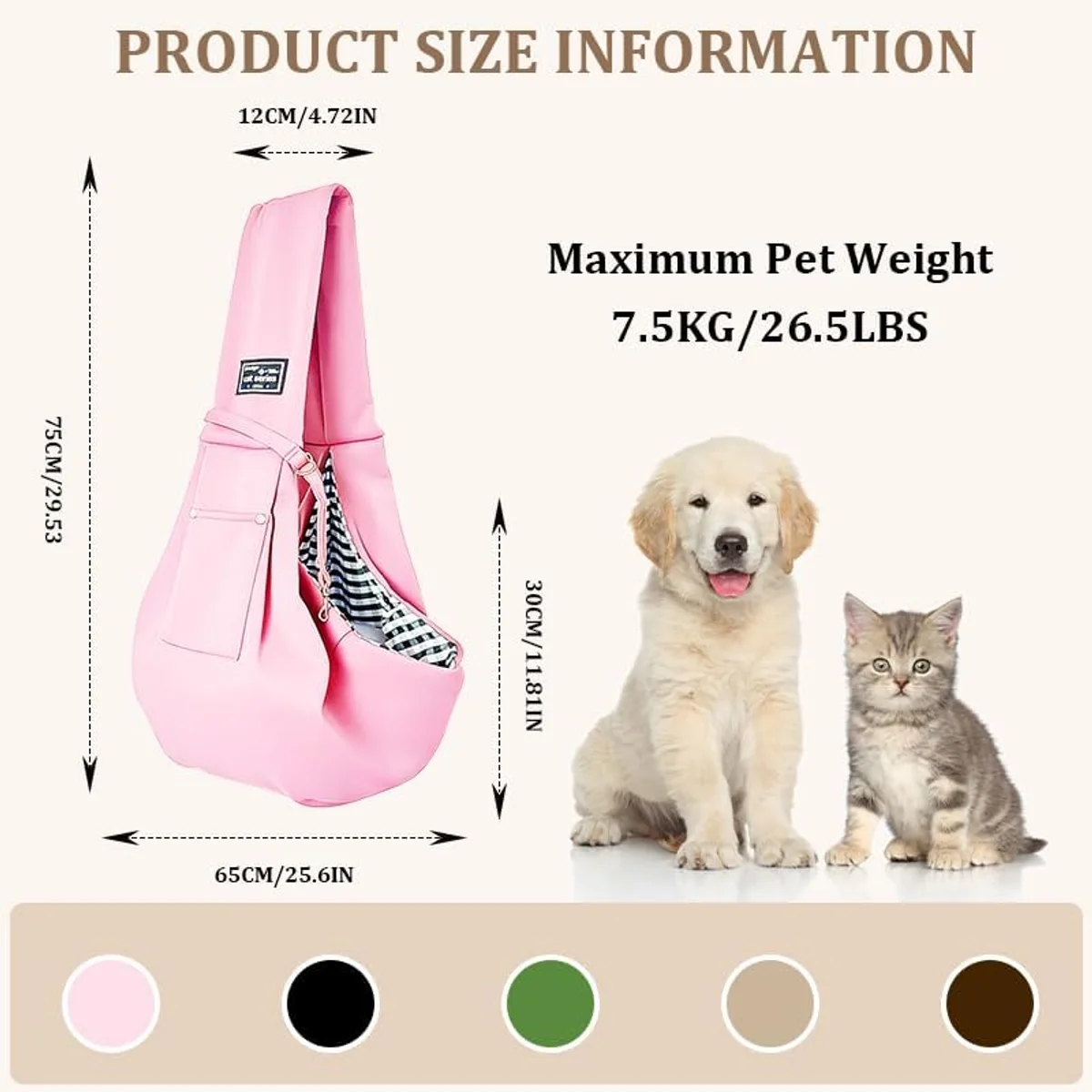
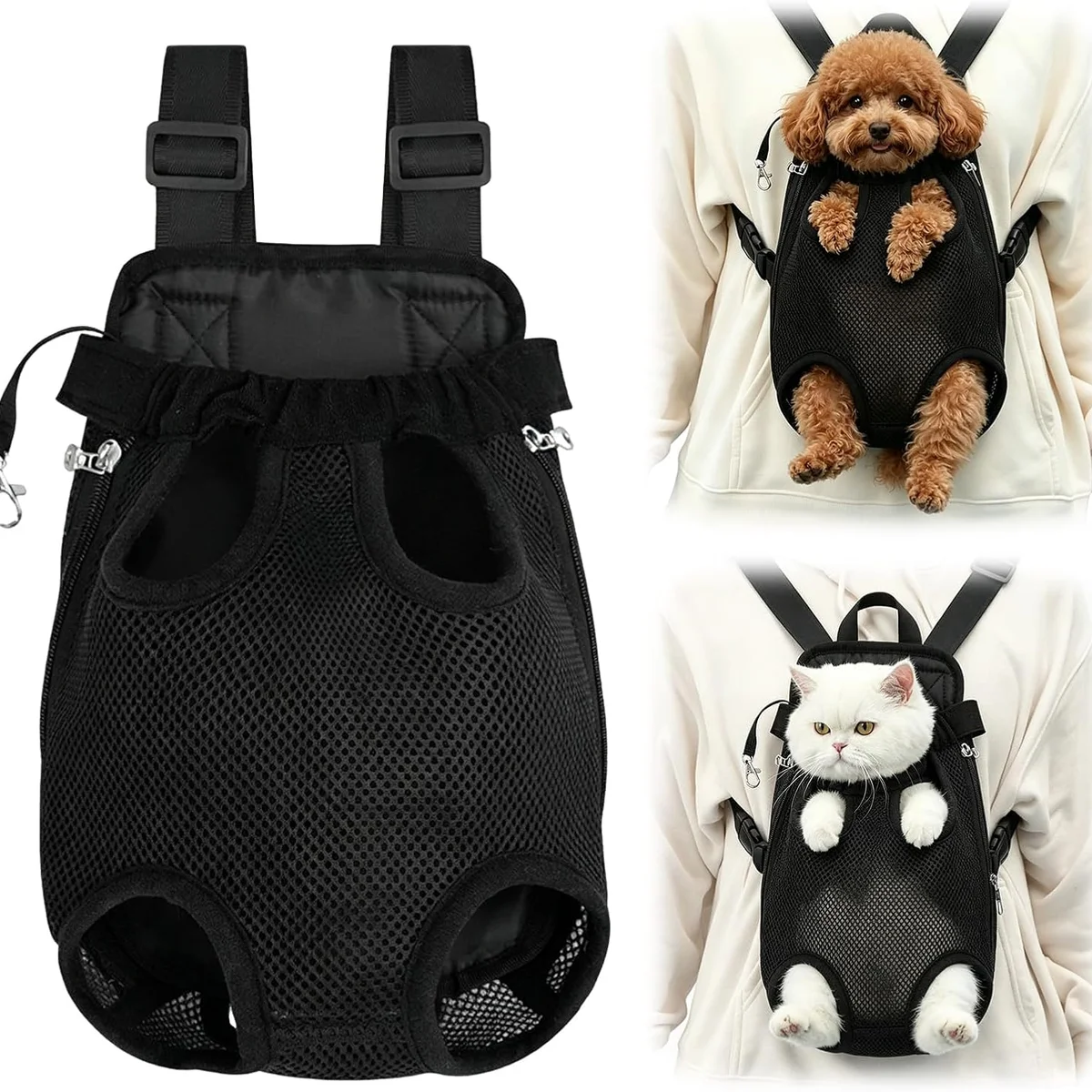
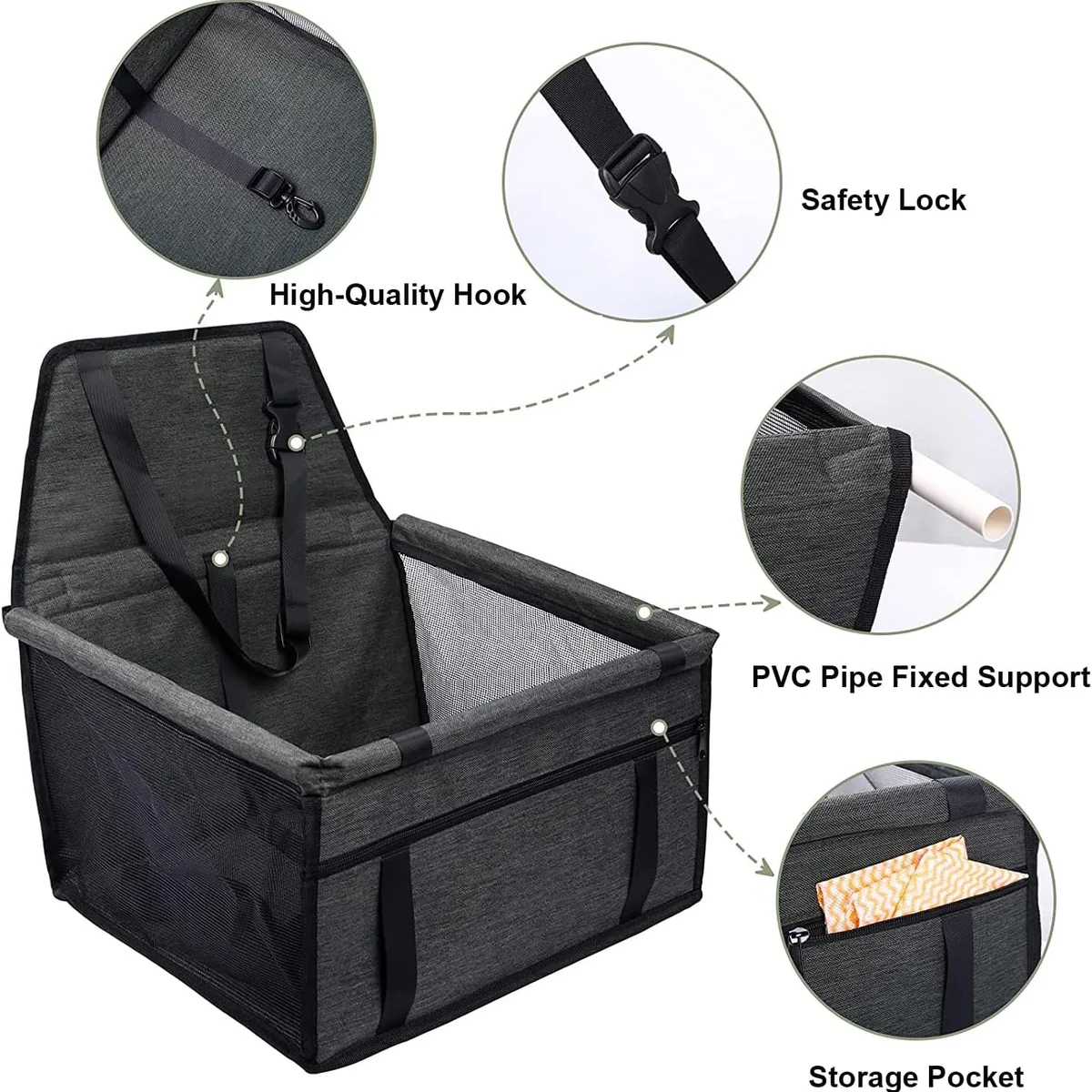
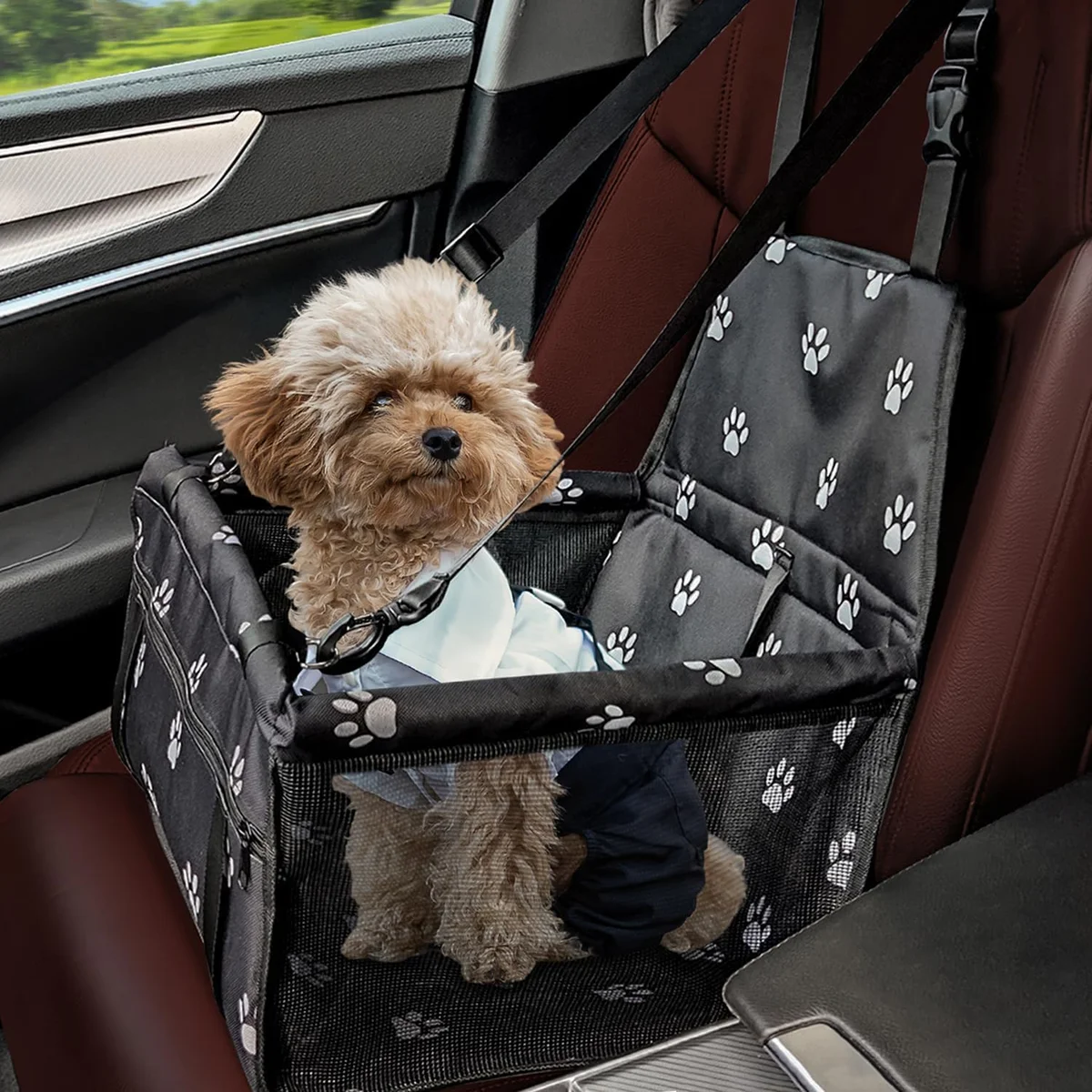
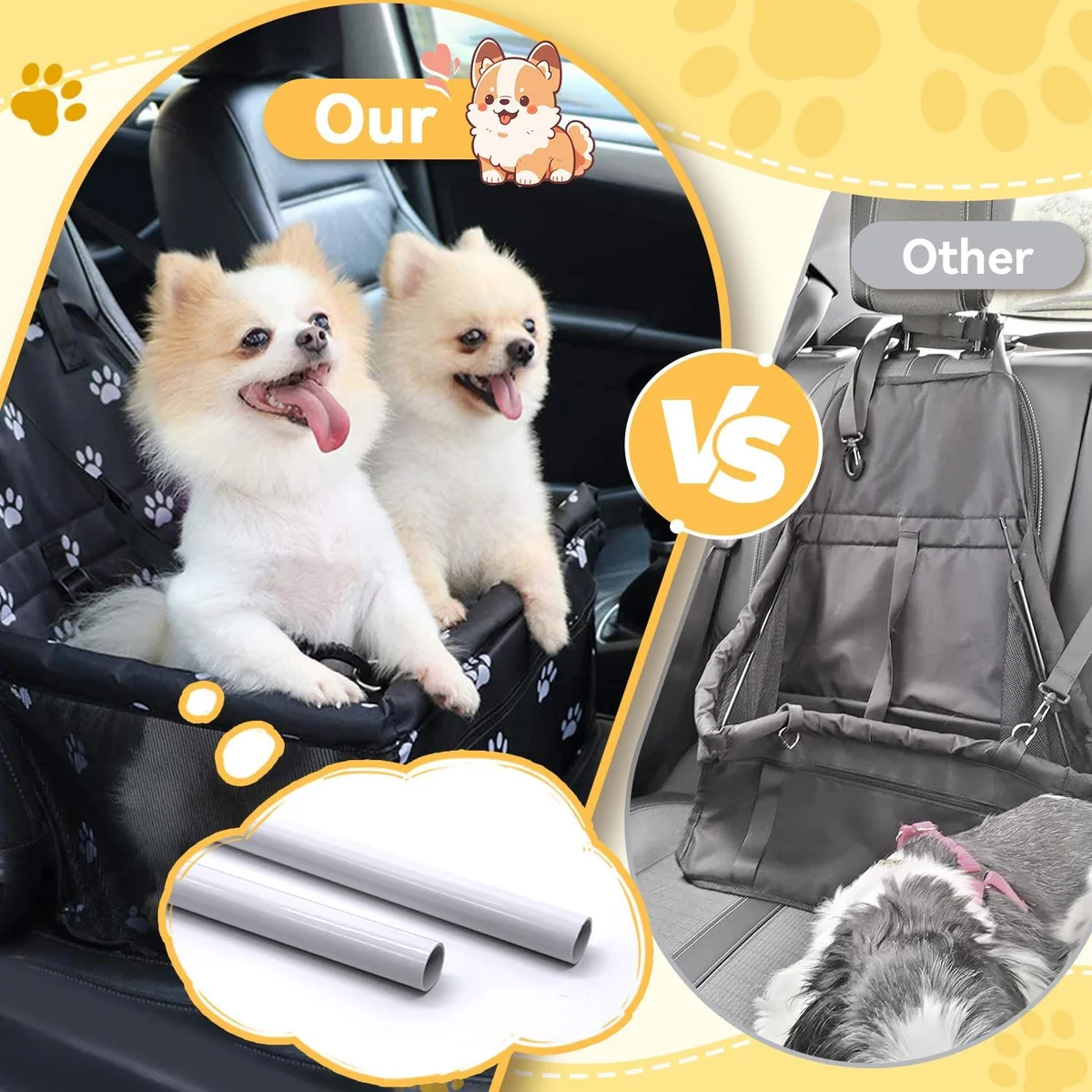
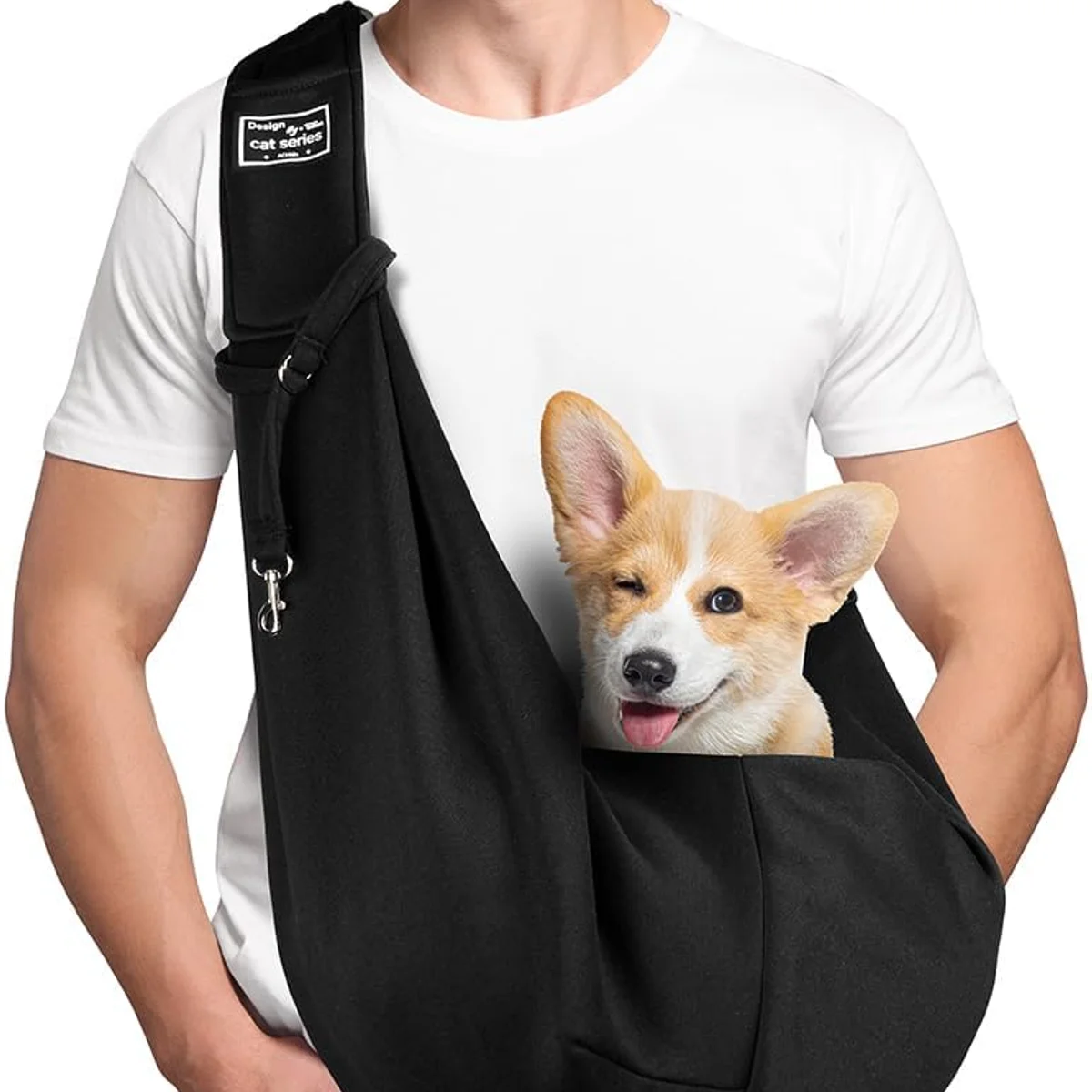

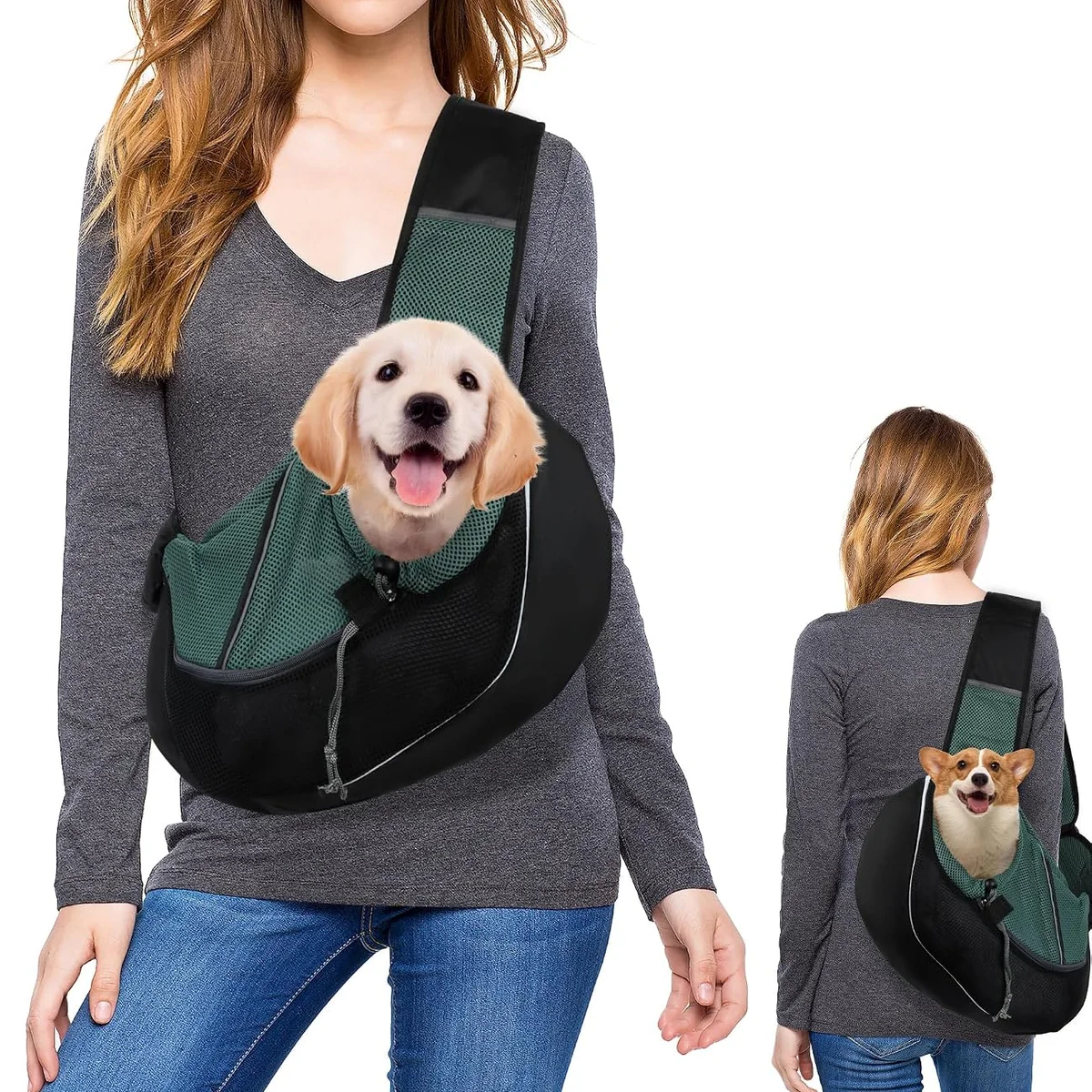
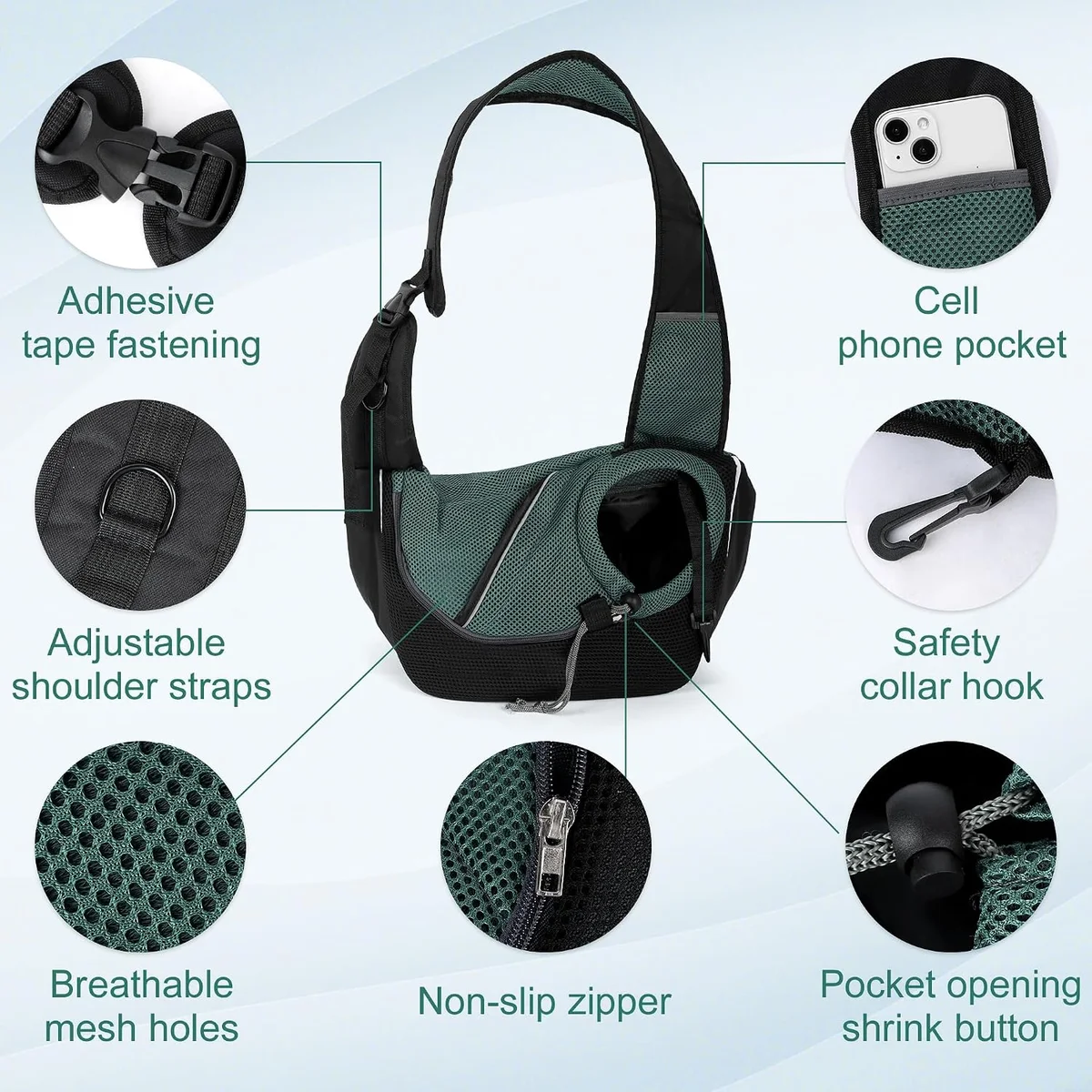
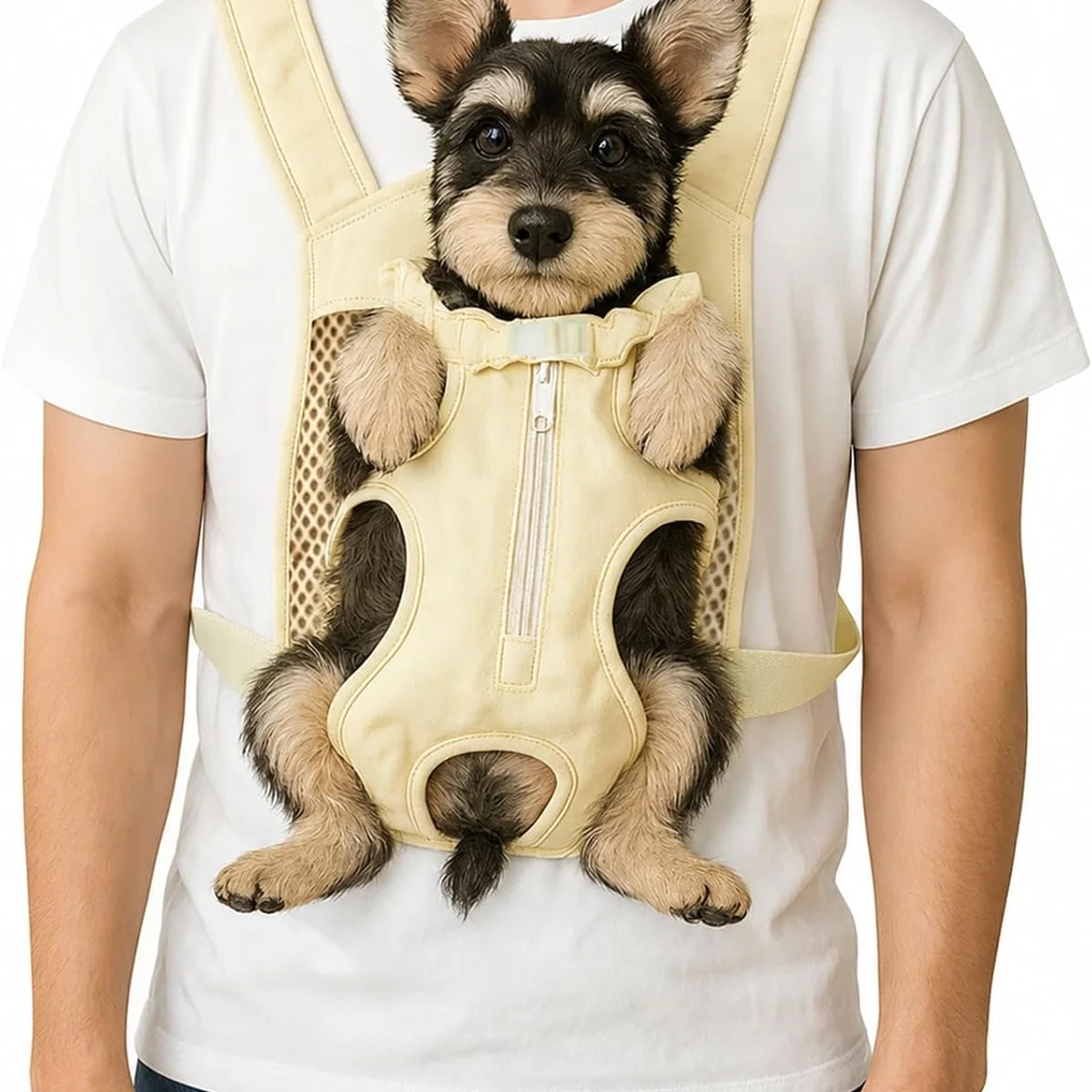
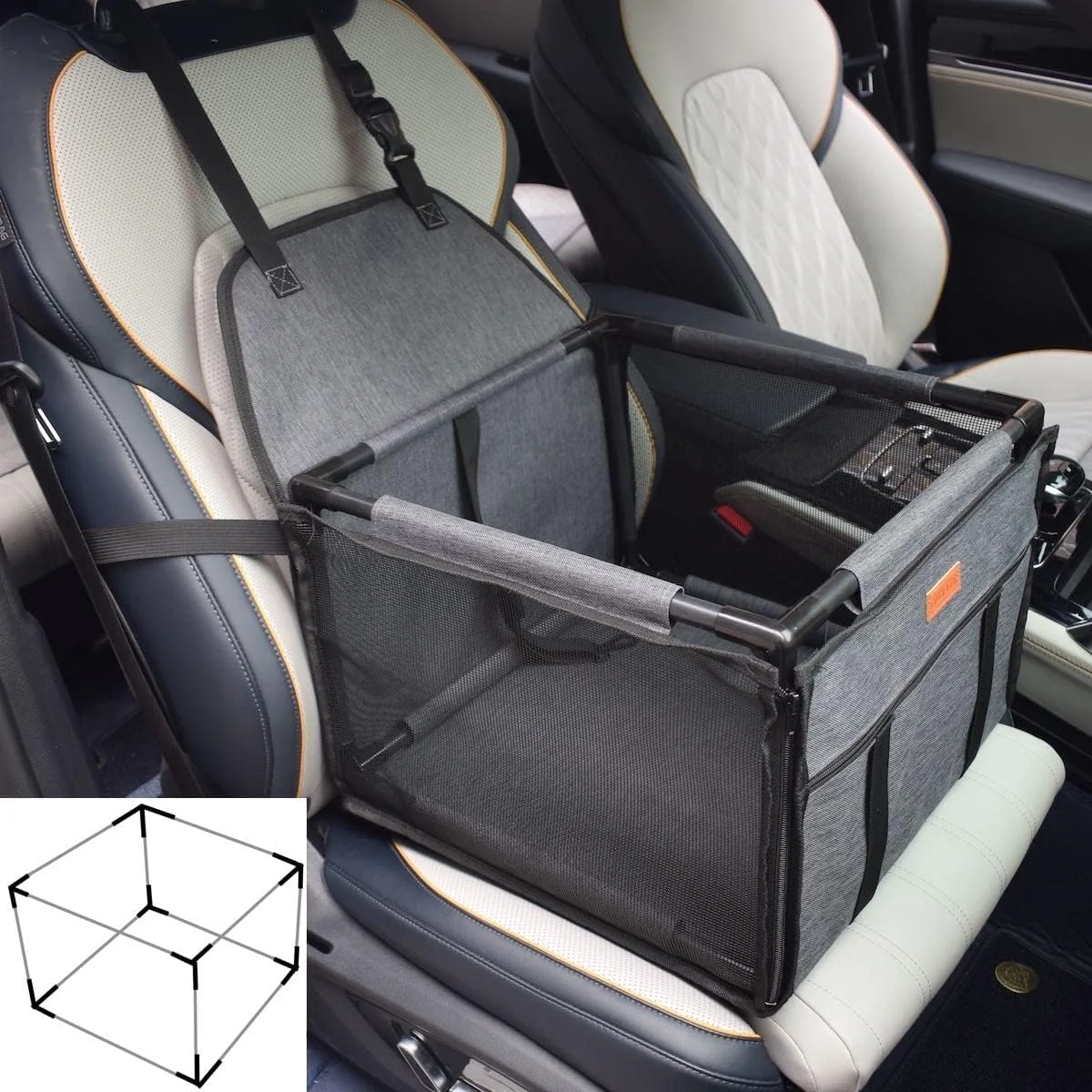
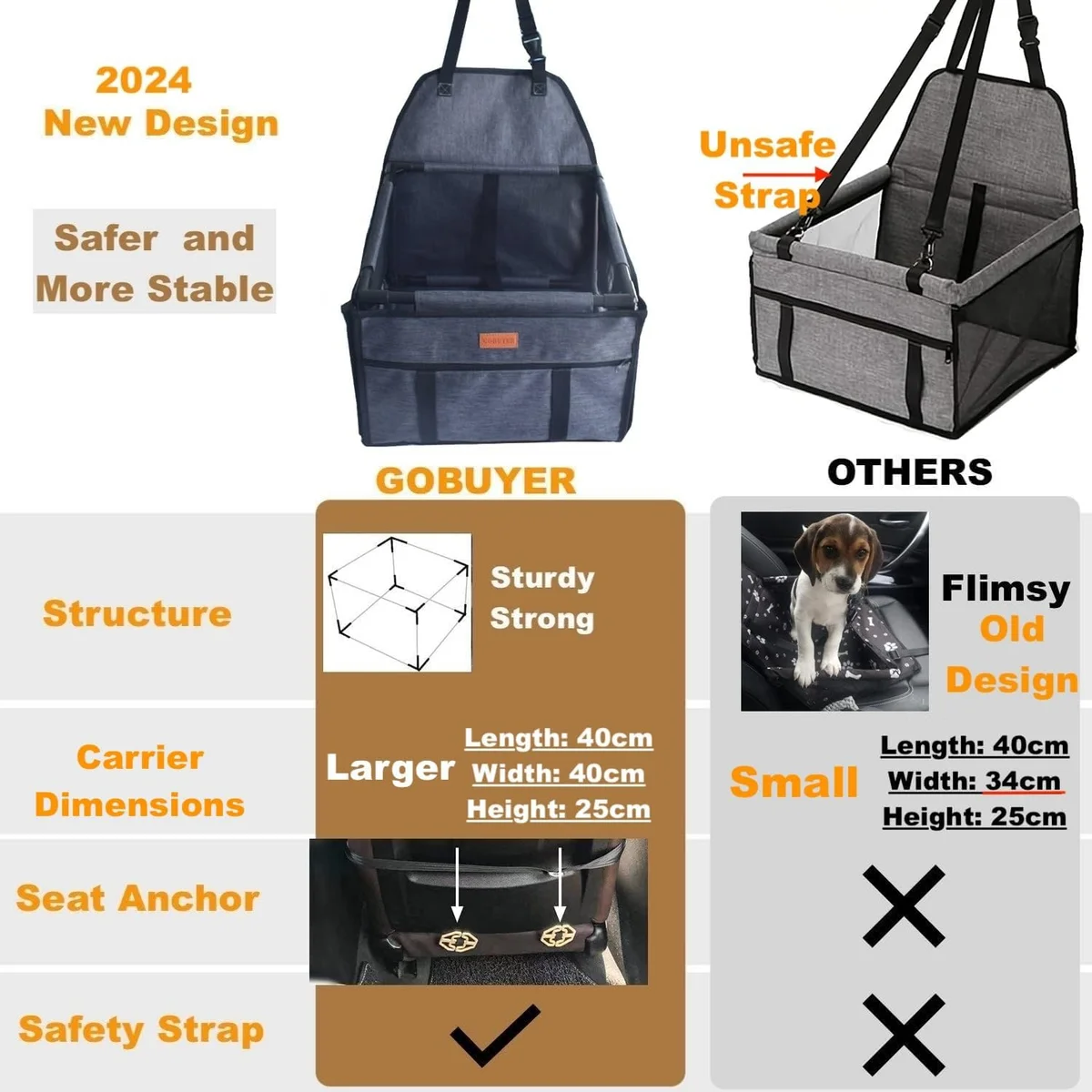
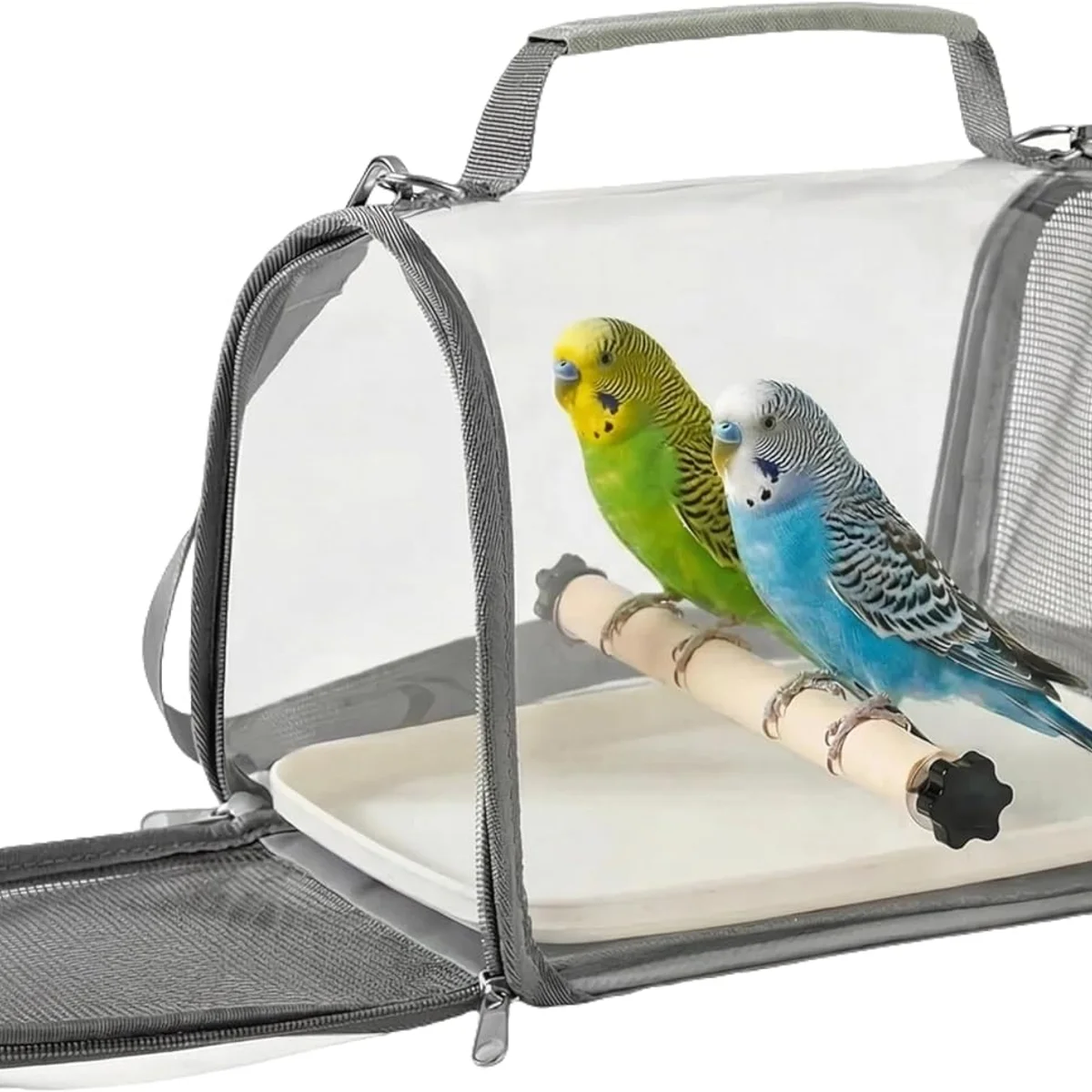
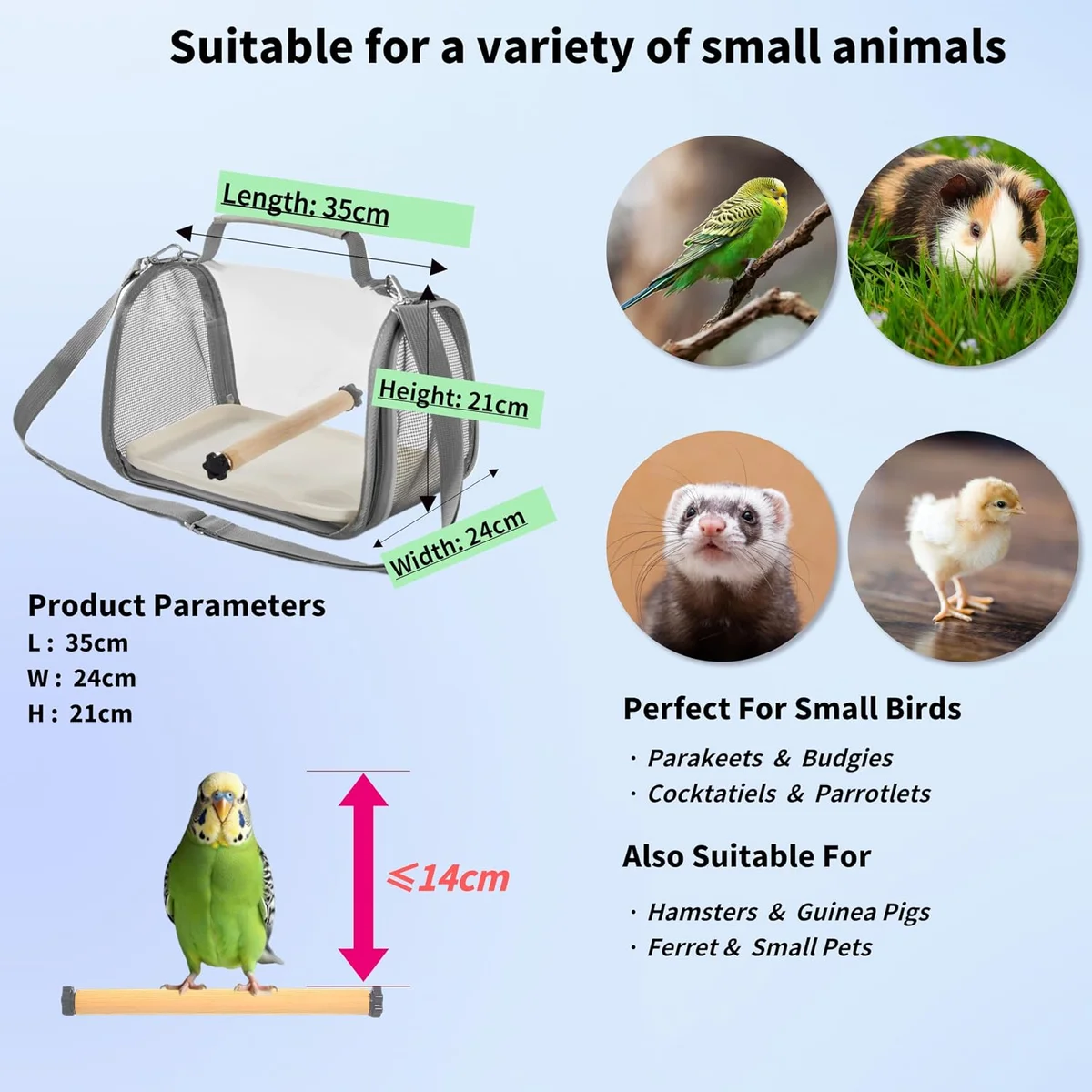
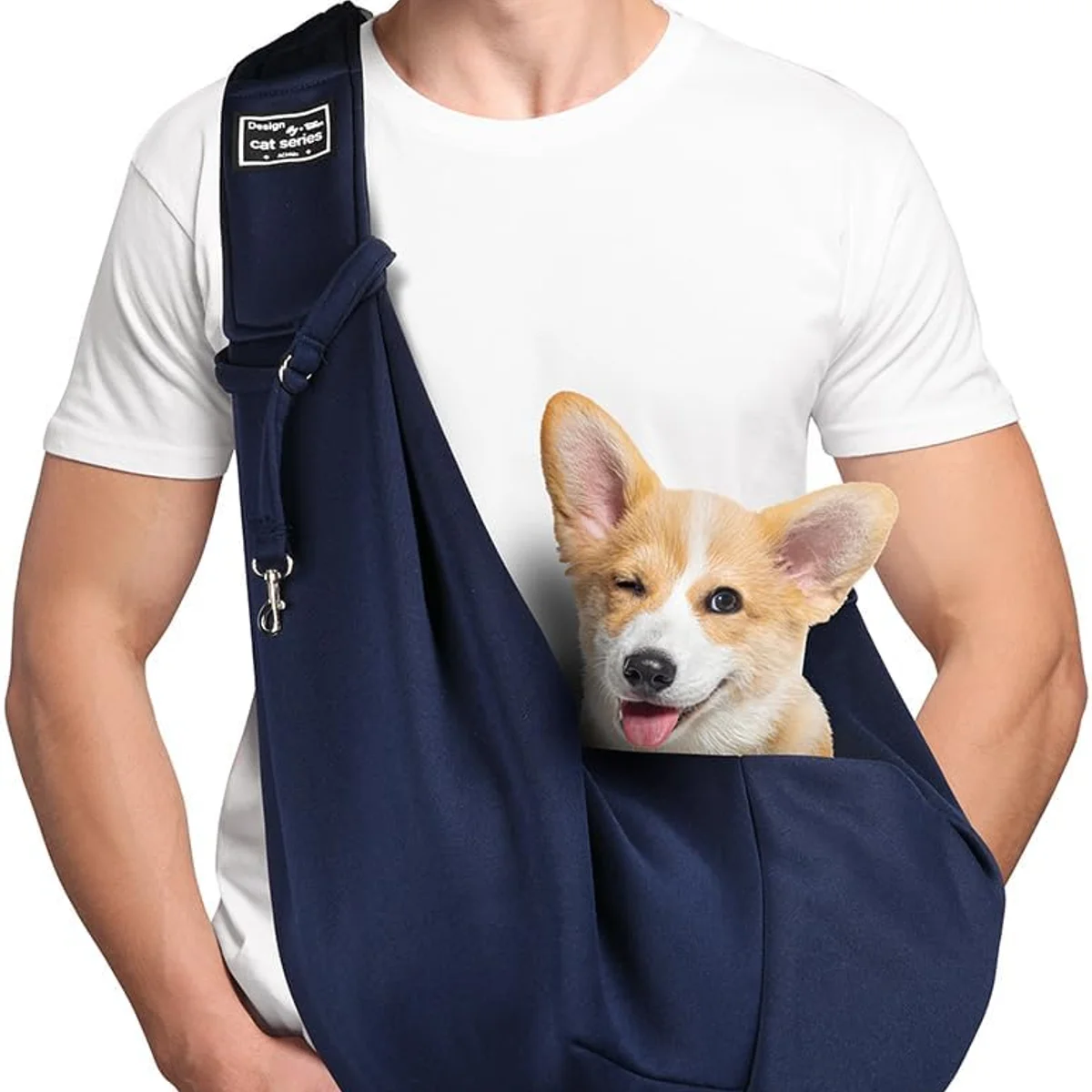
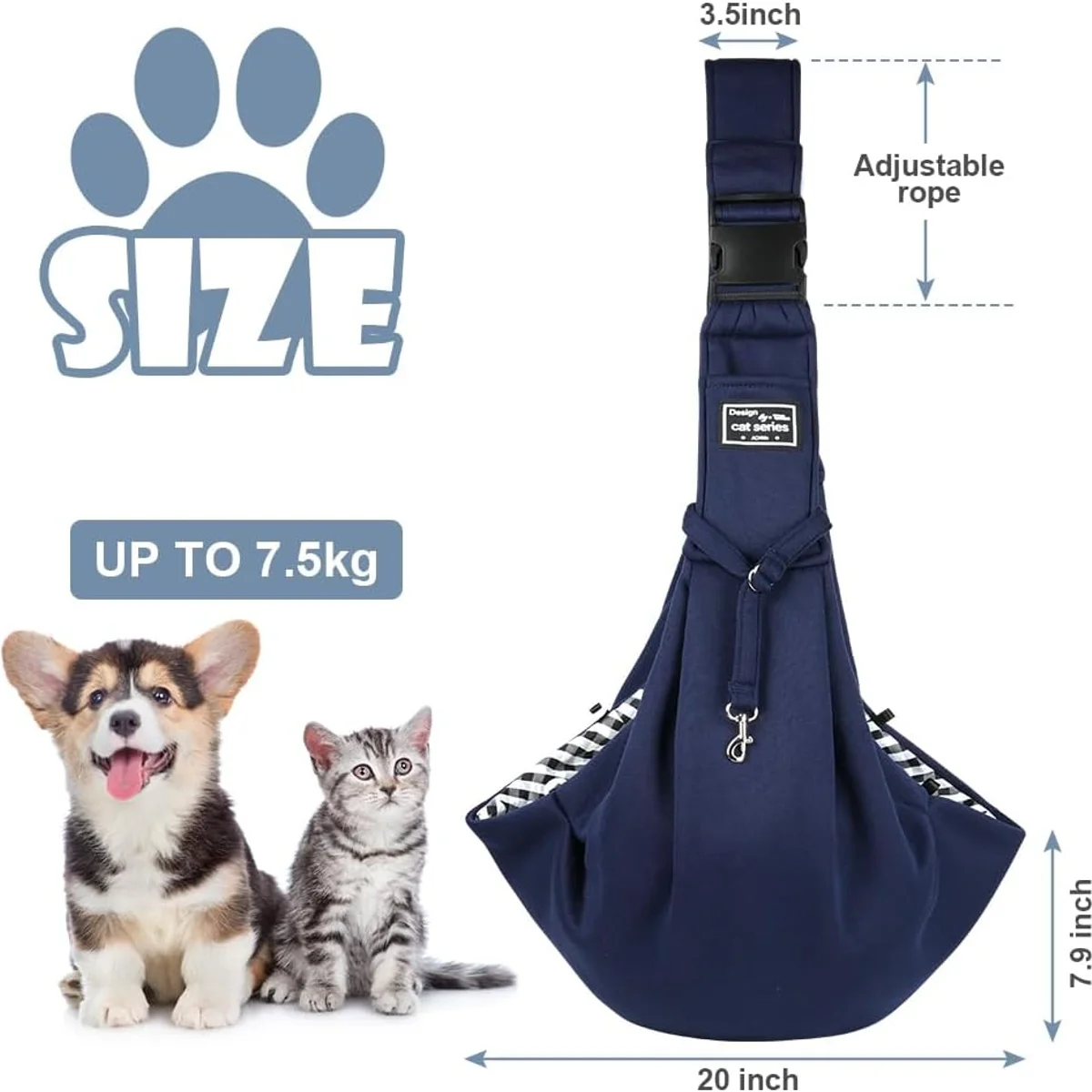
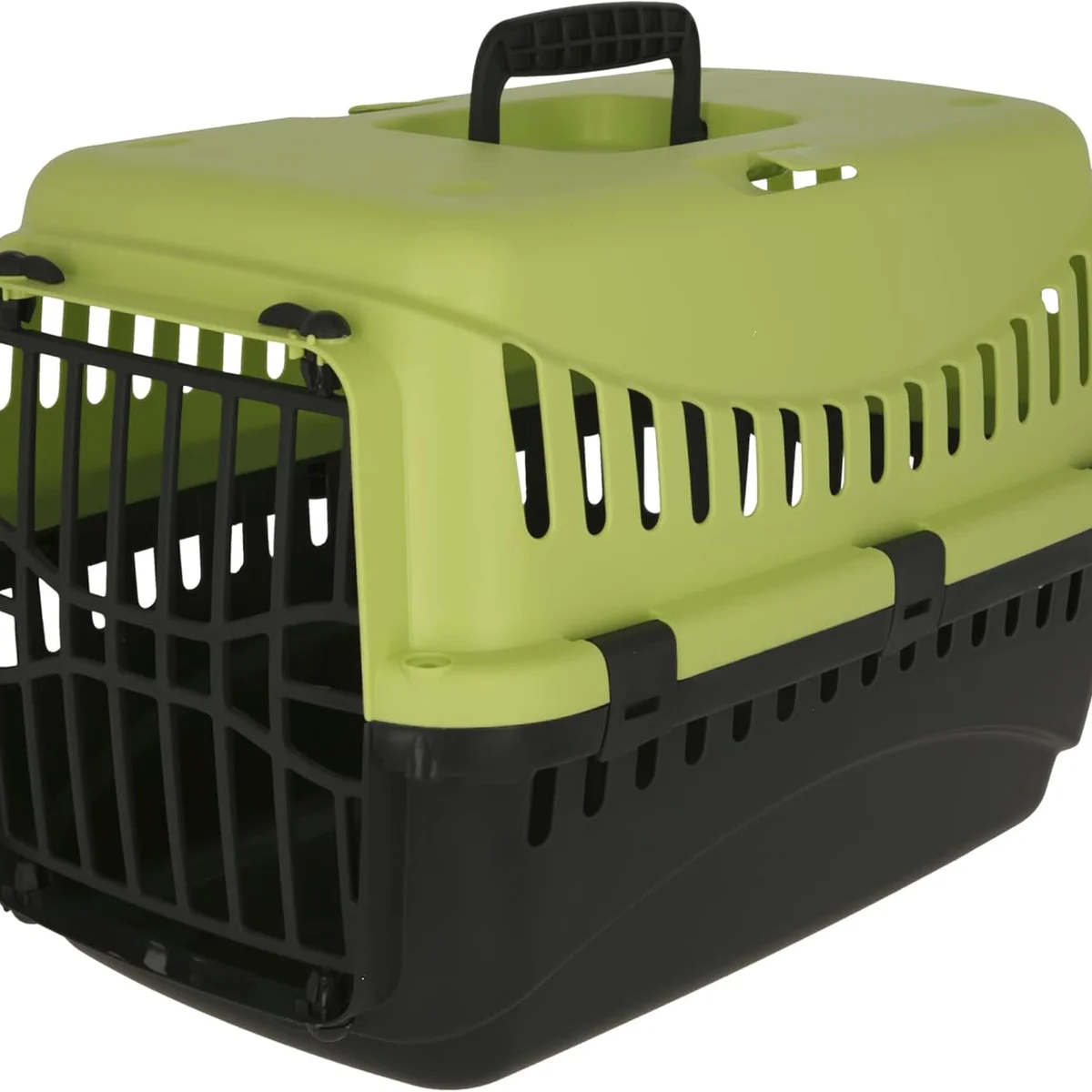
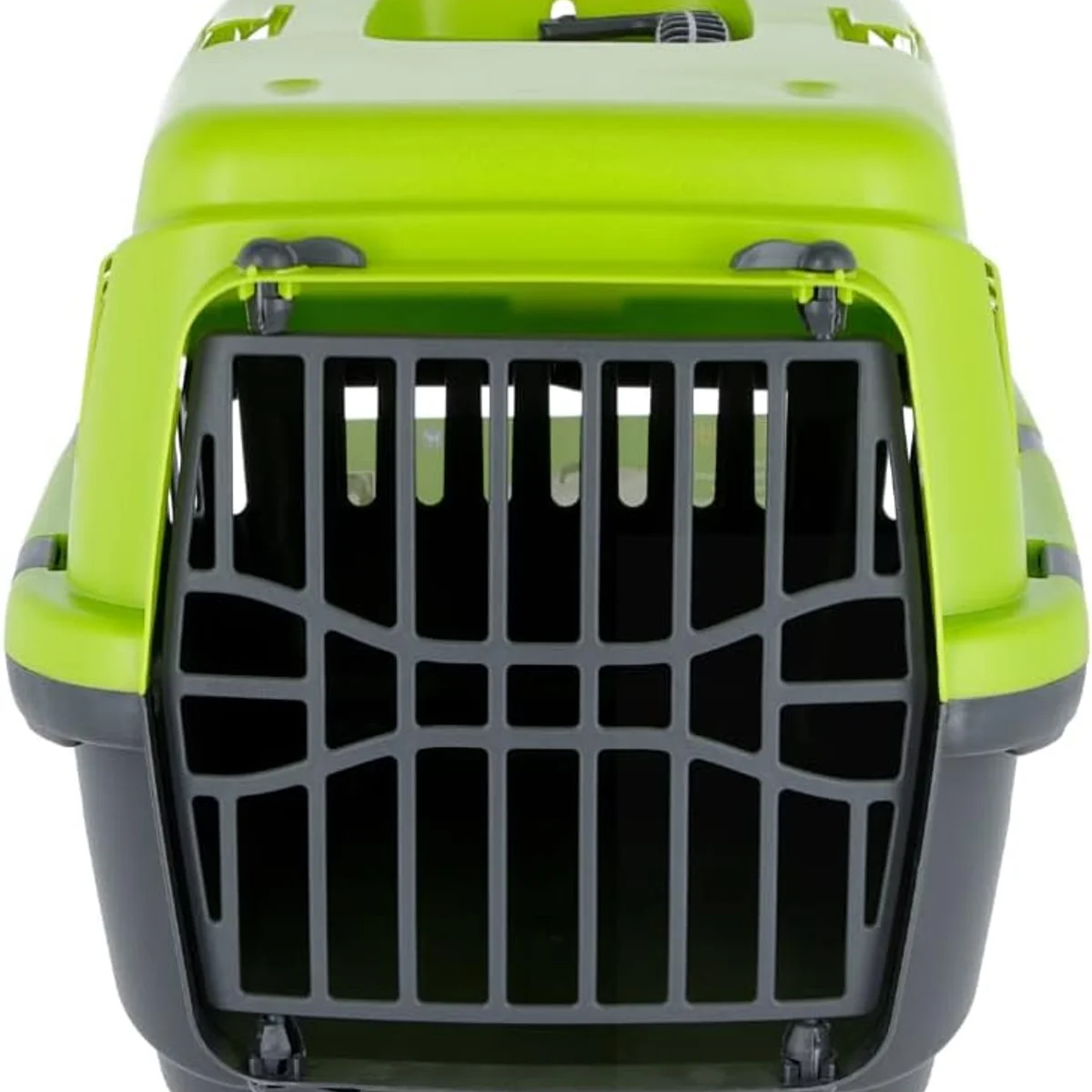
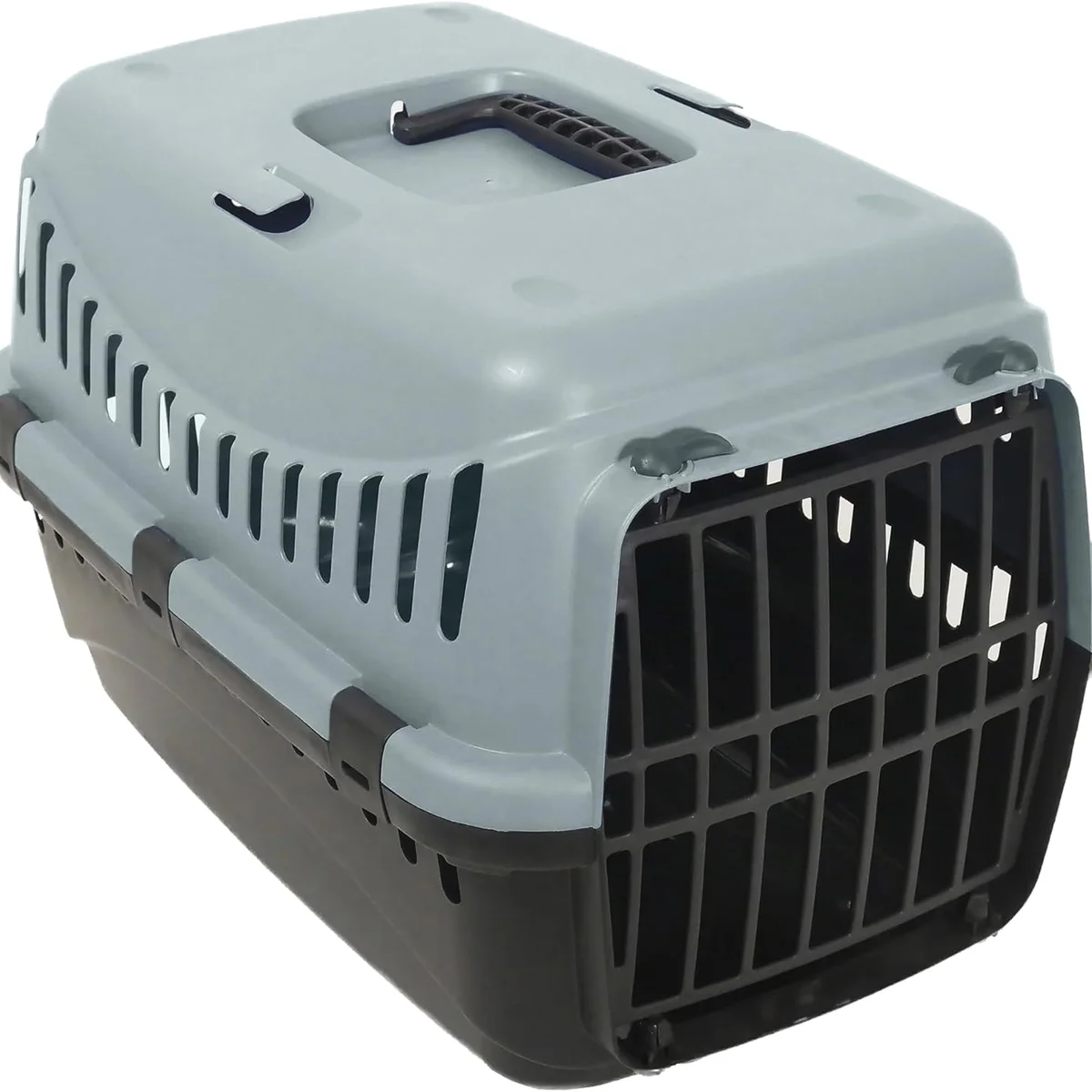
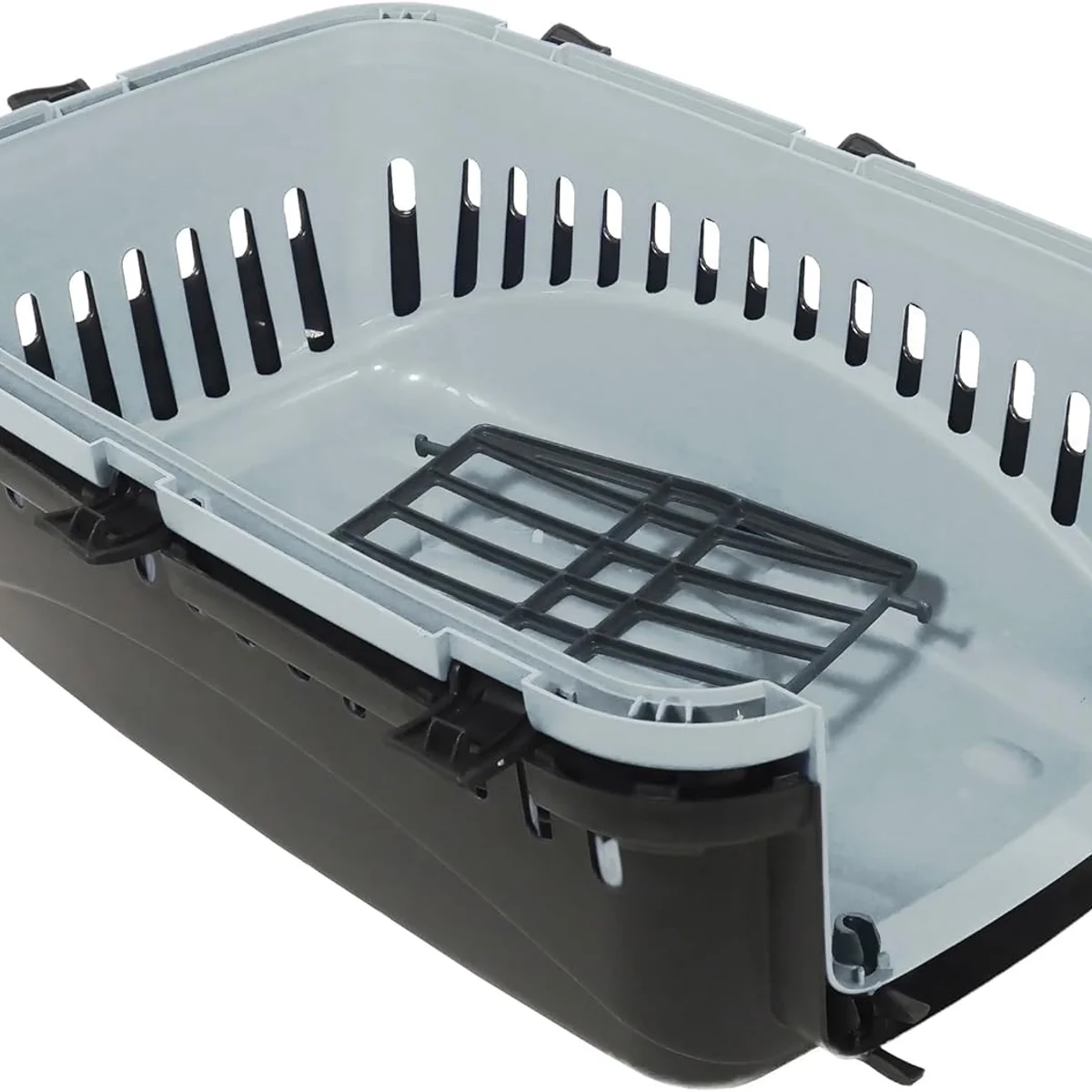
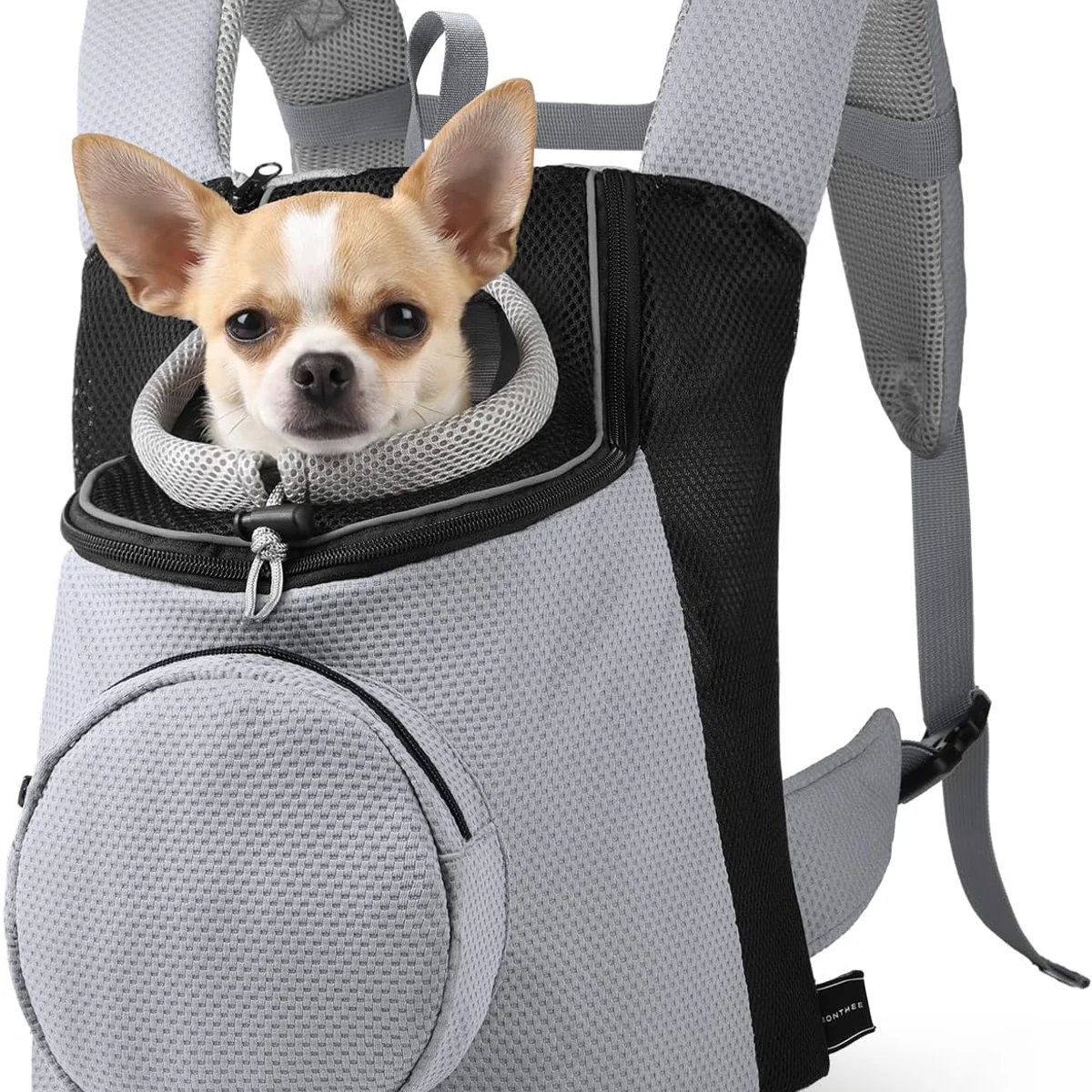
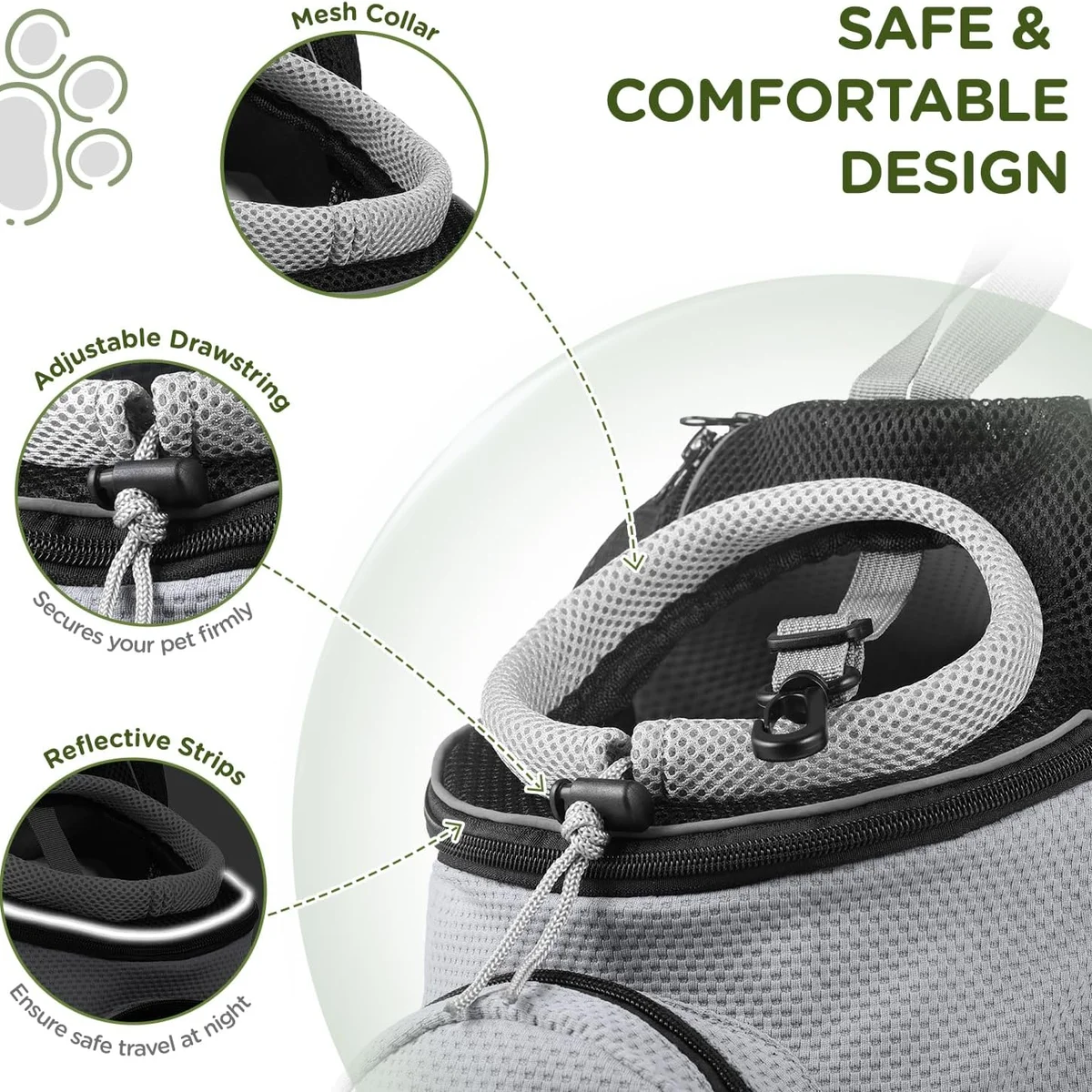
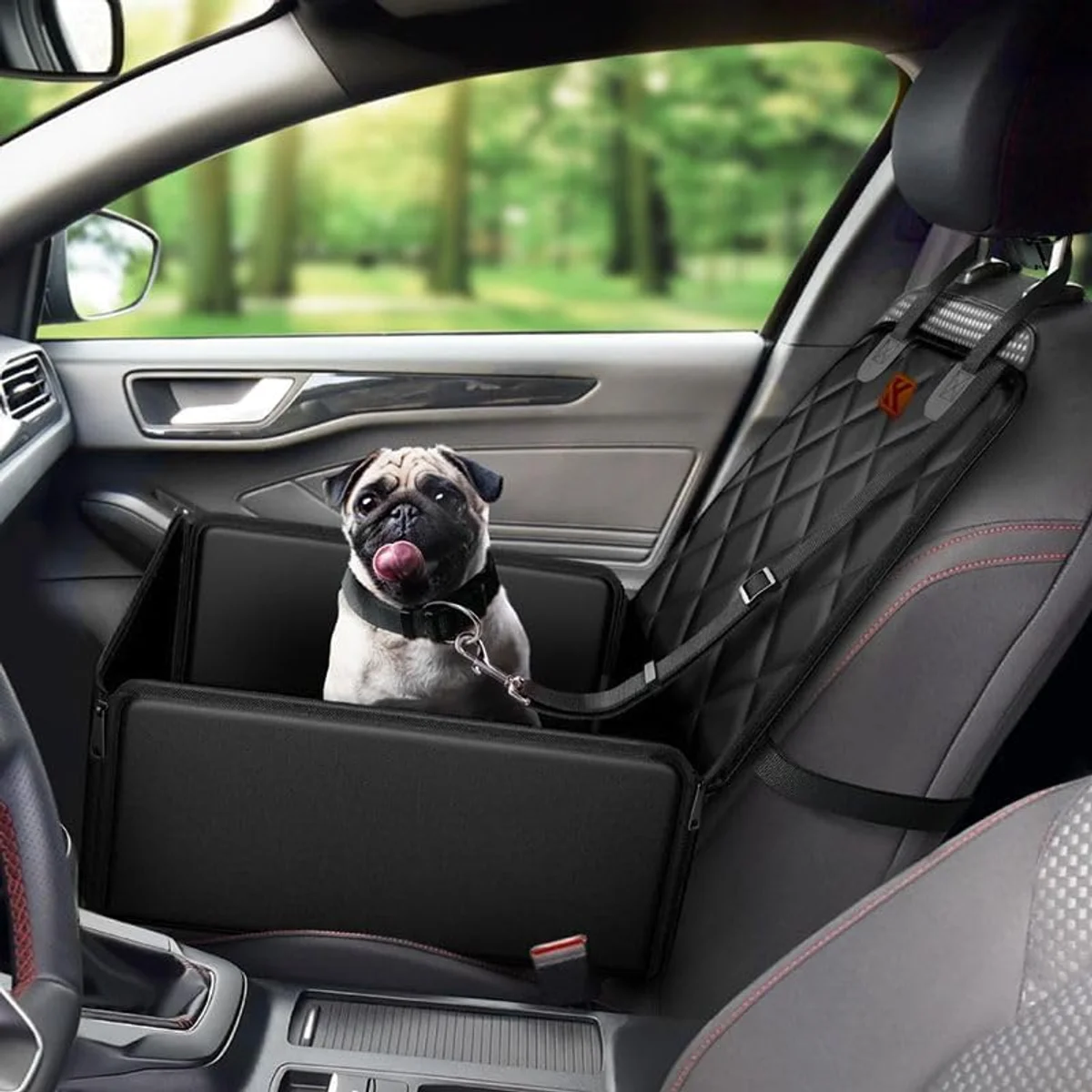
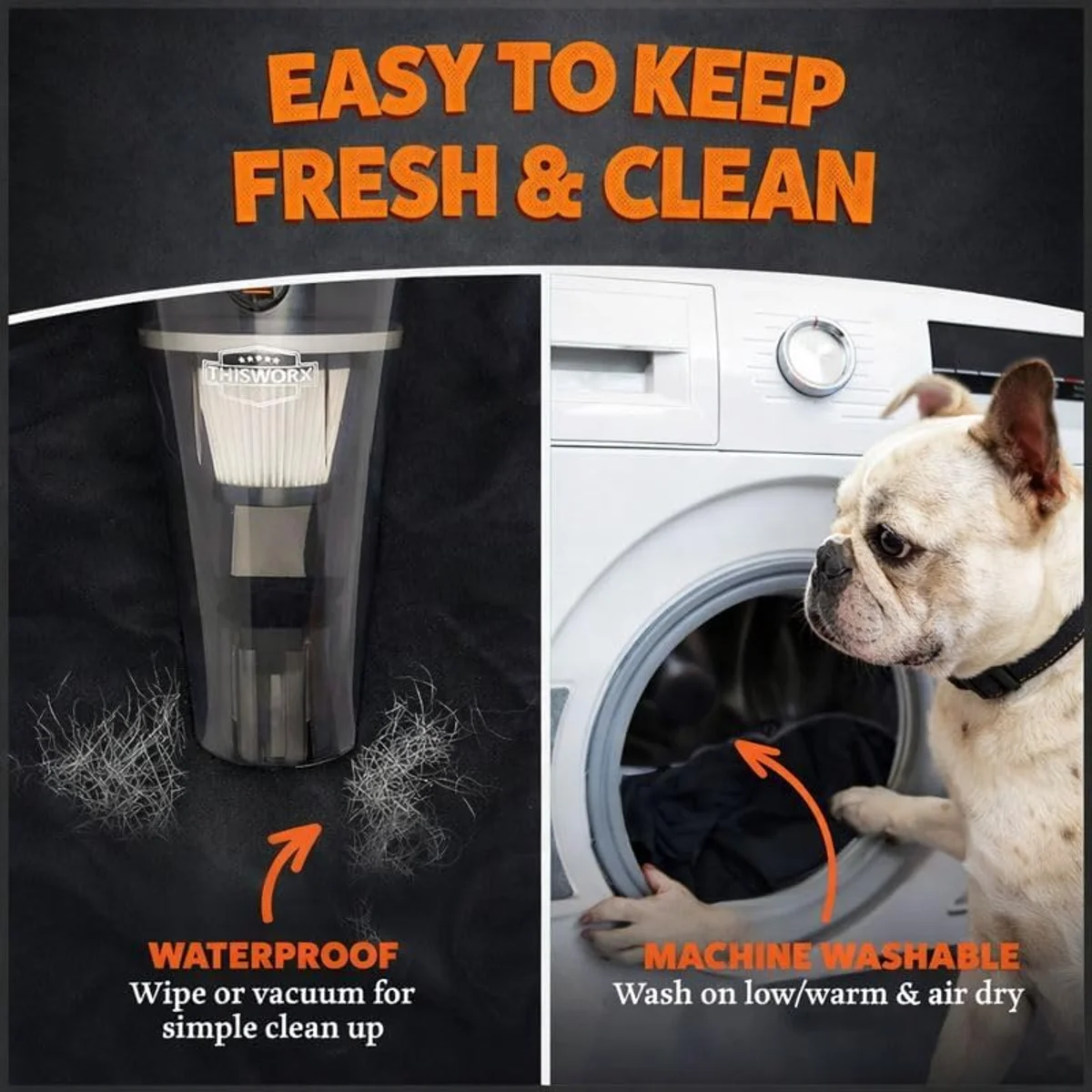
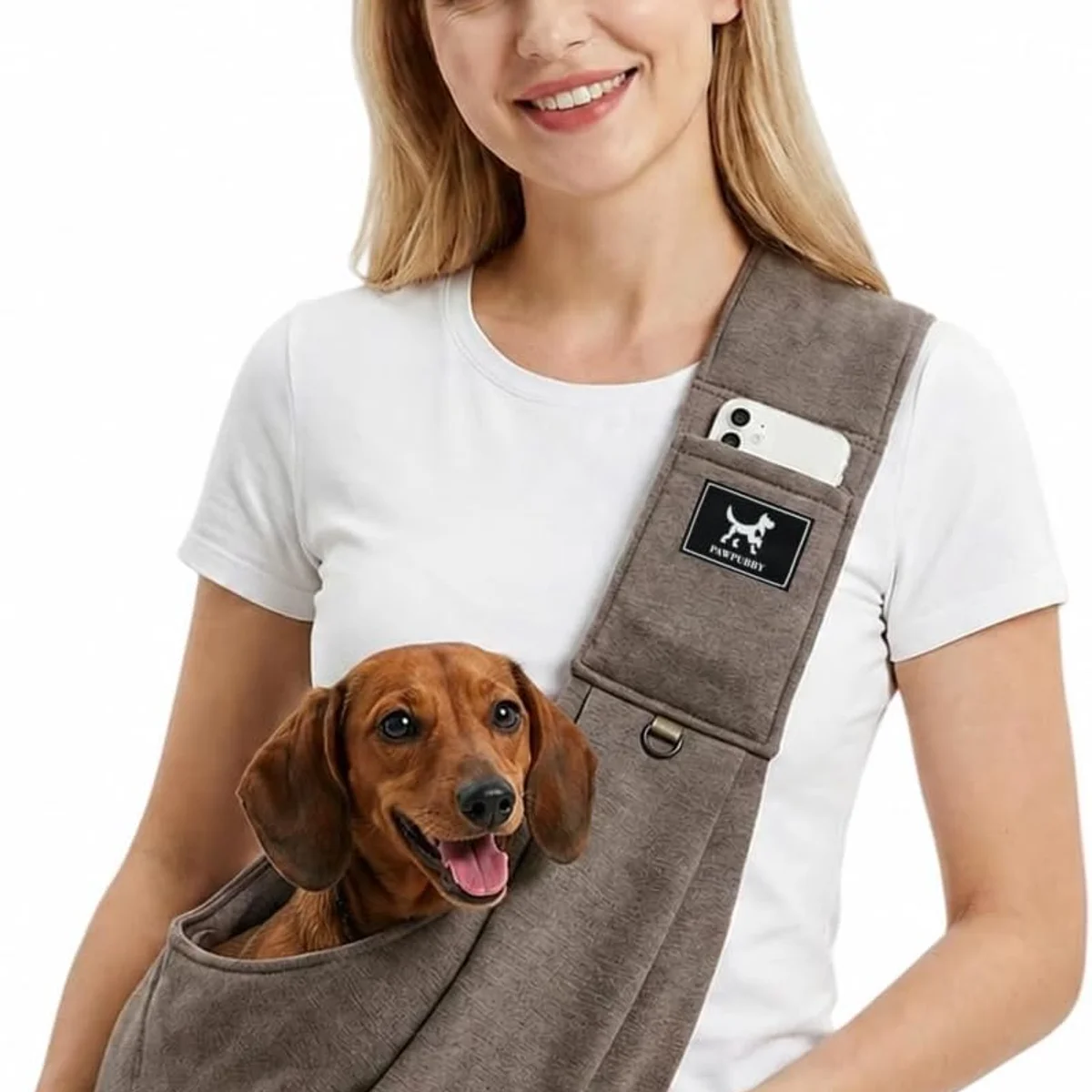

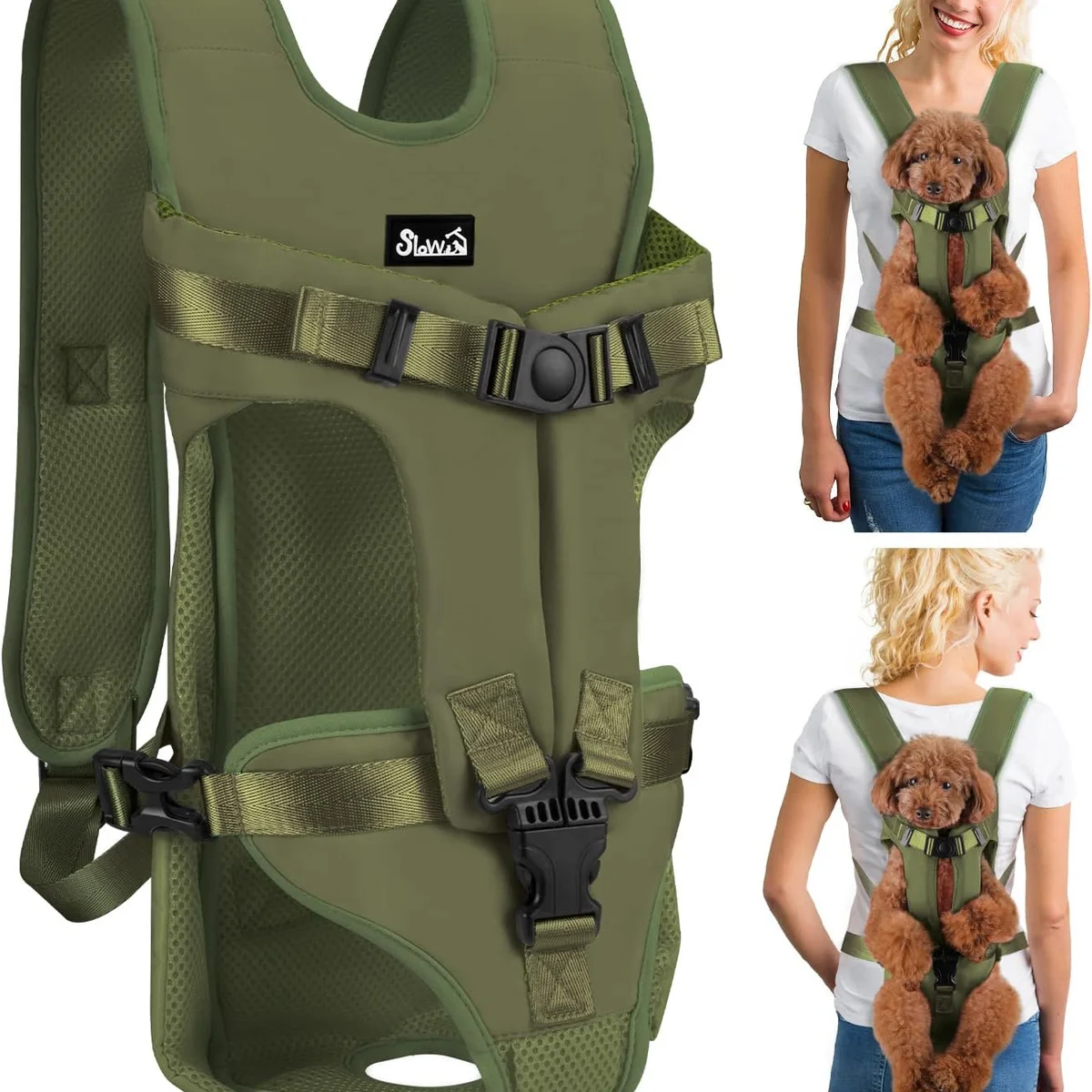
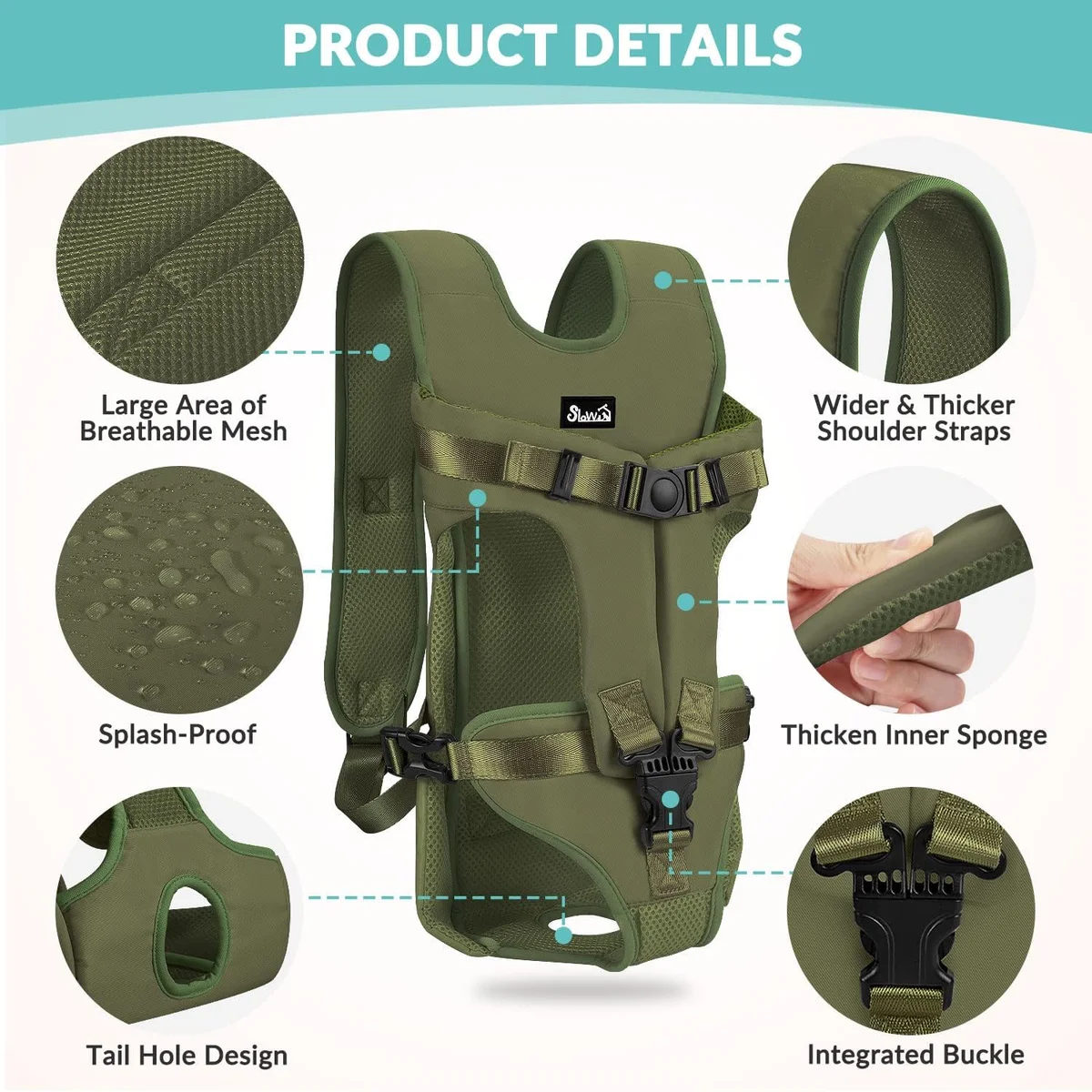
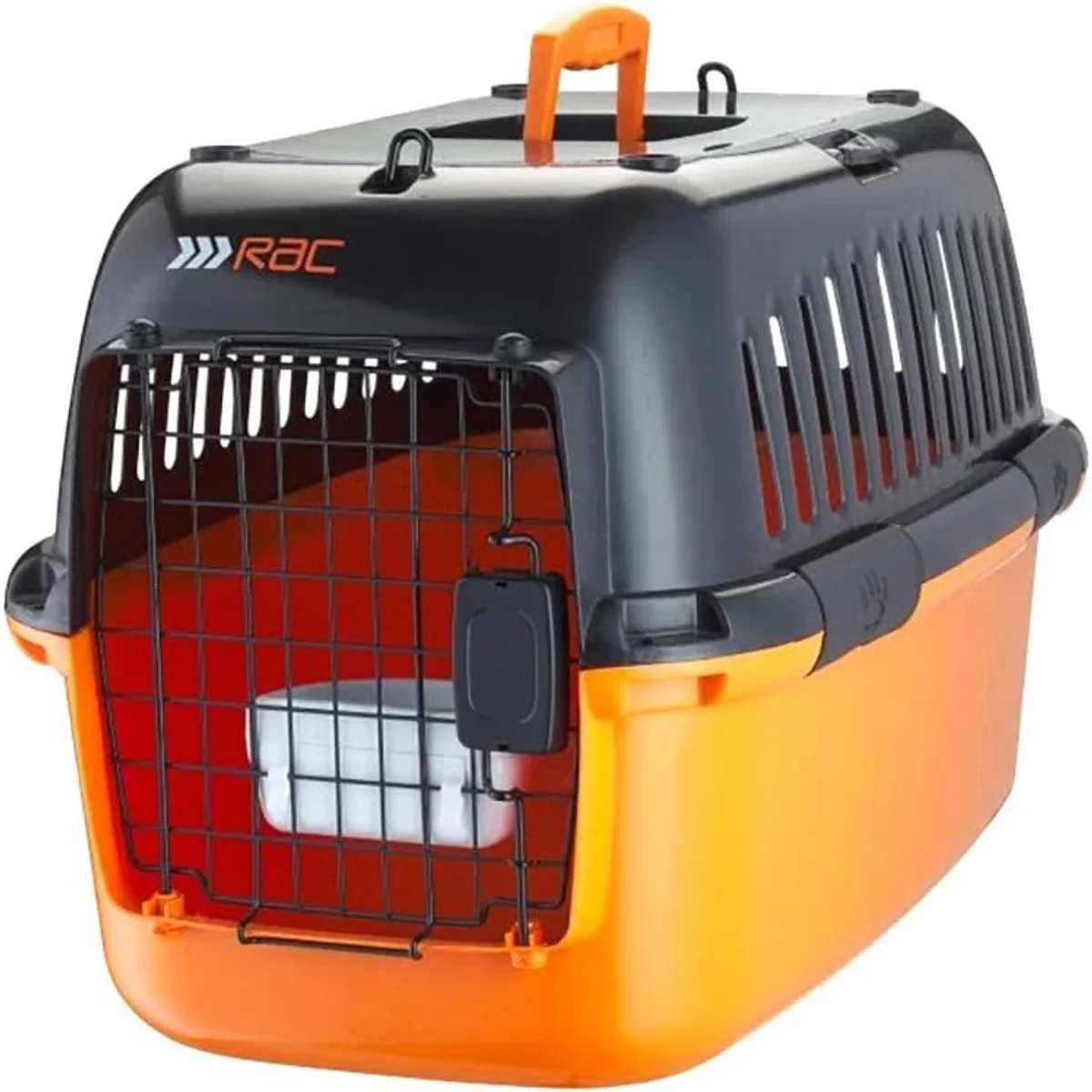
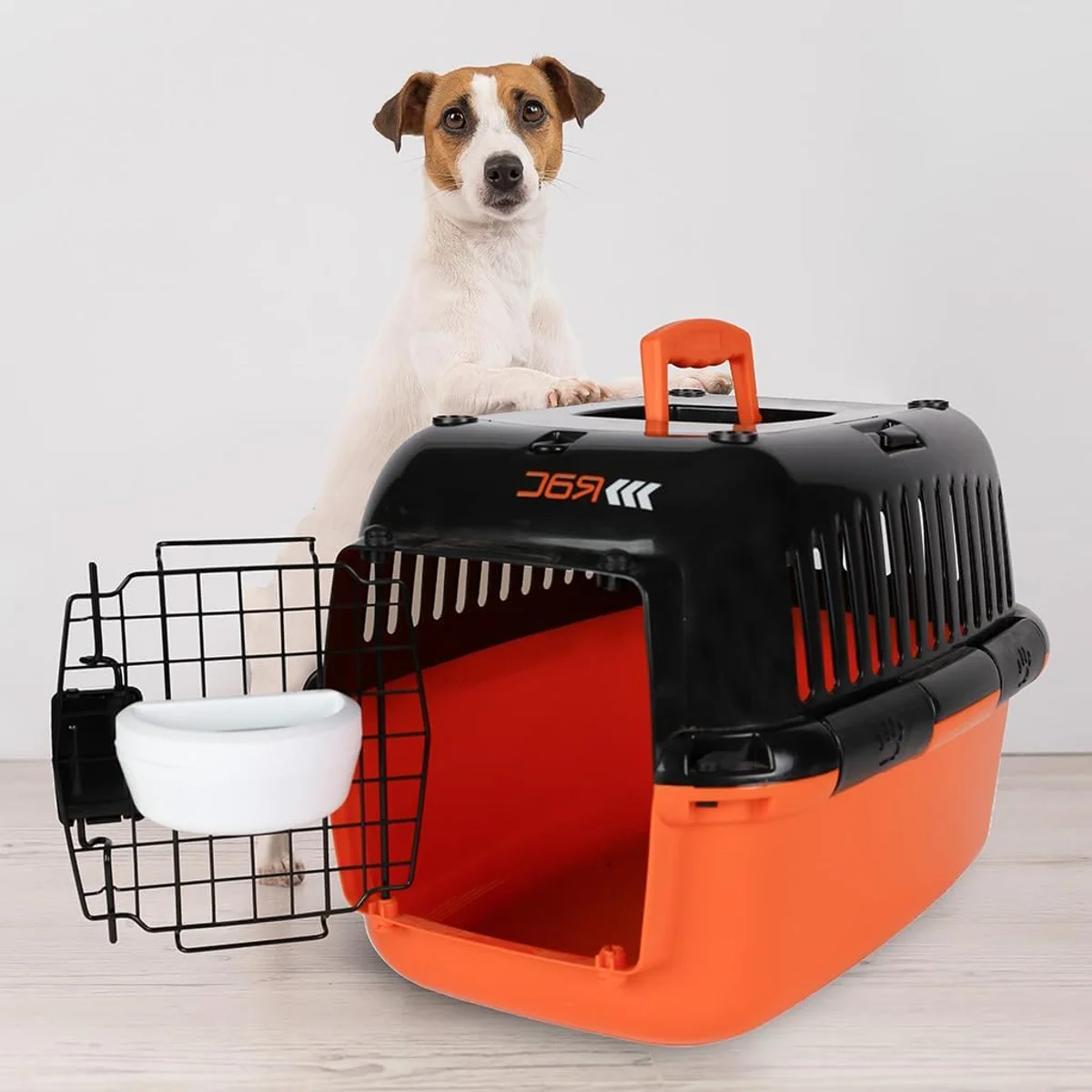
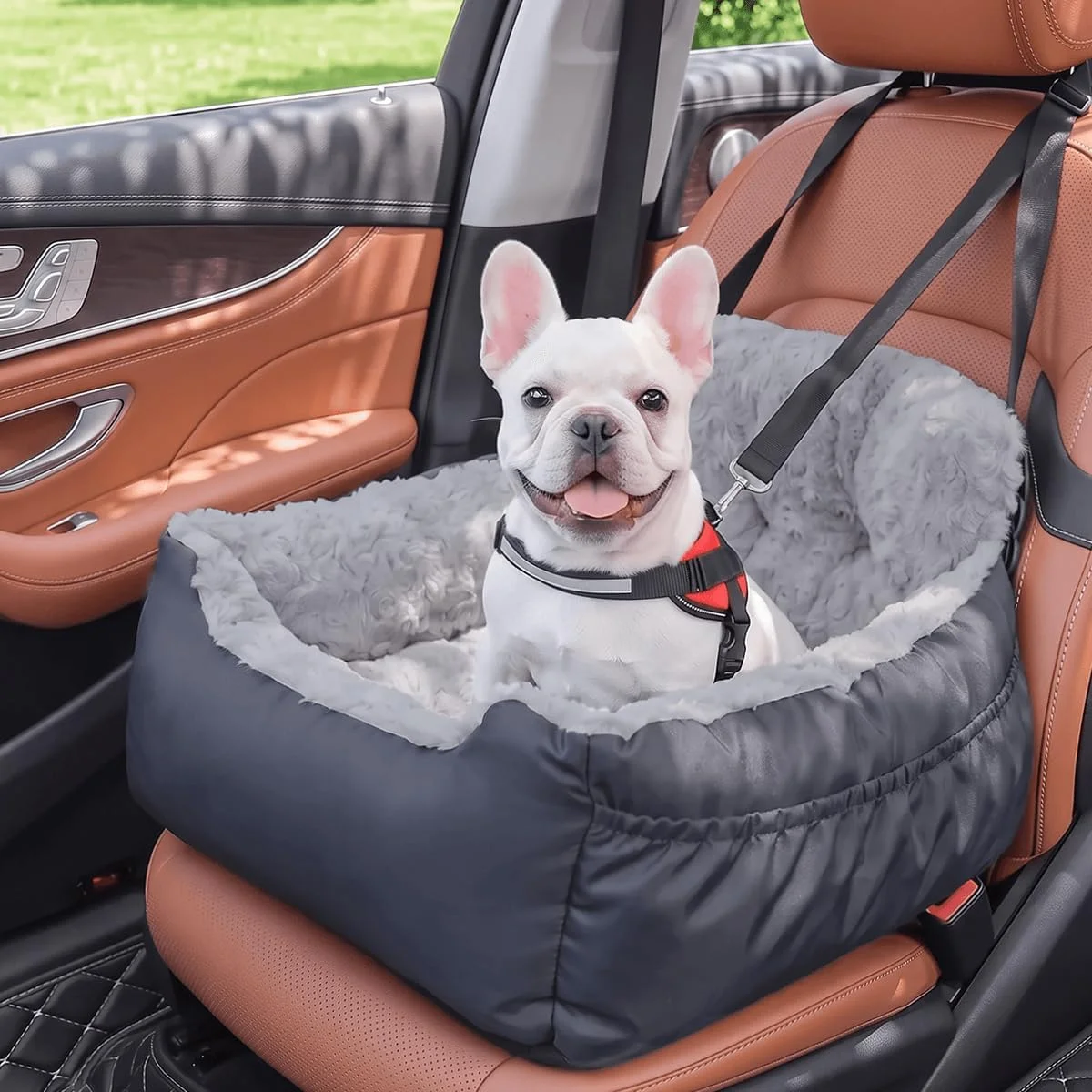

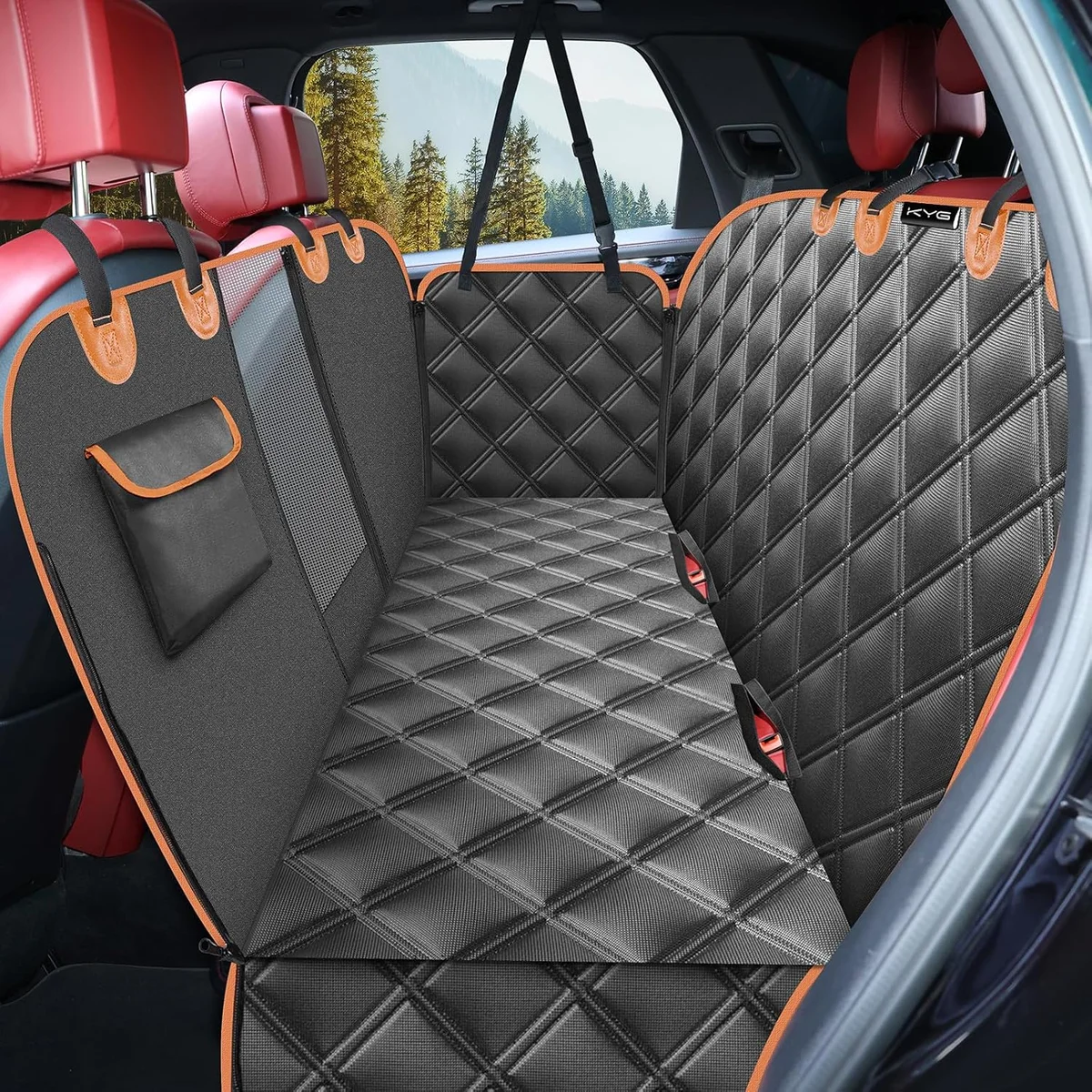
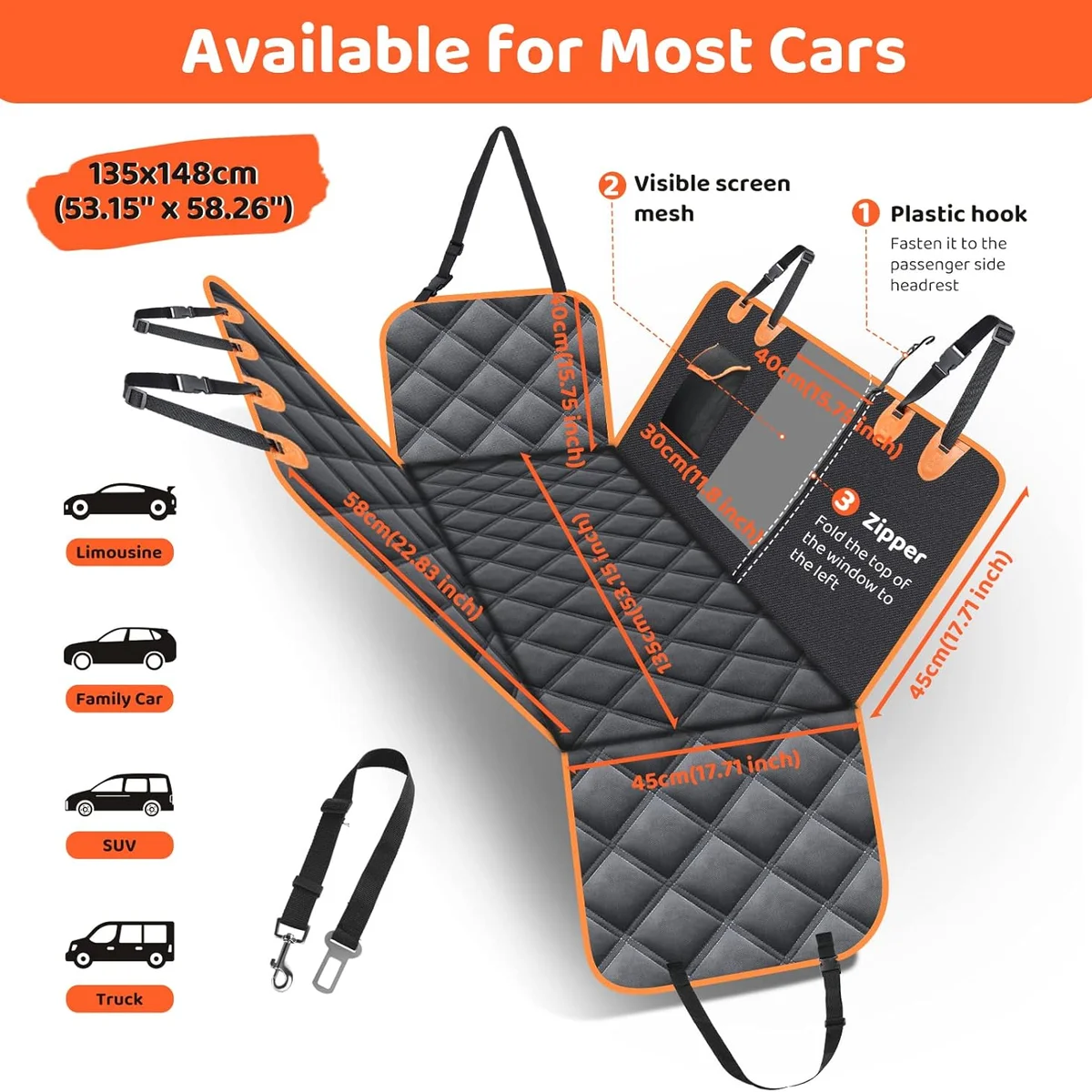
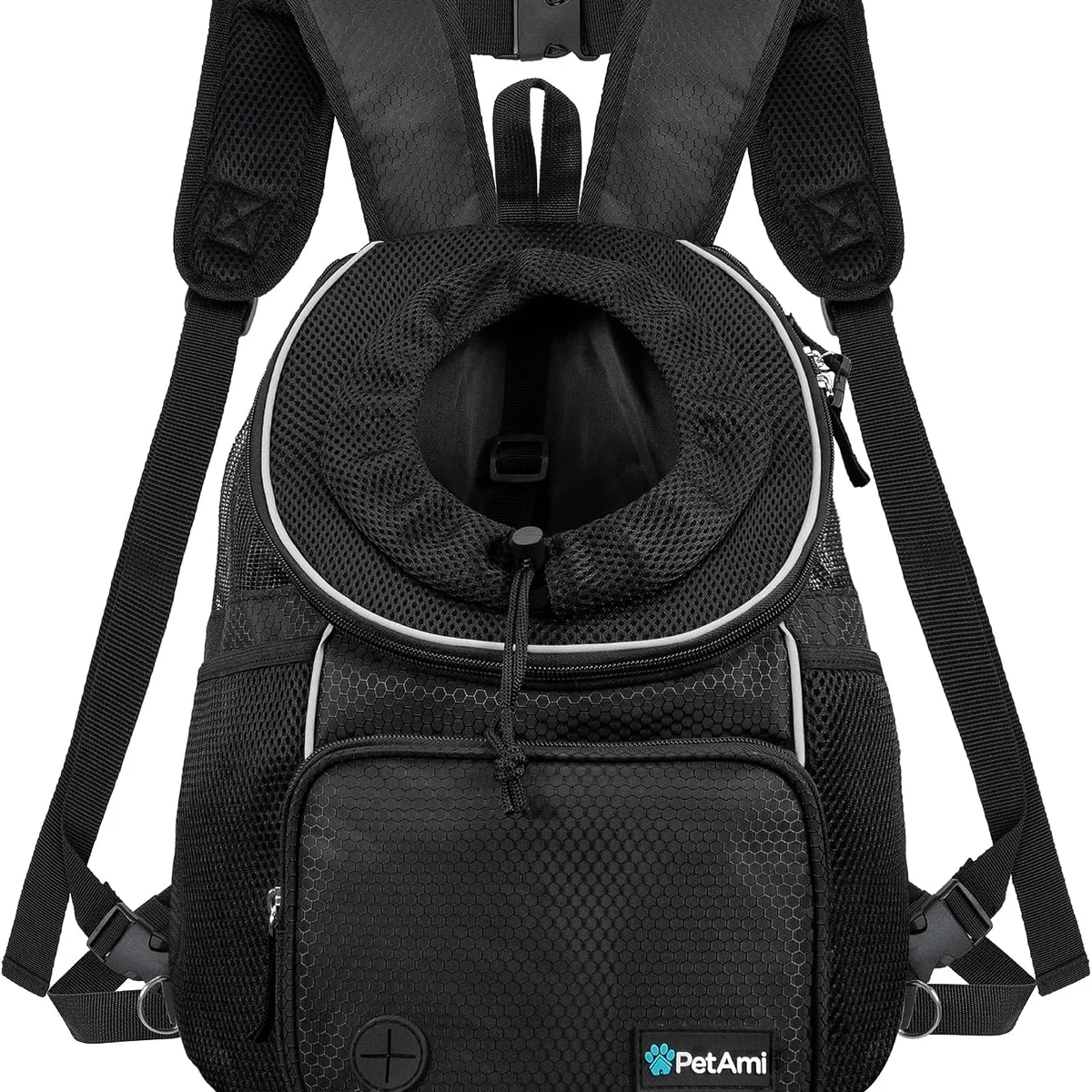
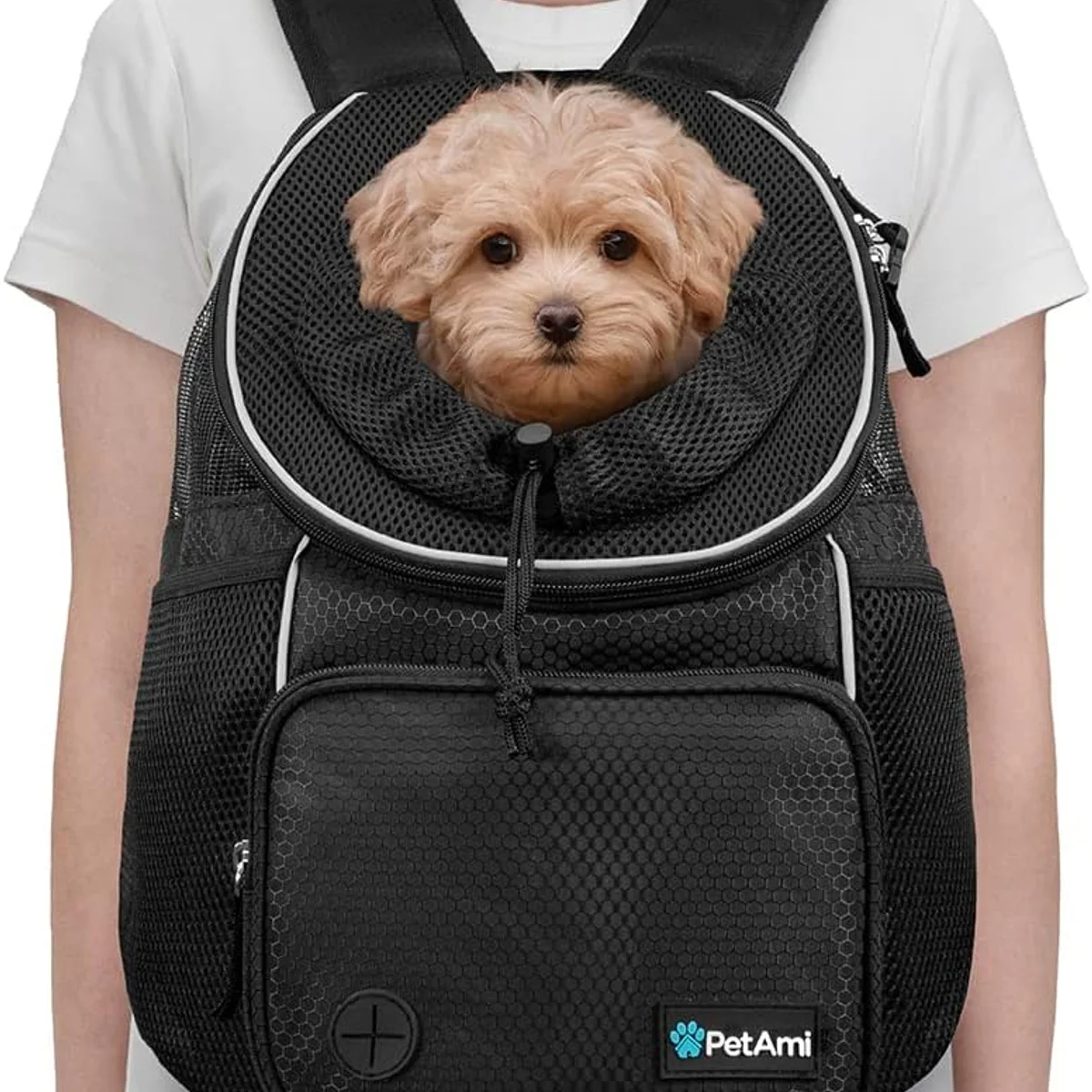
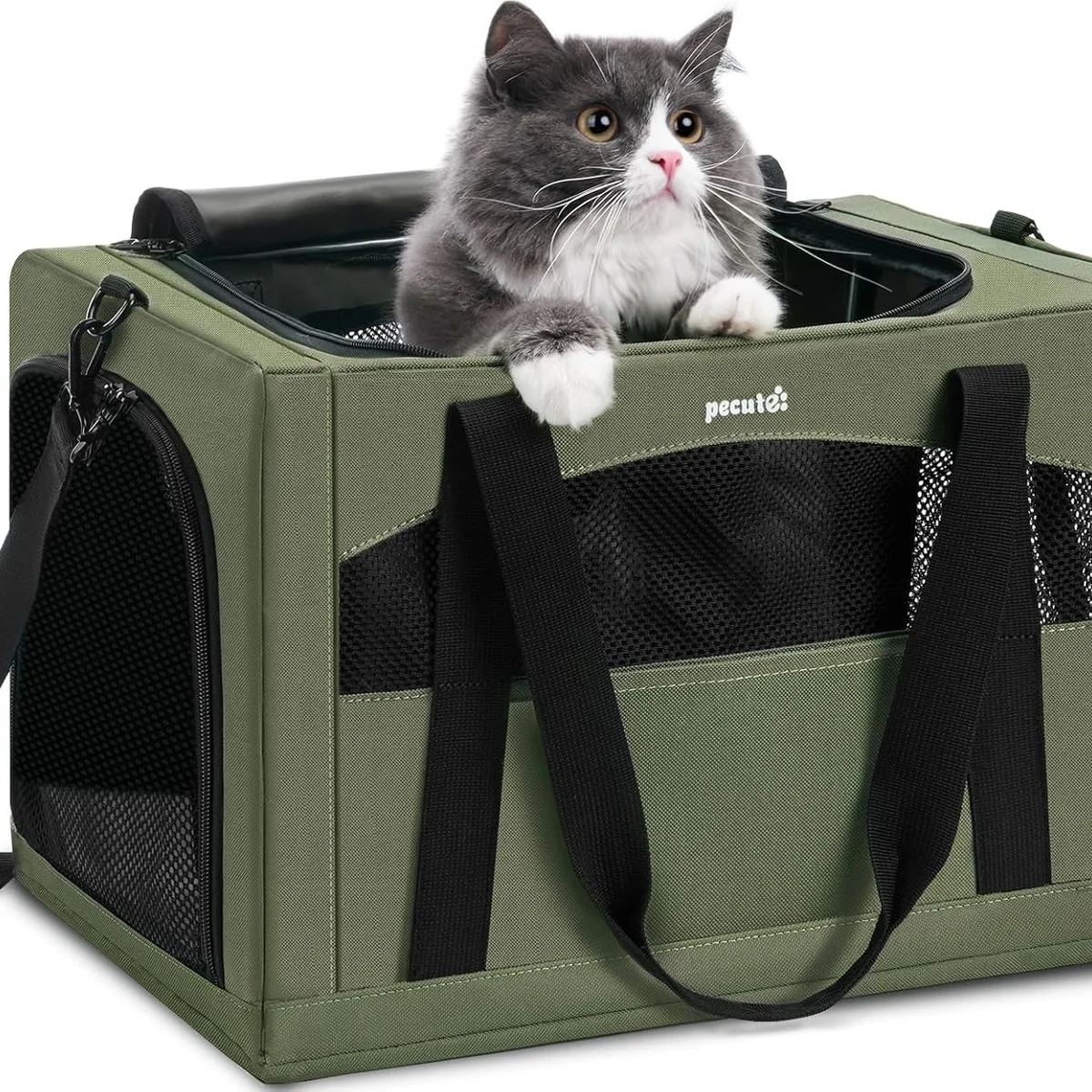

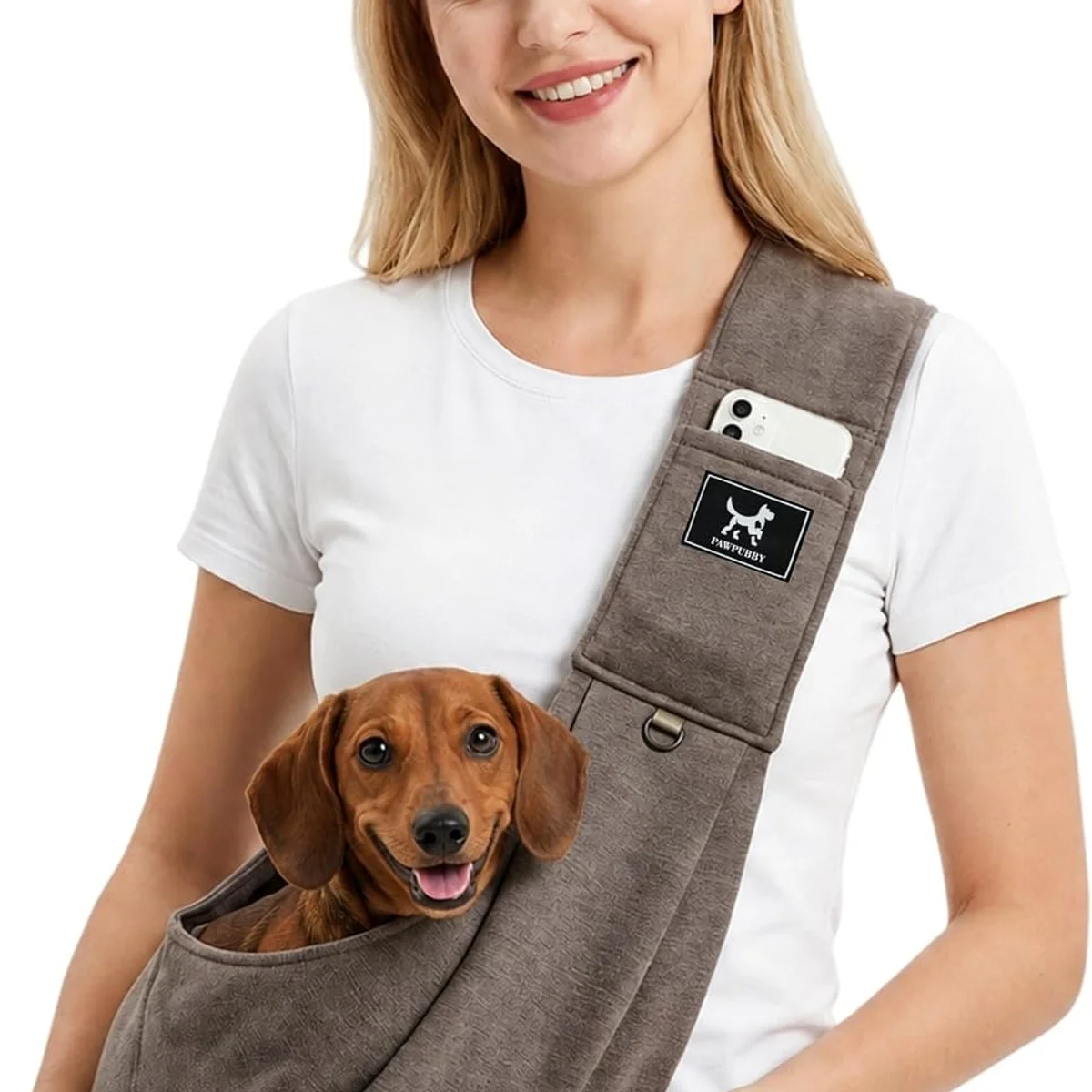
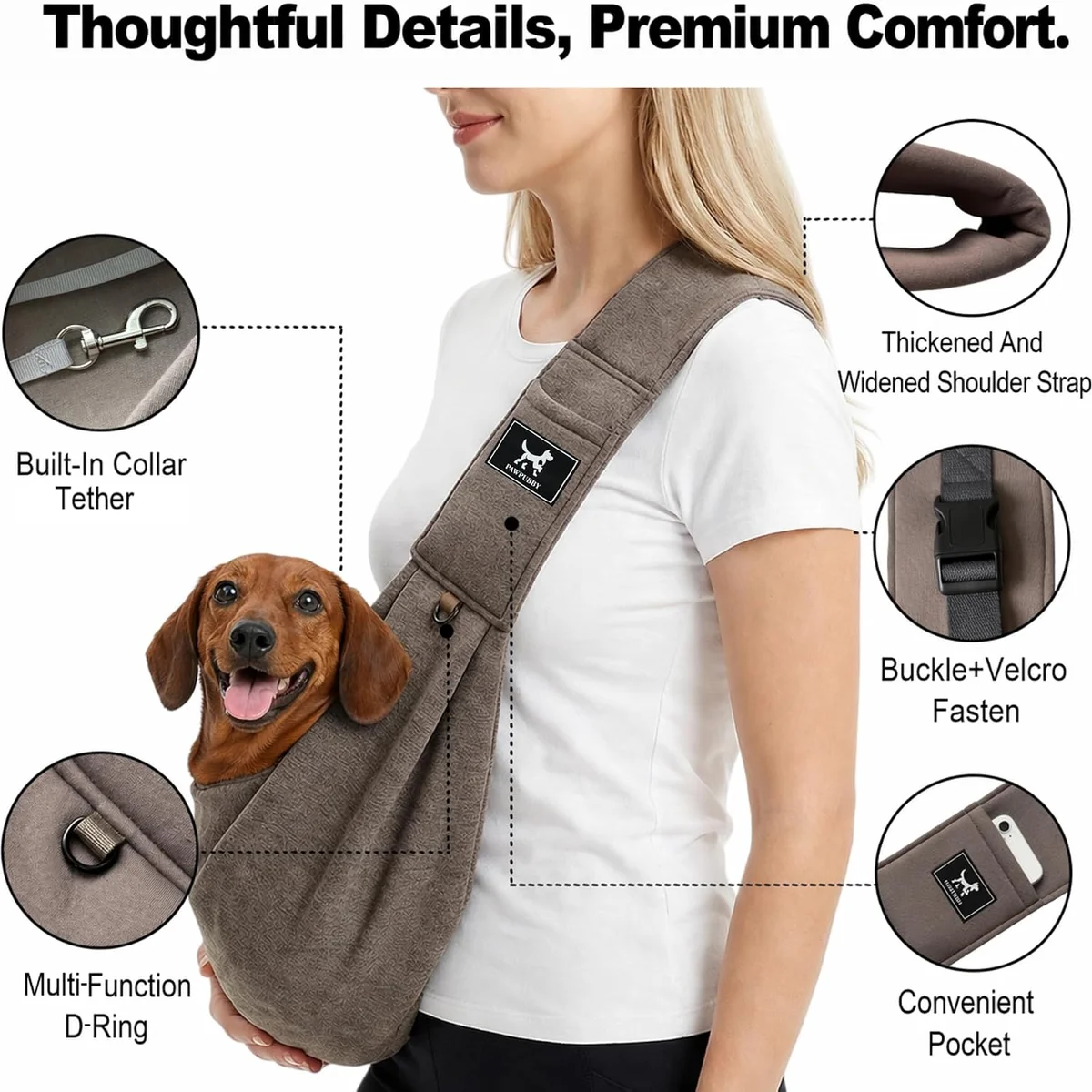
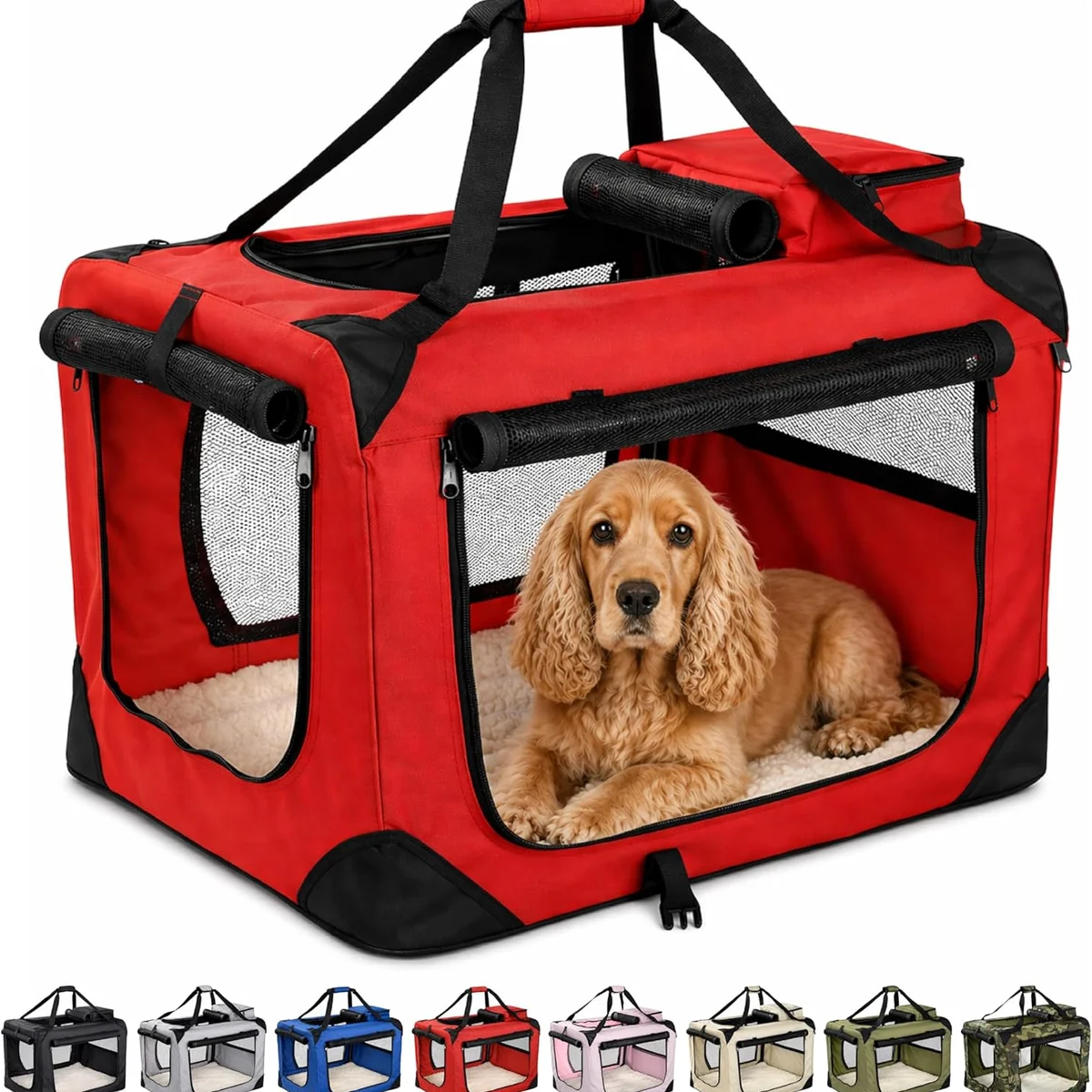
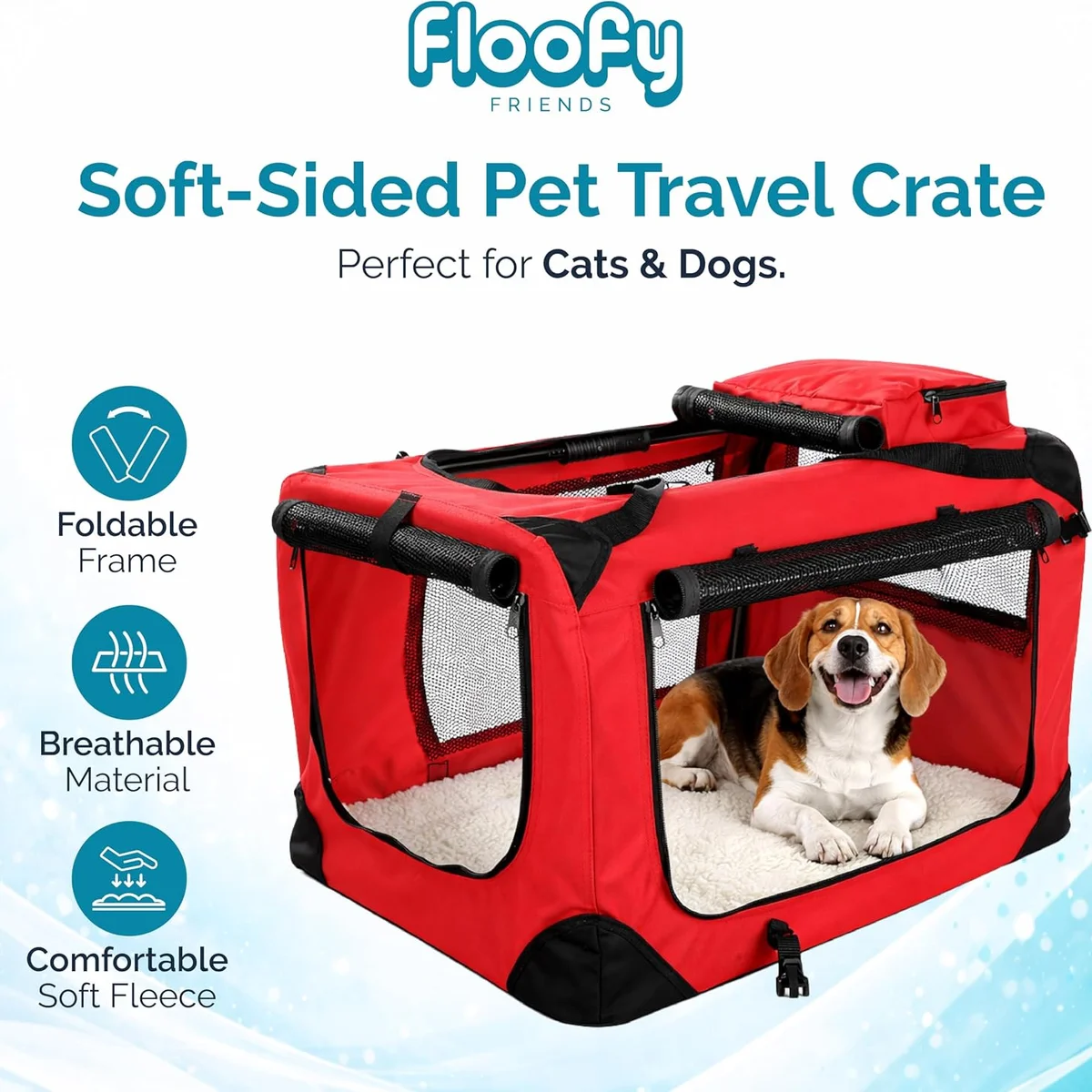

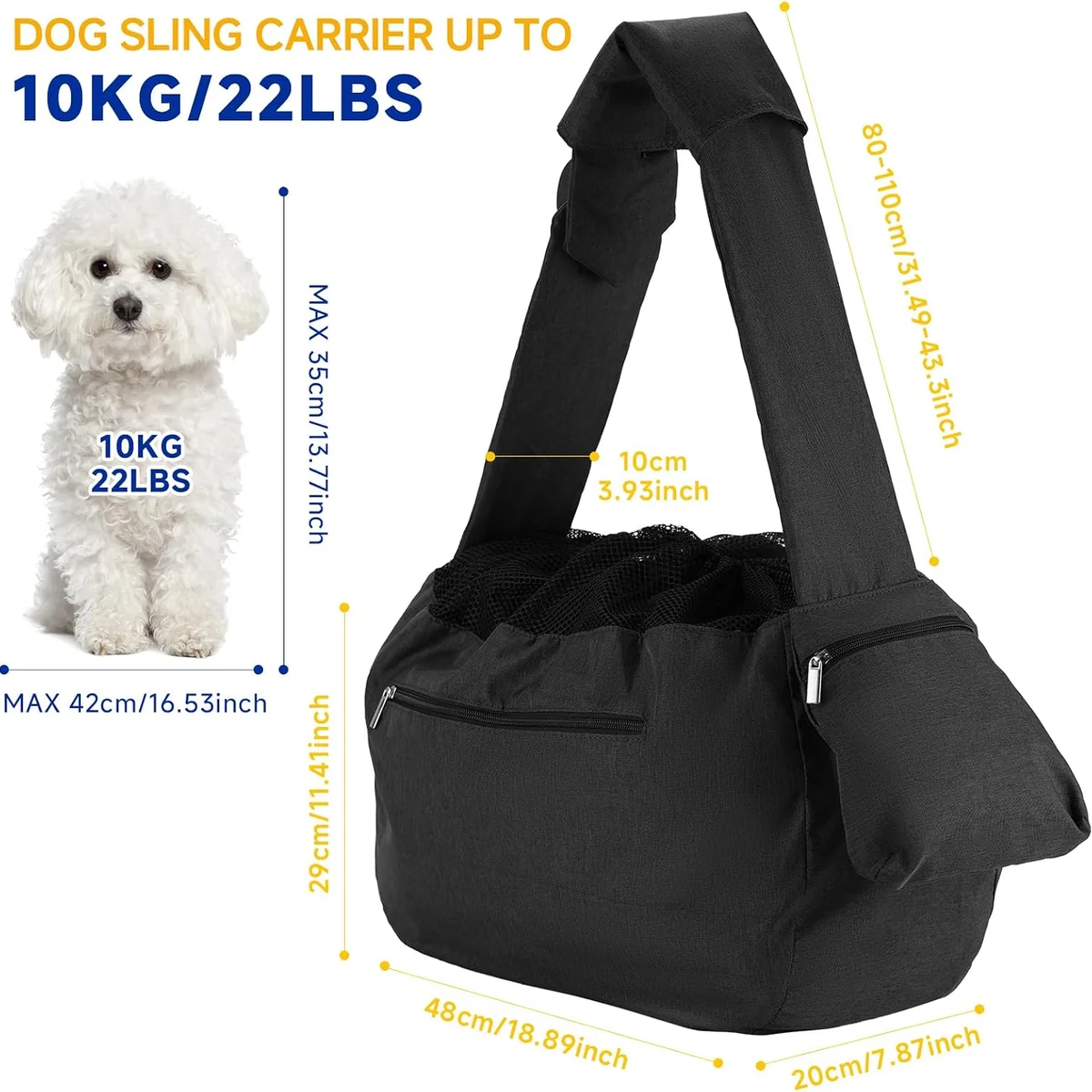
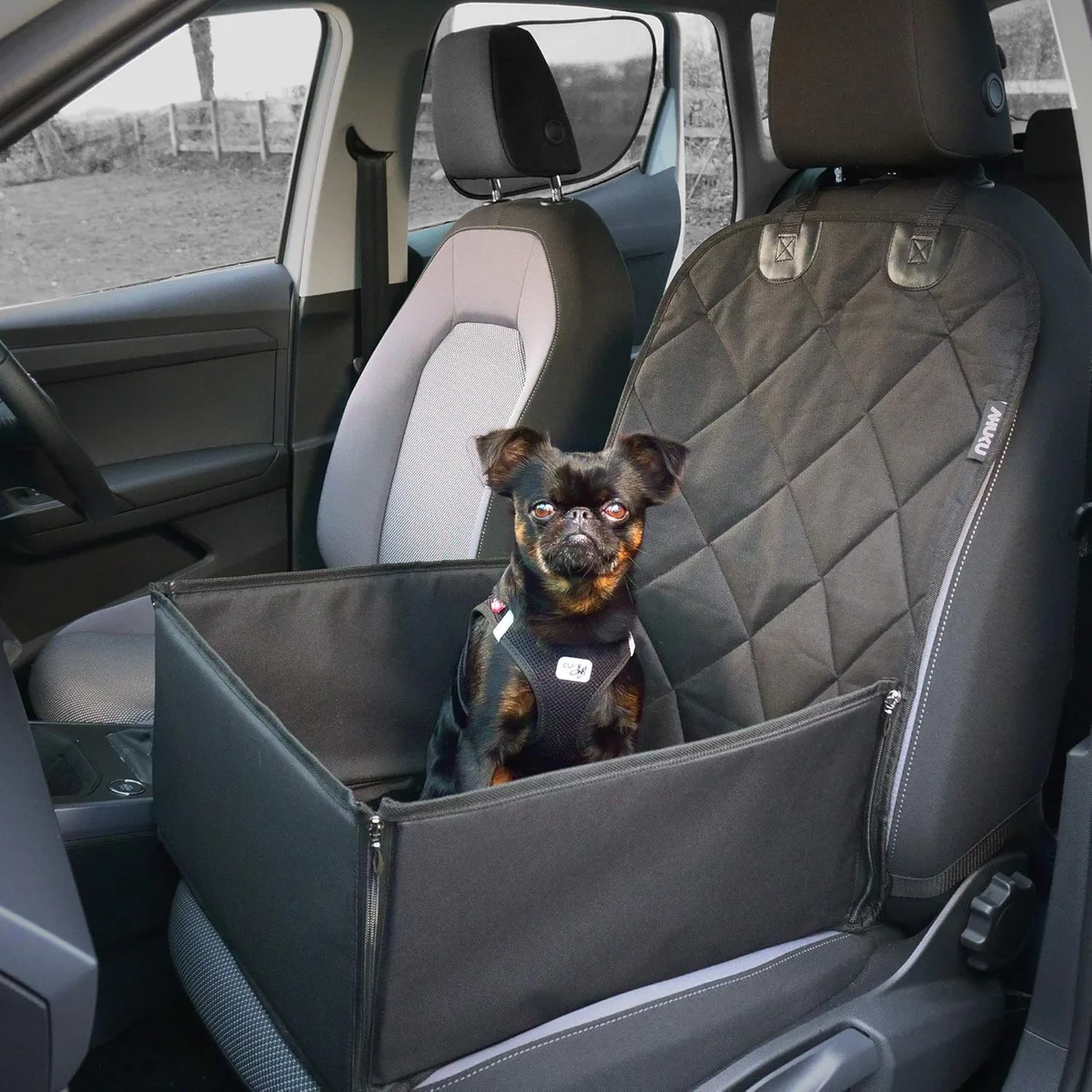
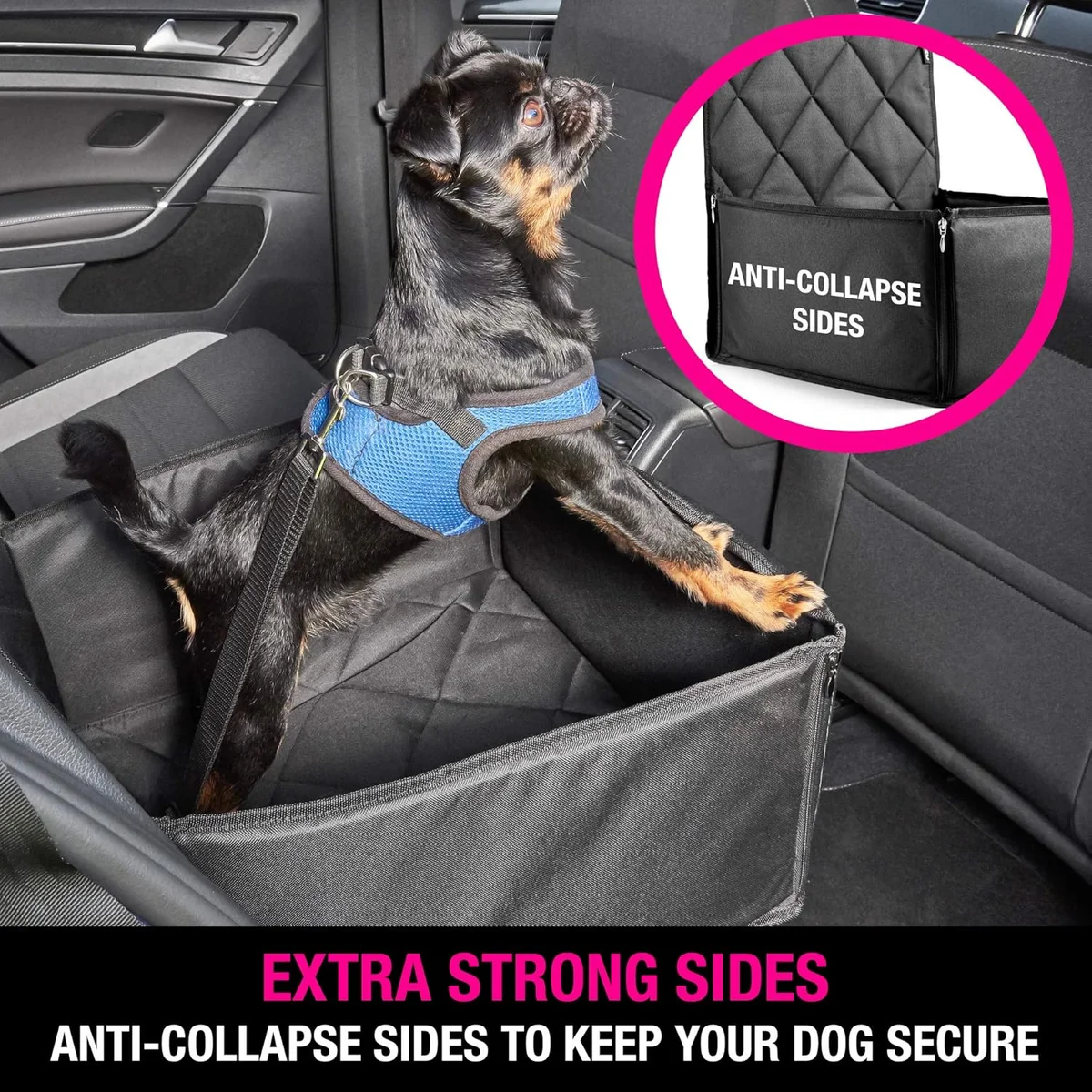
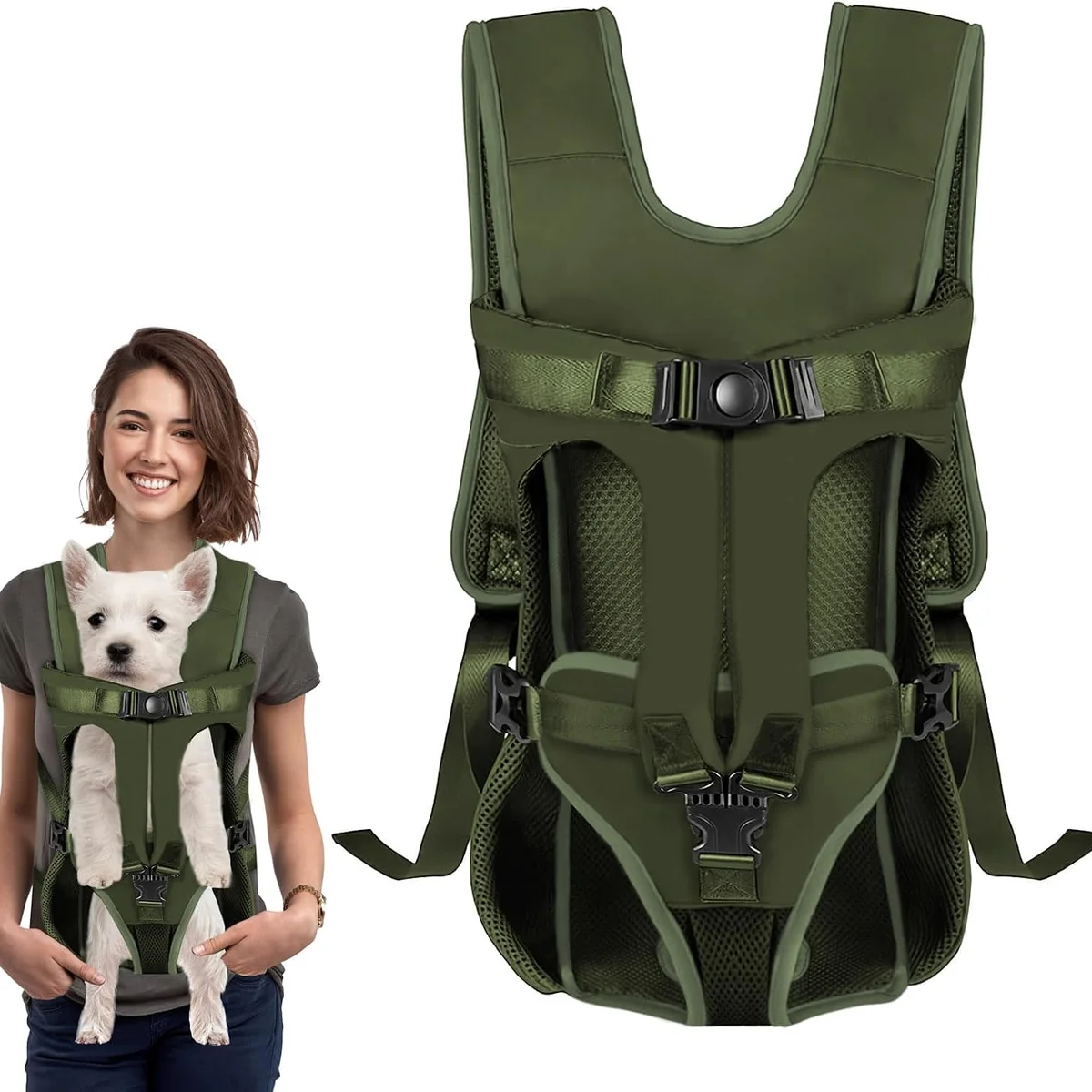
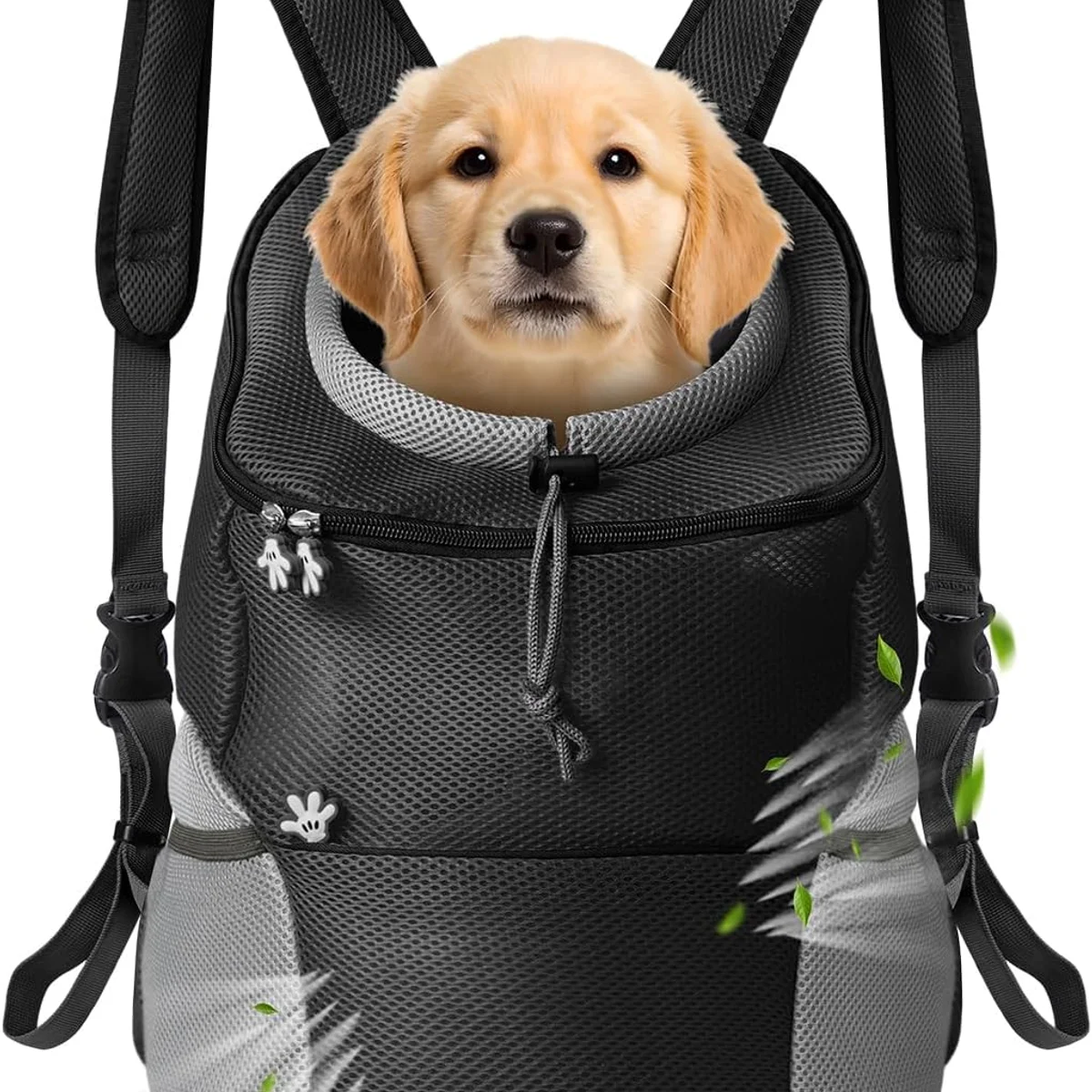
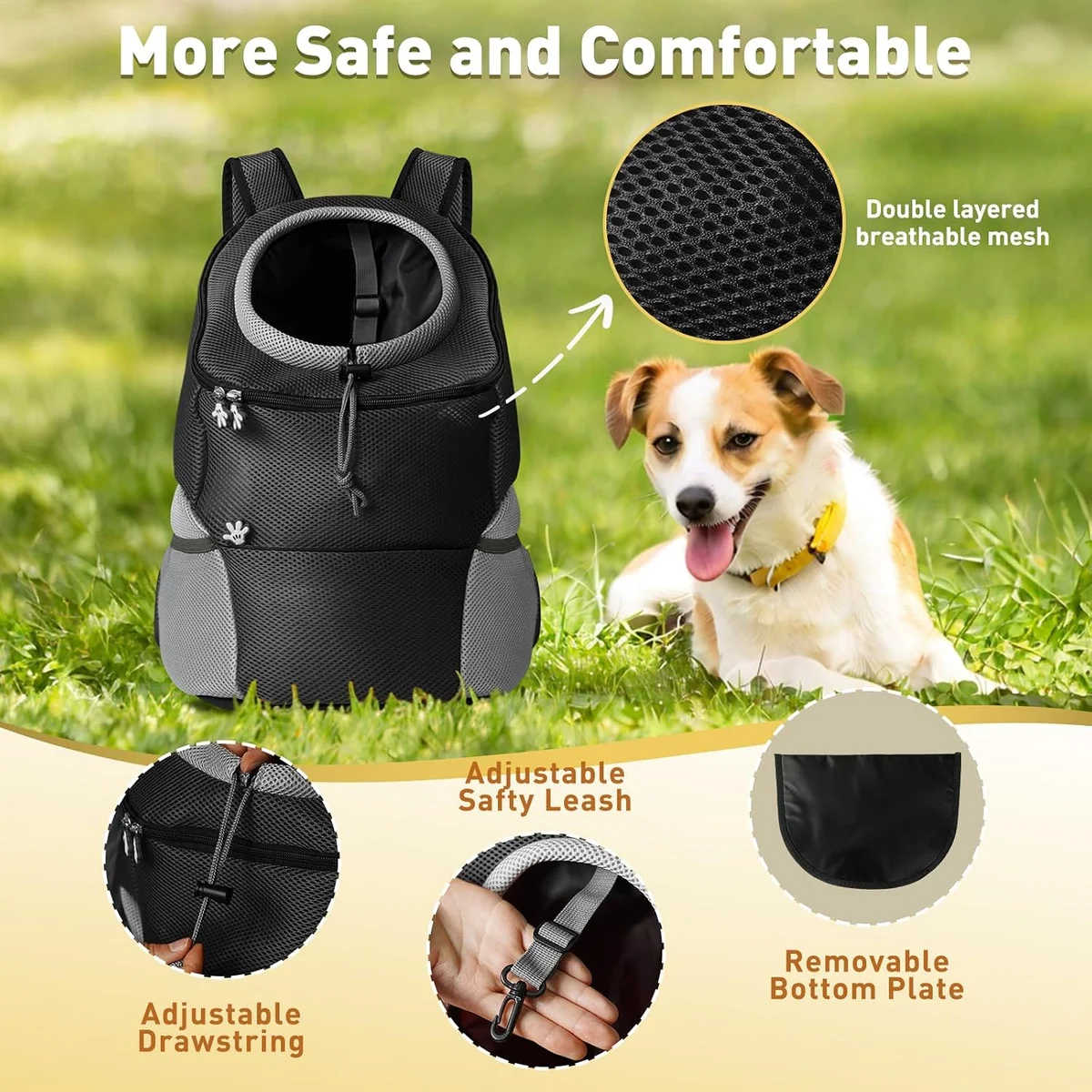
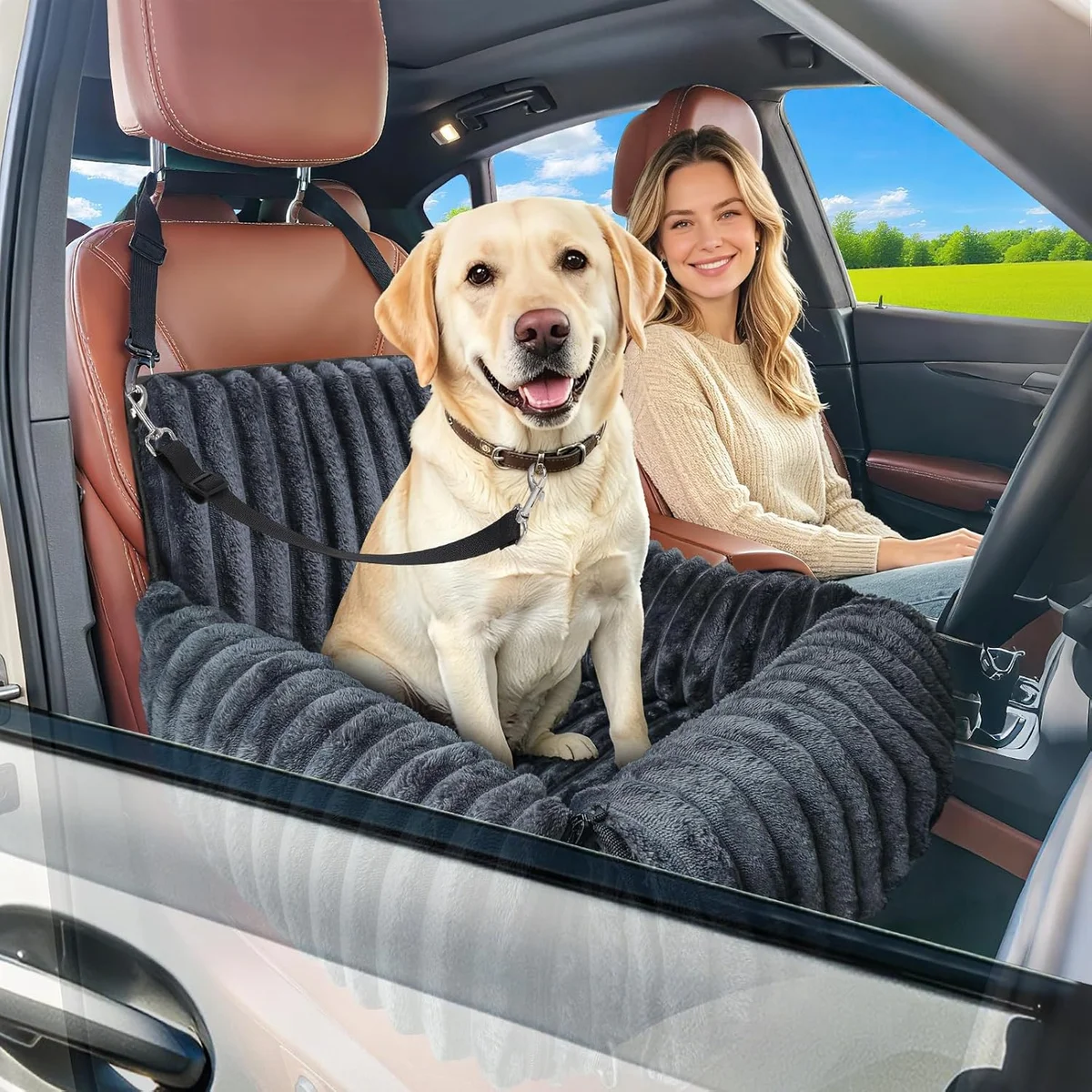
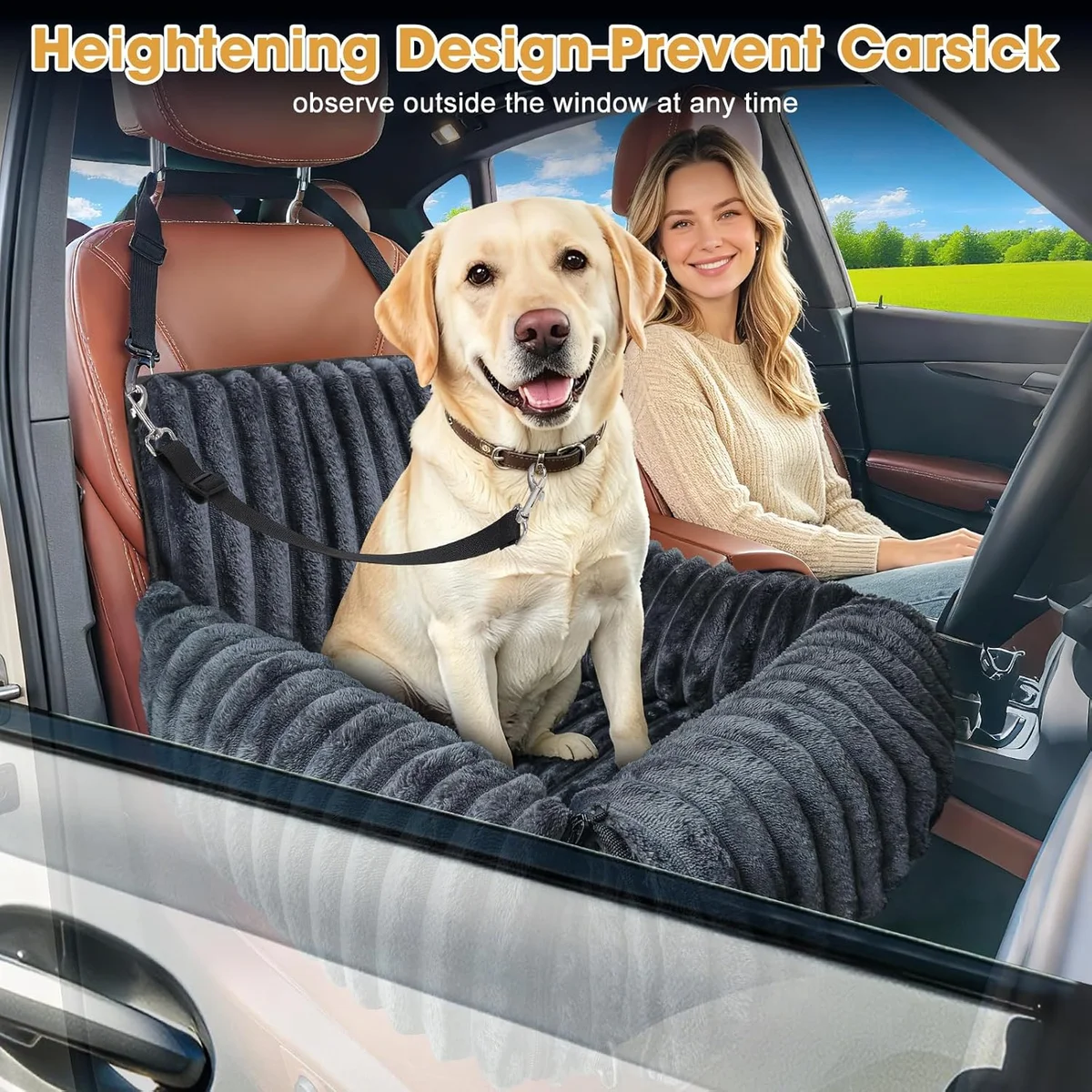
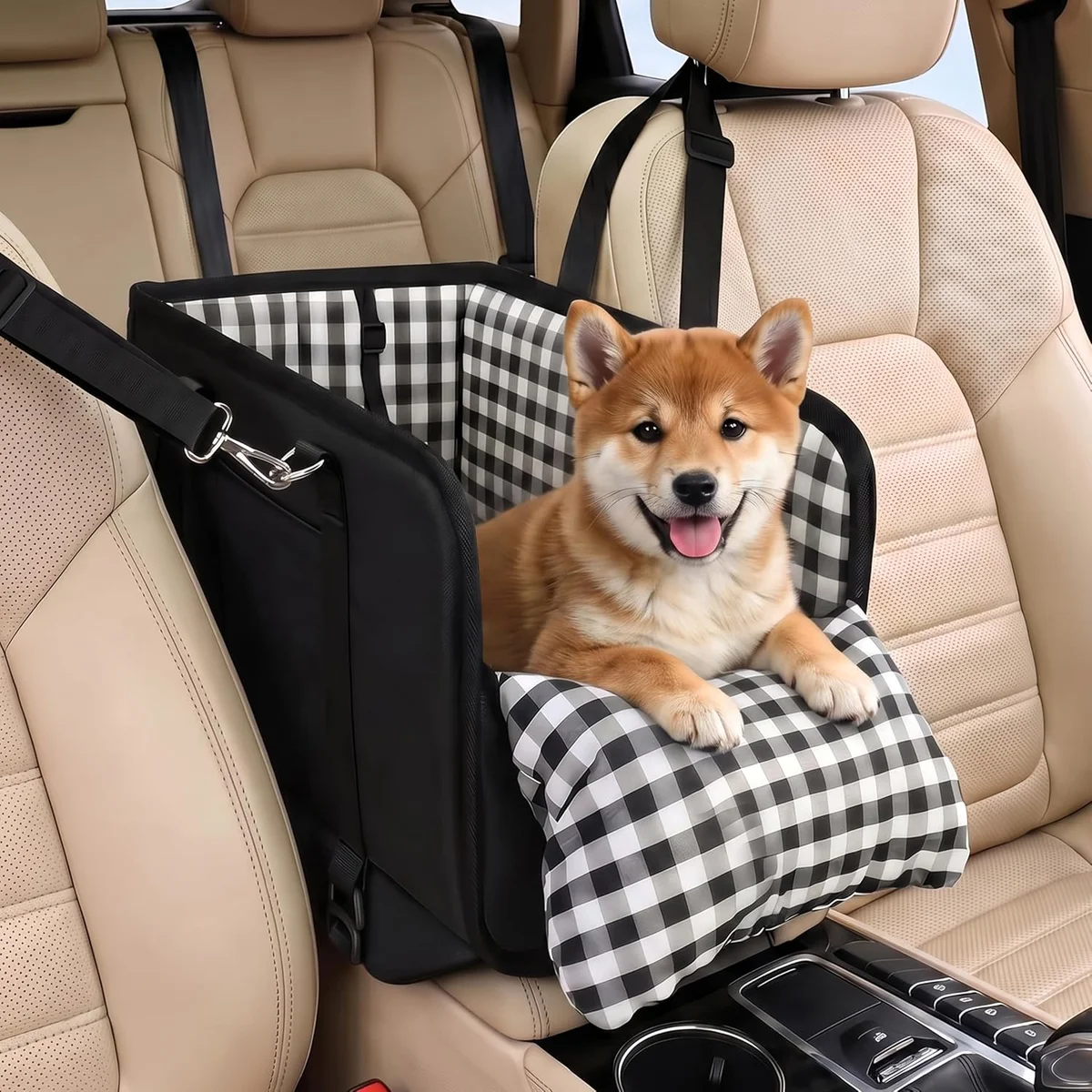
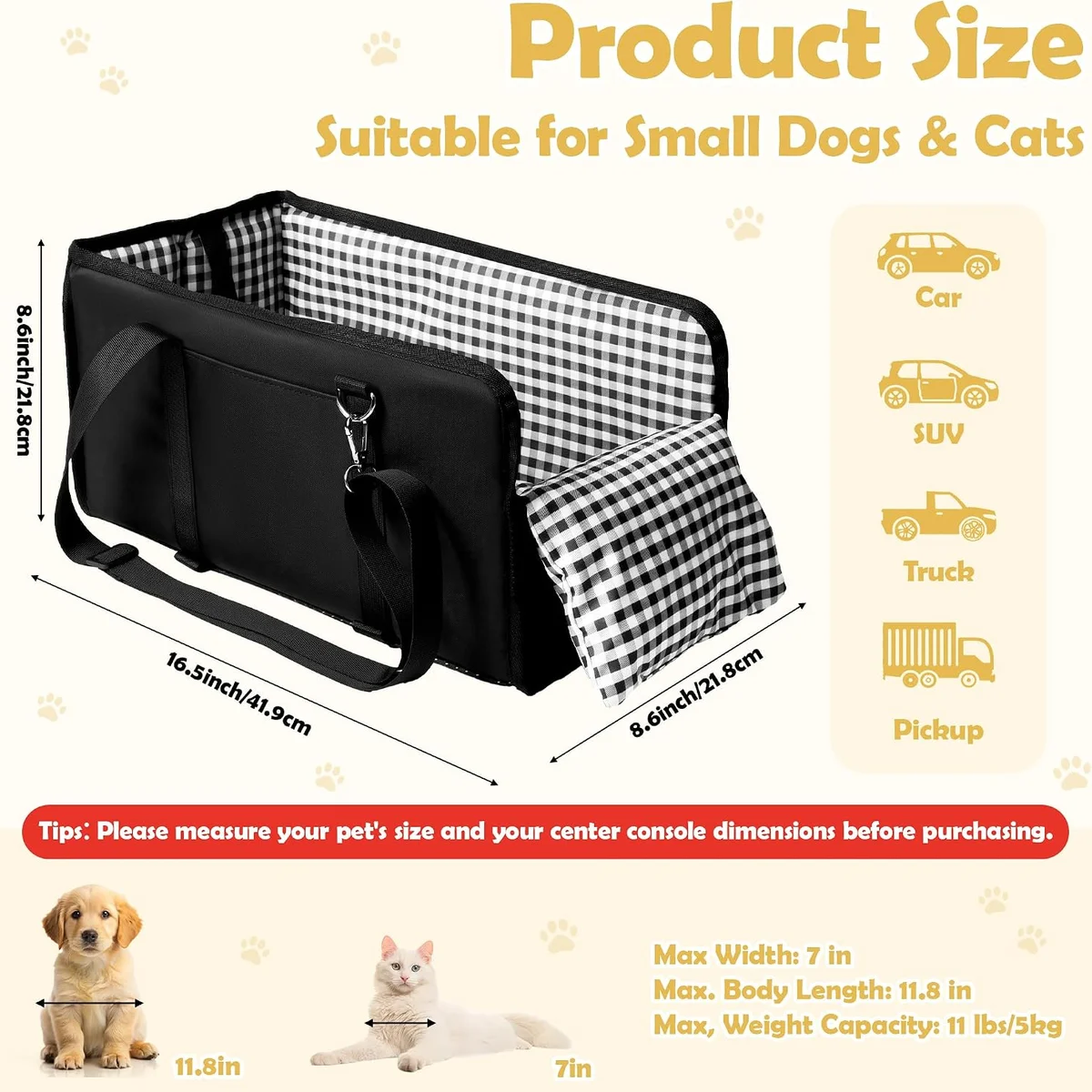
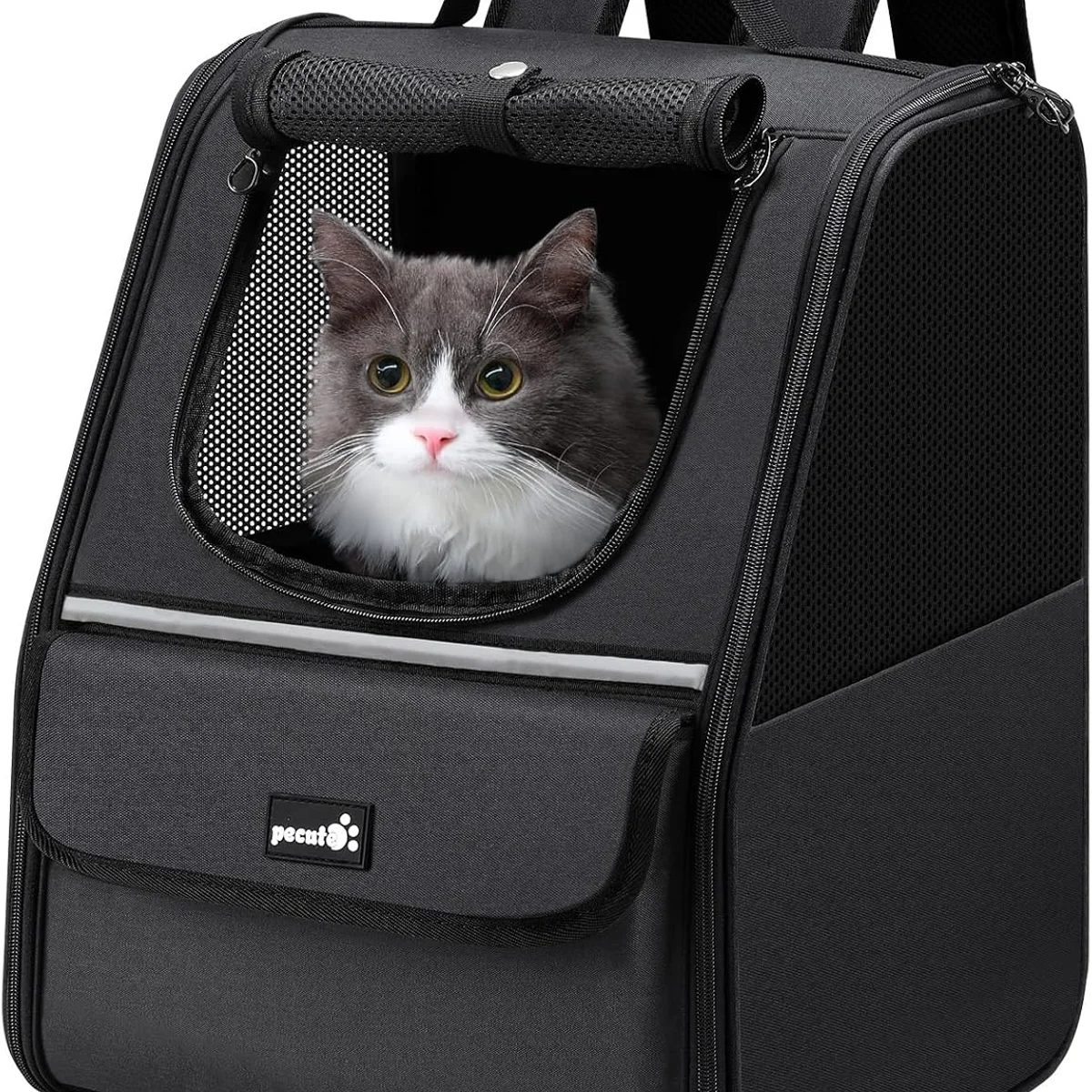
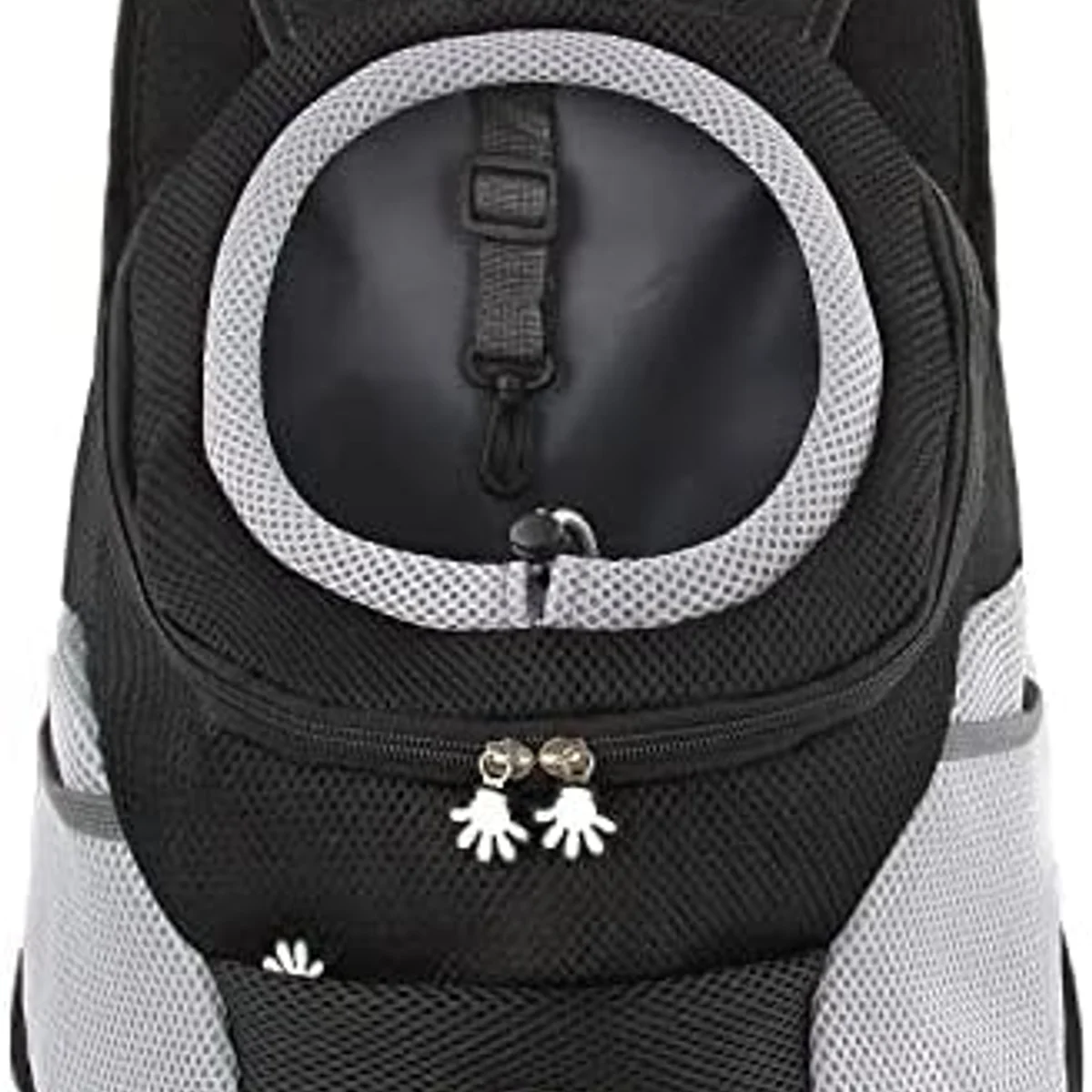
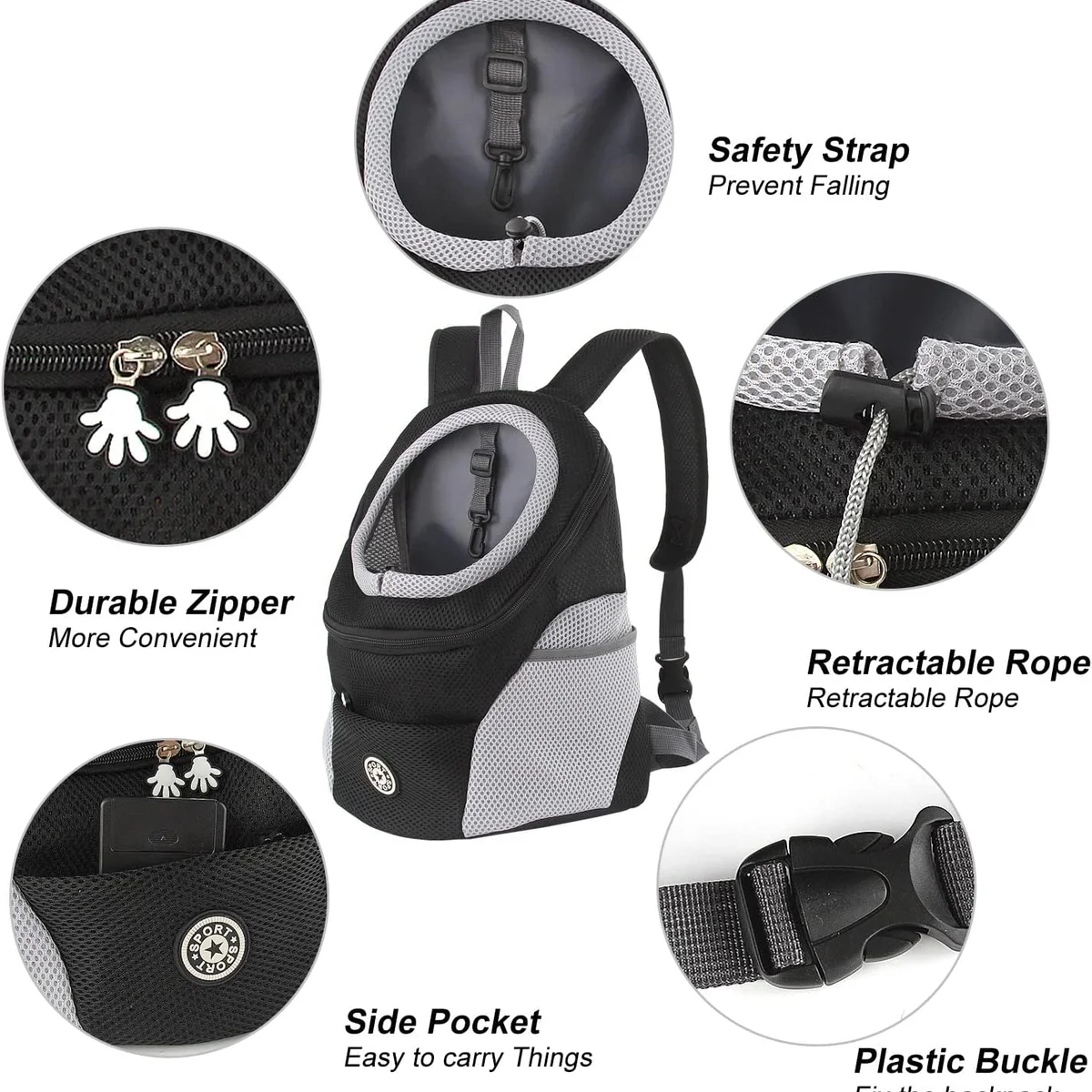
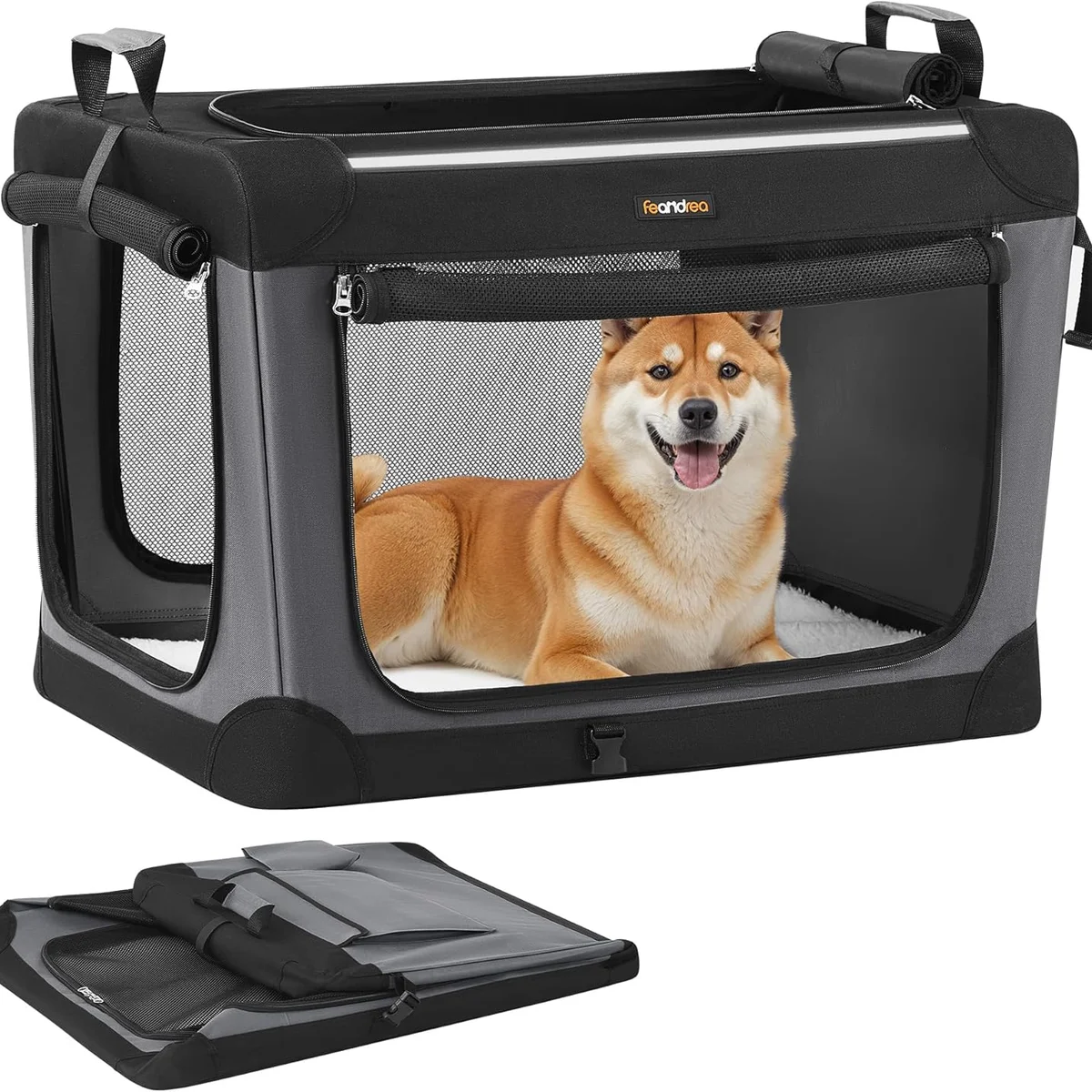
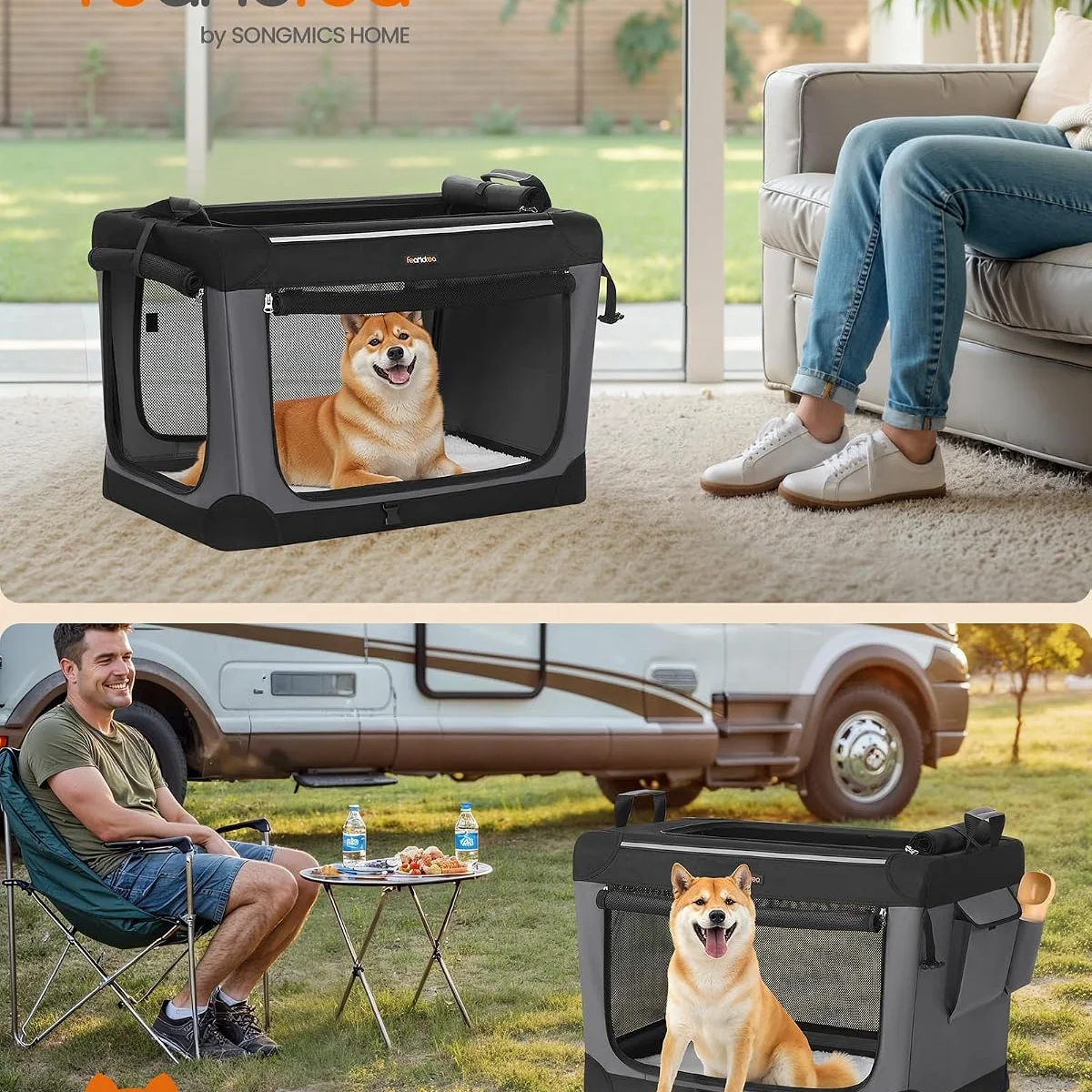
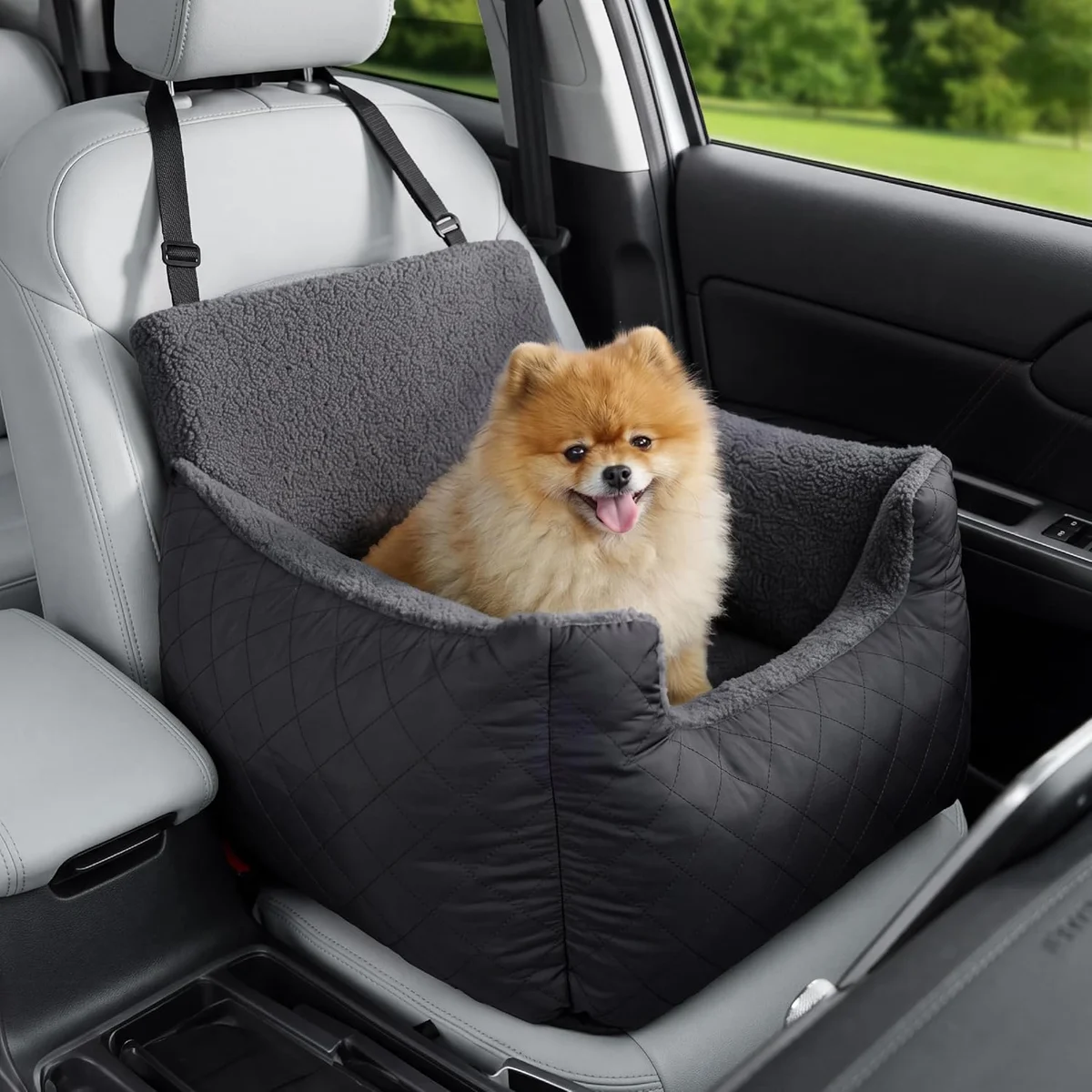
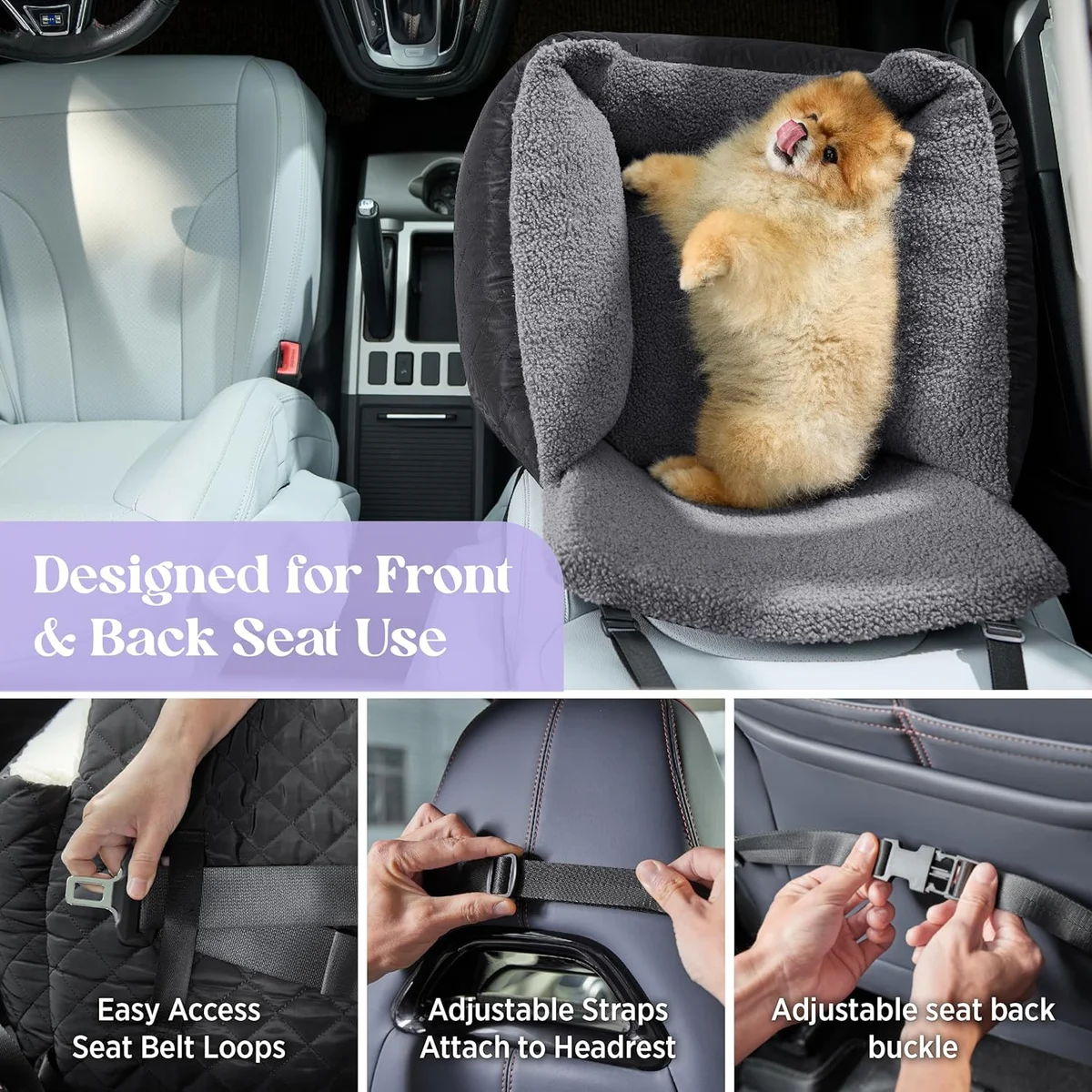
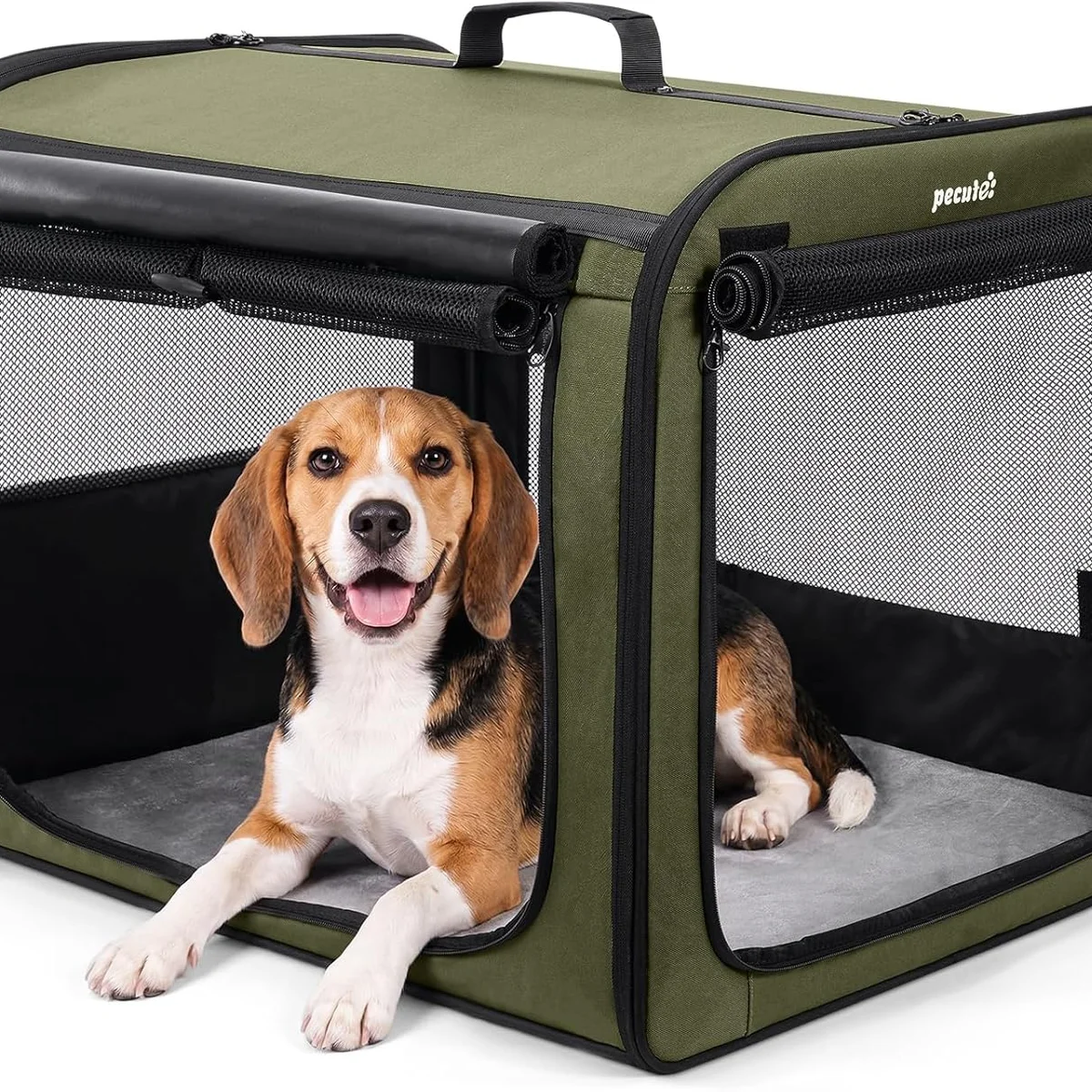
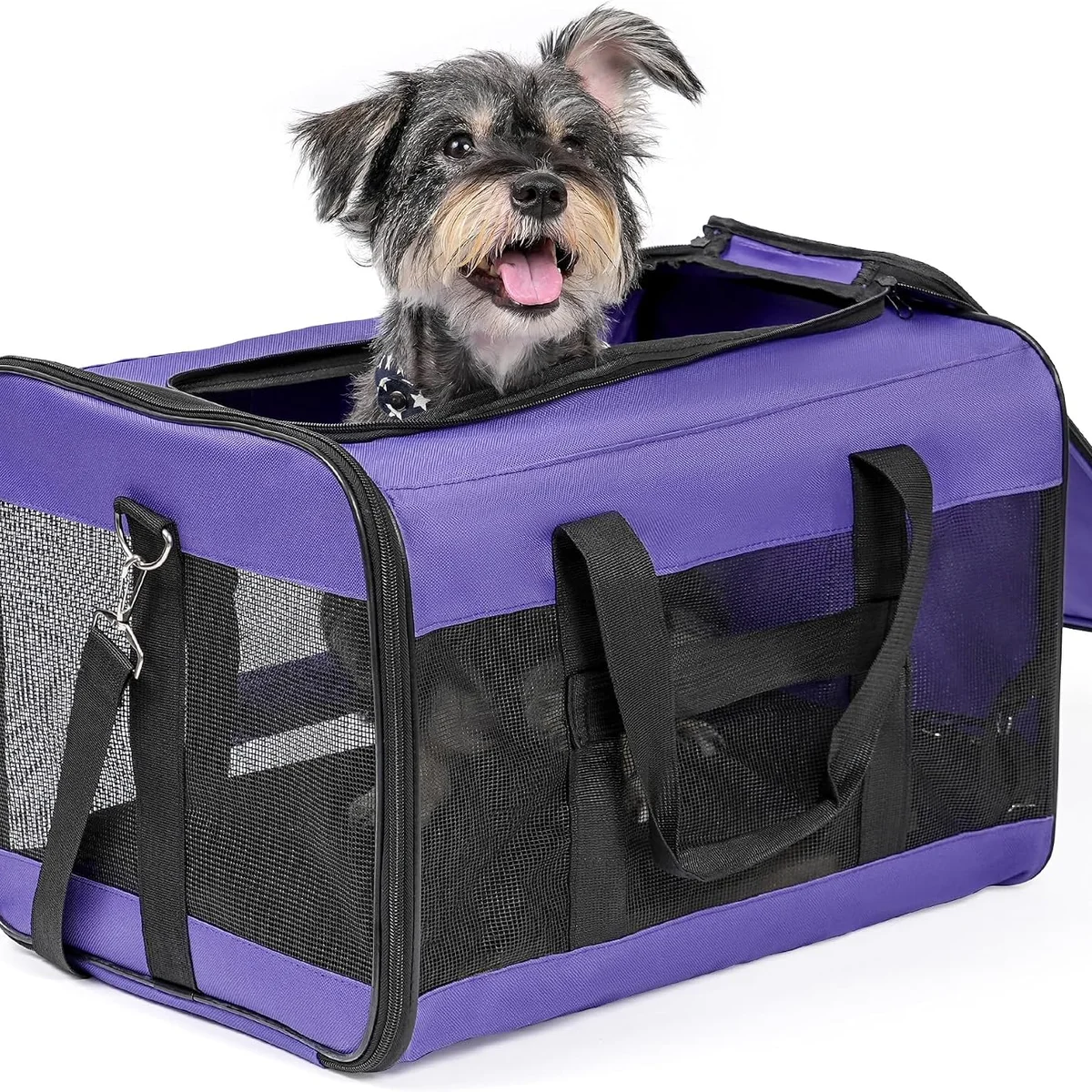

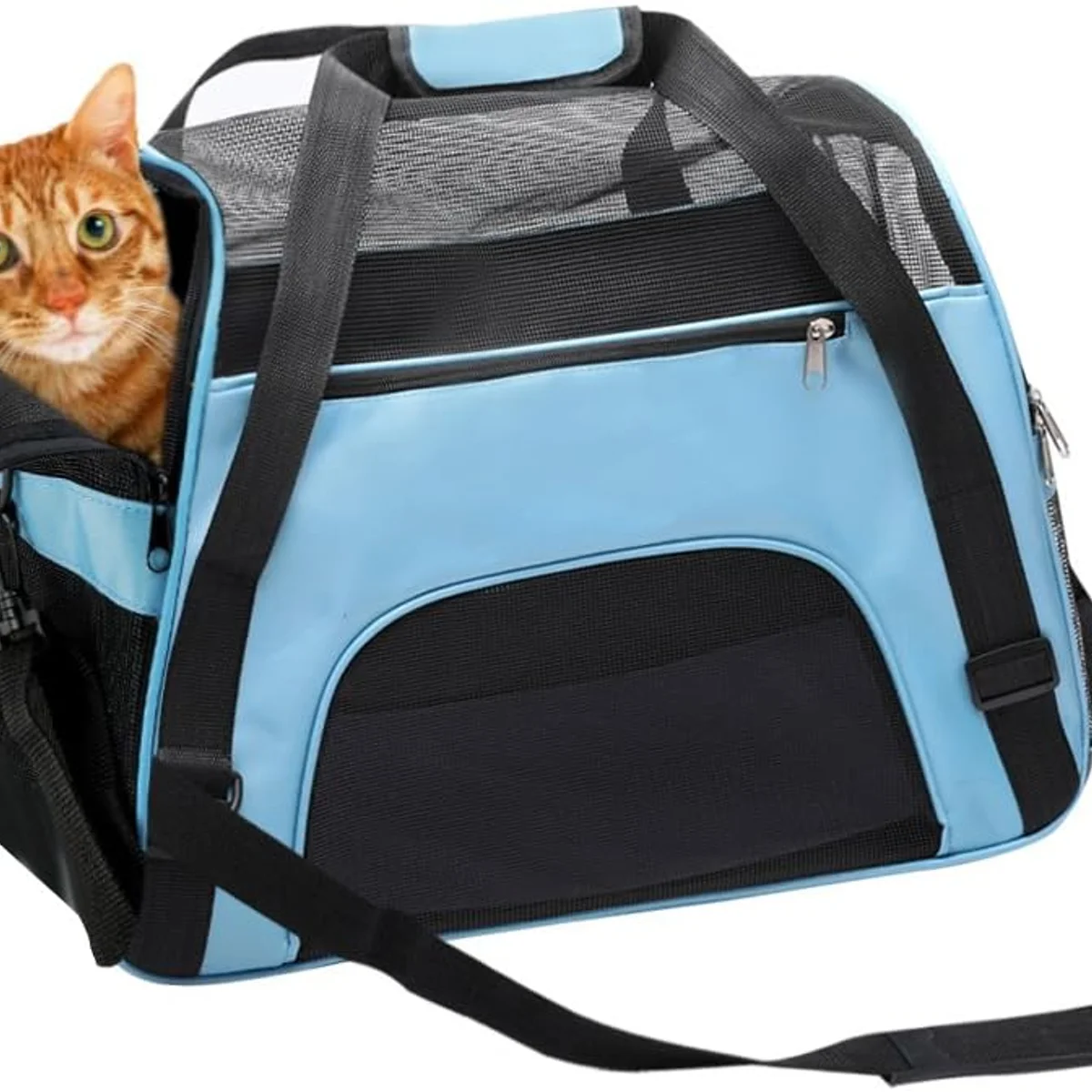

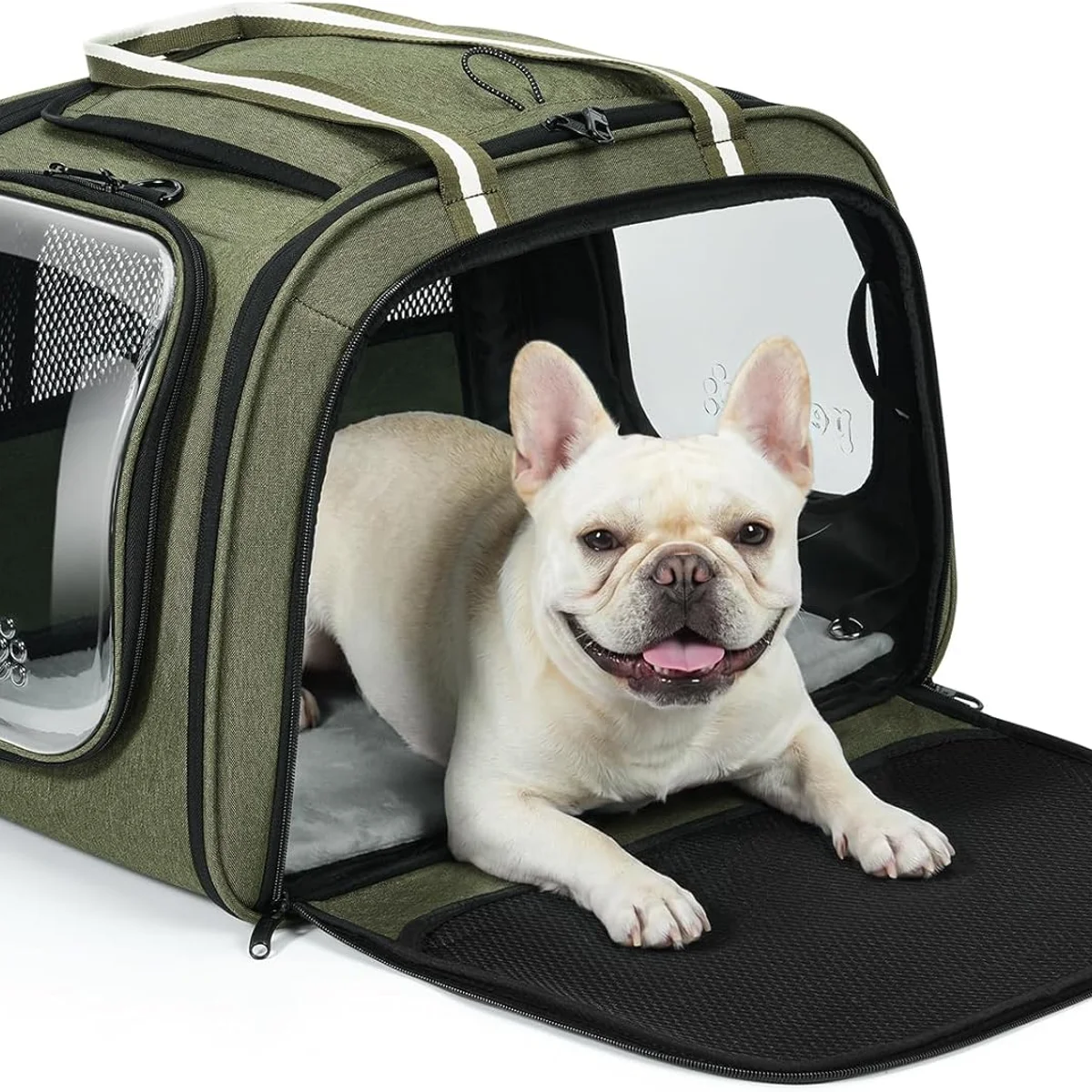

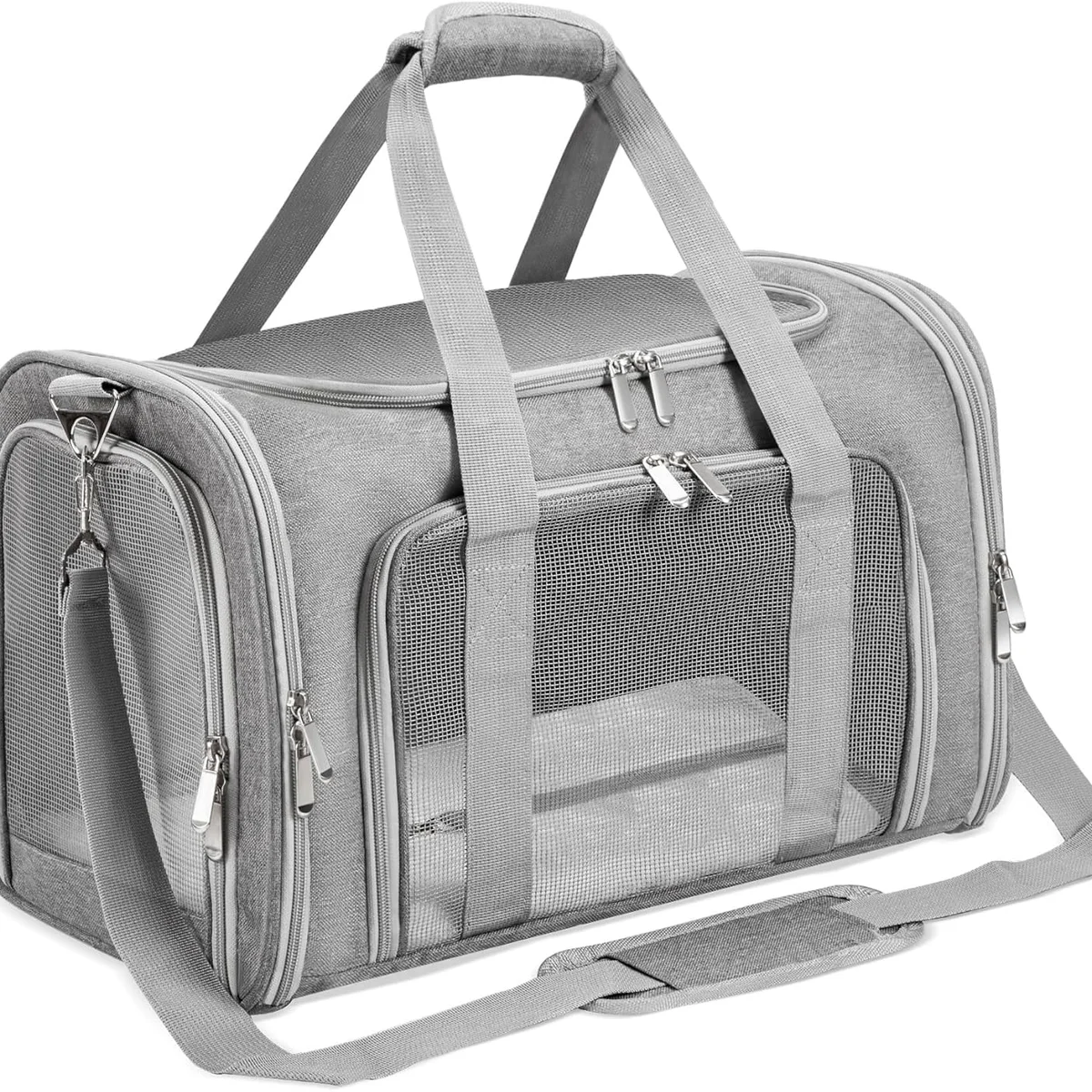

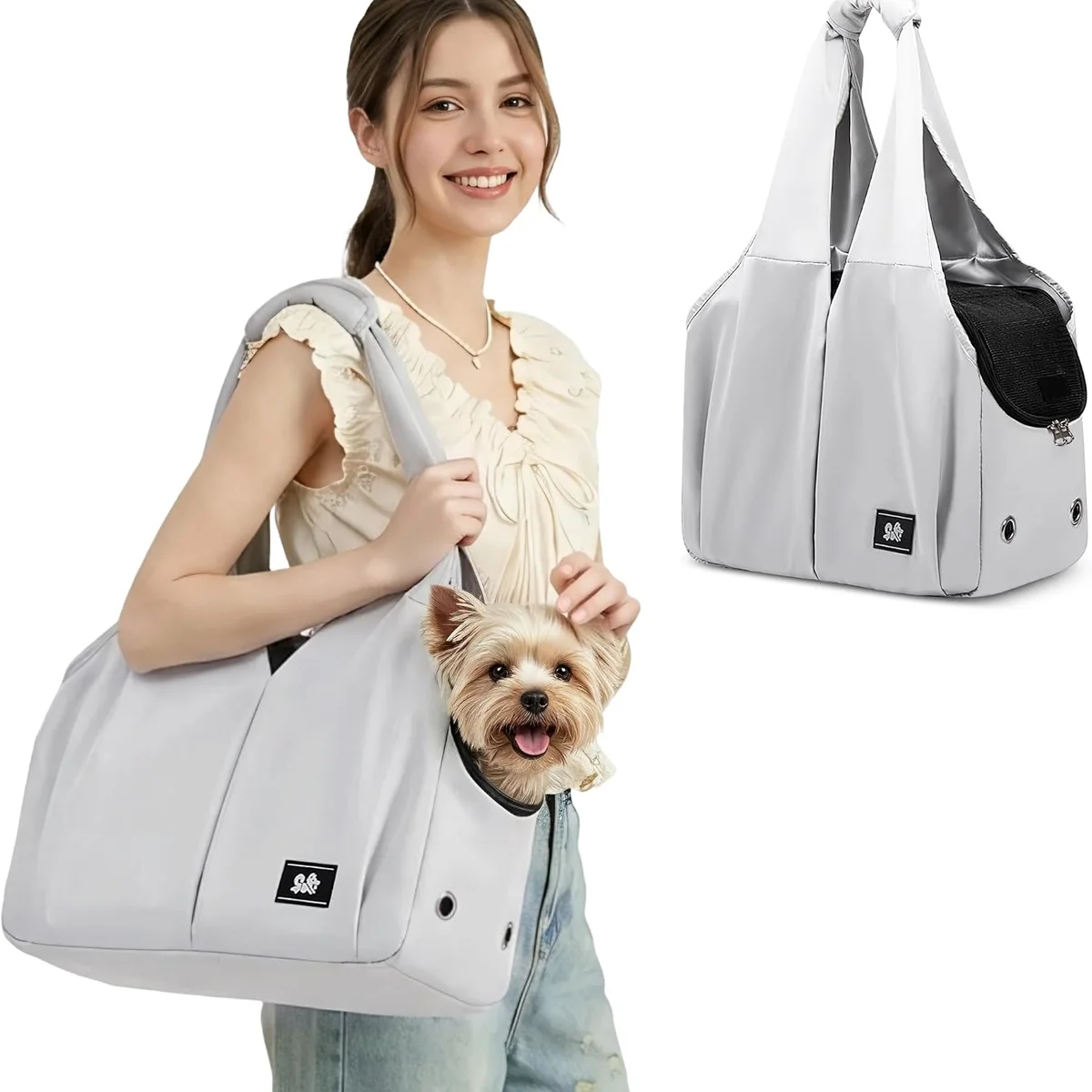
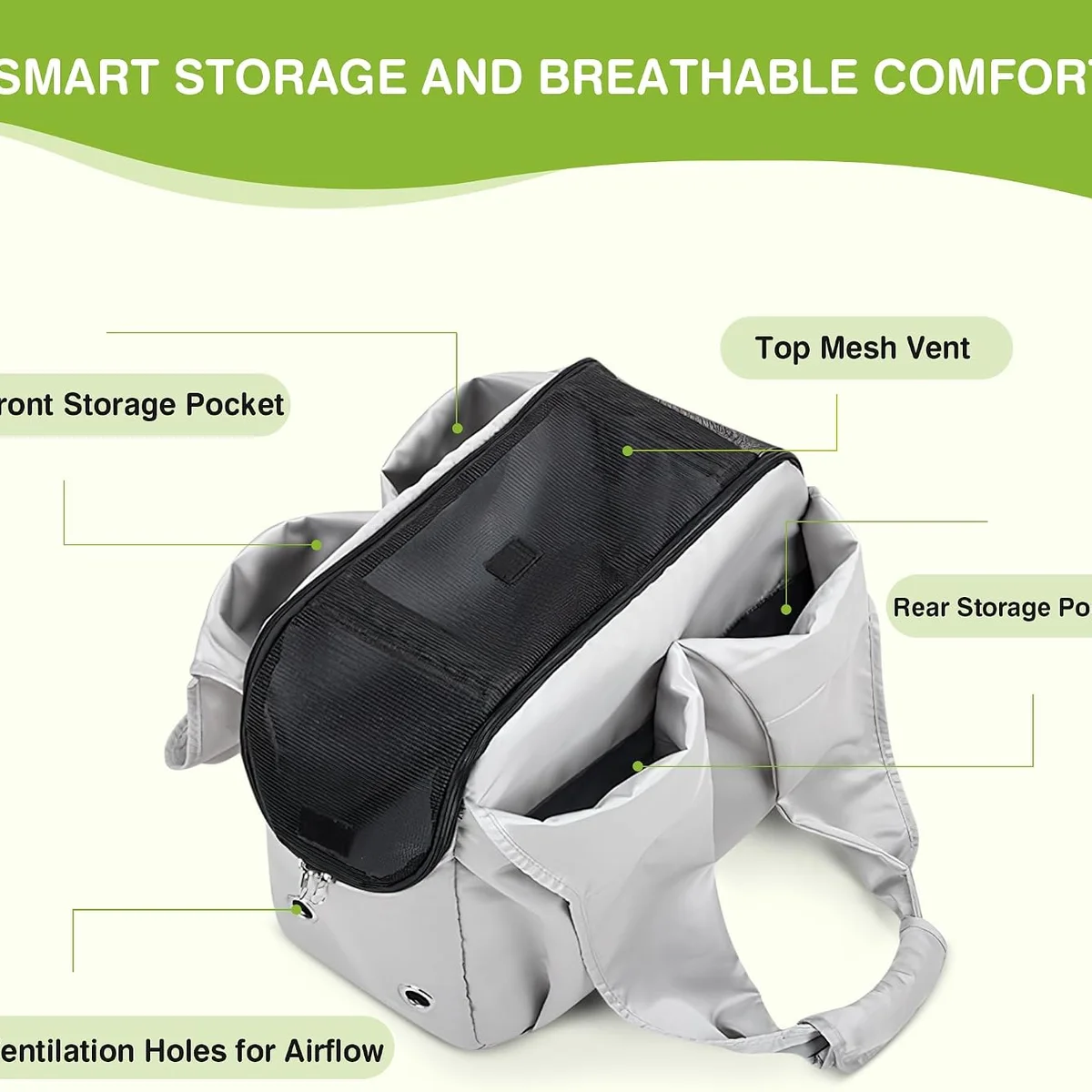
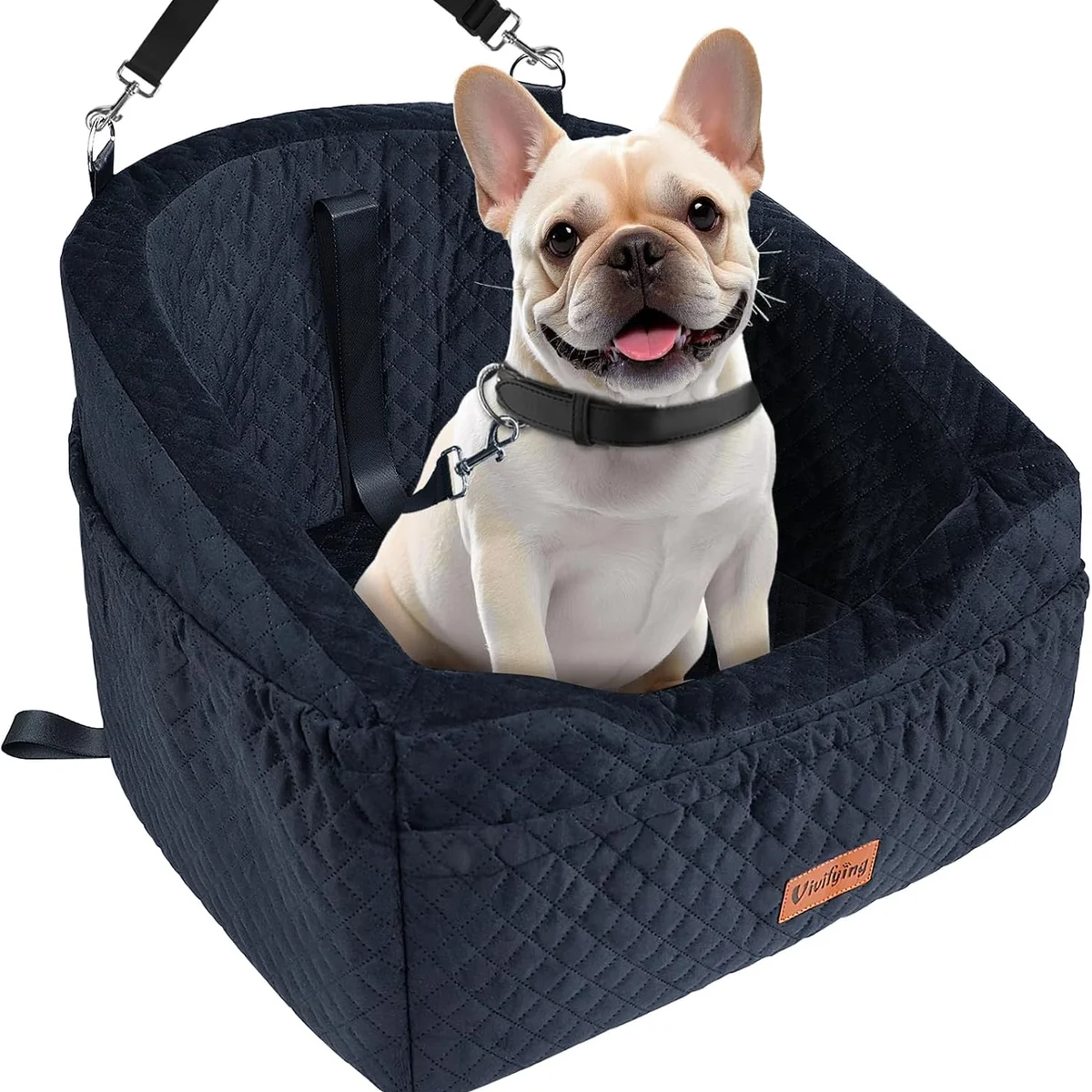
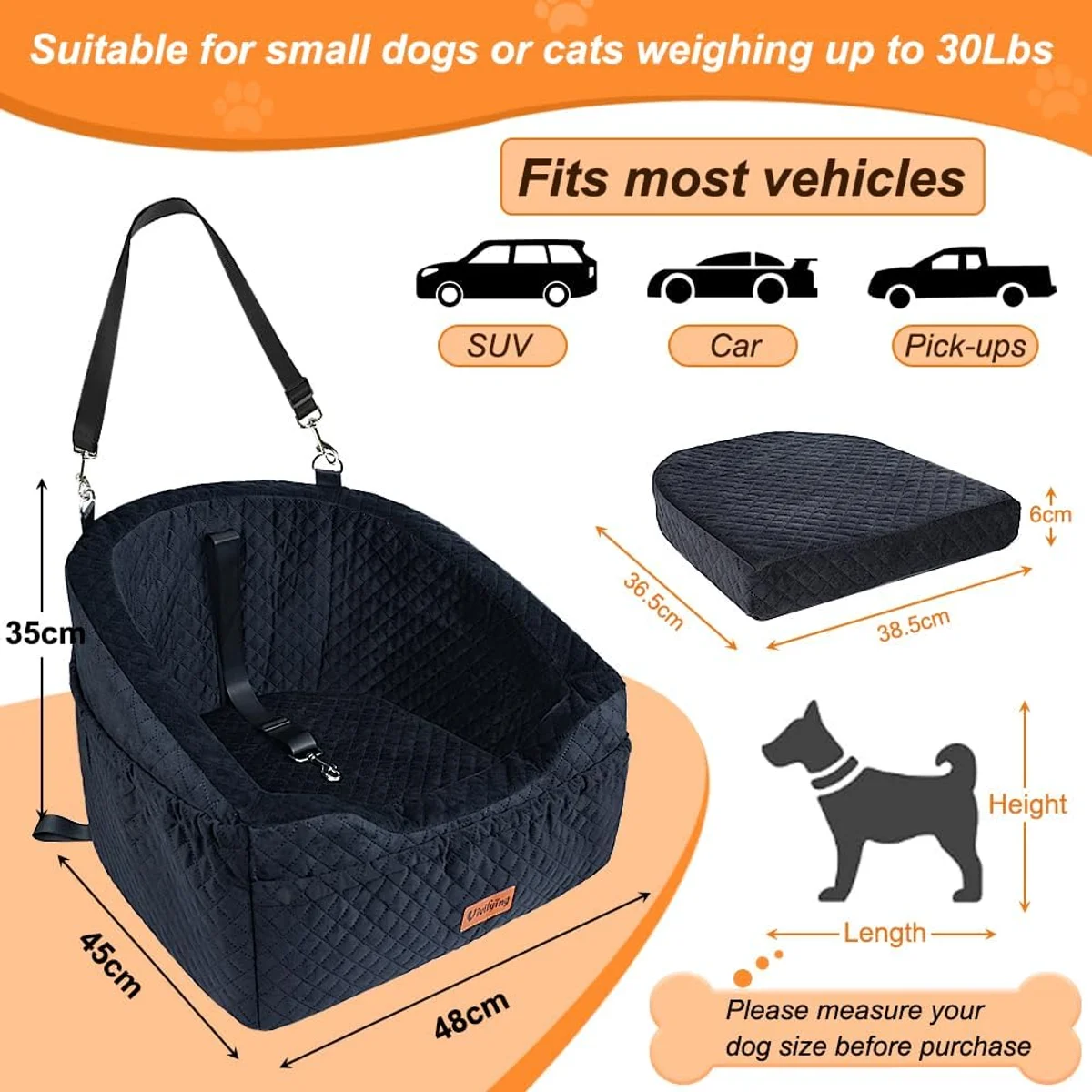
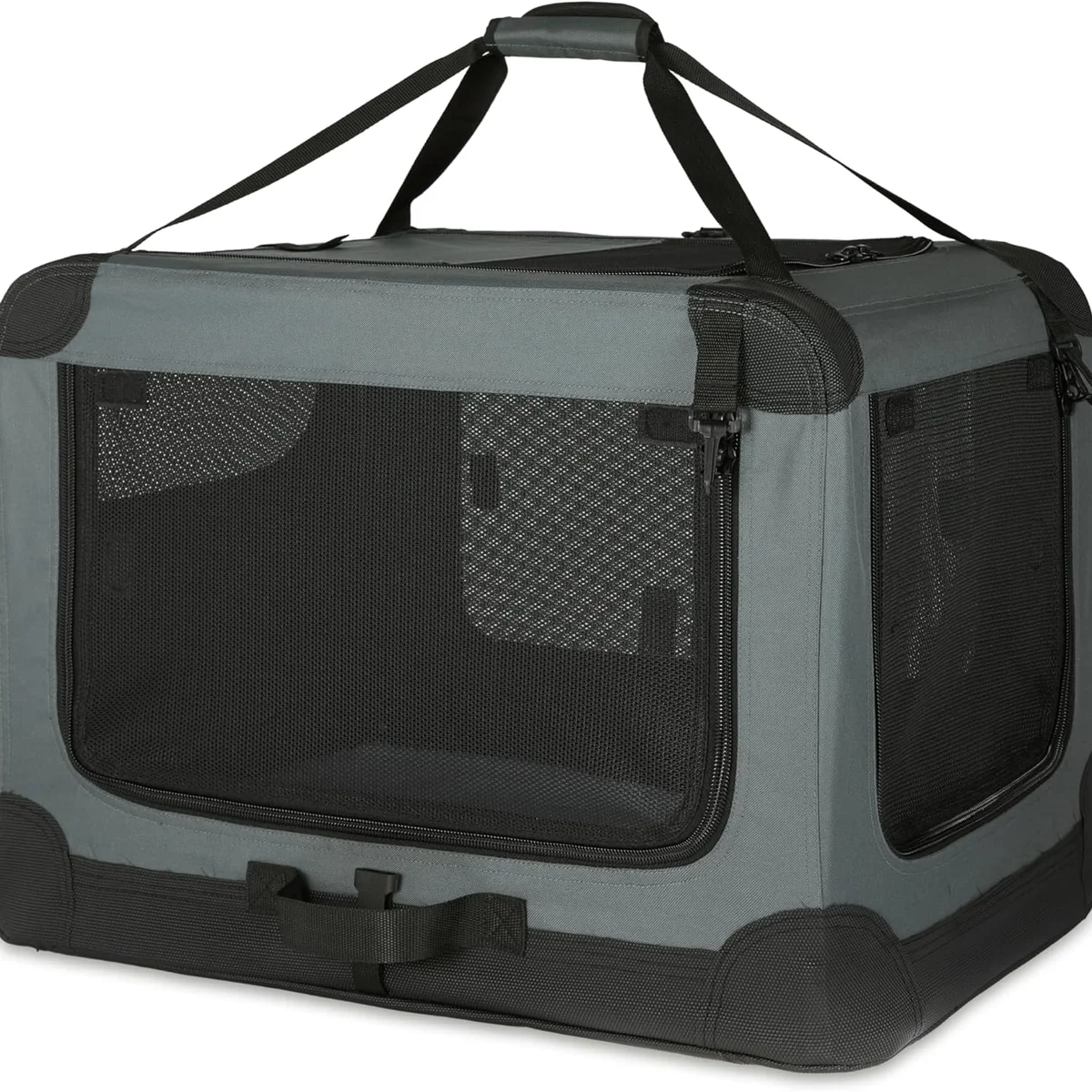
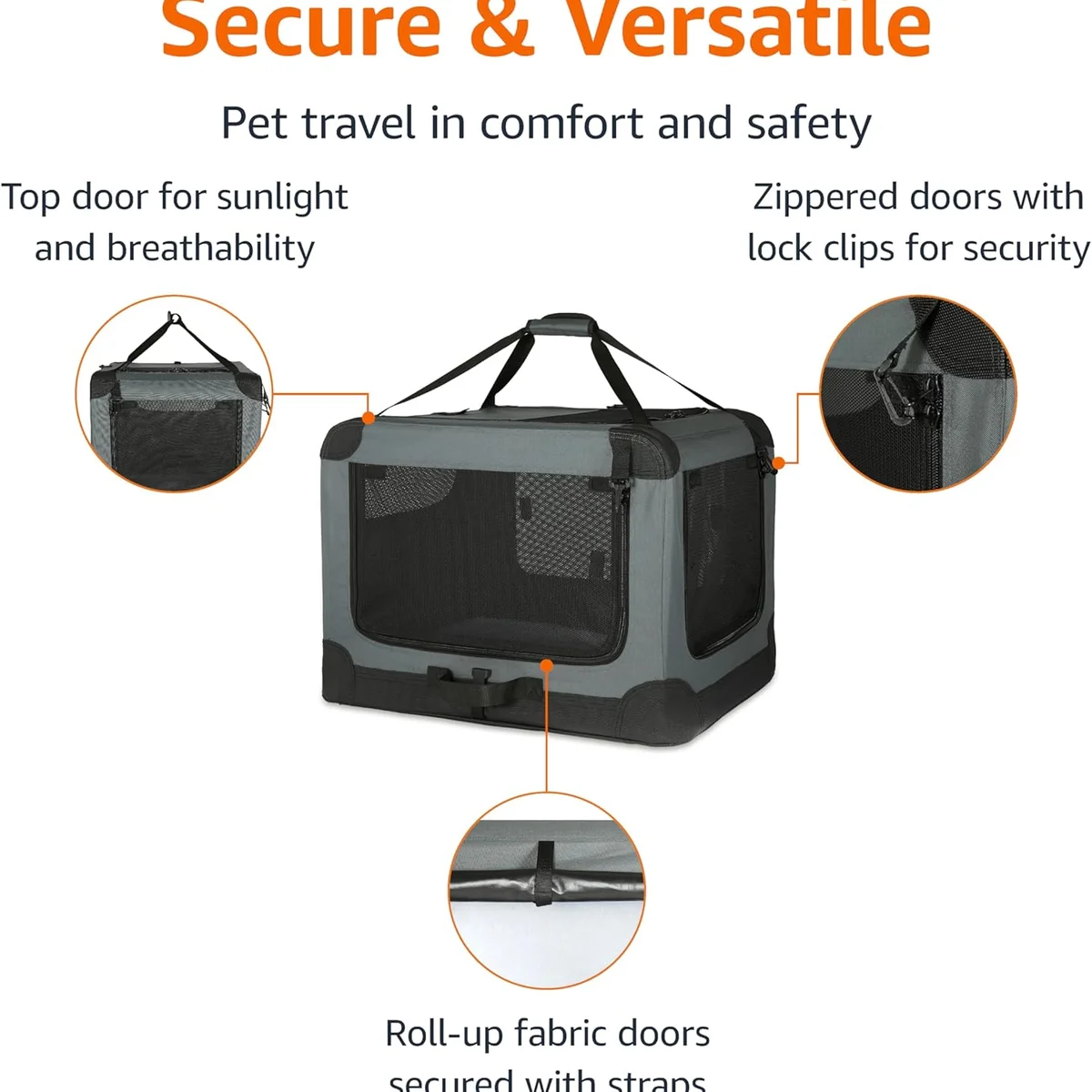
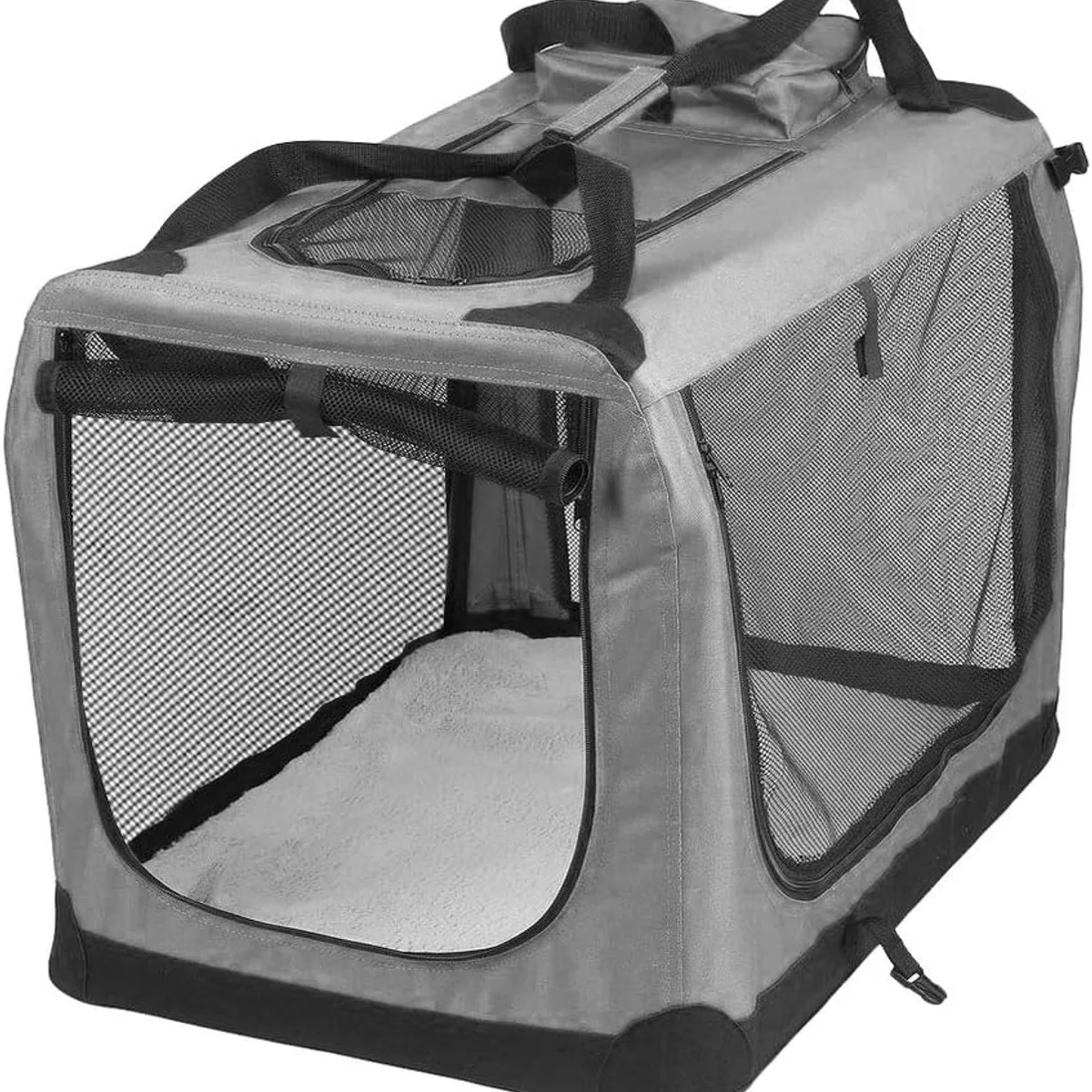
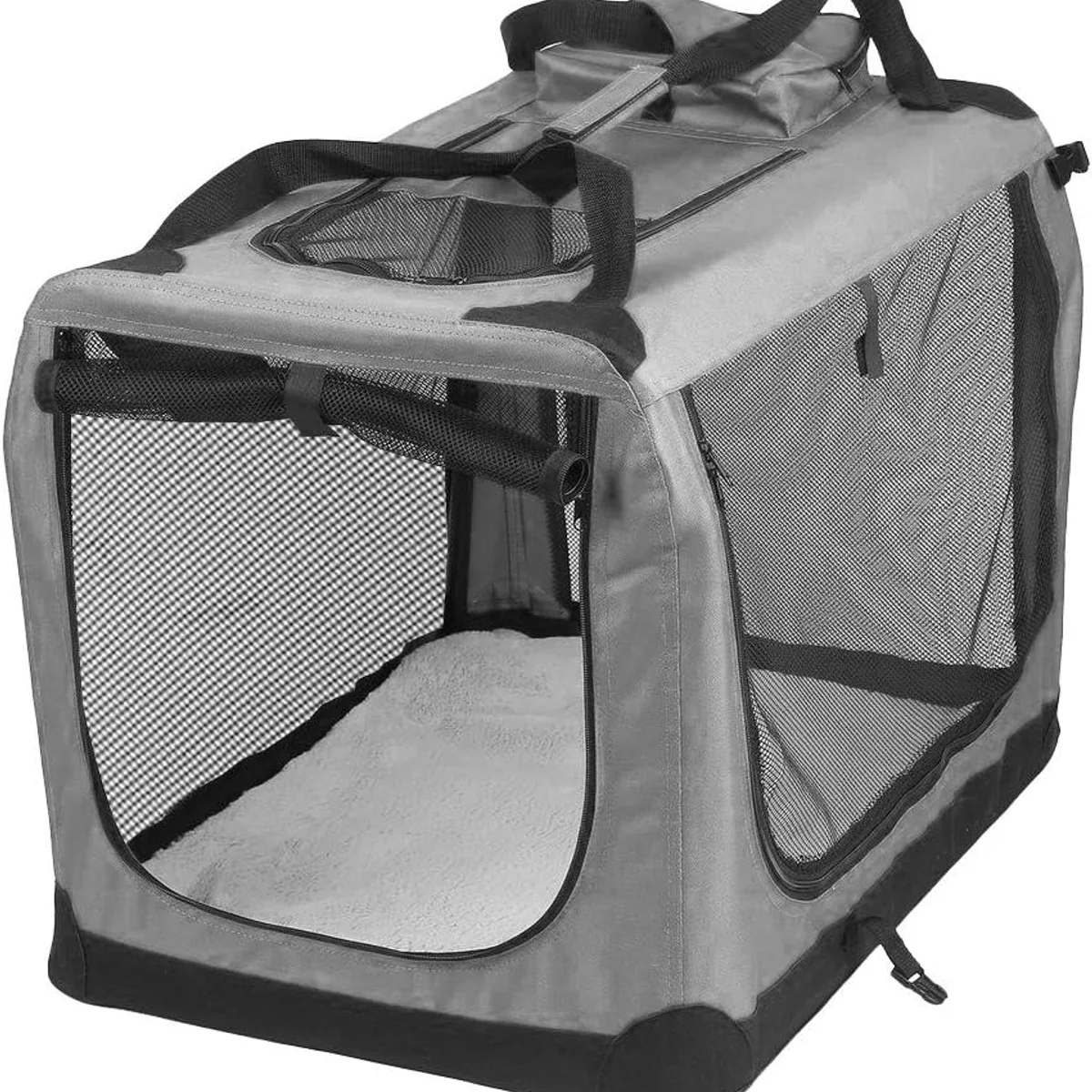
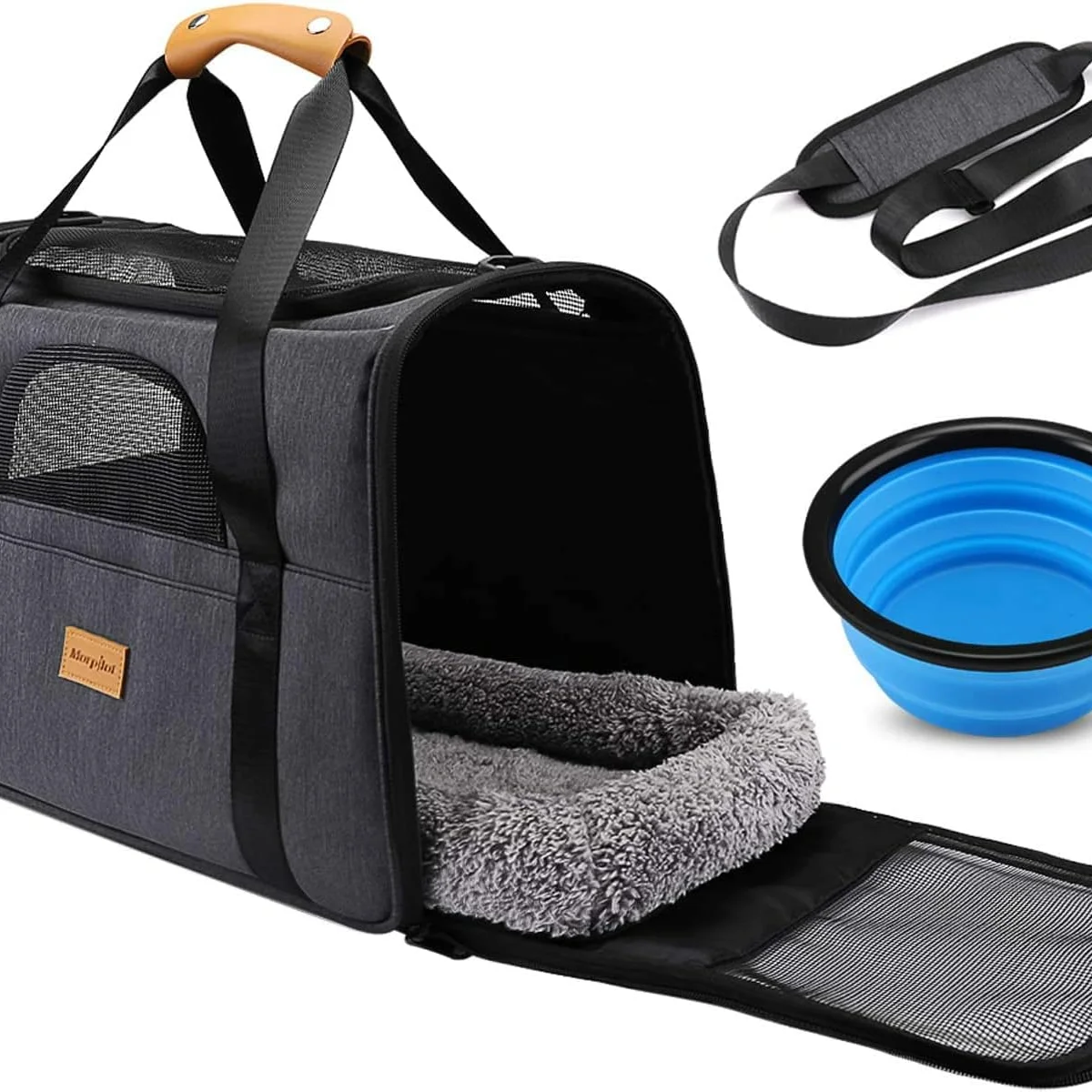

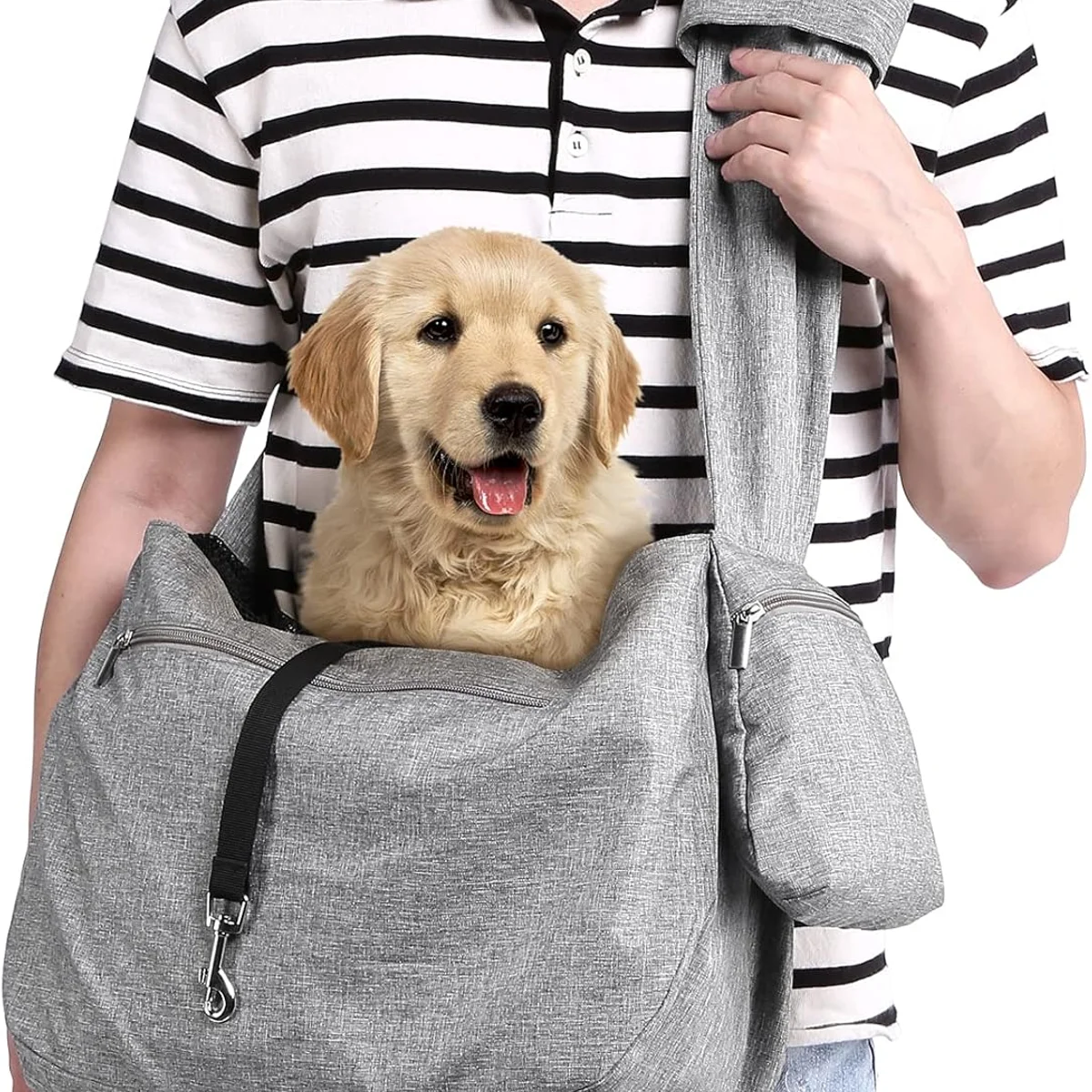
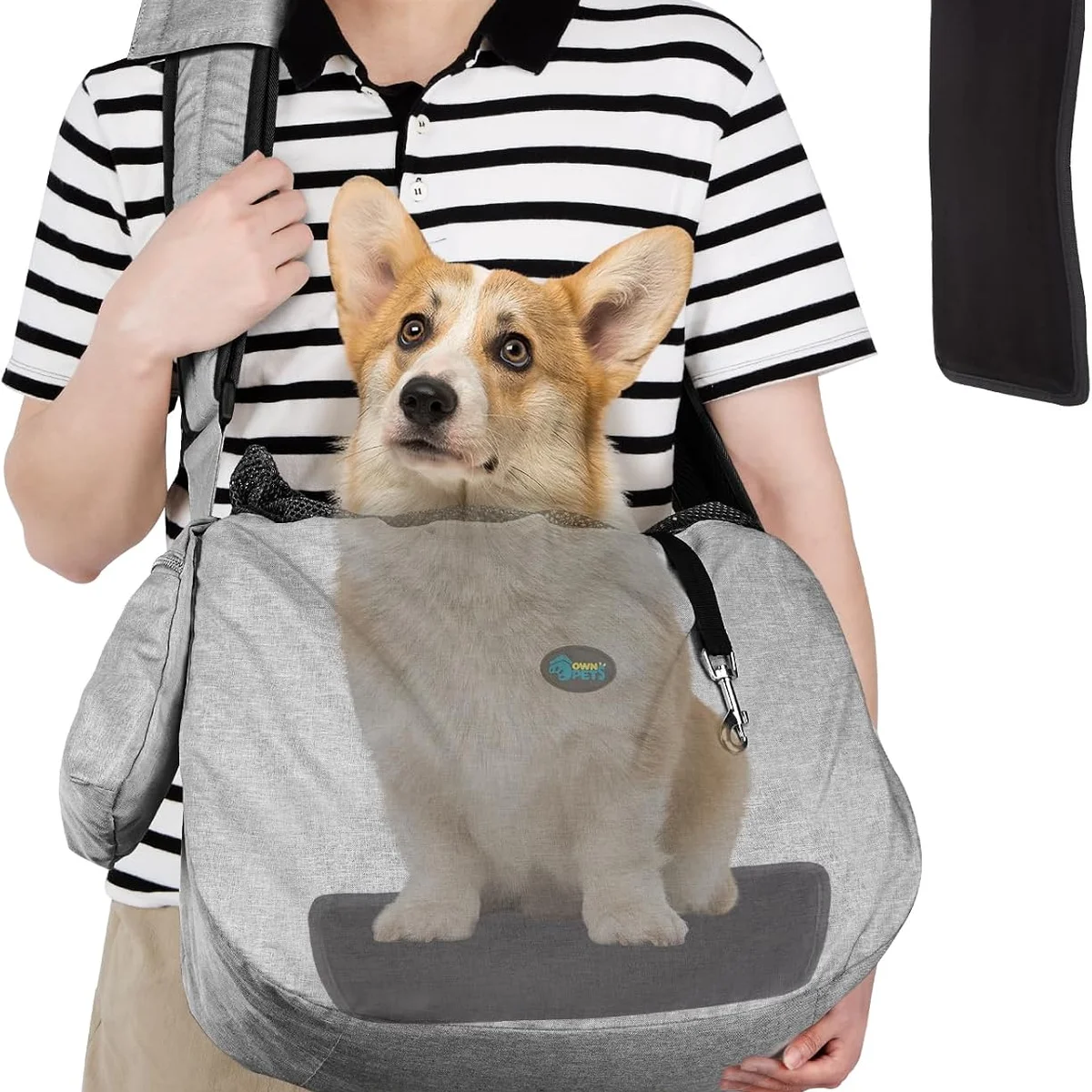
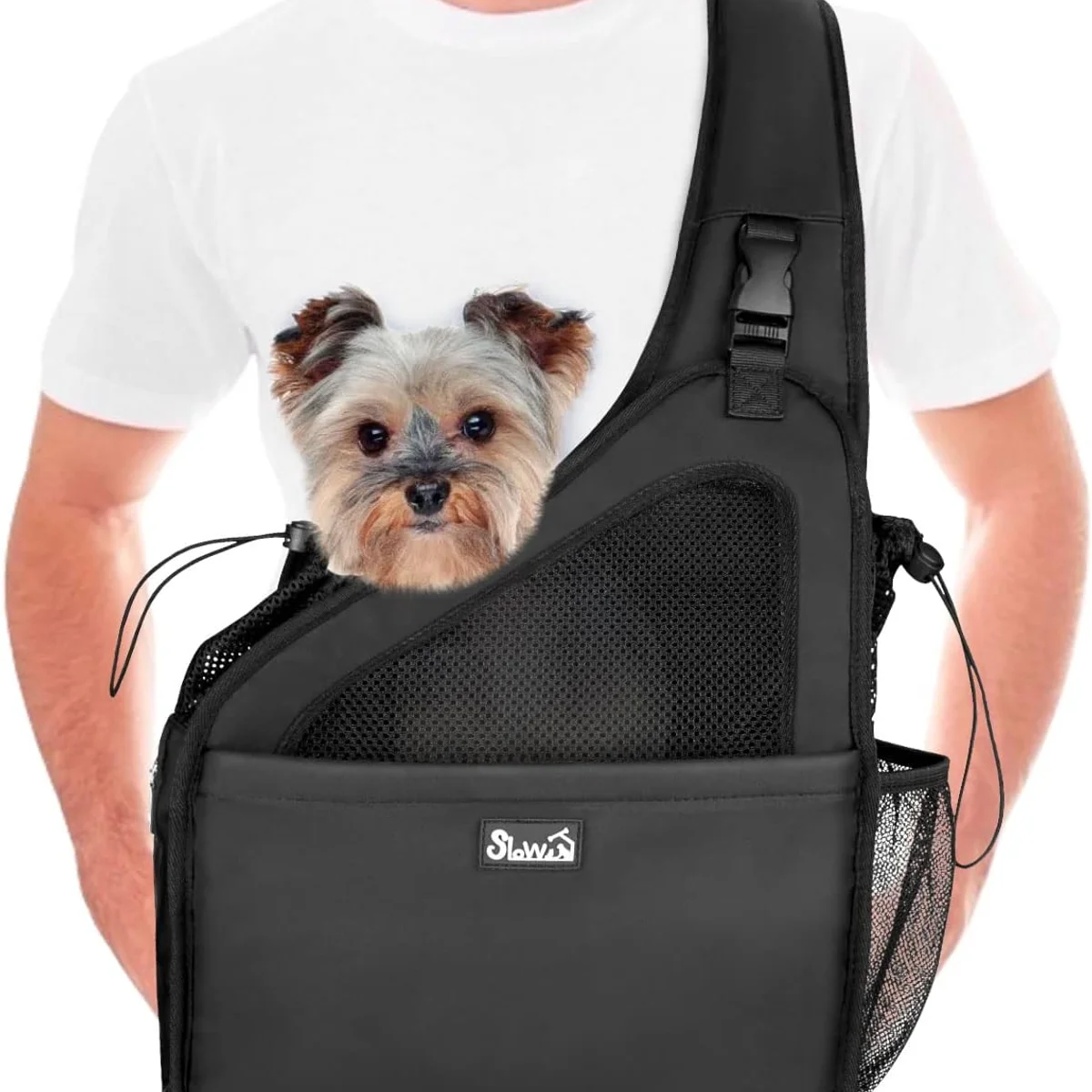
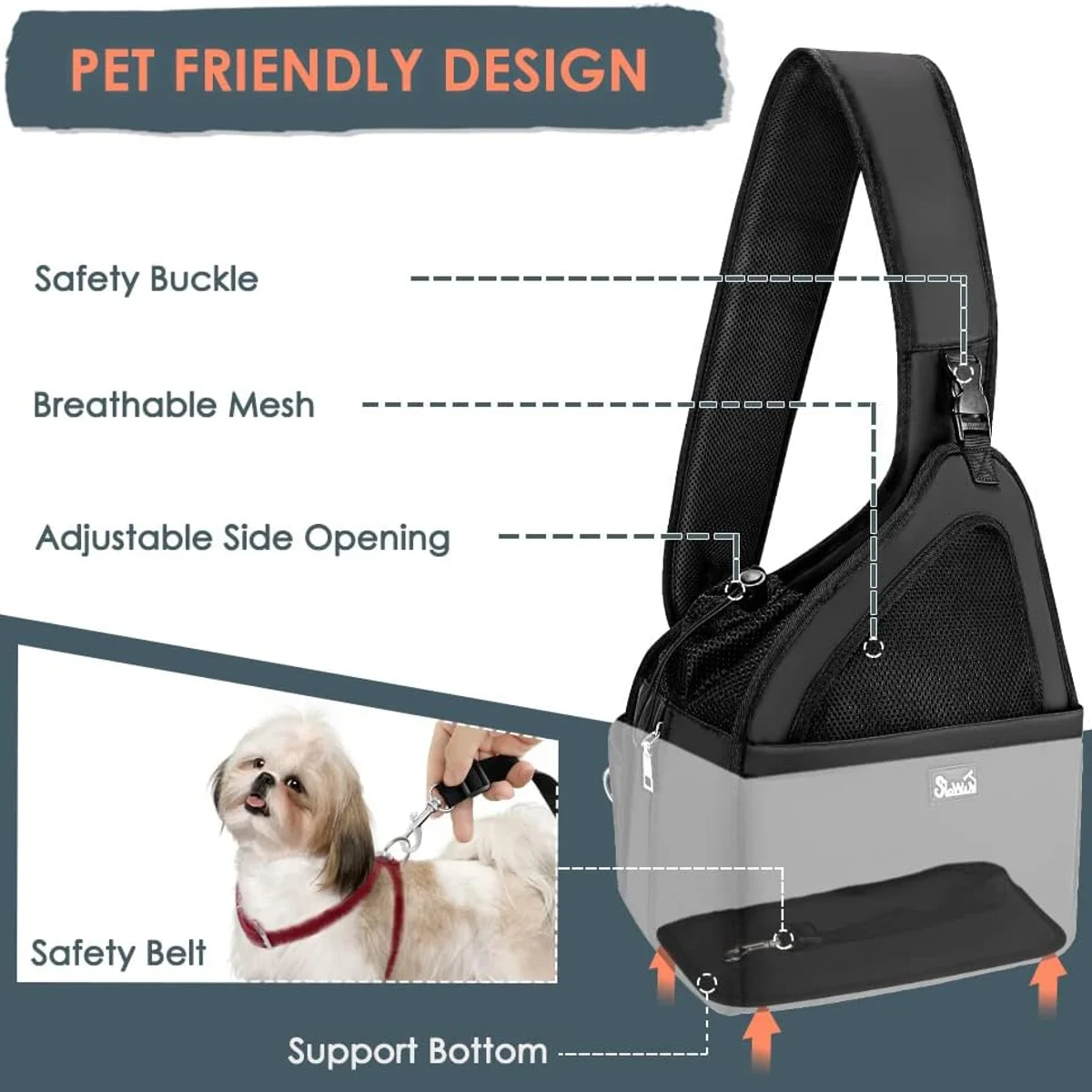
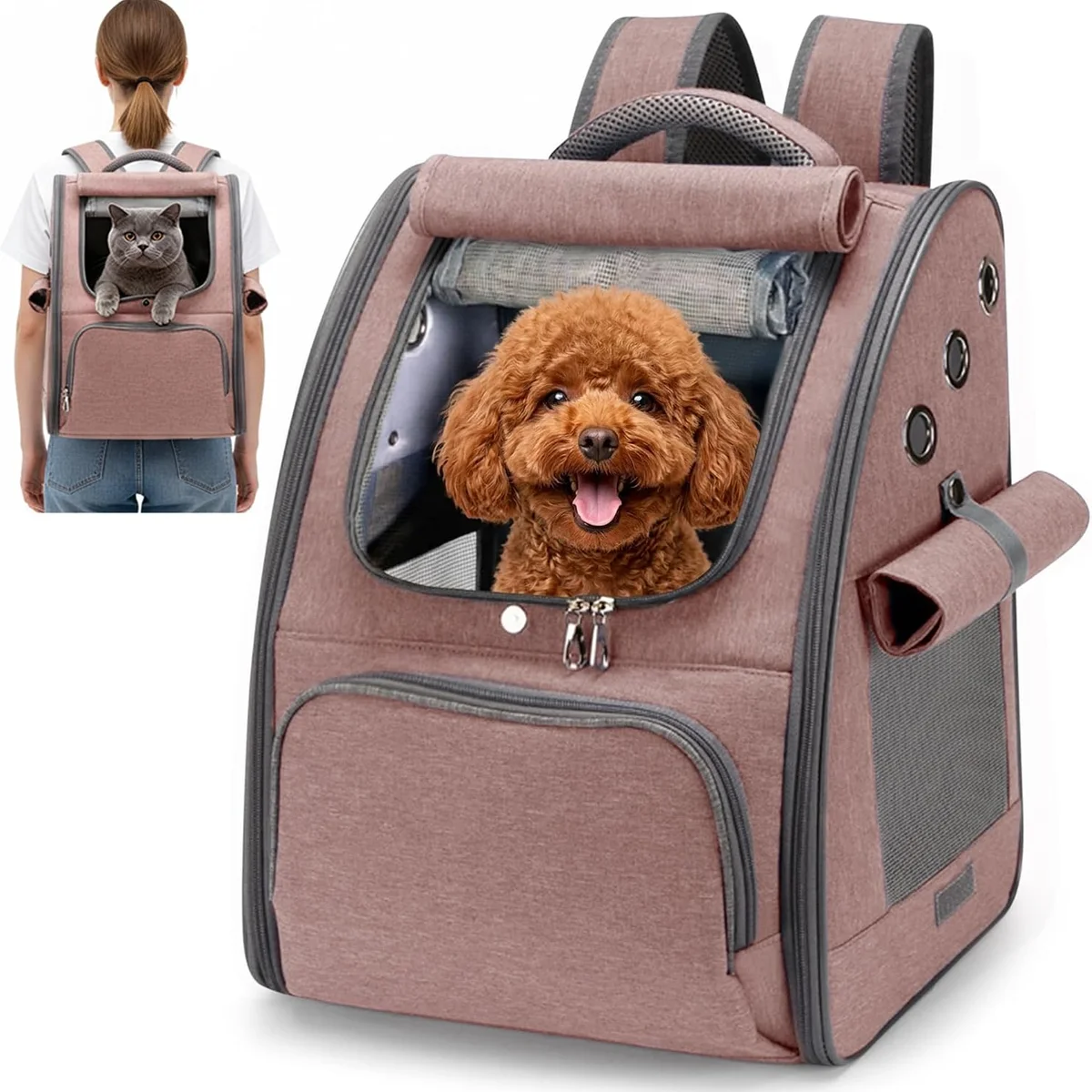
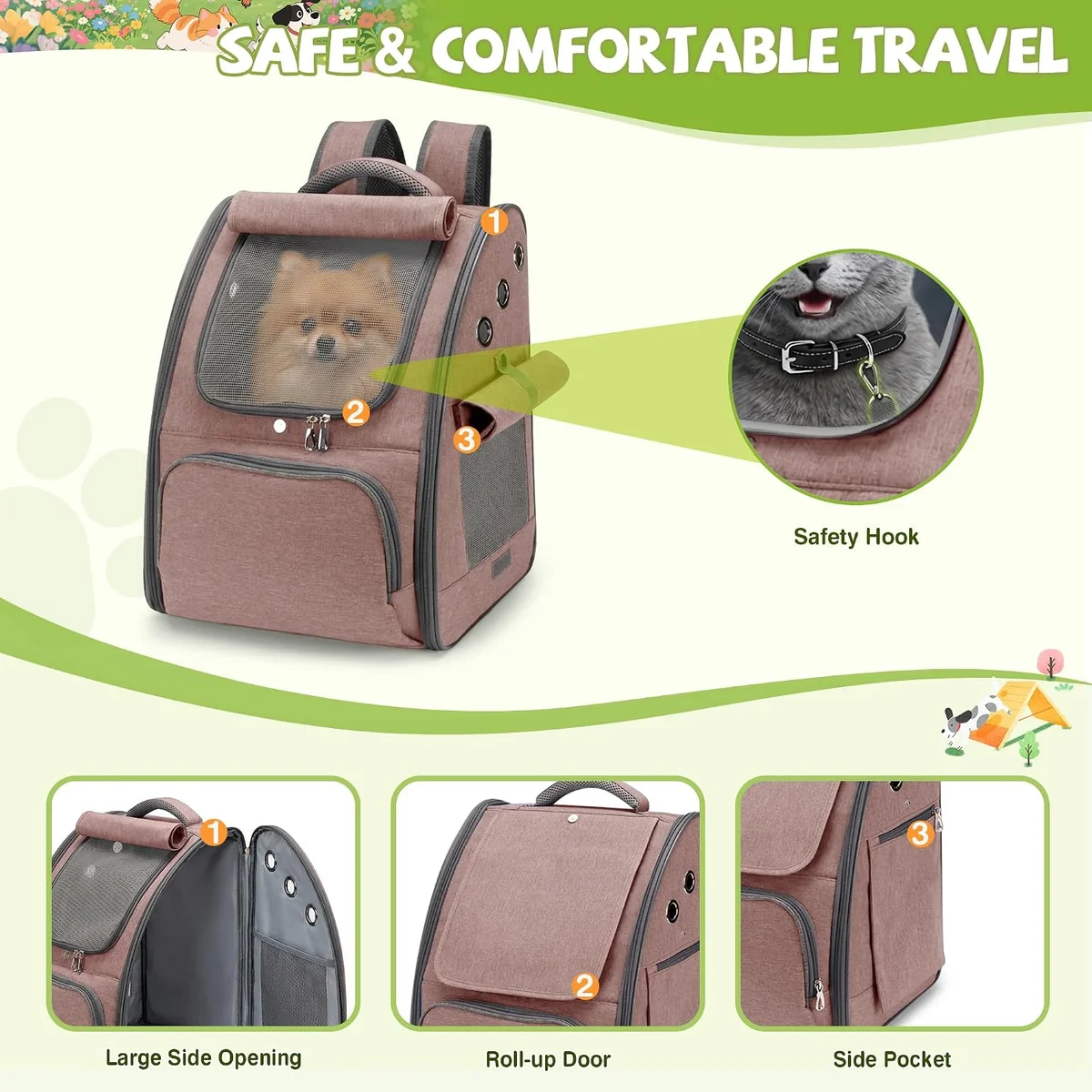
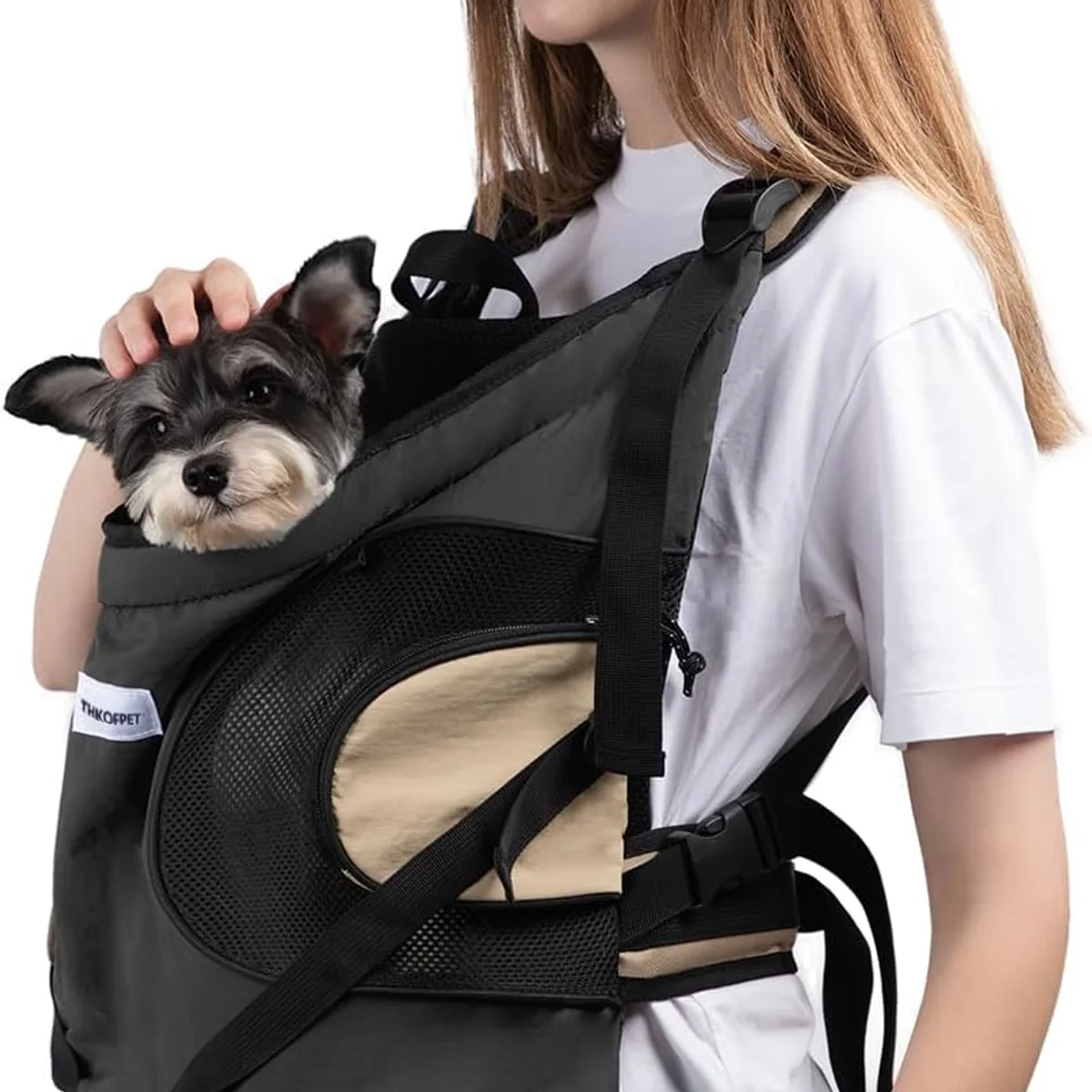
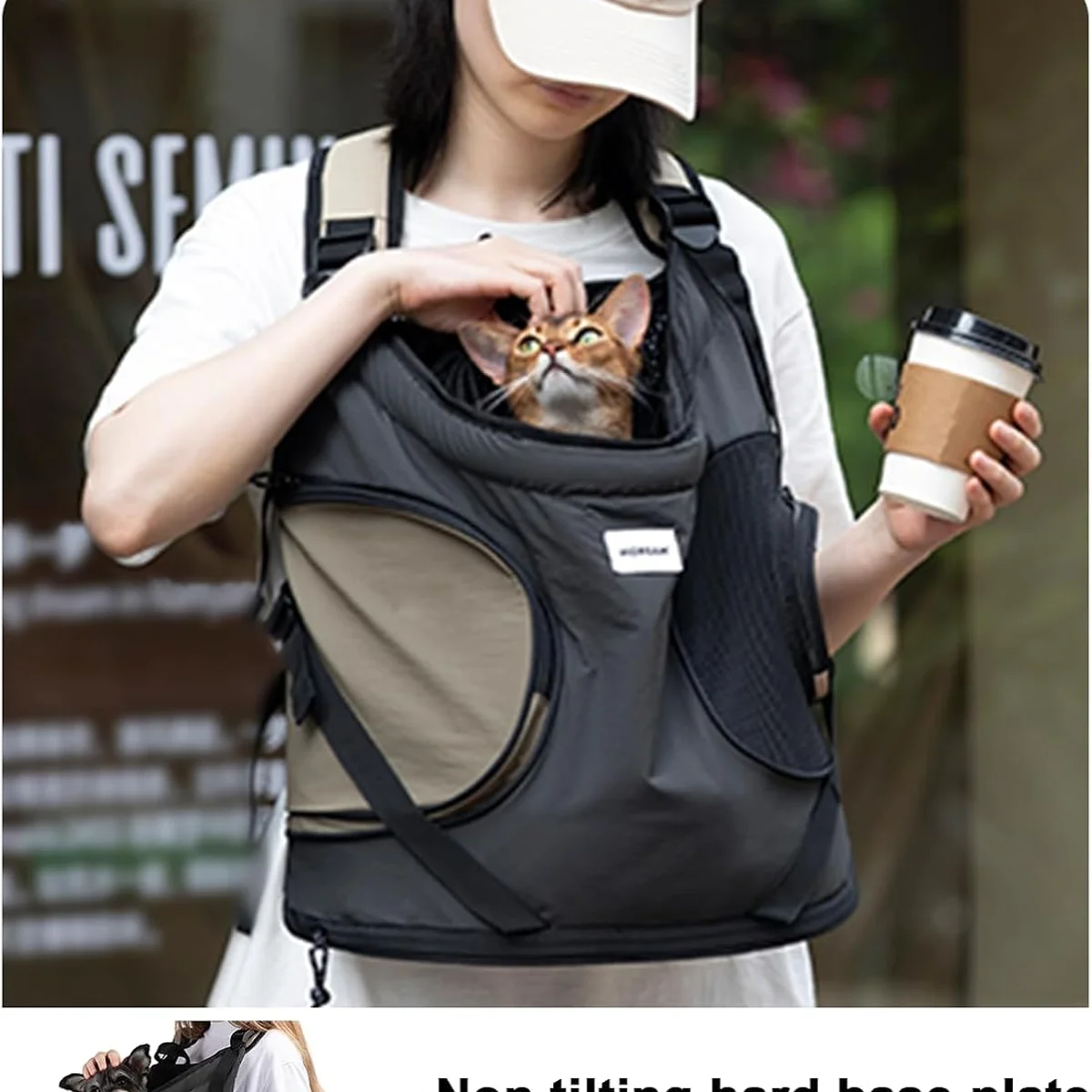
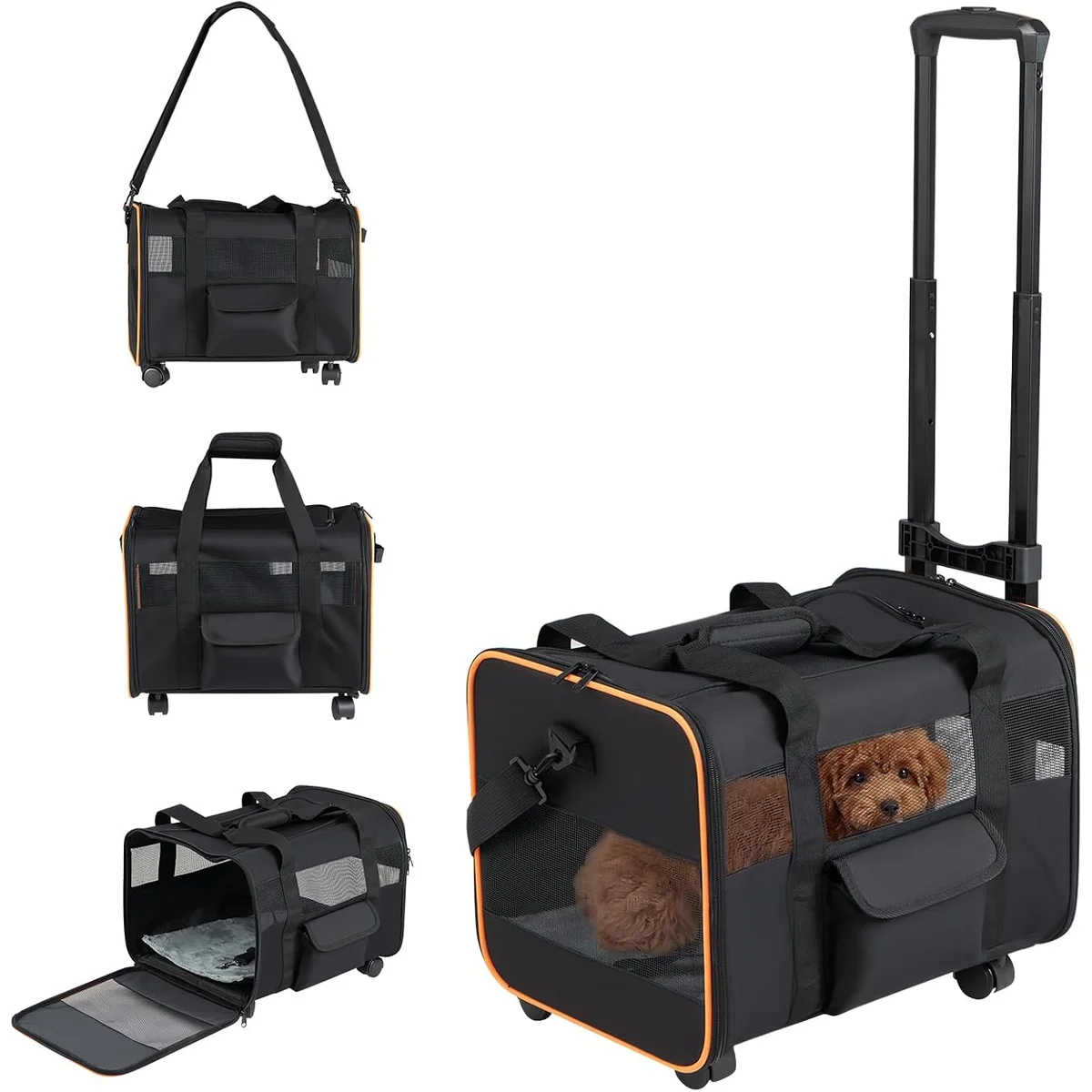
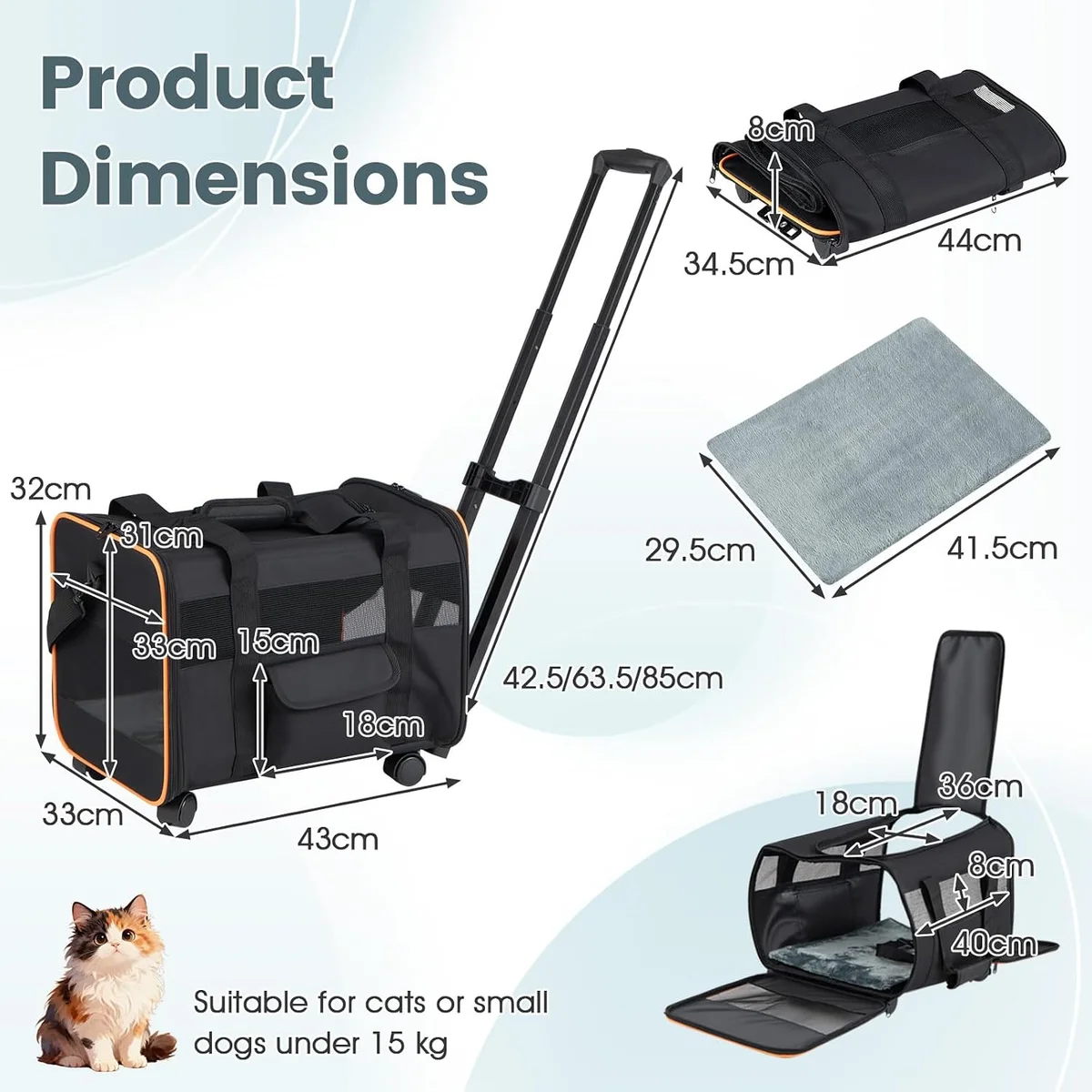
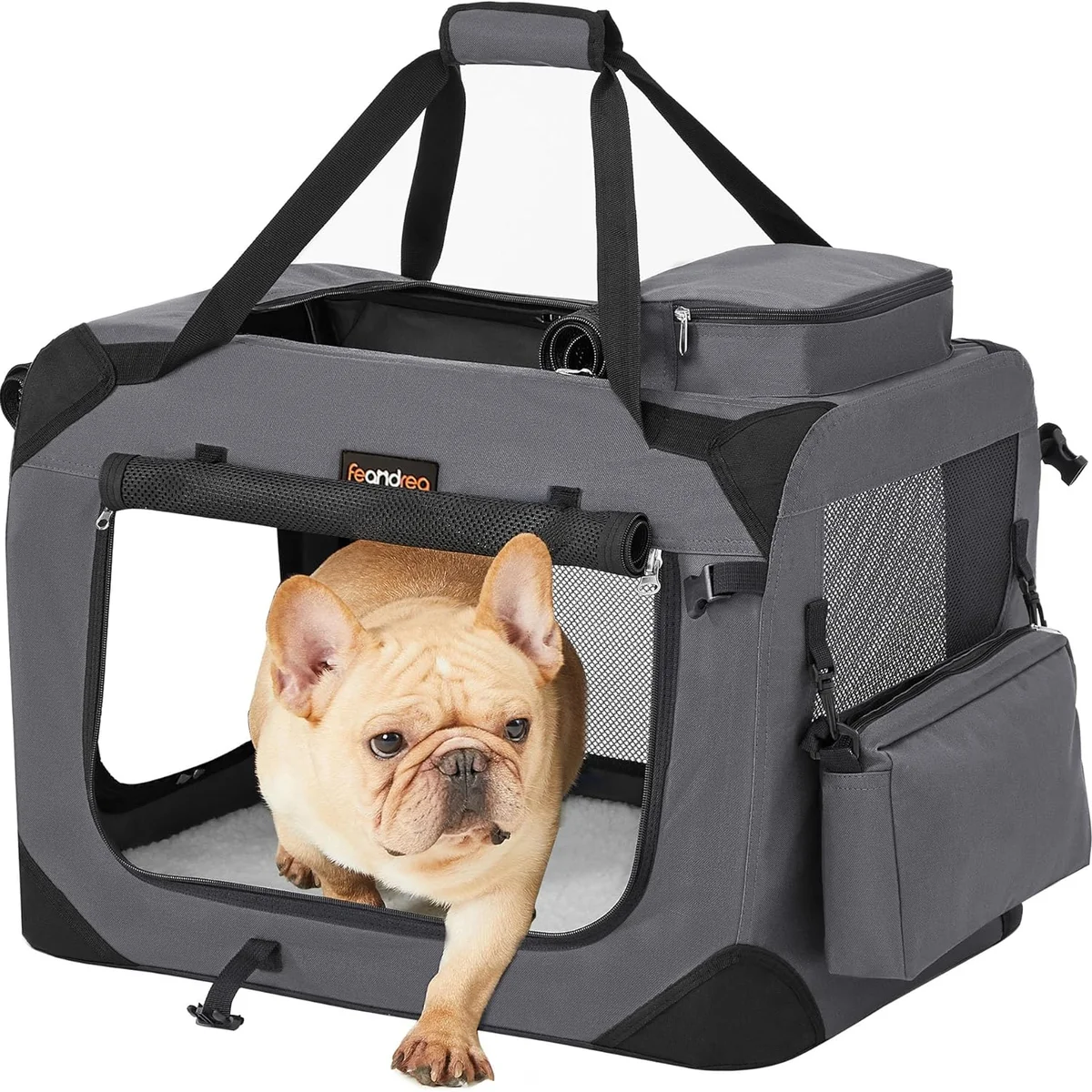
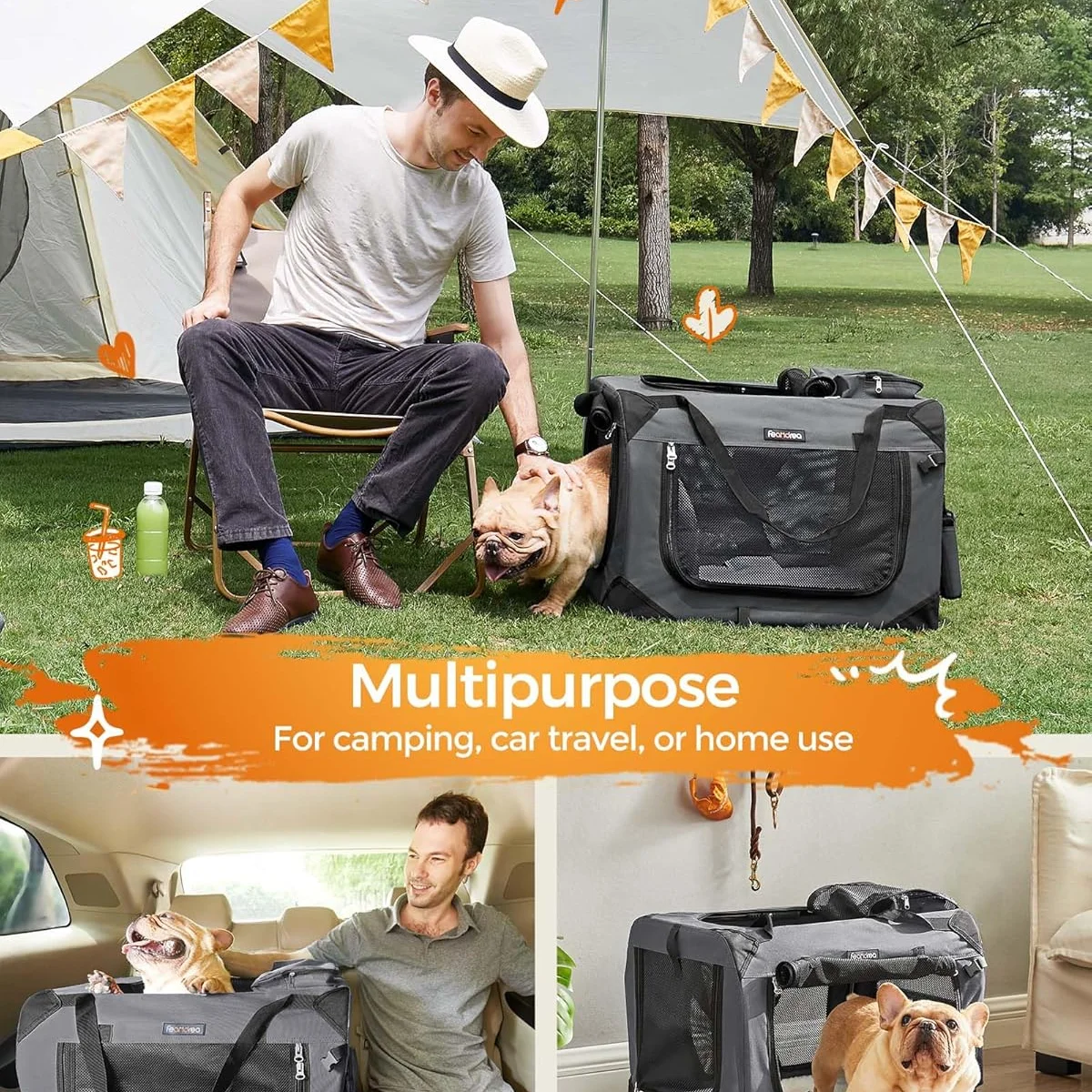
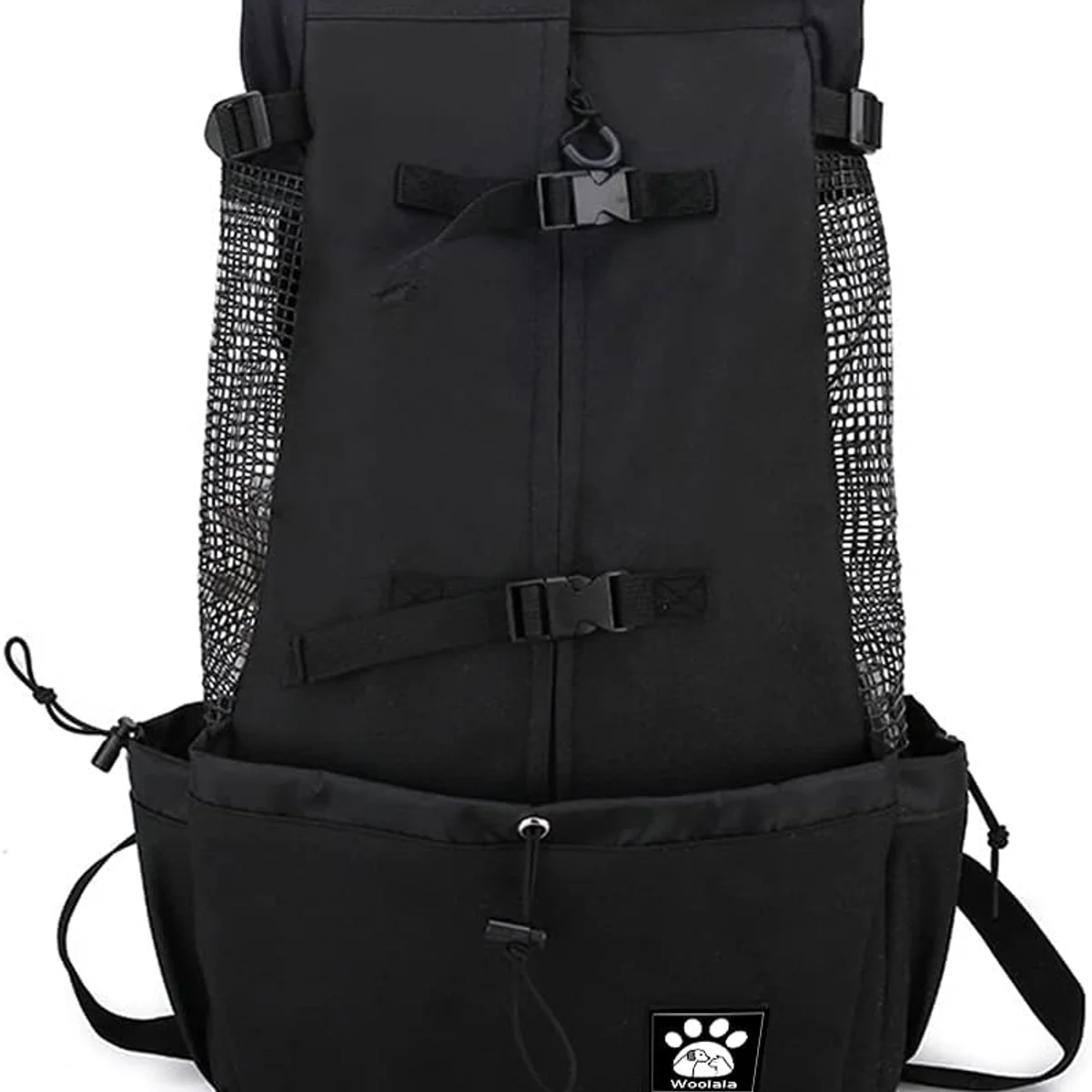

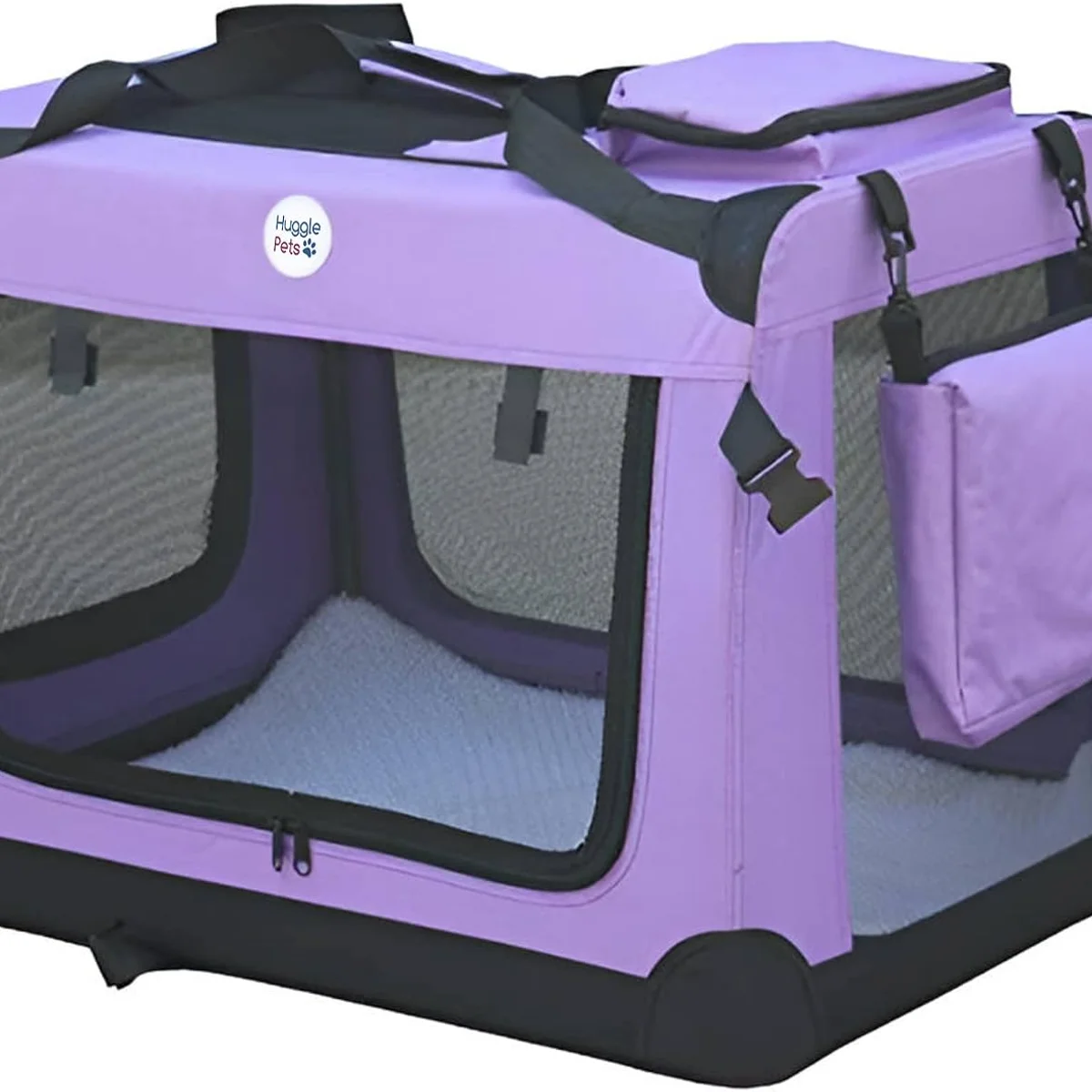
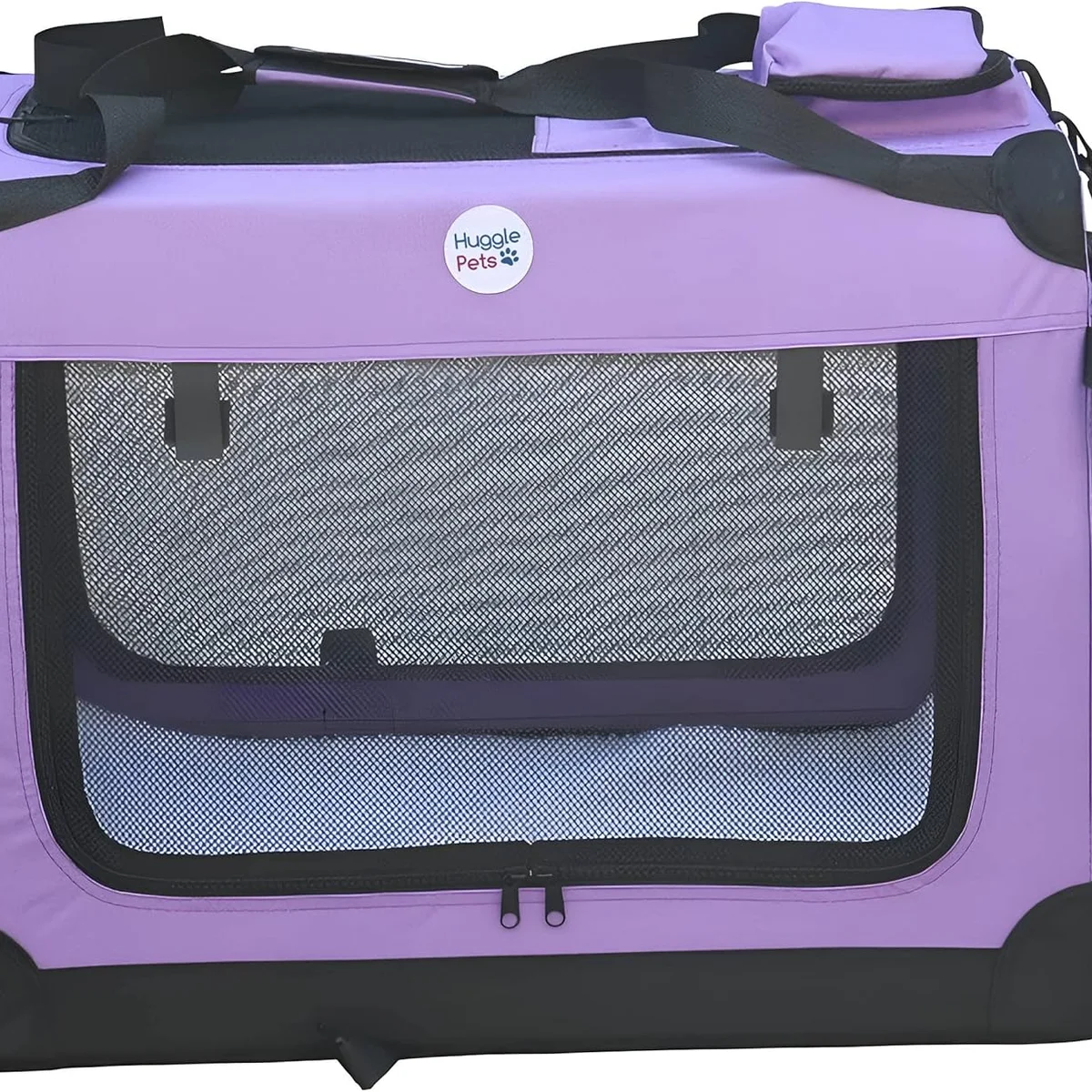
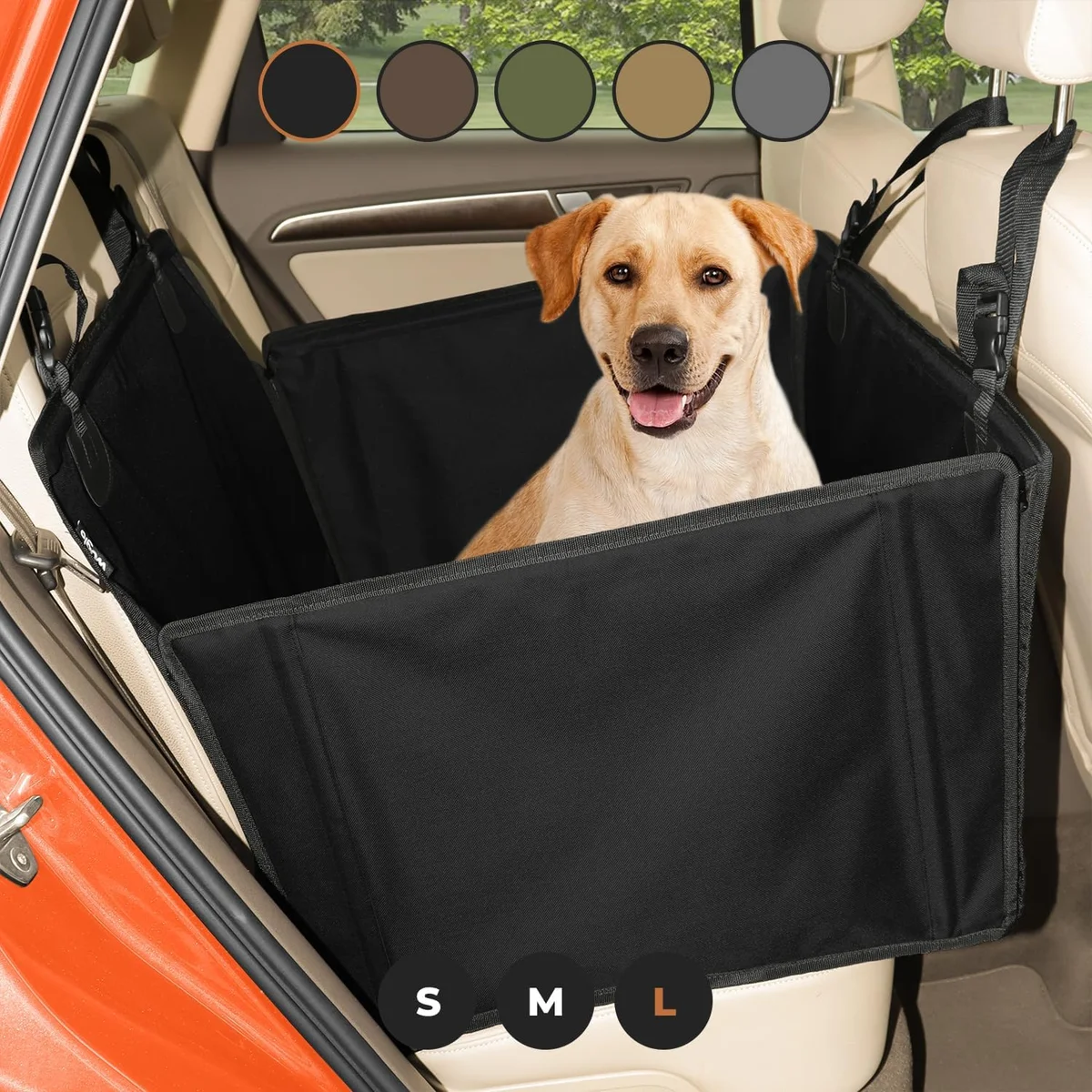
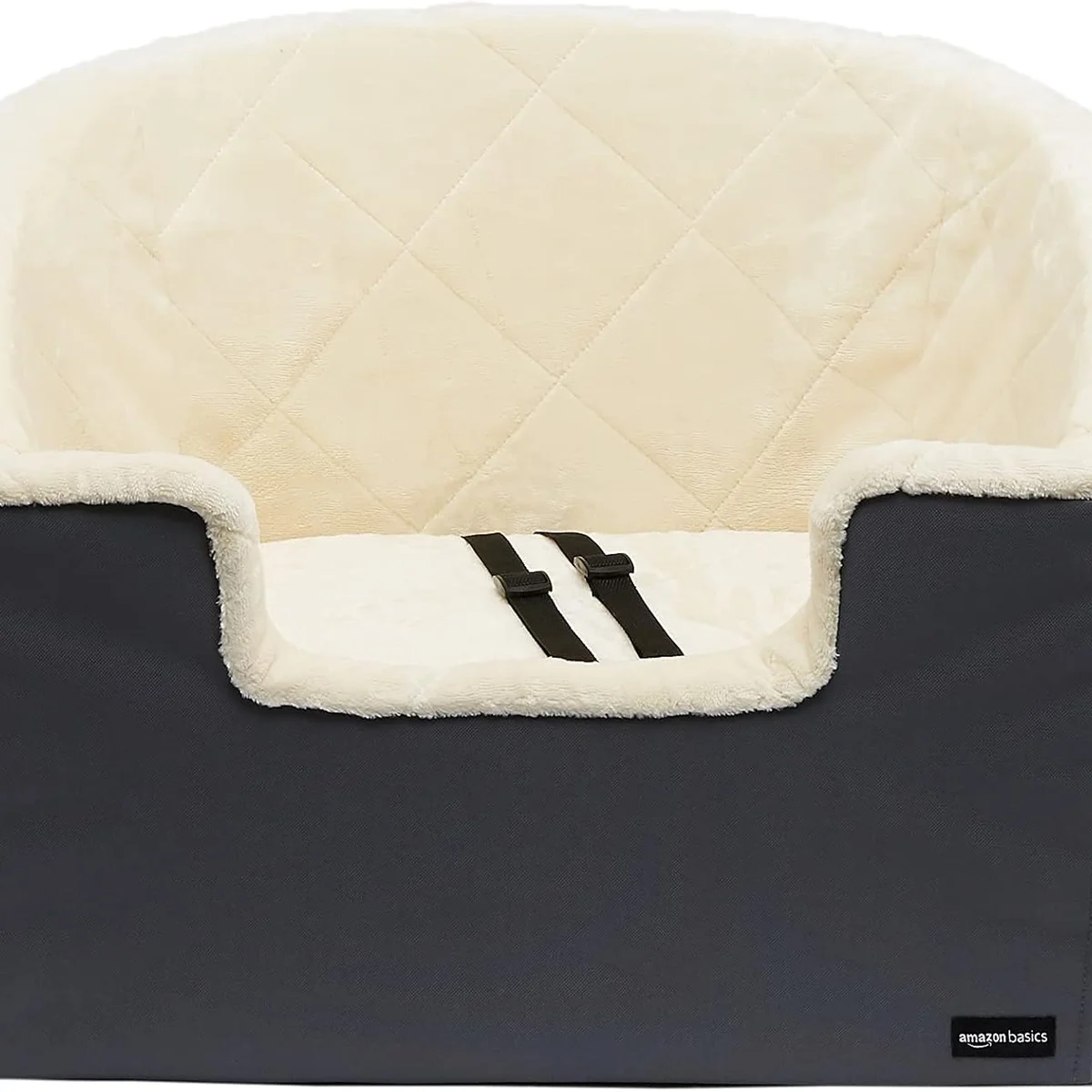
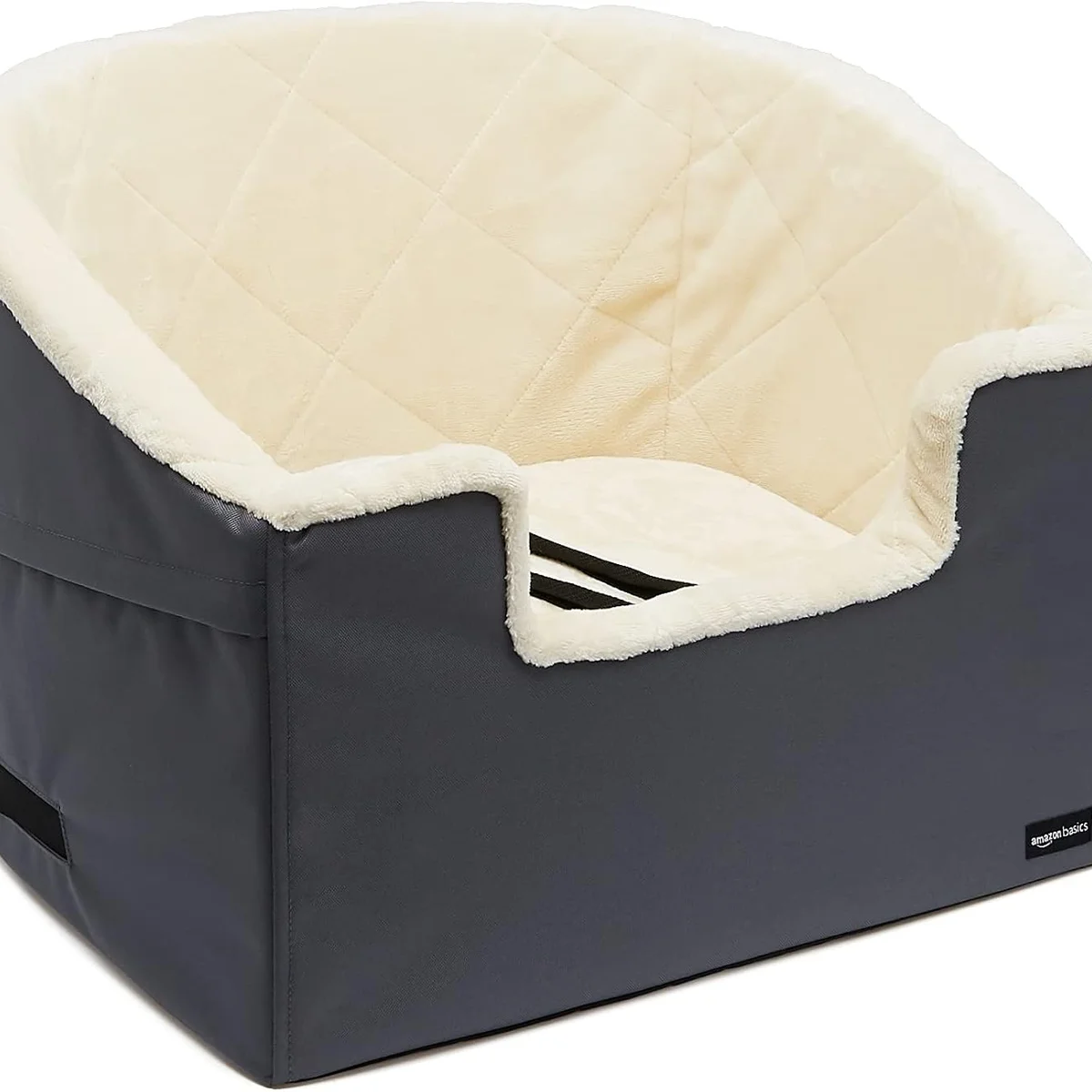
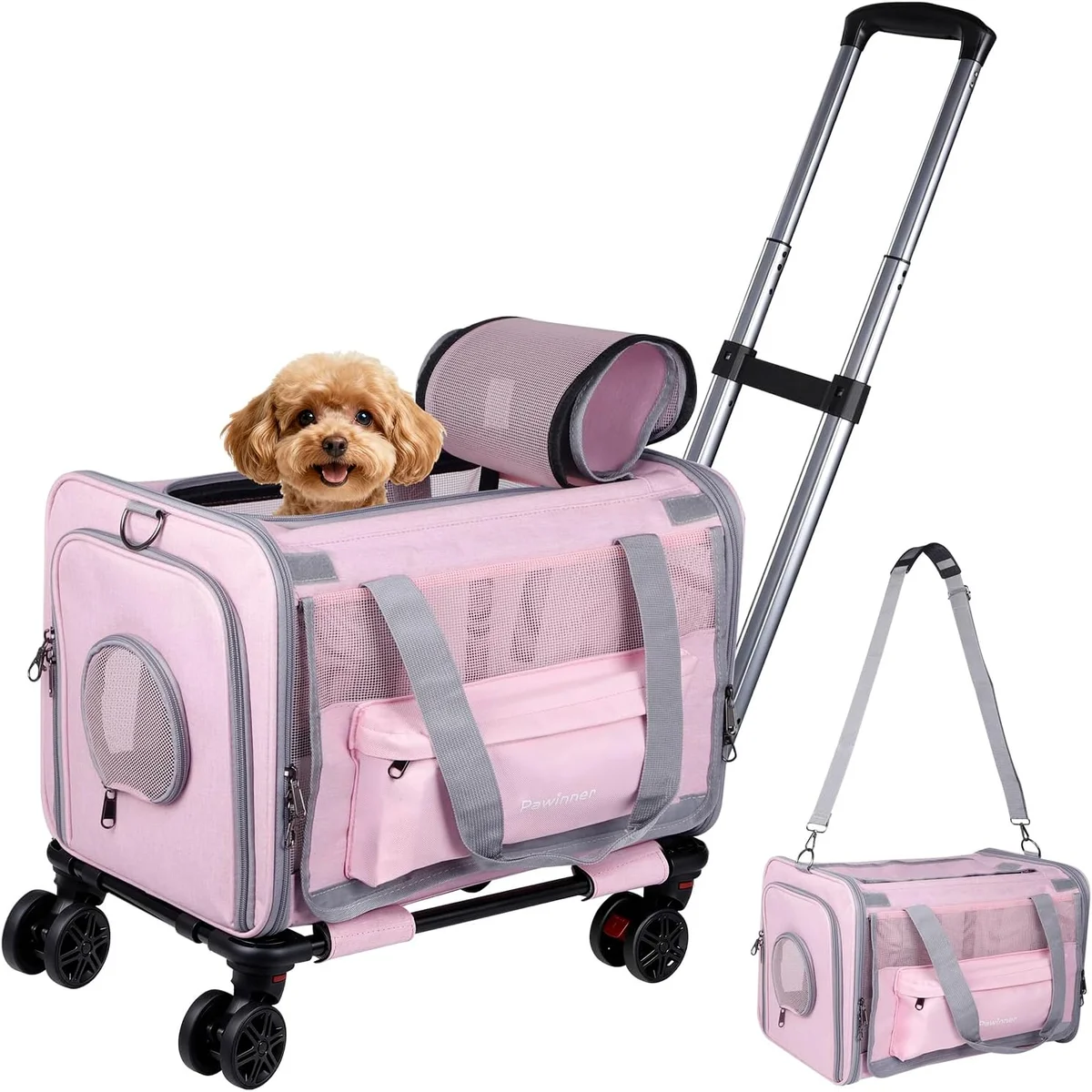
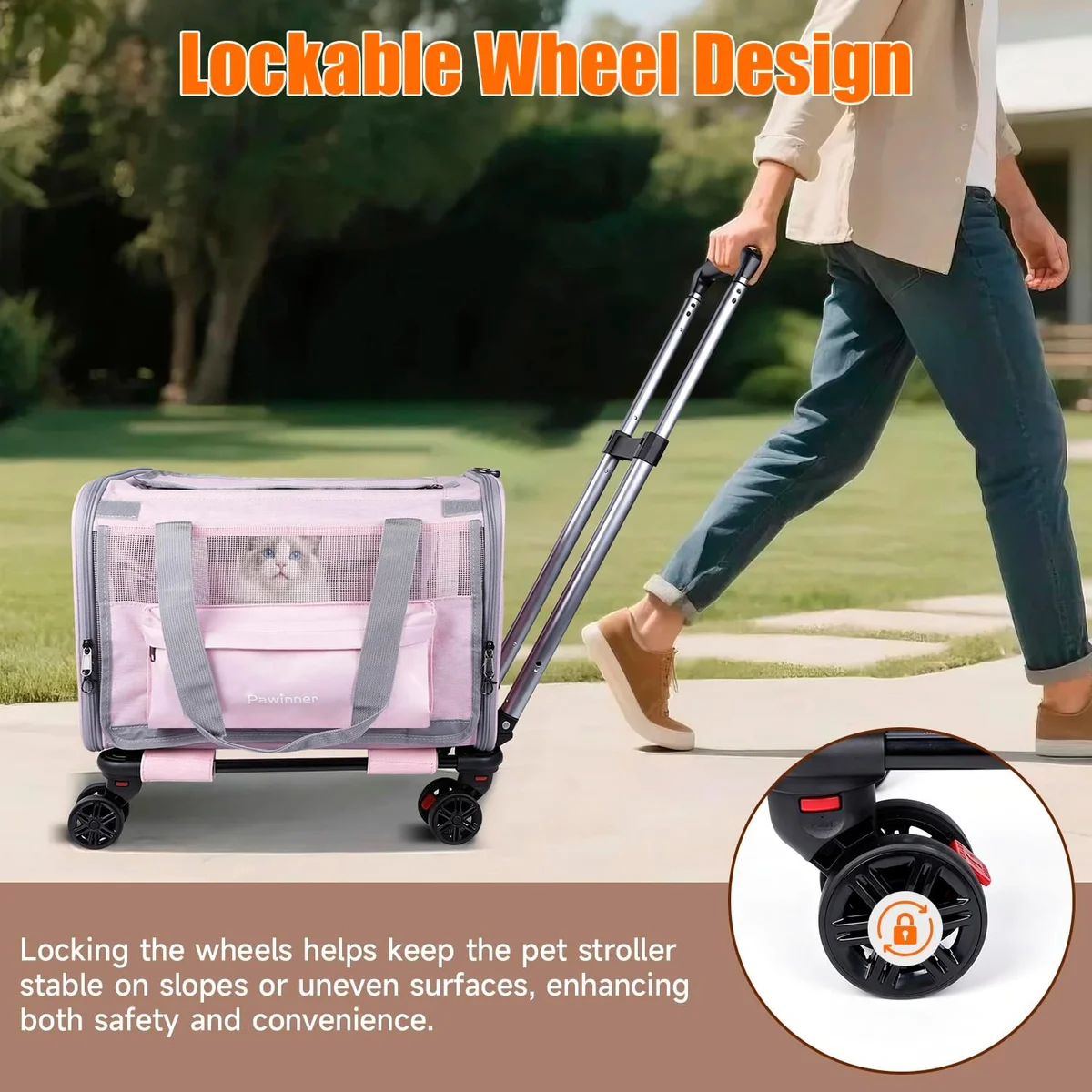
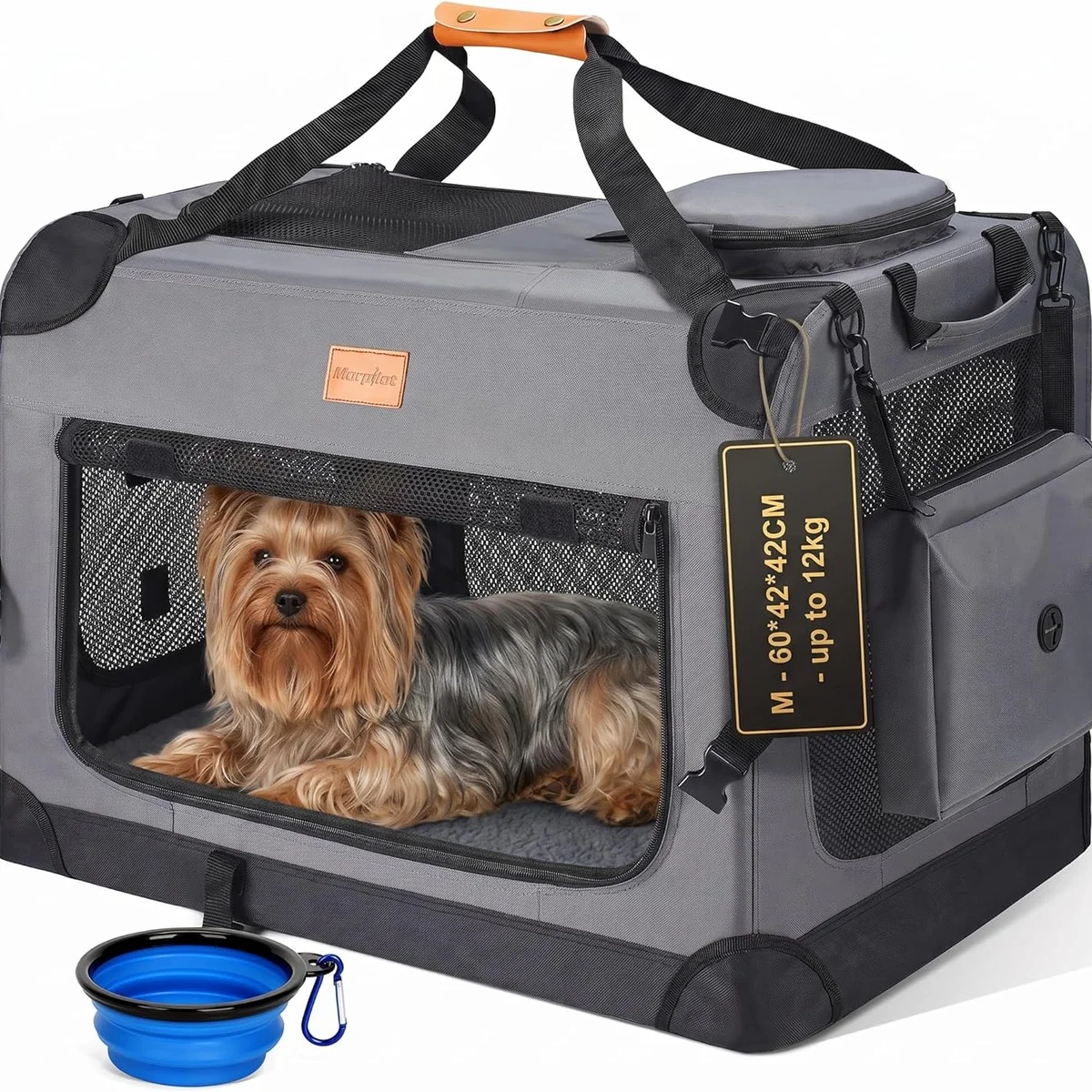
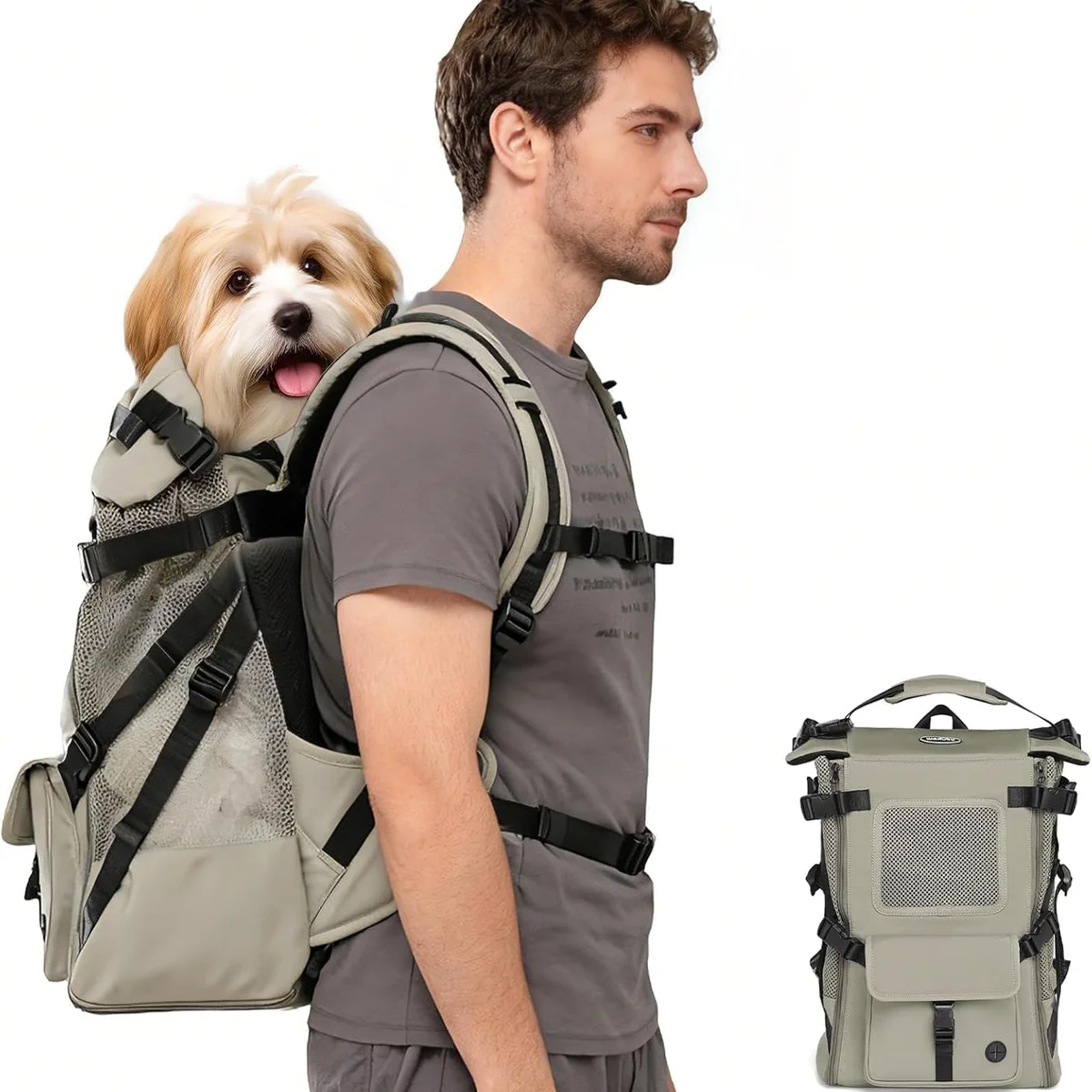
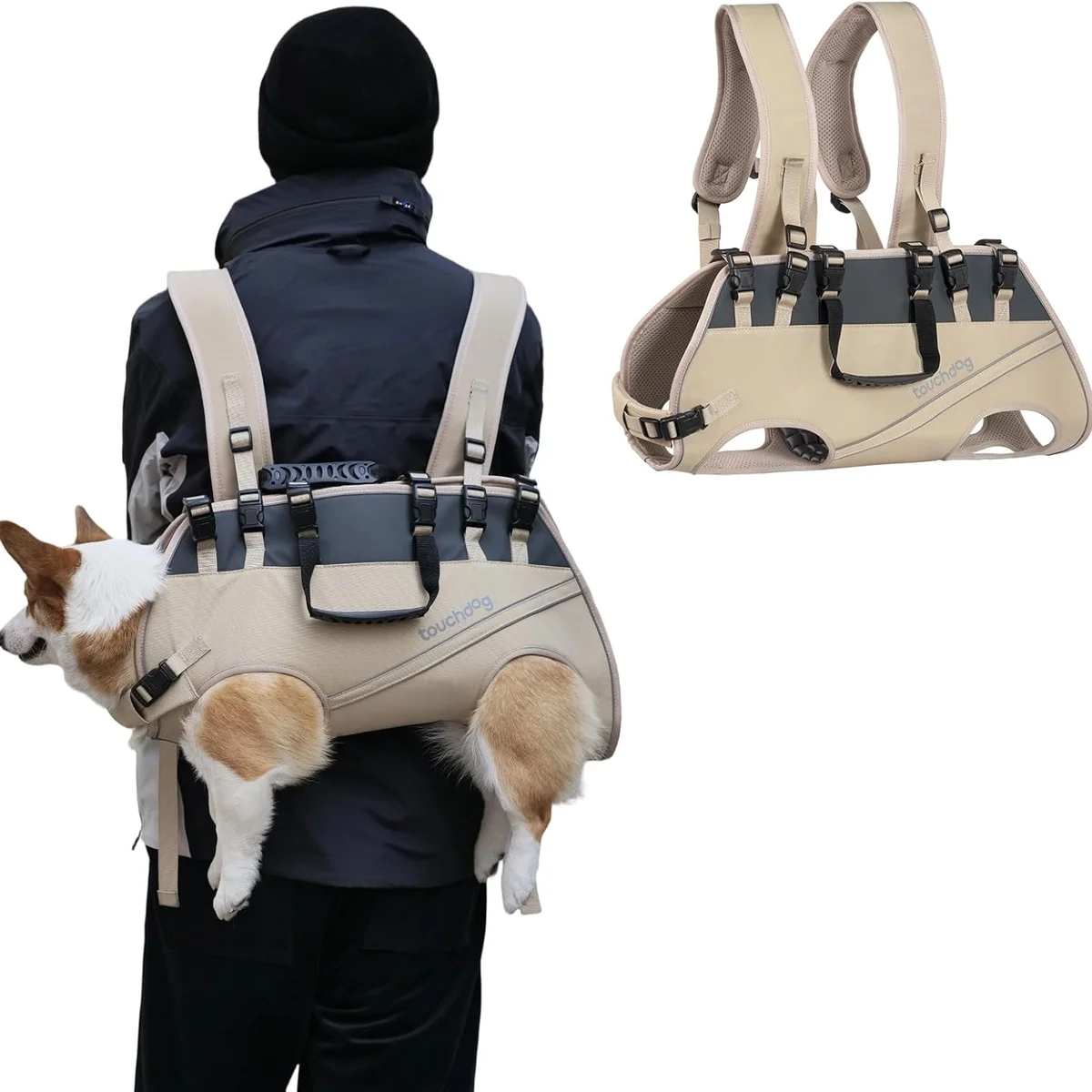

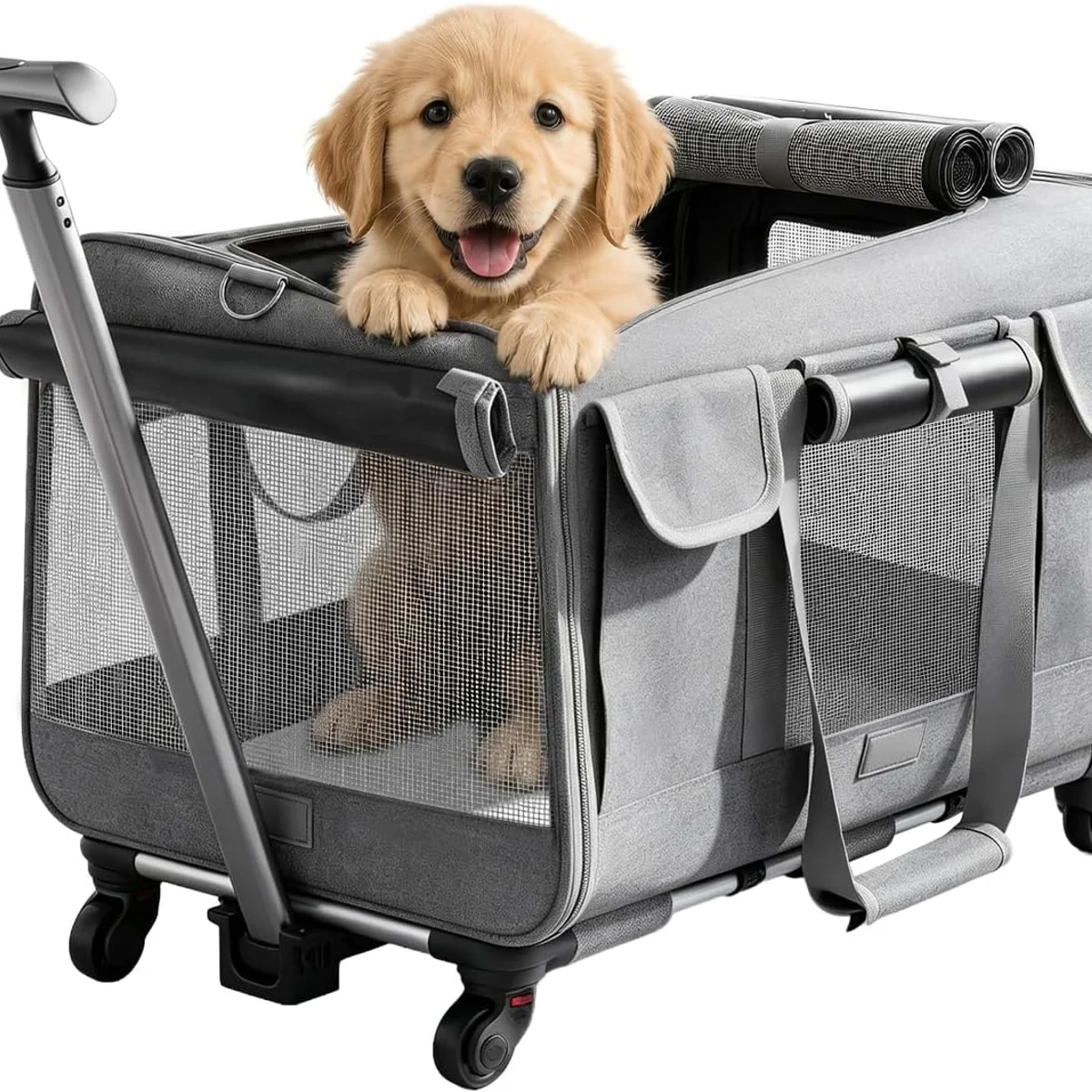
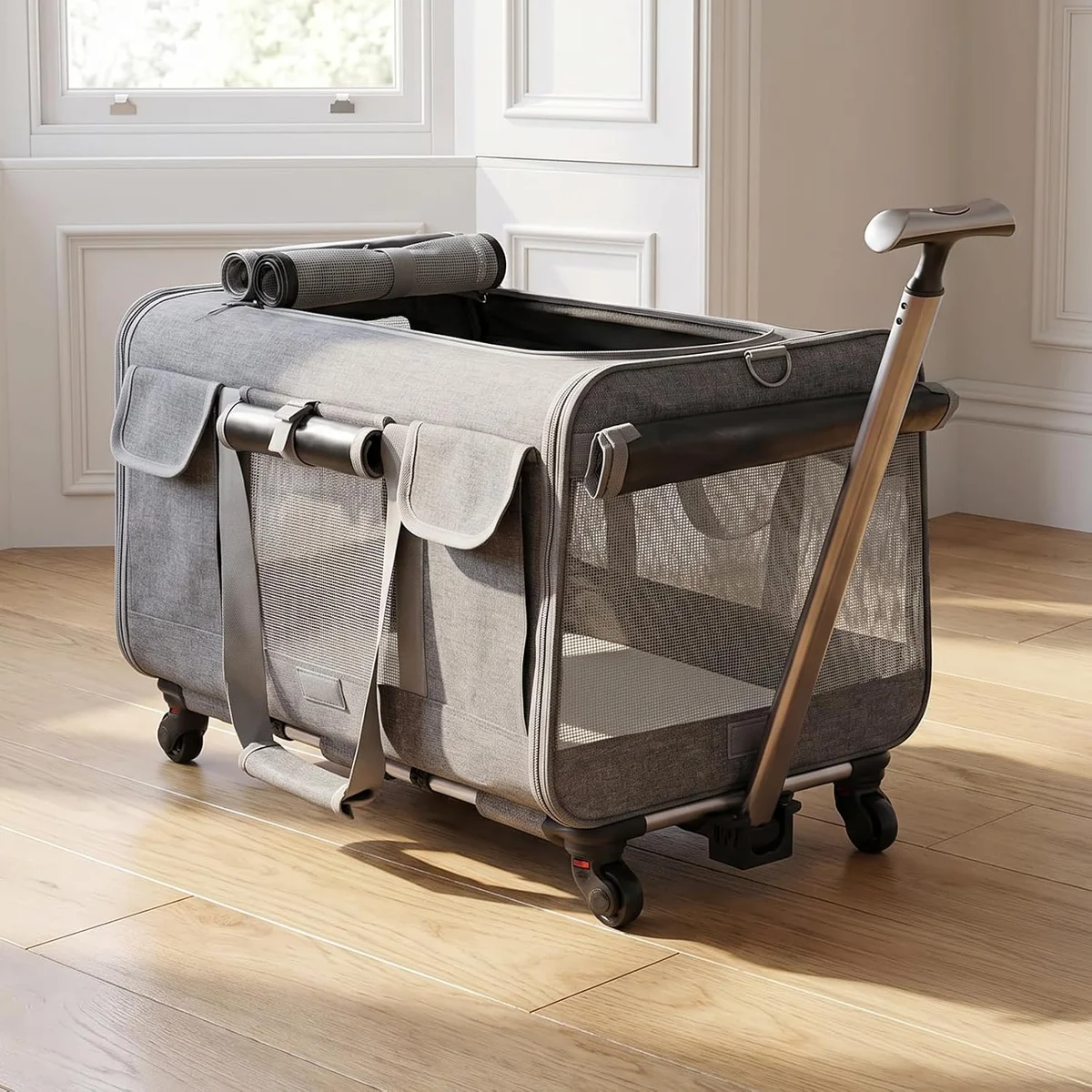
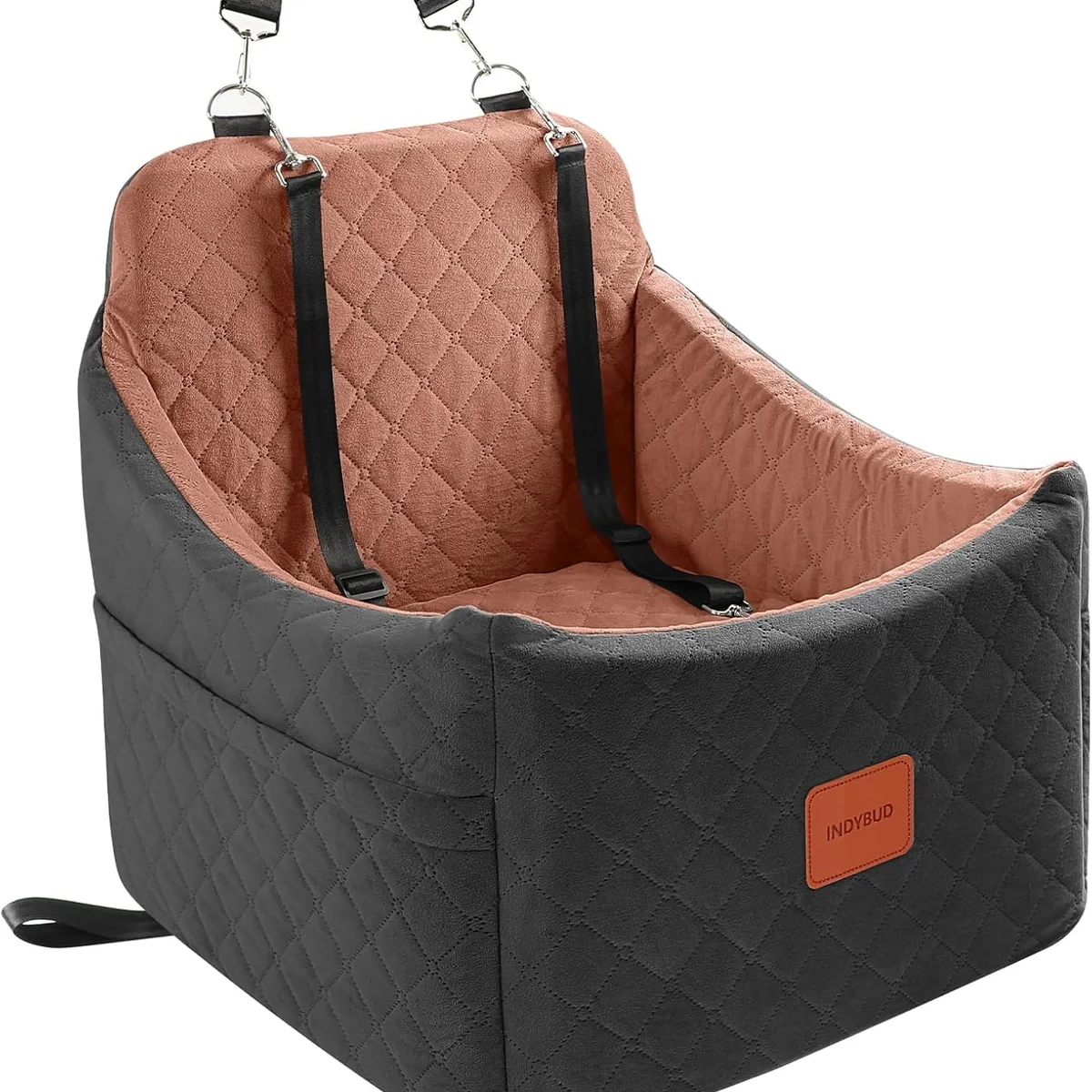
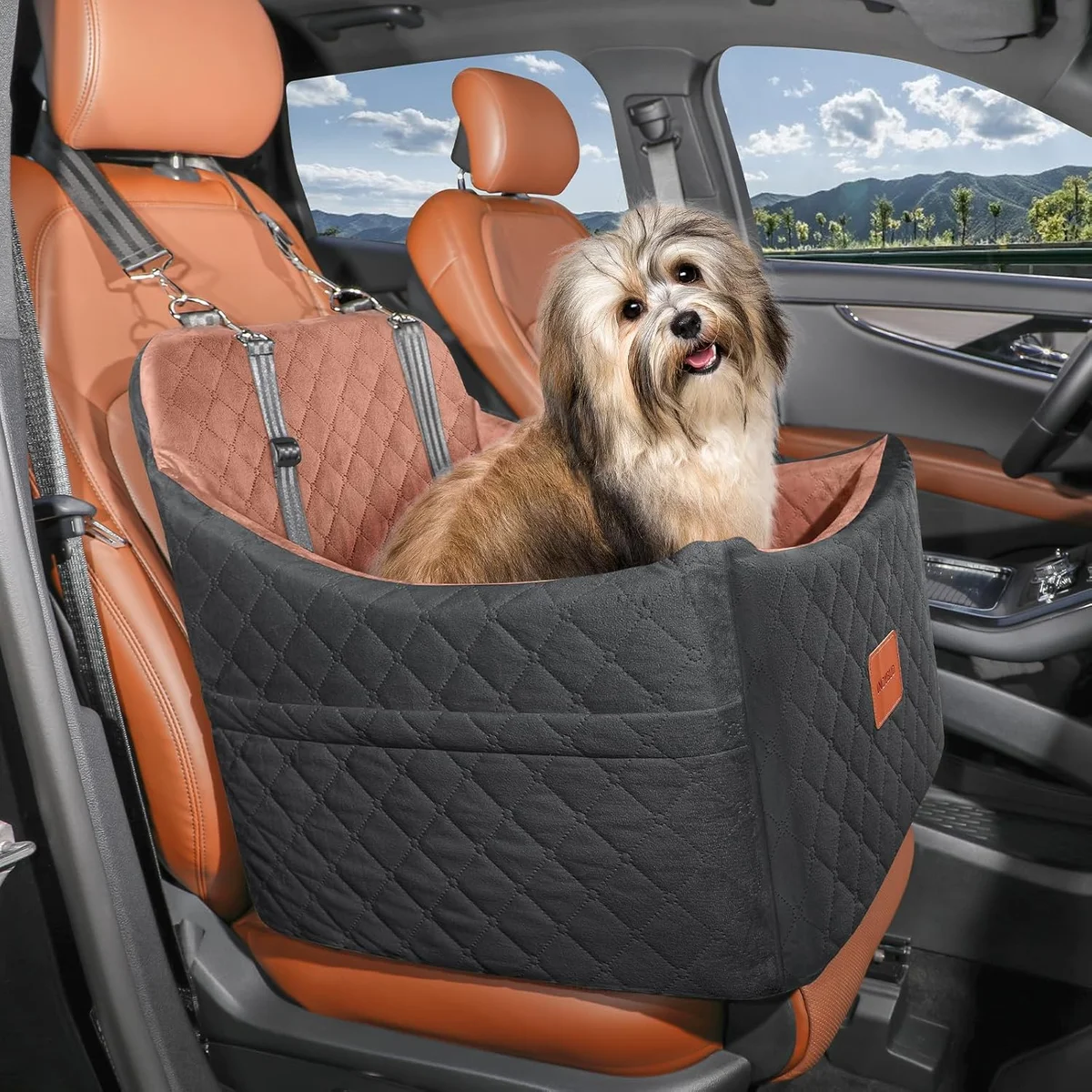
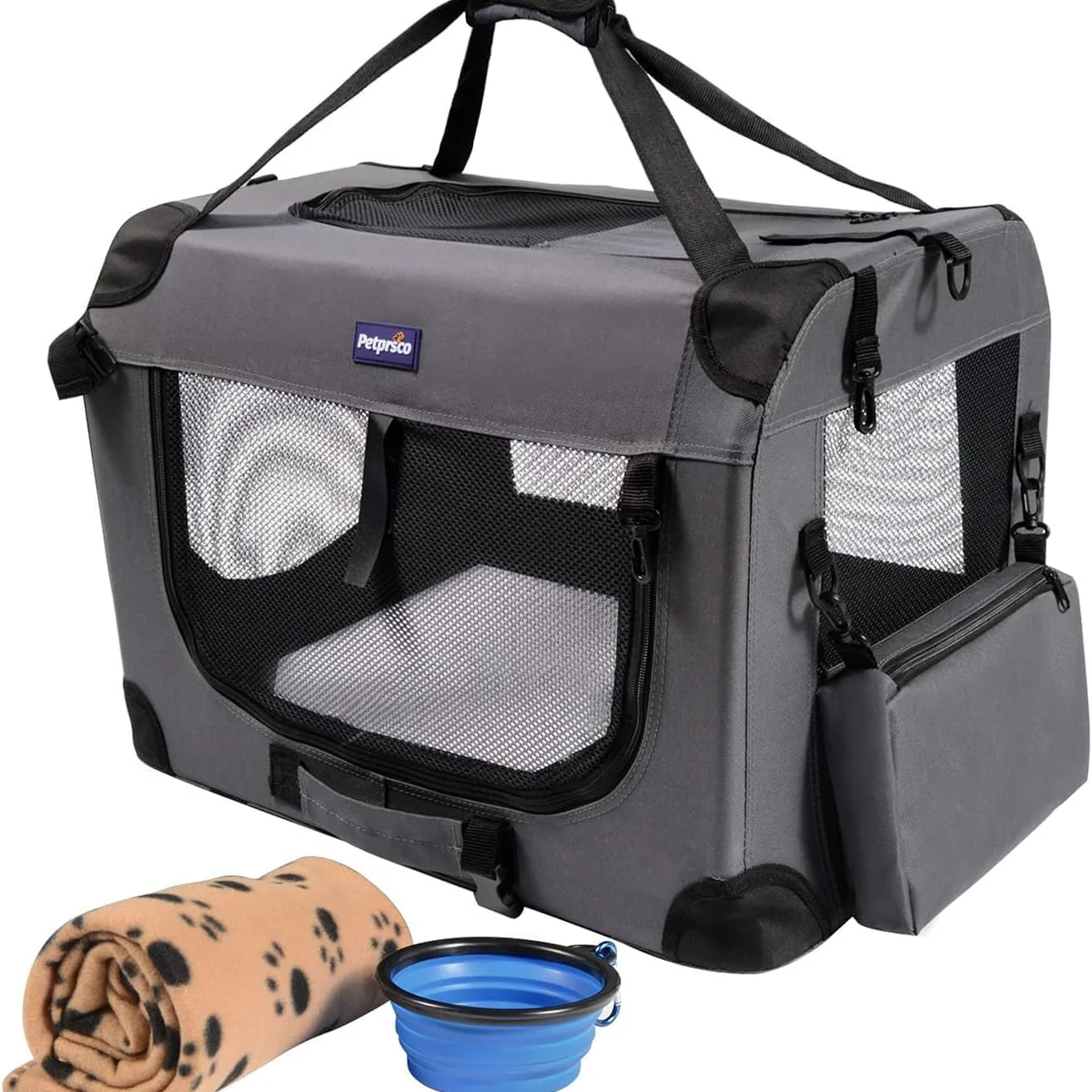
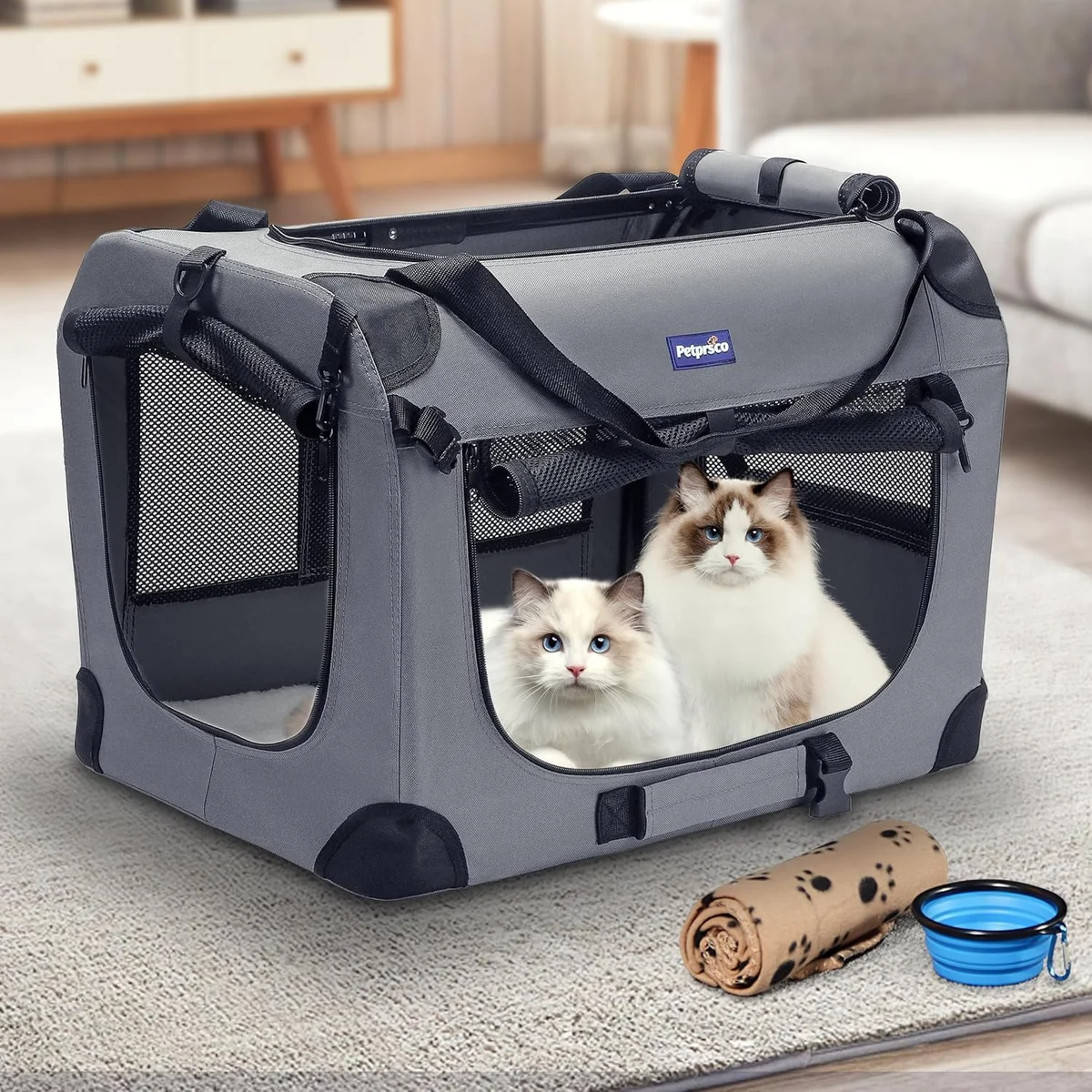
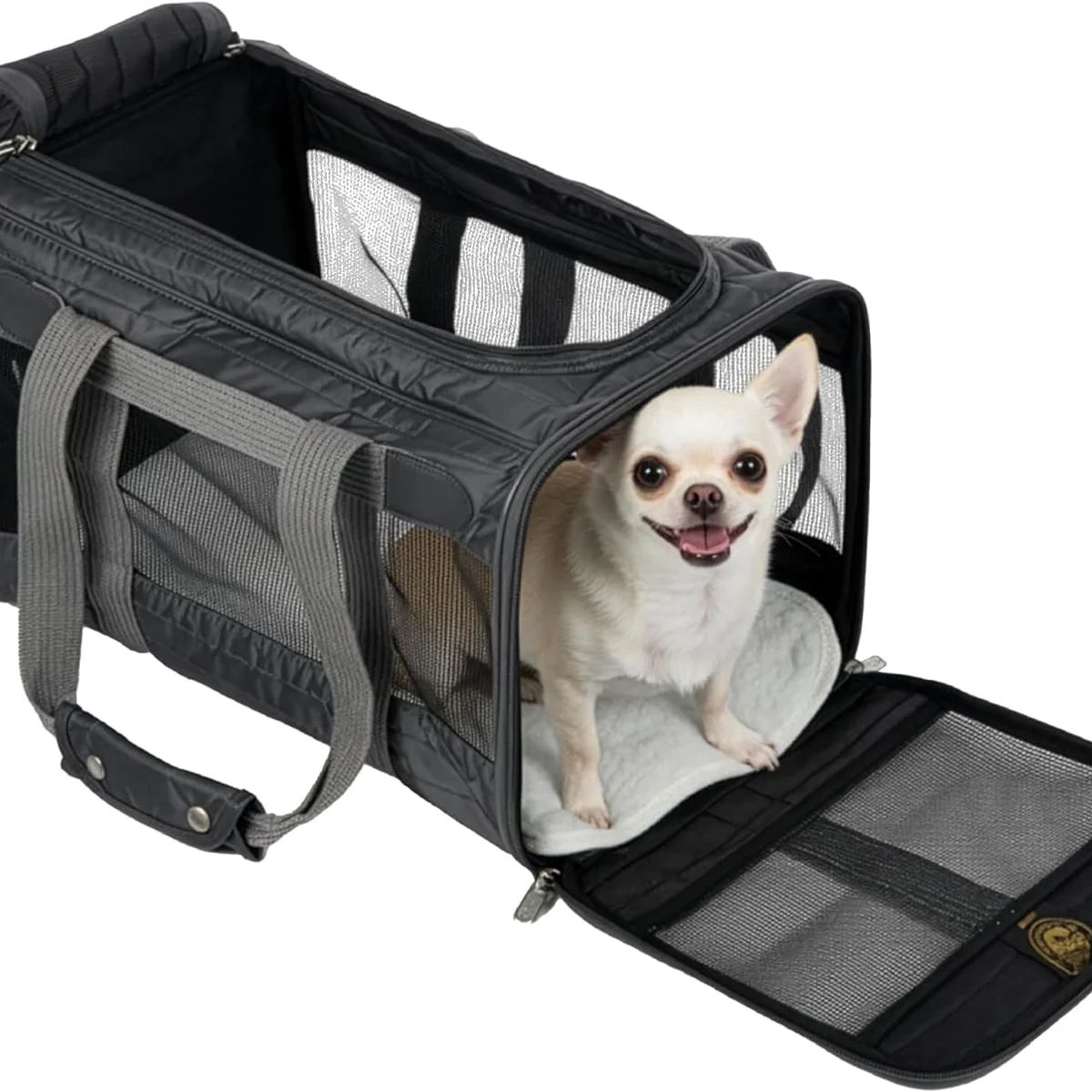
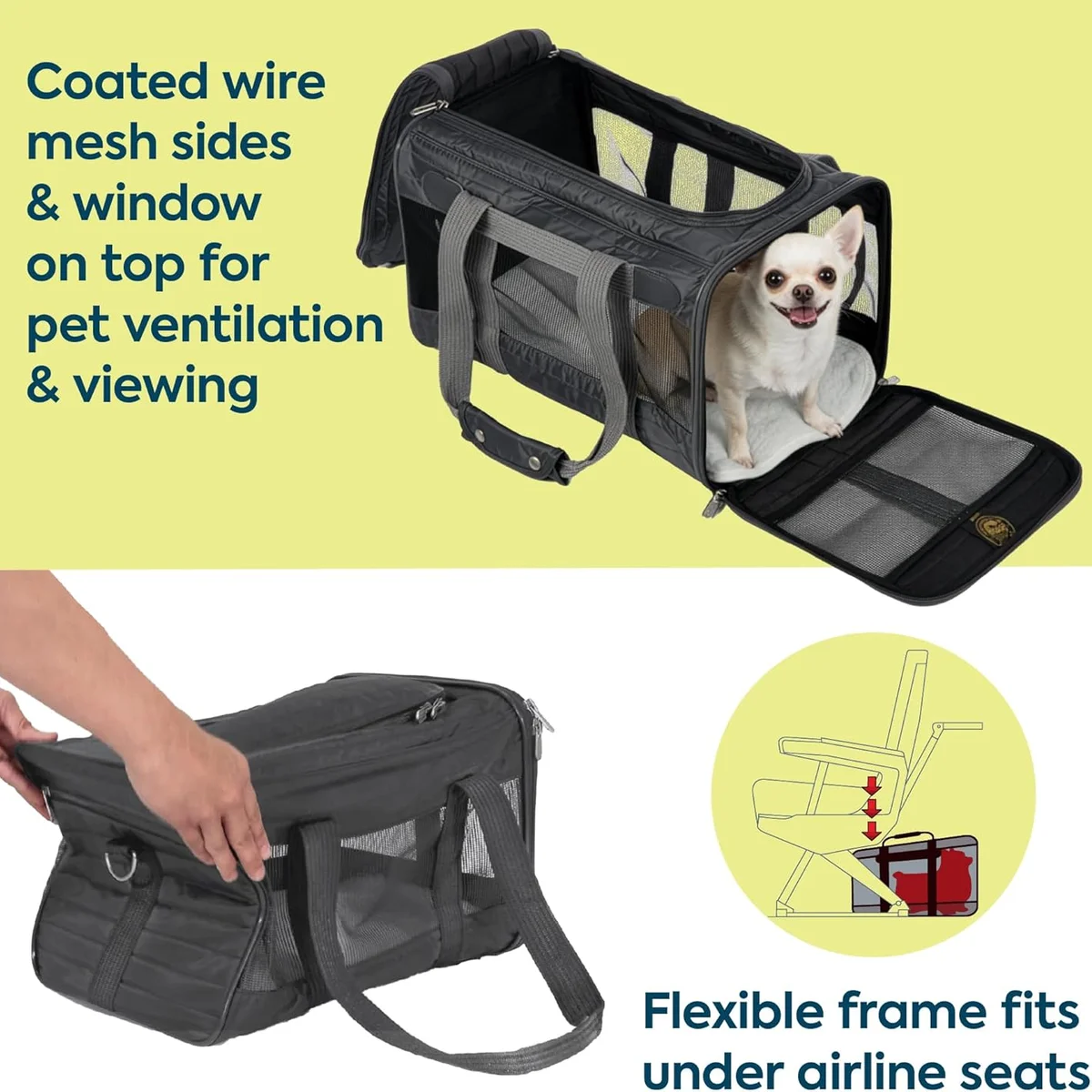
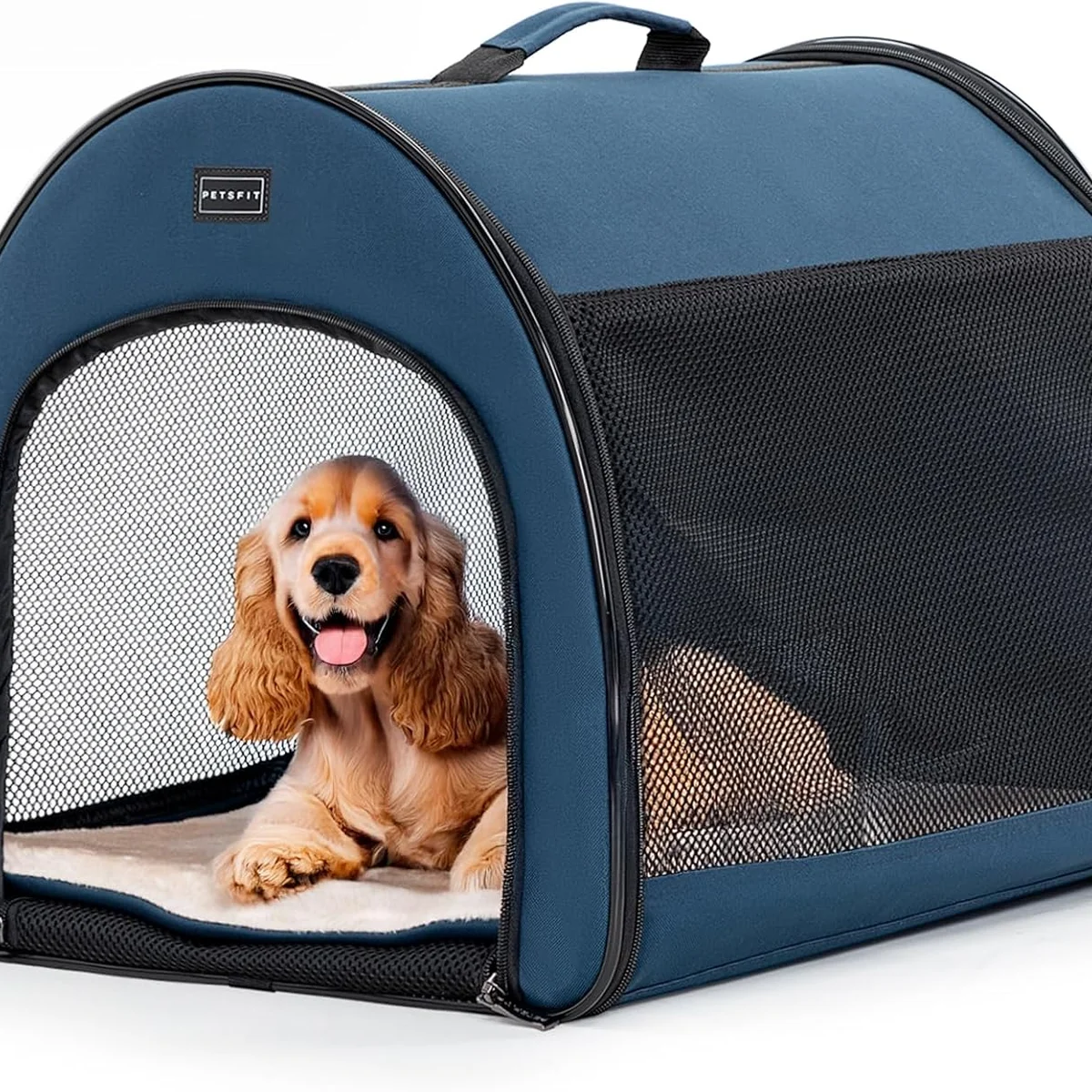
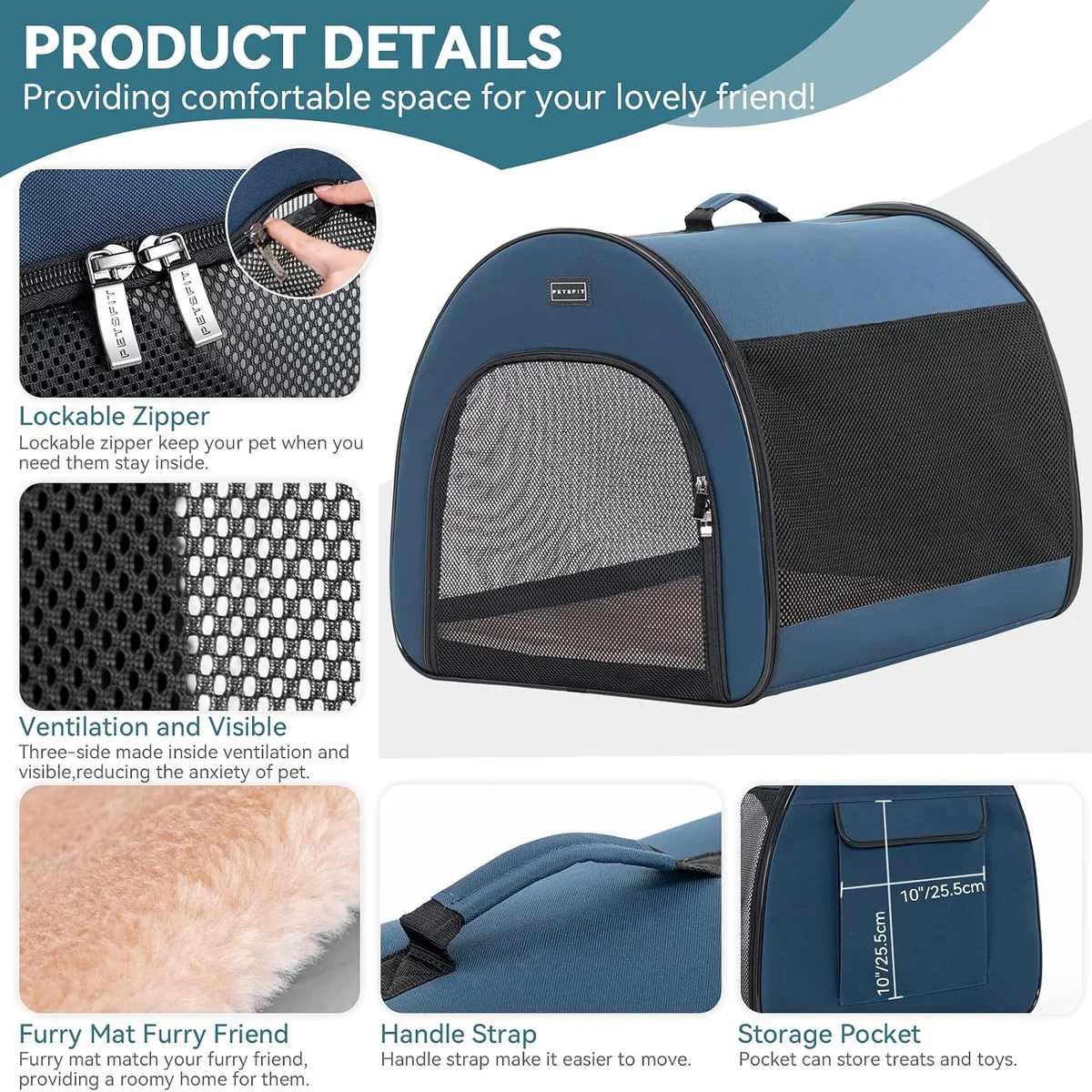
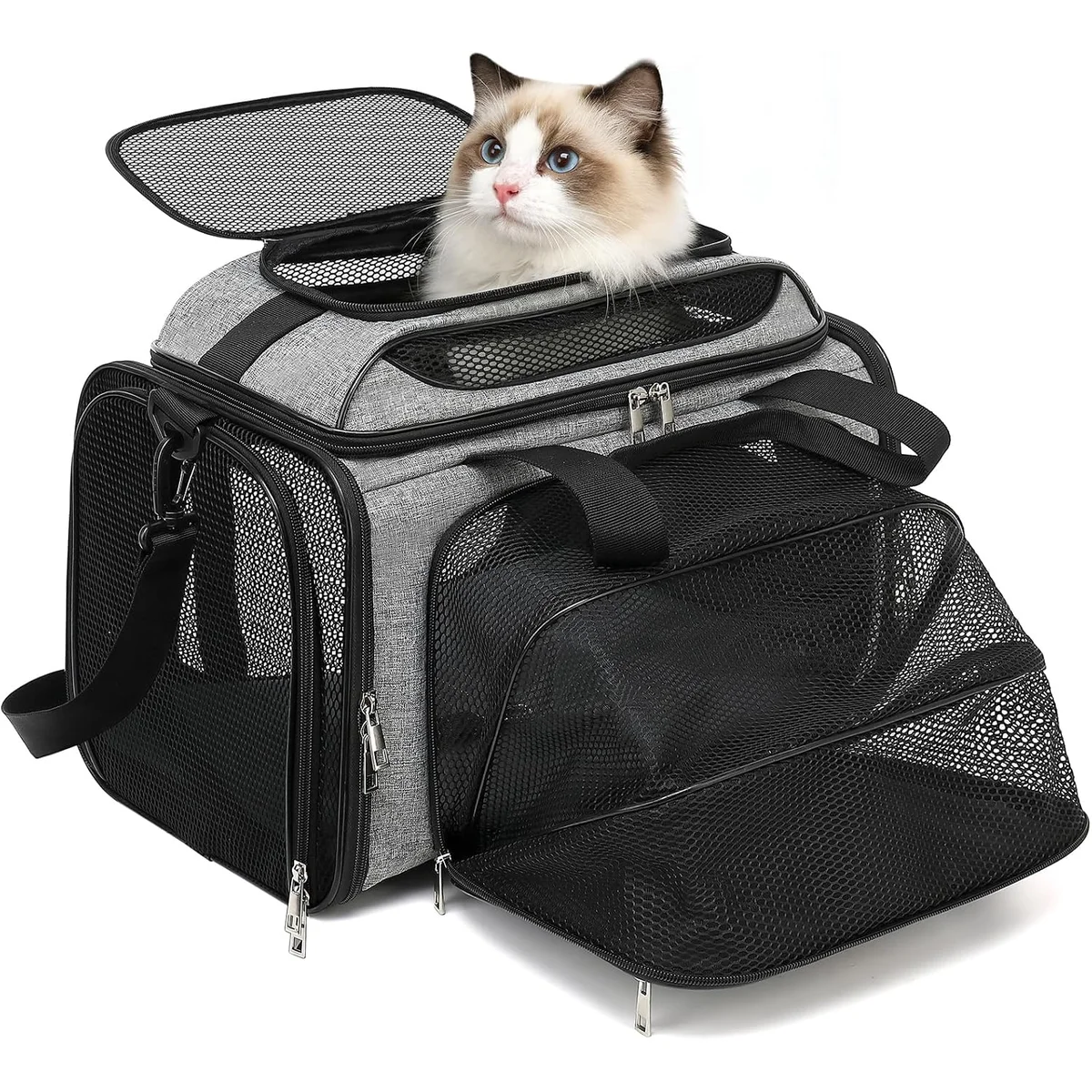
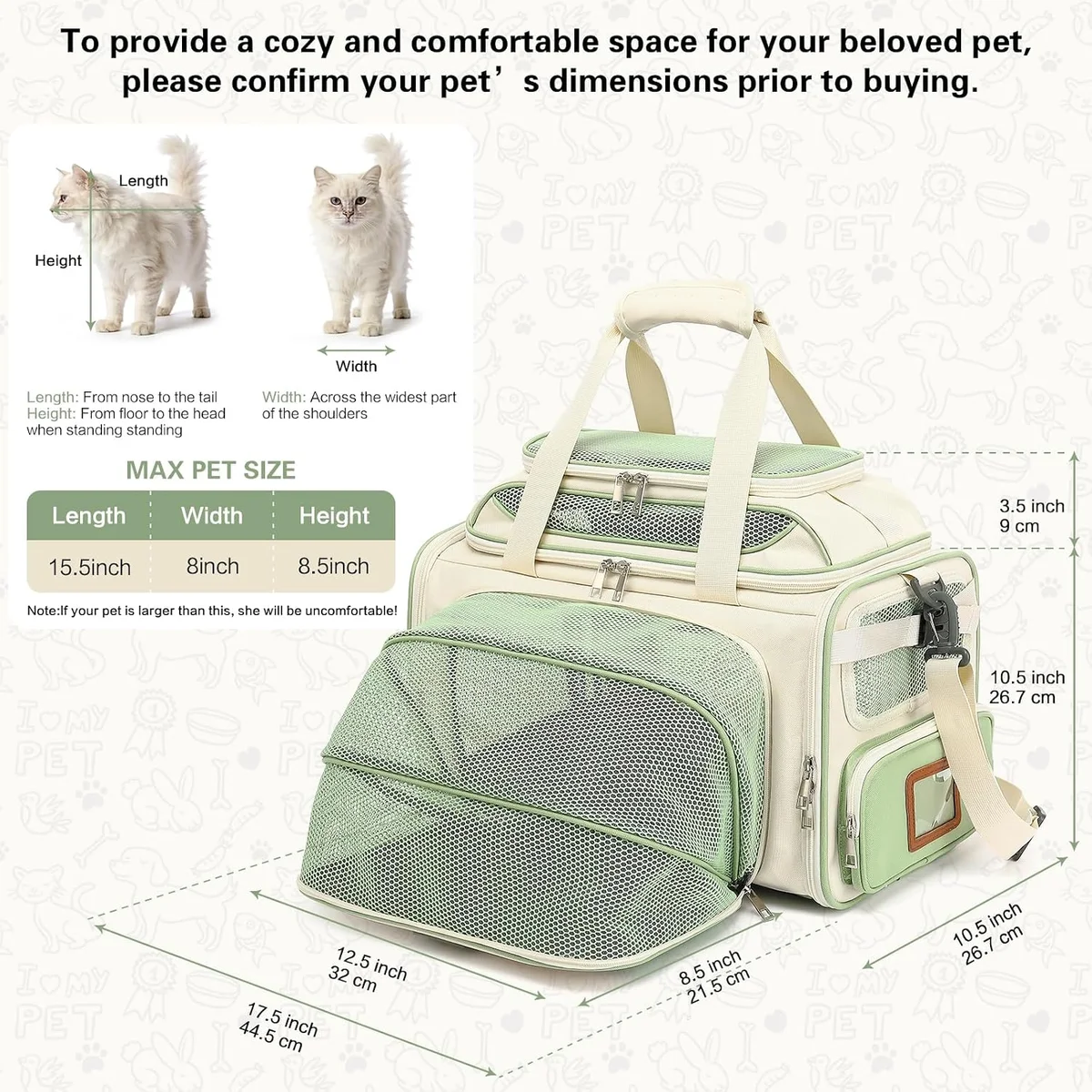
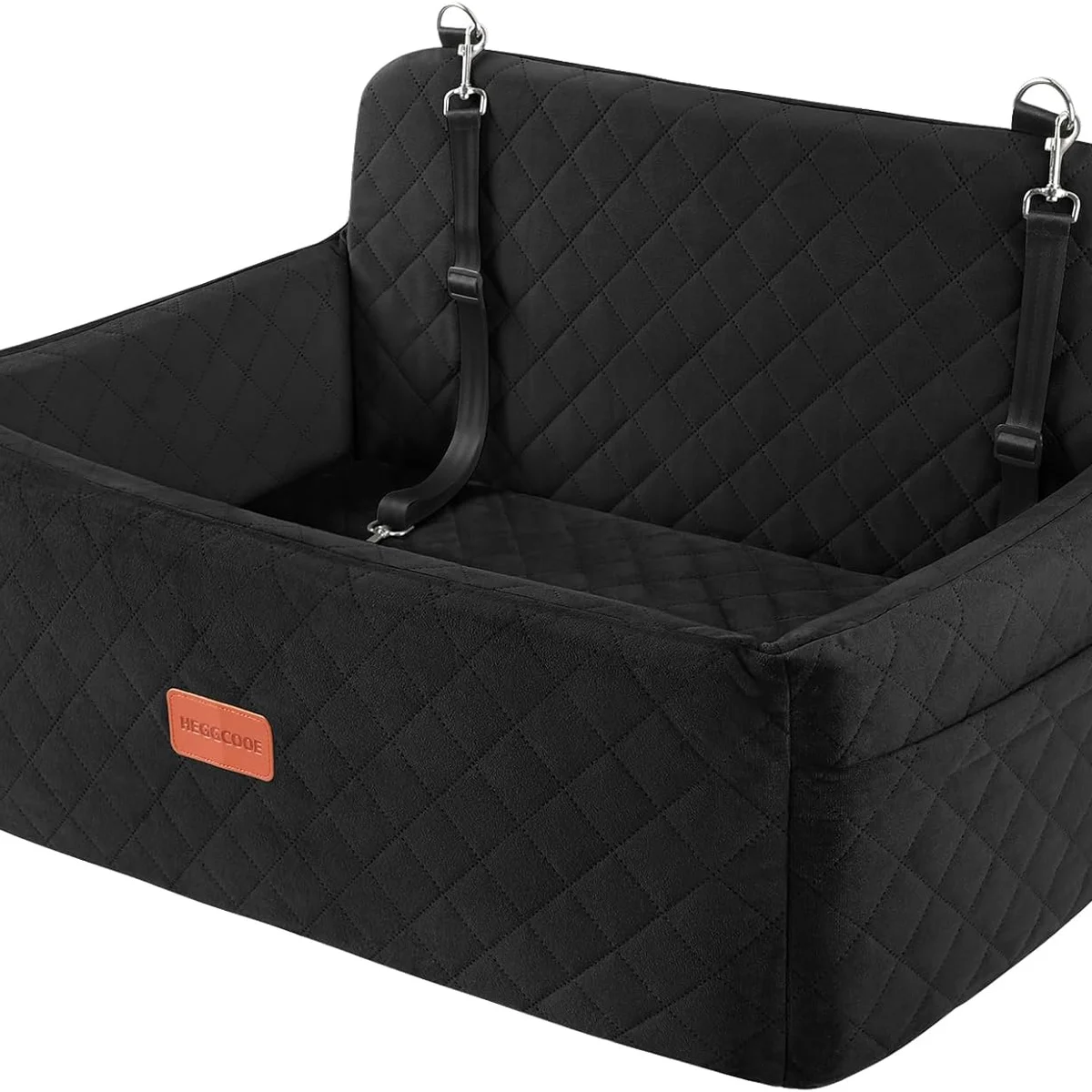
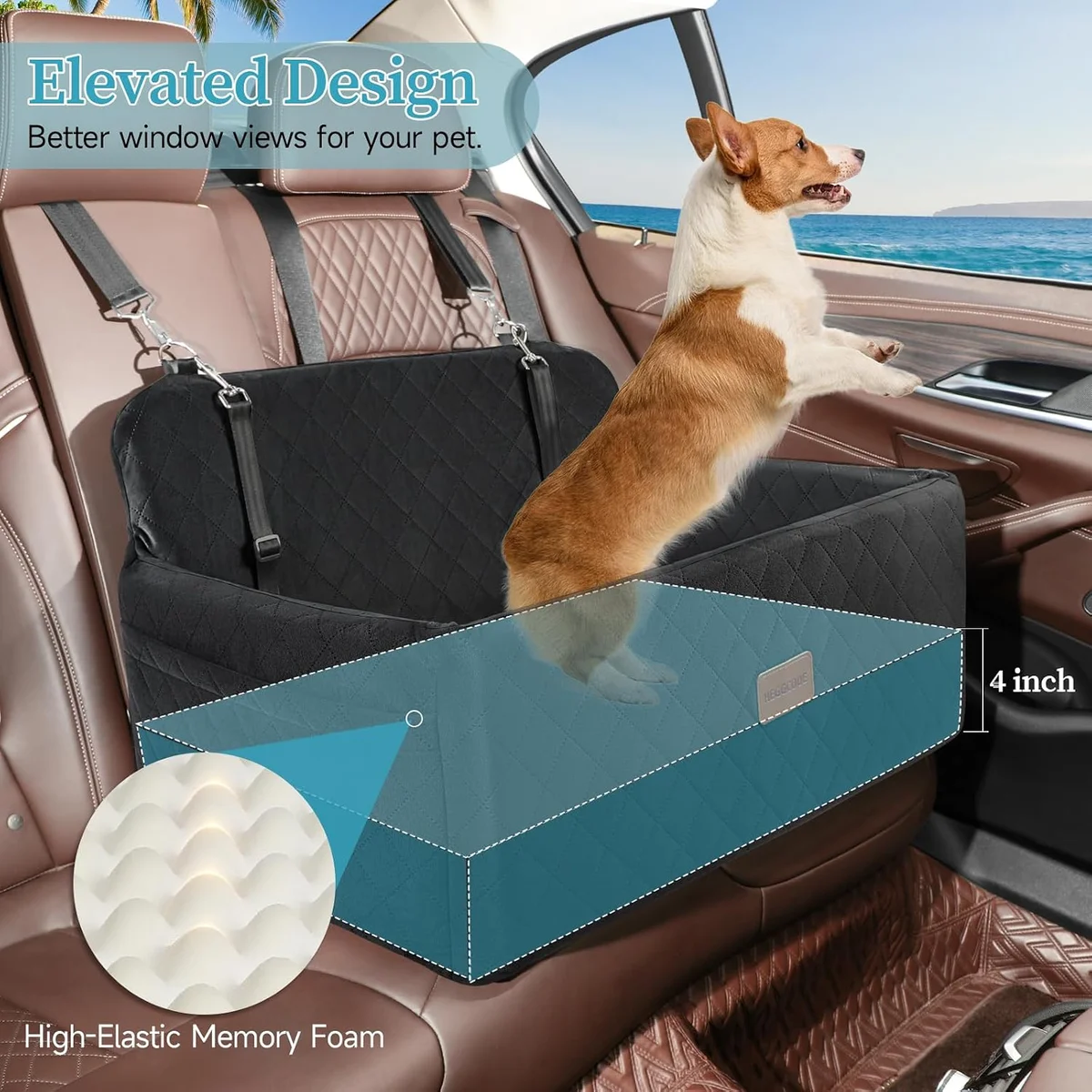


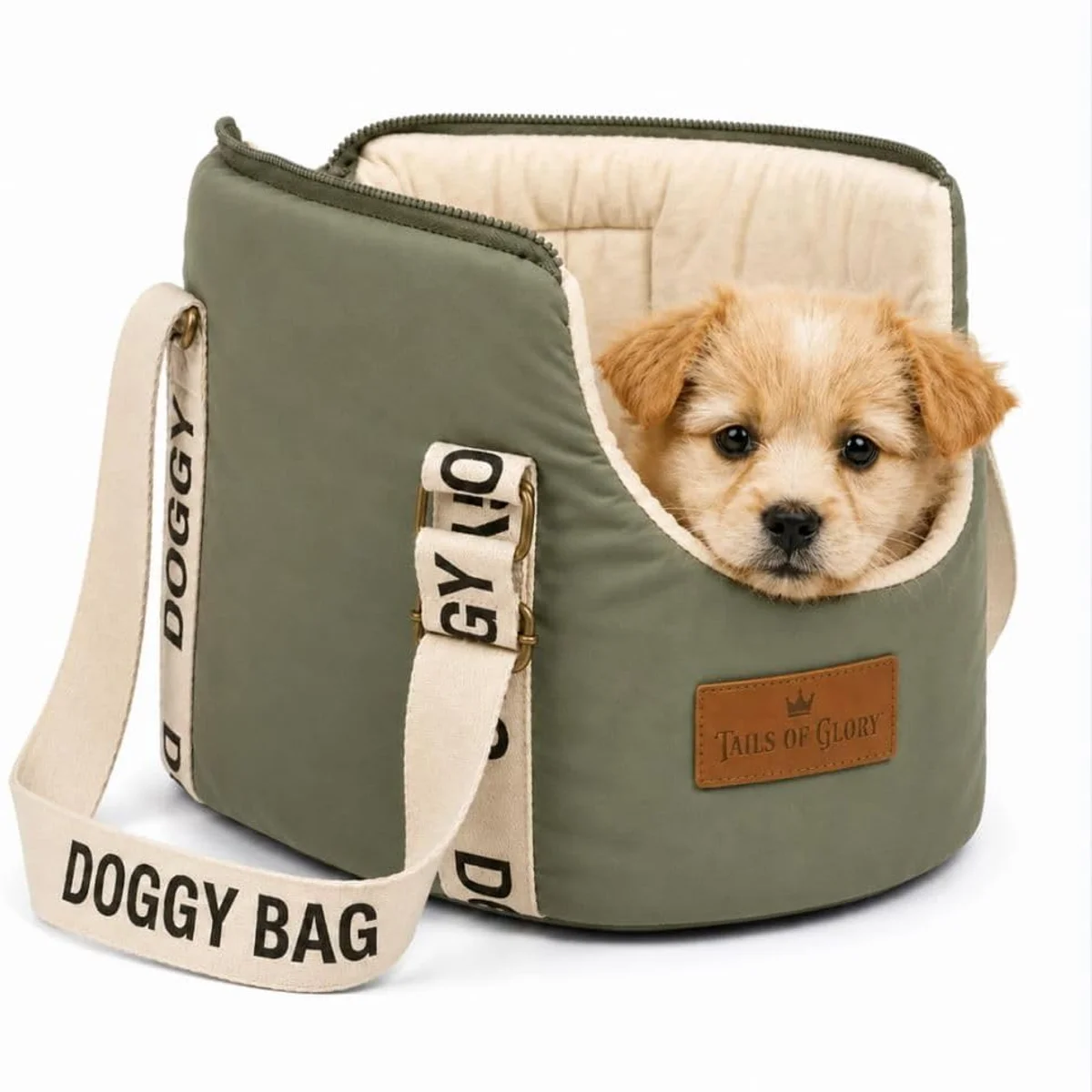
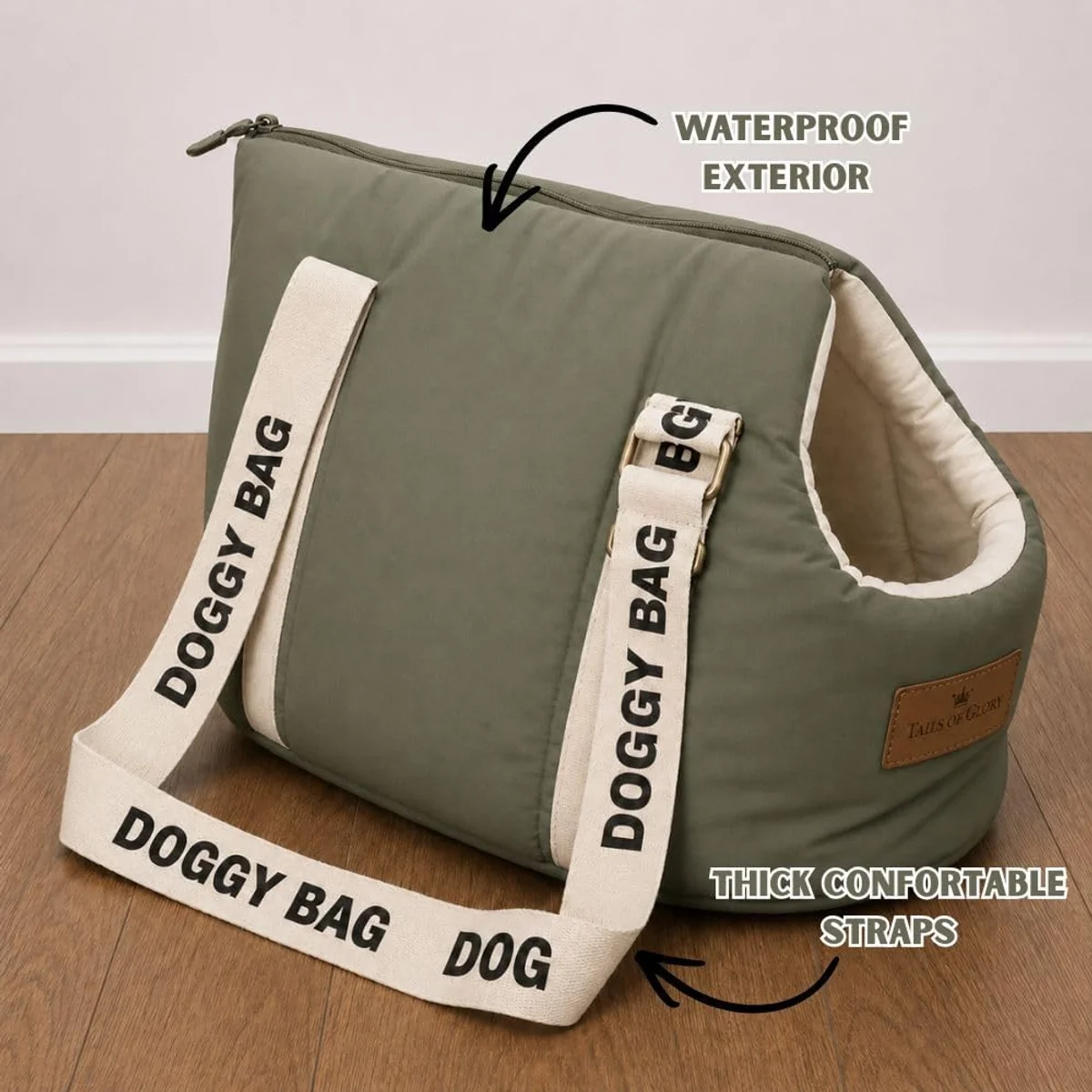
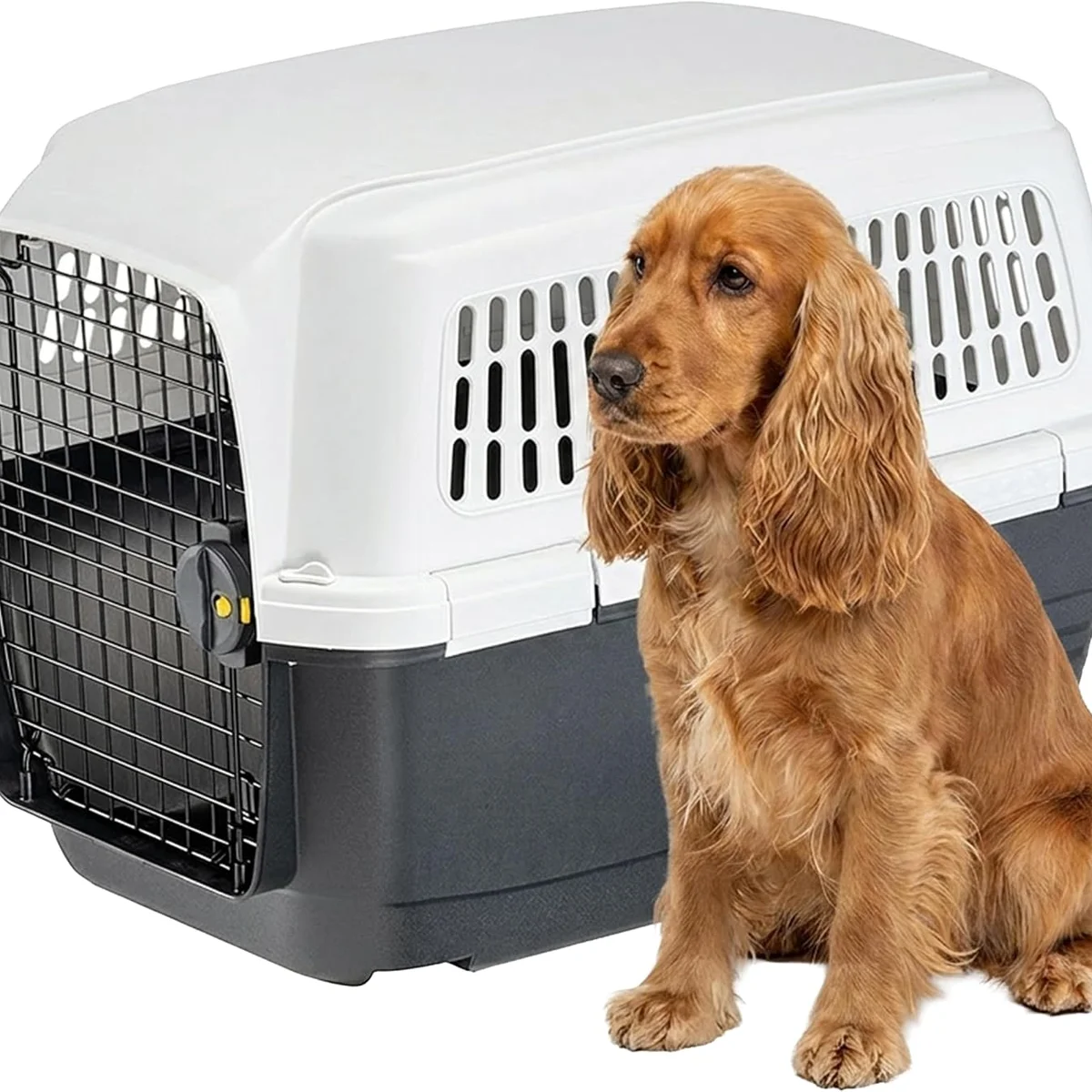
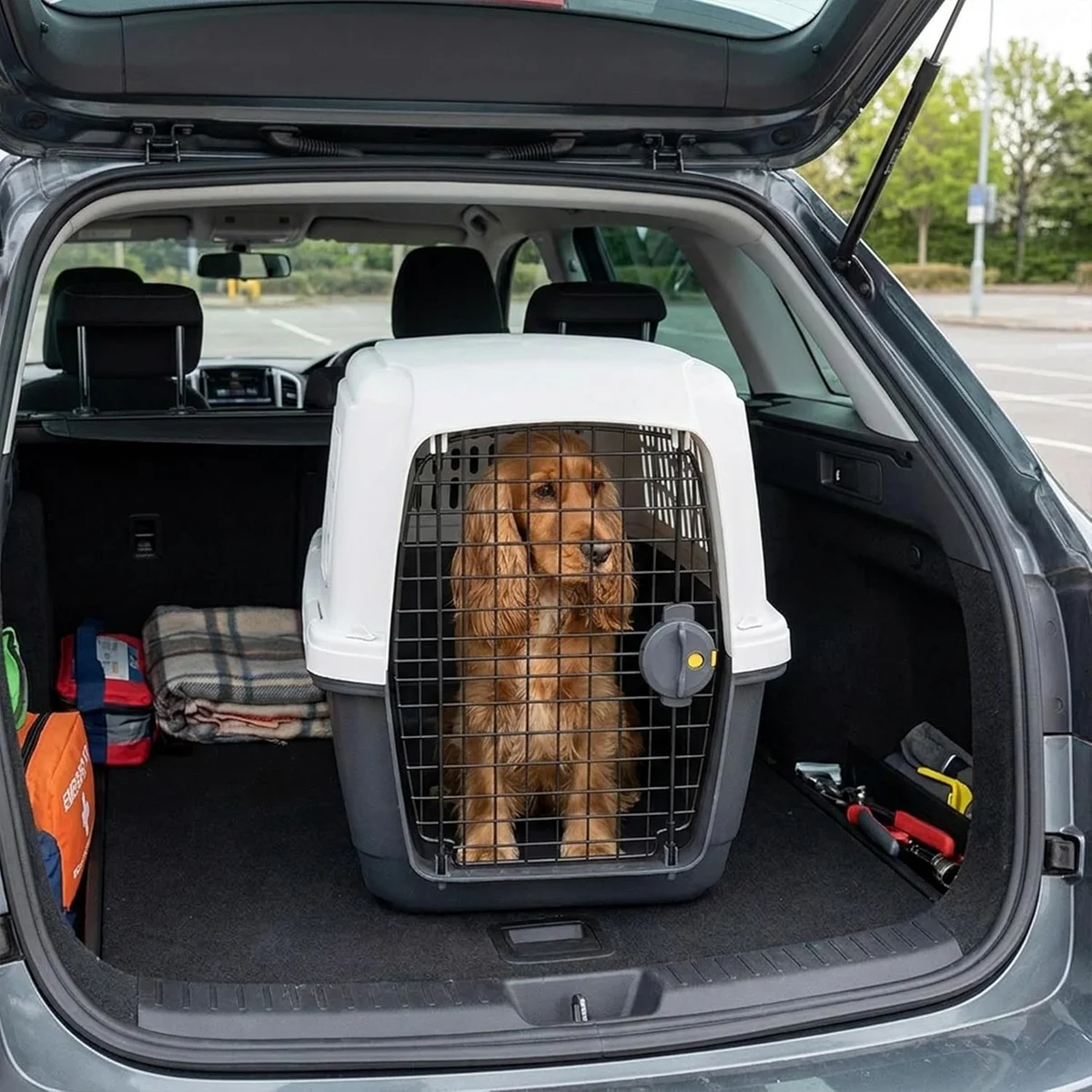
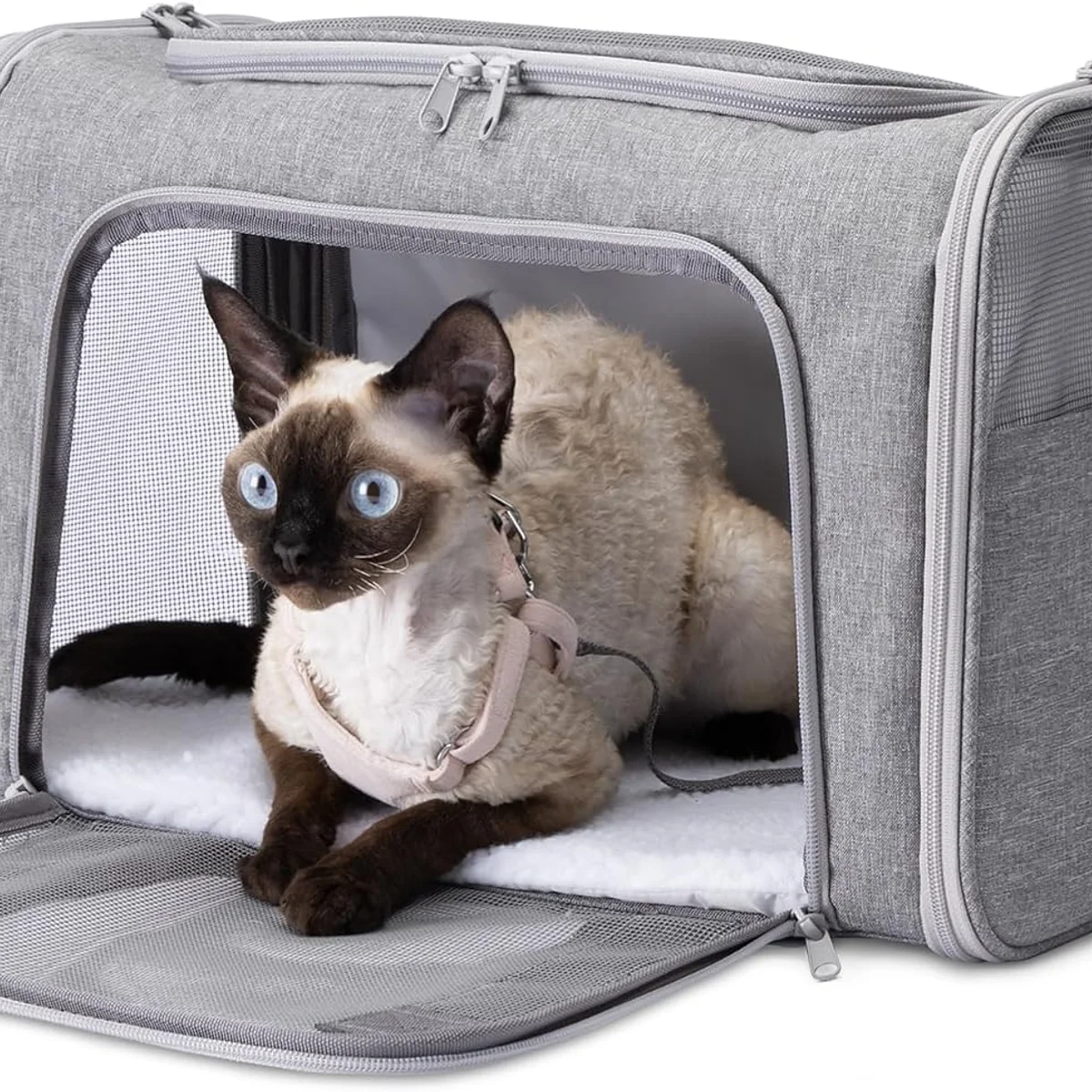

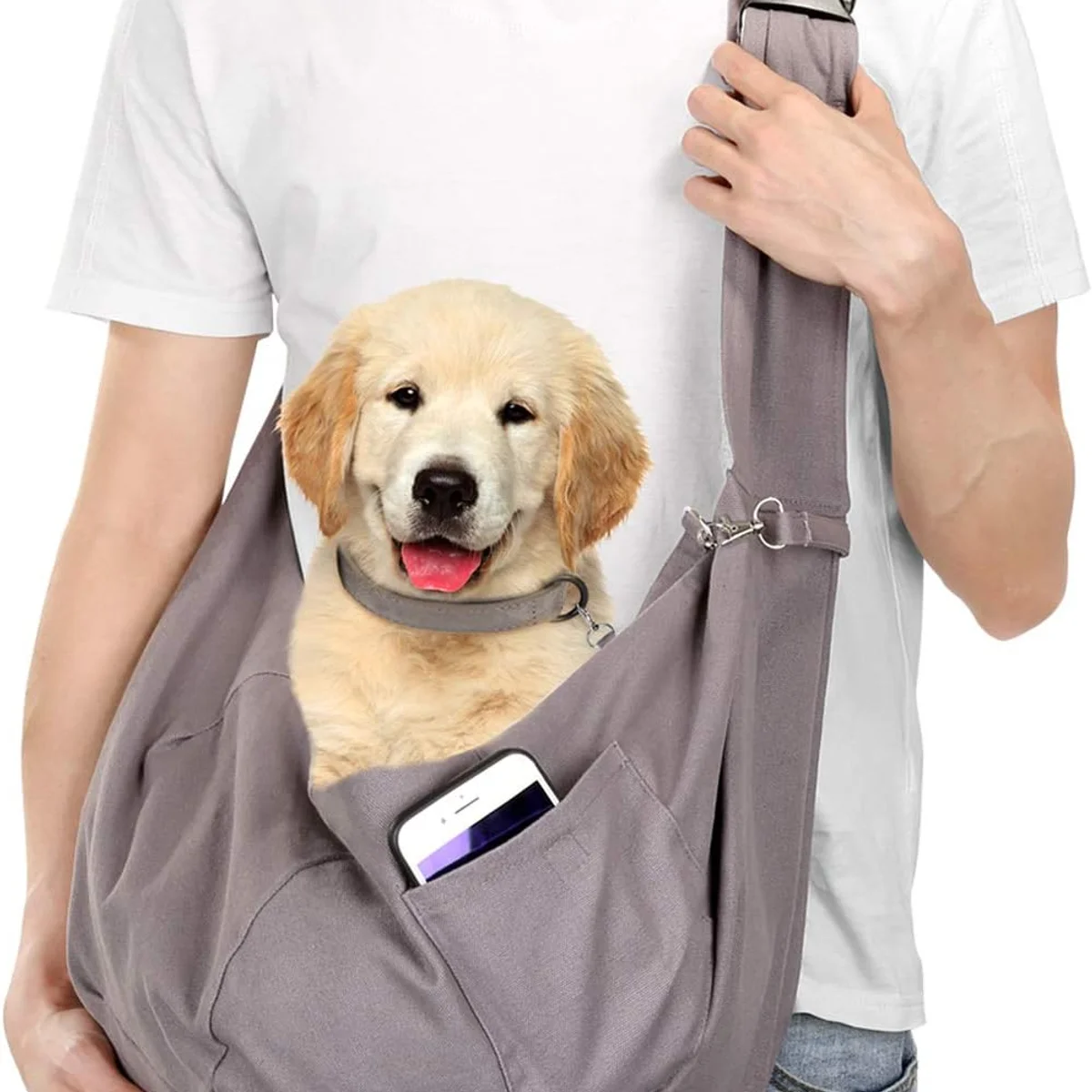
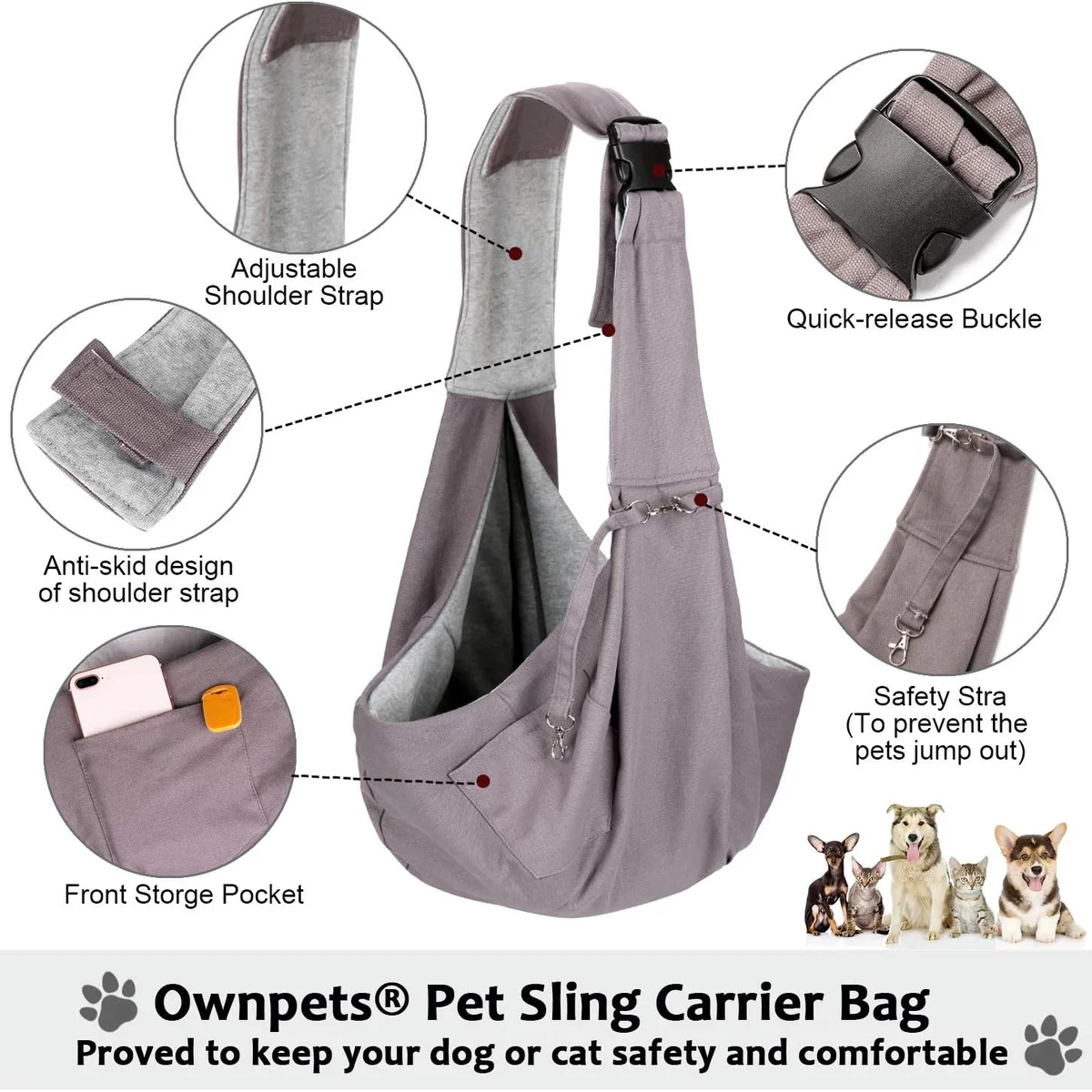
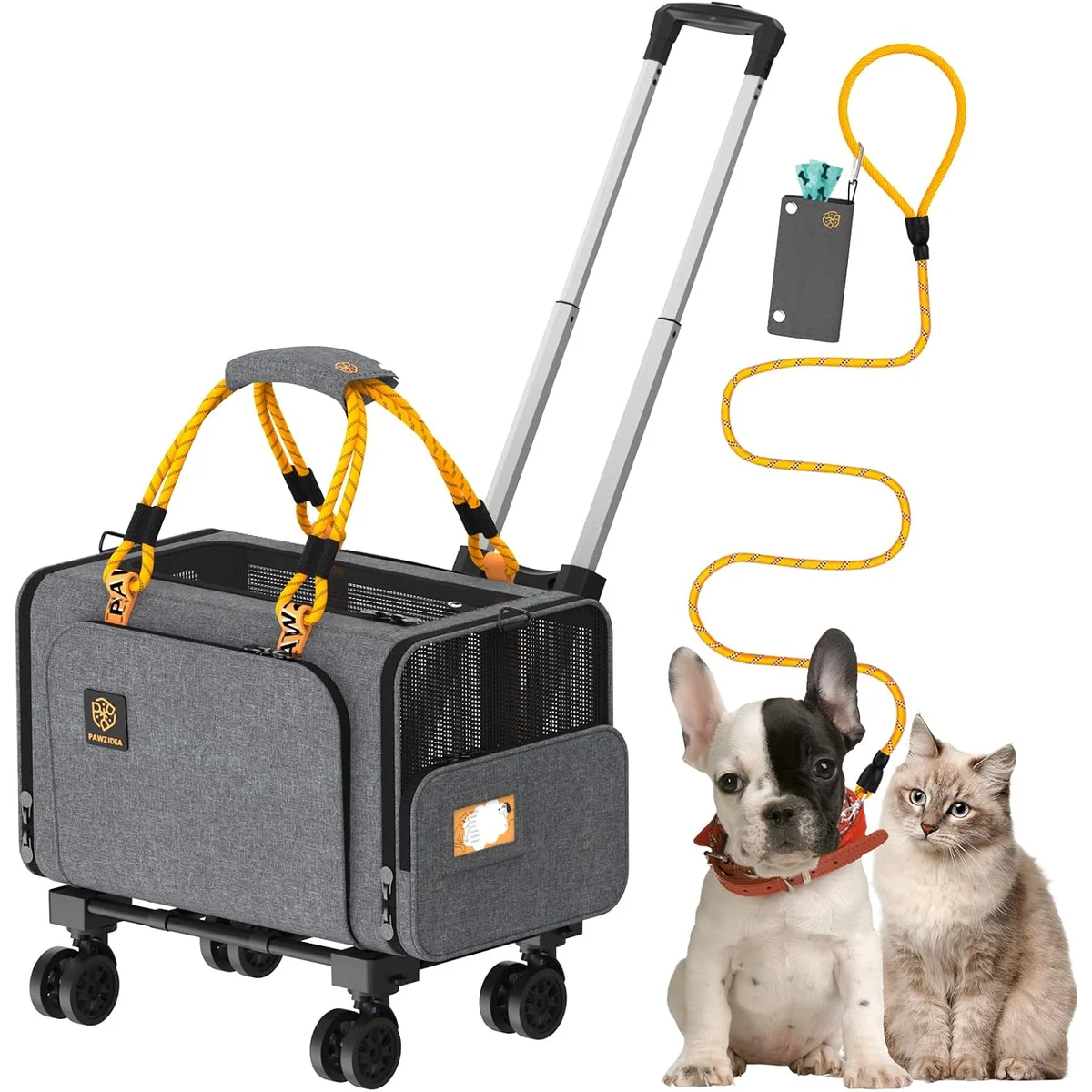
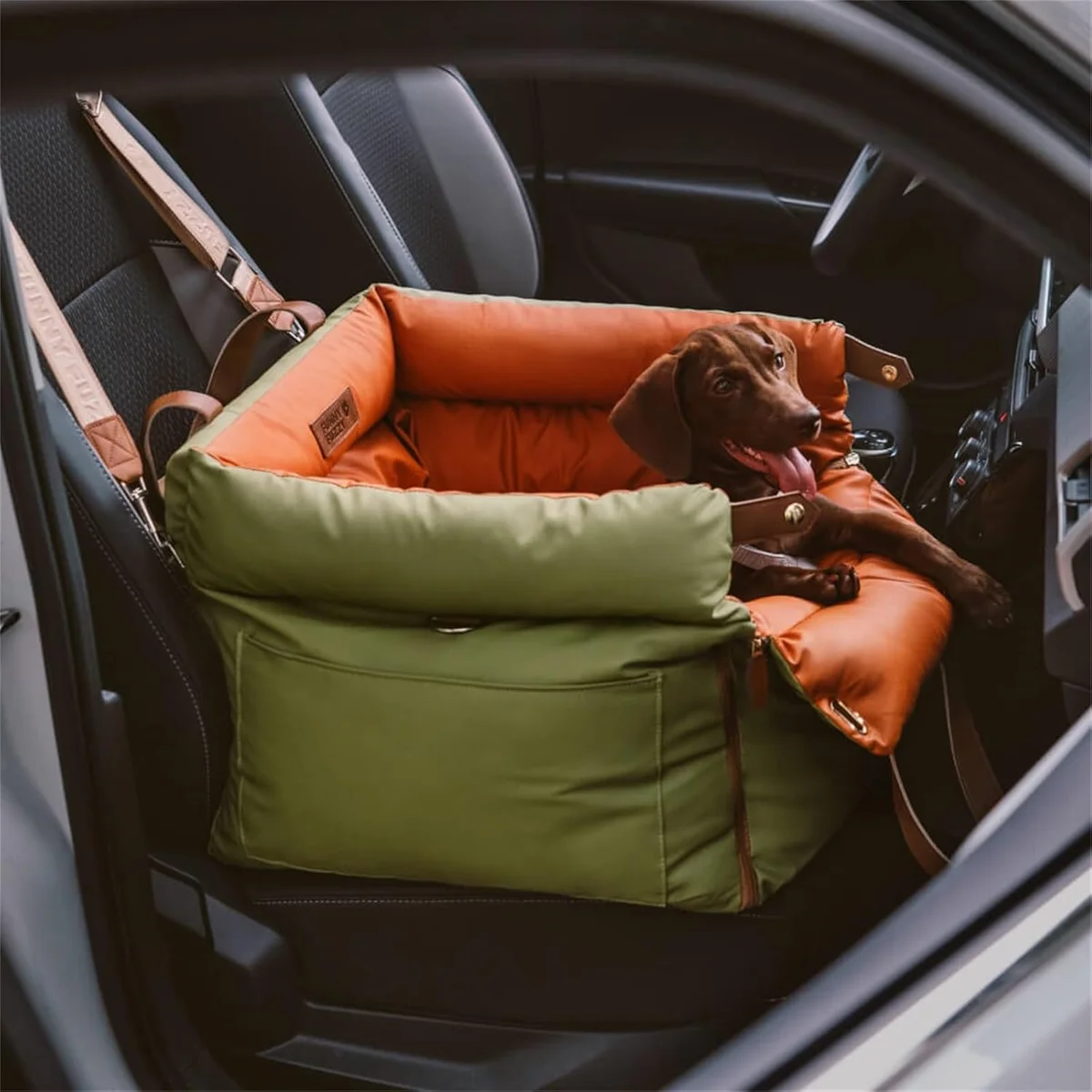
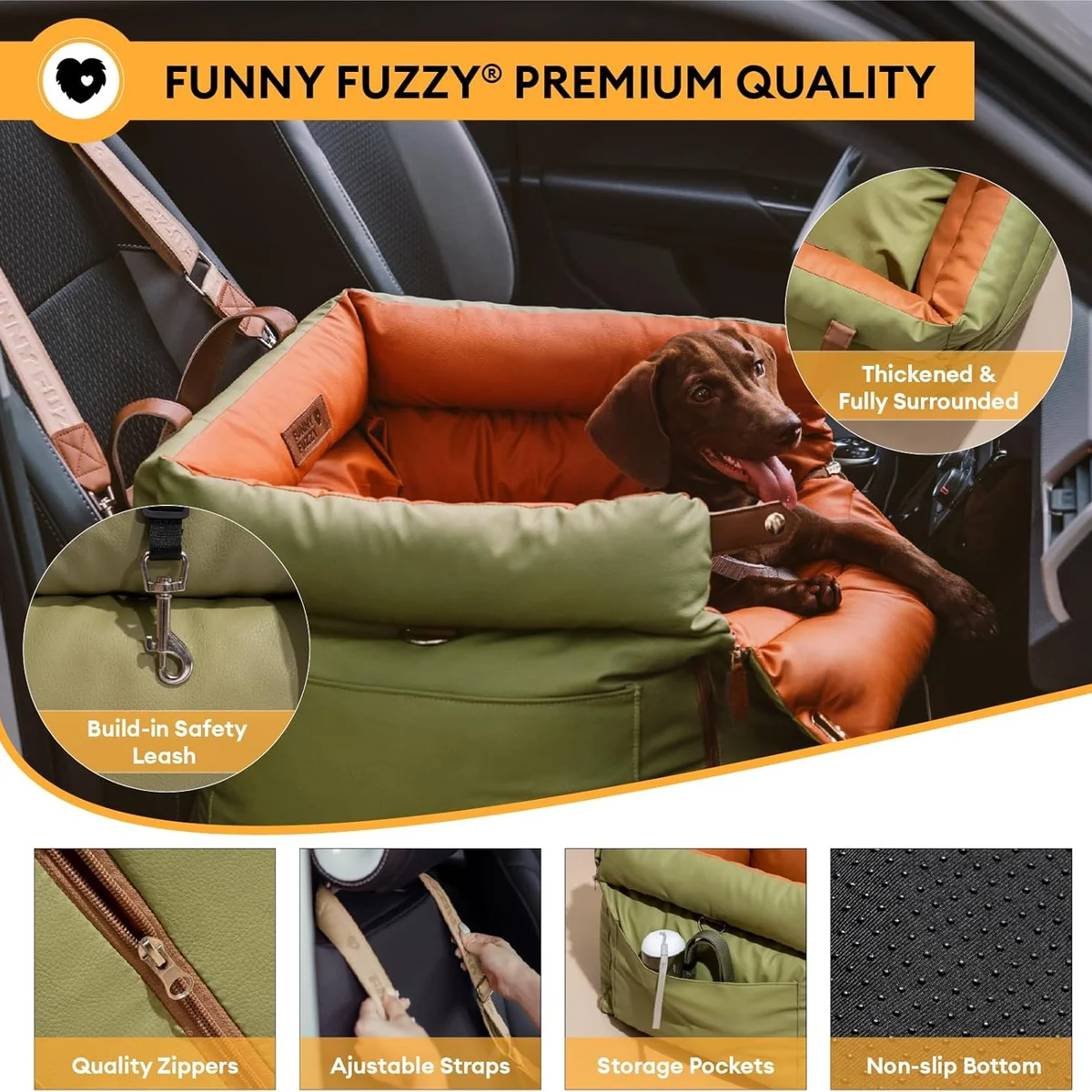
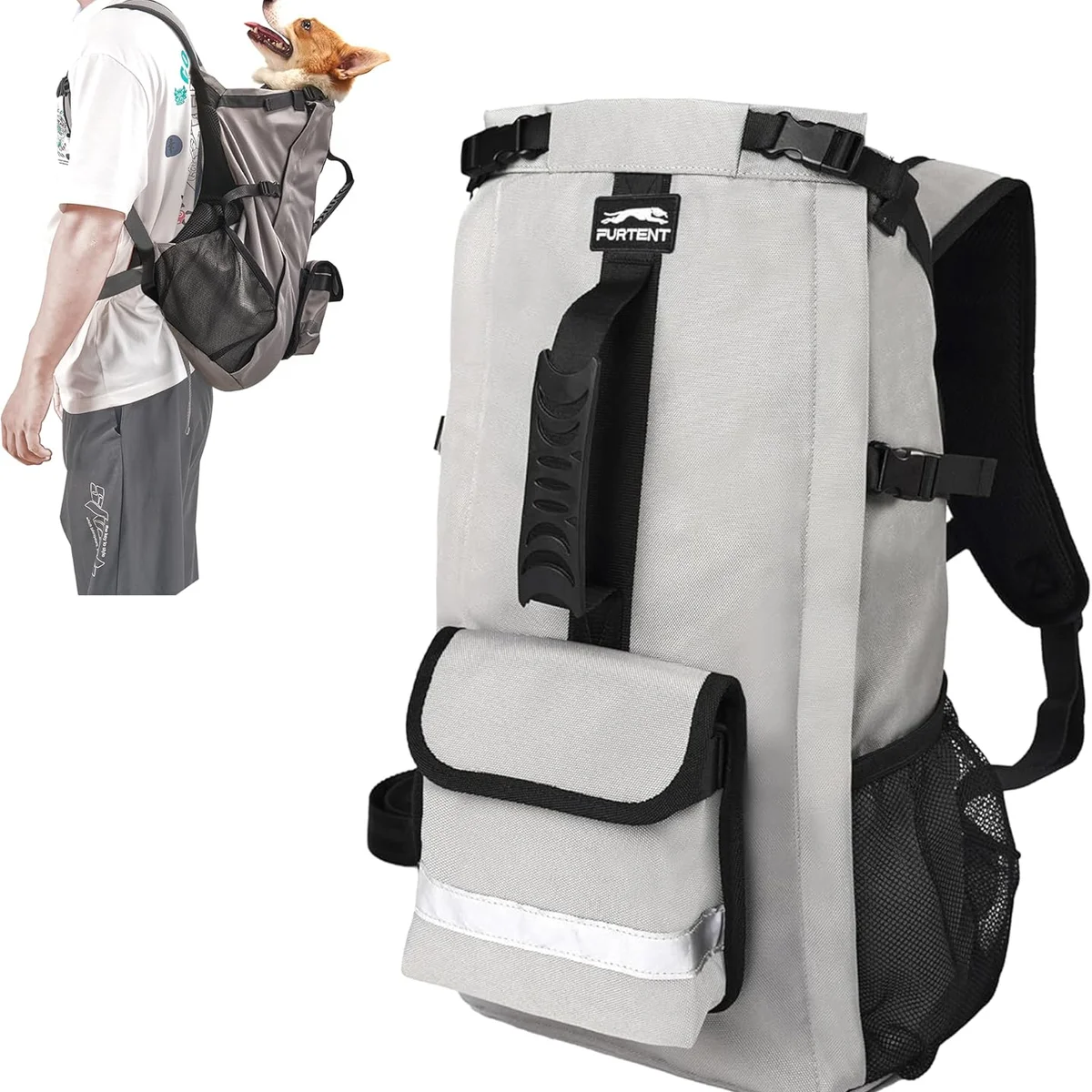

More about carriers
A pet carrier only has one job, but what that job actually requires changes a great deal depending on what you're carrying. A rabbit needs a solid, ventilated base to sit on rather than hang from a mesh floor. A cat generally settles faster in an enclosed, den-like space than an open one. A large dog needs a structure that can genuinely bear their weight without the seams giving way. Rather than one generic range, this is really four ranges in one, split by animal first and then by how you'll actually use the carrier day to day.
Choosing by Pet
If you already know what you're shopping for, the fastest route is by animal. Our dog carriers range spans puppies through to larger breeds, with carriers organised by both size and format. Cat carriers covers everything from nervous kittens to bigger cat breeds, with a strong emphasis on the calmer, top-loading designs cats generally respond best to. For anything smaller, our small animal carriers range covers rabbits, guinea pigs, hamsters, ferrets and reptiles, each with quite different ventilation and bedding needs, and bird carriers covers budgies, parrots and other pet birds who need somewhere to perch rather than lie down.
Choosing by How You'll Use It
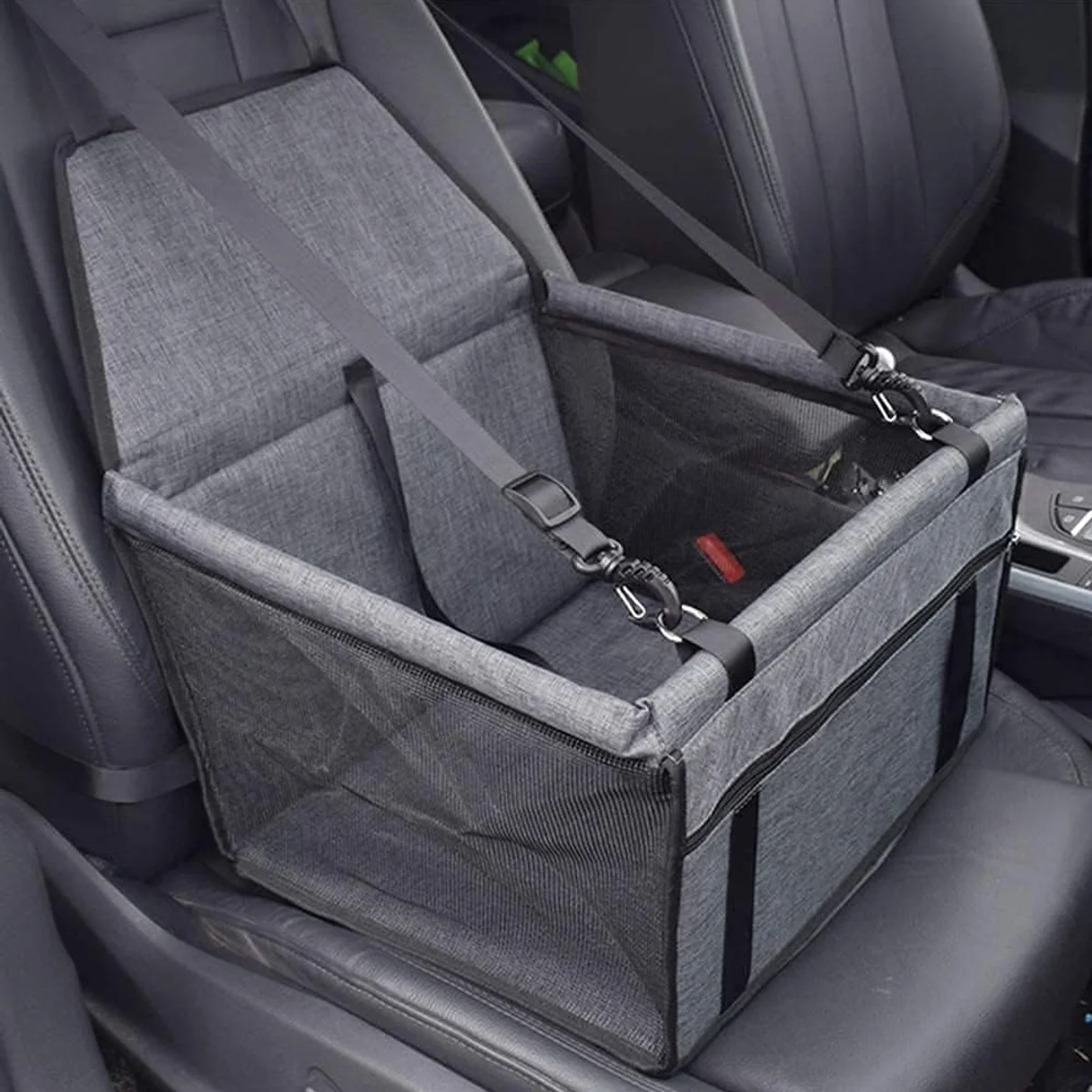
If you're shopping around a specific trip rather than a specific pet, it's often quicker to start from the journey instead. Our pet carriers for vet visits range is built around short, occasional trips with easy top access, while pet carriers for car travel focuses on carriers that stay stable and can be properly secured on the back seat or in the boot. If you're buying your first carrier and don't yet know which specialist style will suit your routine, our everyday pet carriers range is a sensible, flexible starting point rather than committing to a specialist format straight away.
Soft-Sided or Hard-Sided
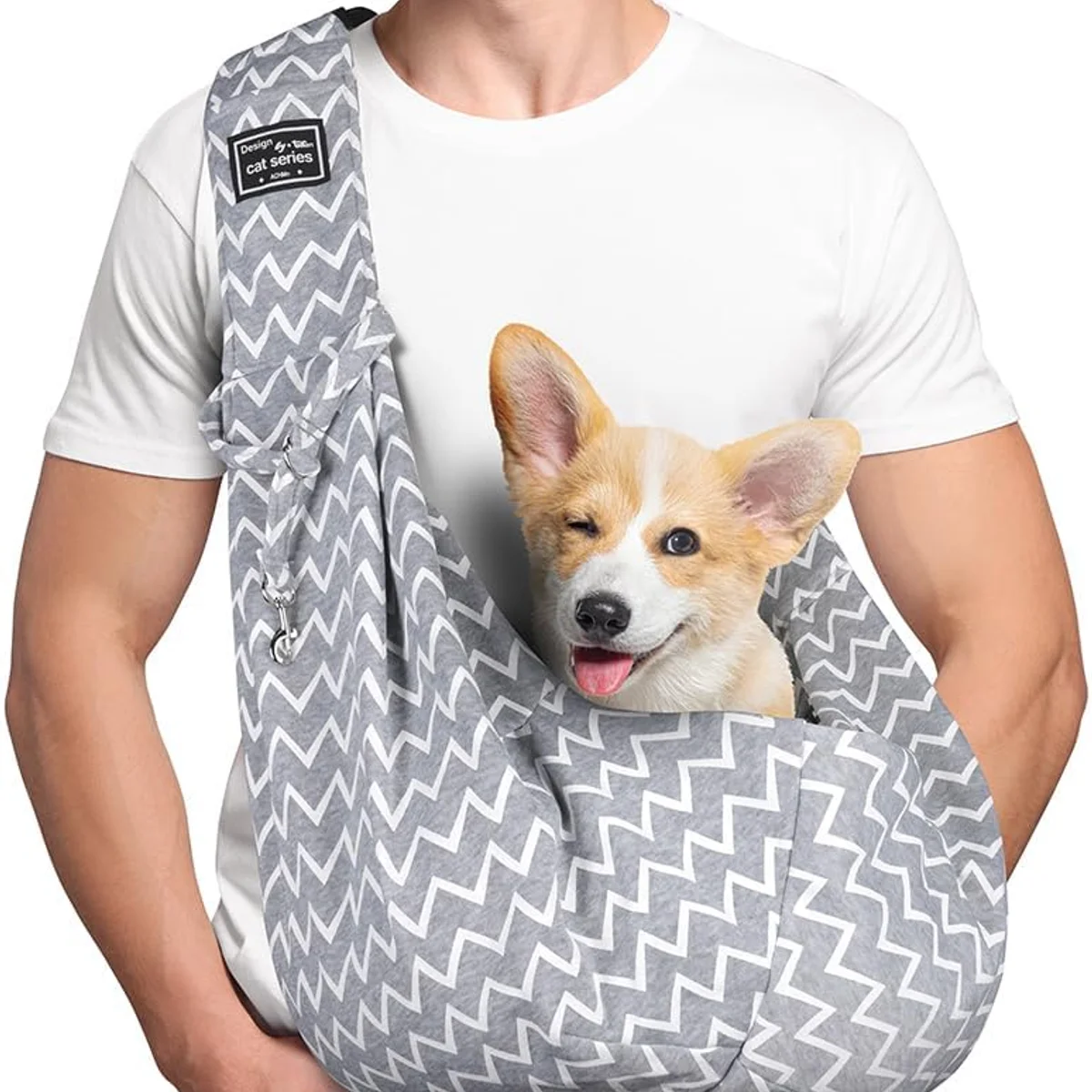
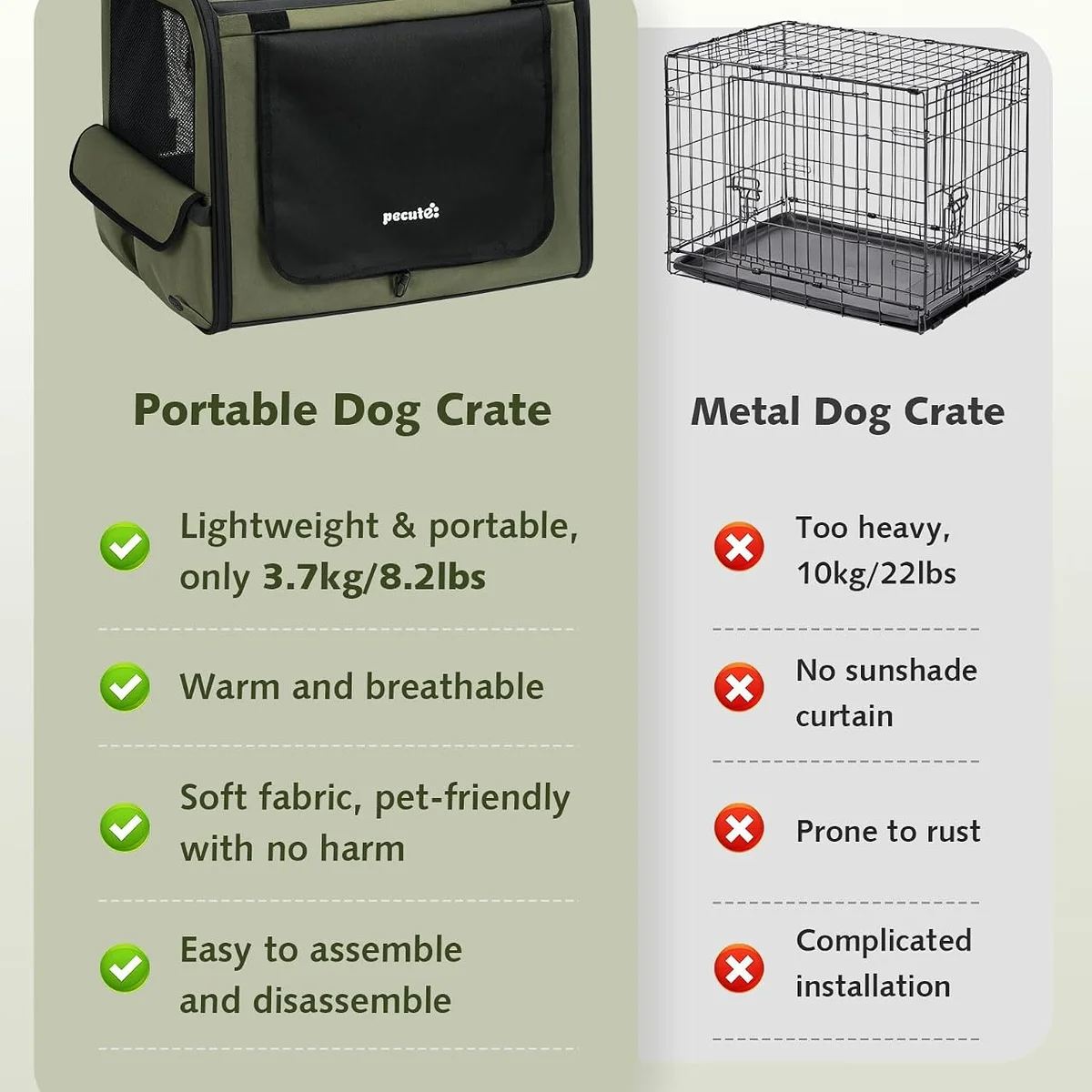
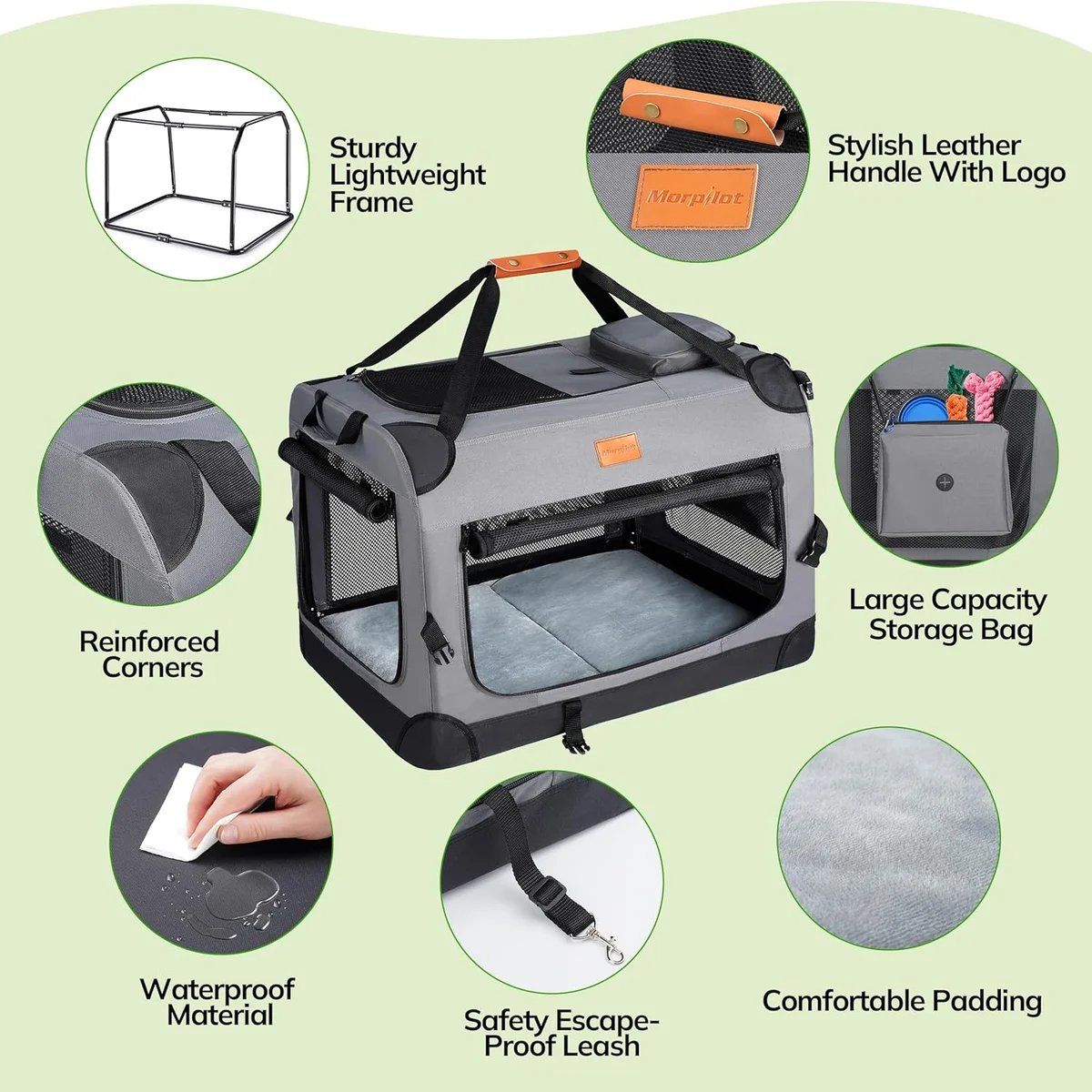
Beyond animal and use case, most carriers on the site fall into one of two broad constructions. Soft-sided carriers use fabric over a light frame, so they're lighter to carry and fold flat for storage between trips. Hard-sided carriers use a rigid shell that holds its shape under pressure, which matters more for regular car travel or when a carrier gets stacked with other luggage. Neither is universally better, it depends on how often you'll use it and what you'll be doing with it, and the buying guide below goes into this in a bit more detail.
Why choose a carrier
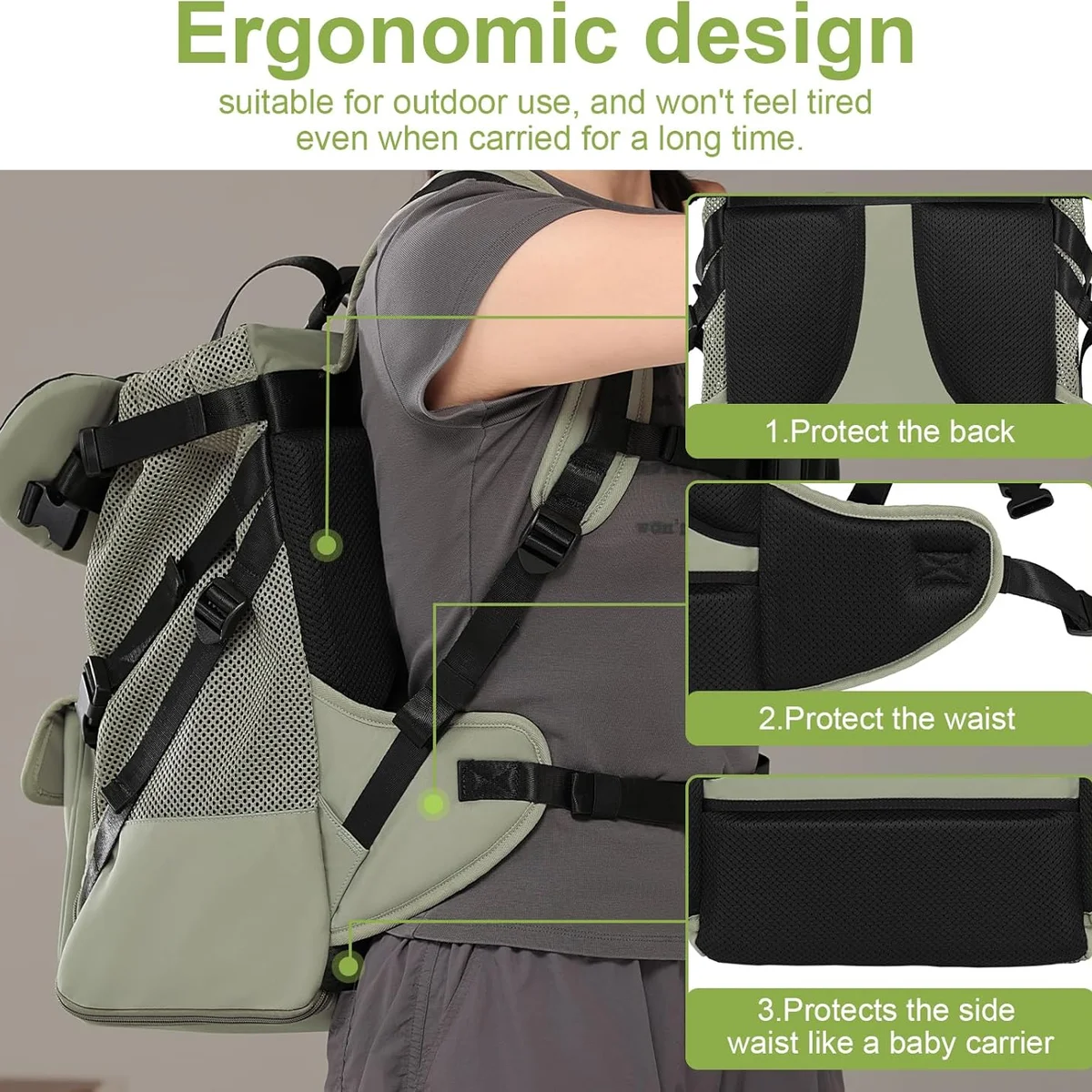
A carrier that's actually built for your pet's size and species tends to get used properly, rather than becoming the thing that sits half-open in the hallway because your pet won't settle in it. The details that make the difference are usually small: a base that doesn't flex underfoot, a closure that holds under a bit of pressure, ventilation that's actually positioned where your pet can benefit from it rather than just looking like mesh from the outside.
Buying to the specific journey matters just as much as buying to the specific pet. A carrier that's perfect for a five-minute trip to the car can be genuinely uncomfortable on a longer journey, and a carrier built to survive being stacked in a car boot is more structure than most pets need for a quick vet visit. Working out which of those you actually need first narrows the choice considerably.
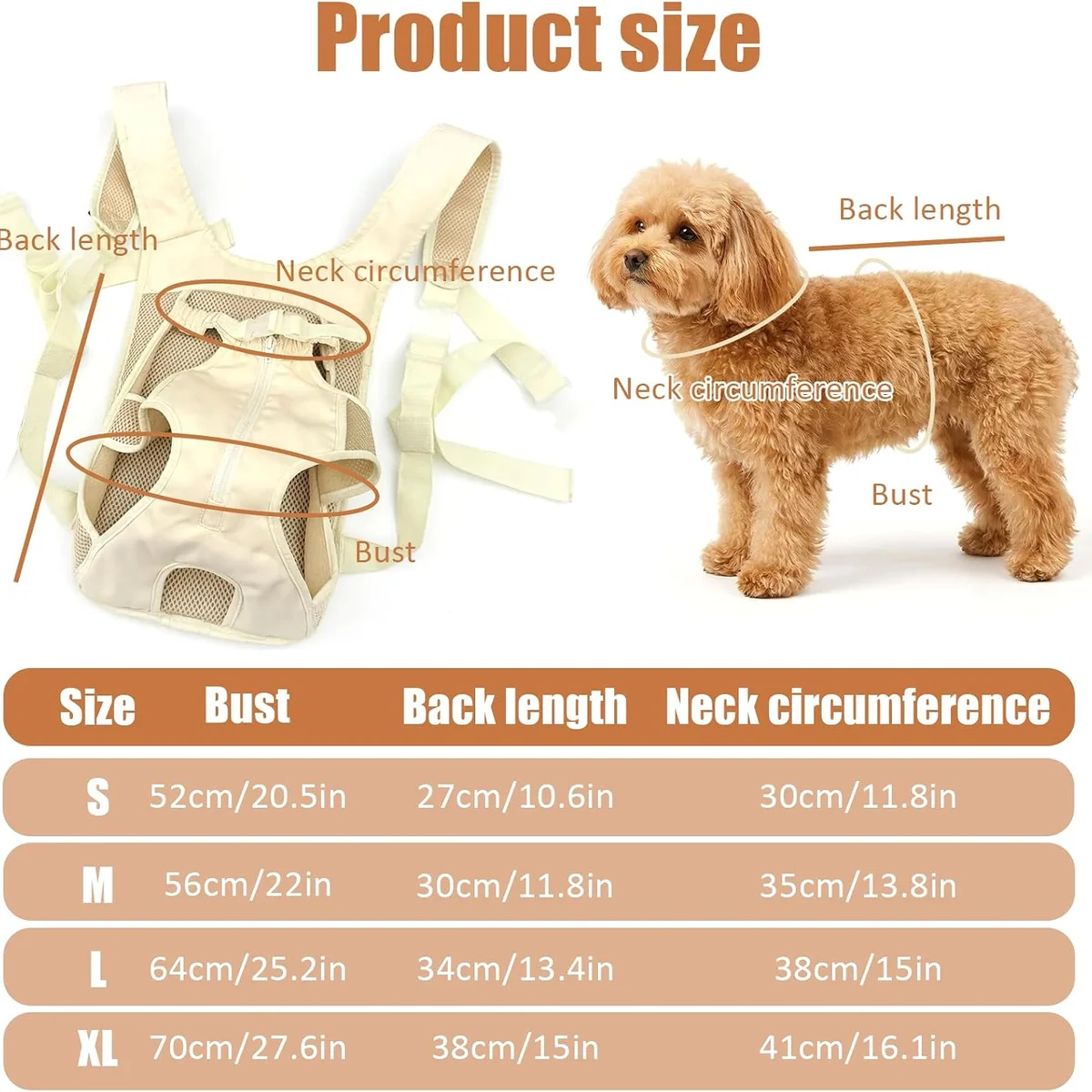
Sizing and buying guide
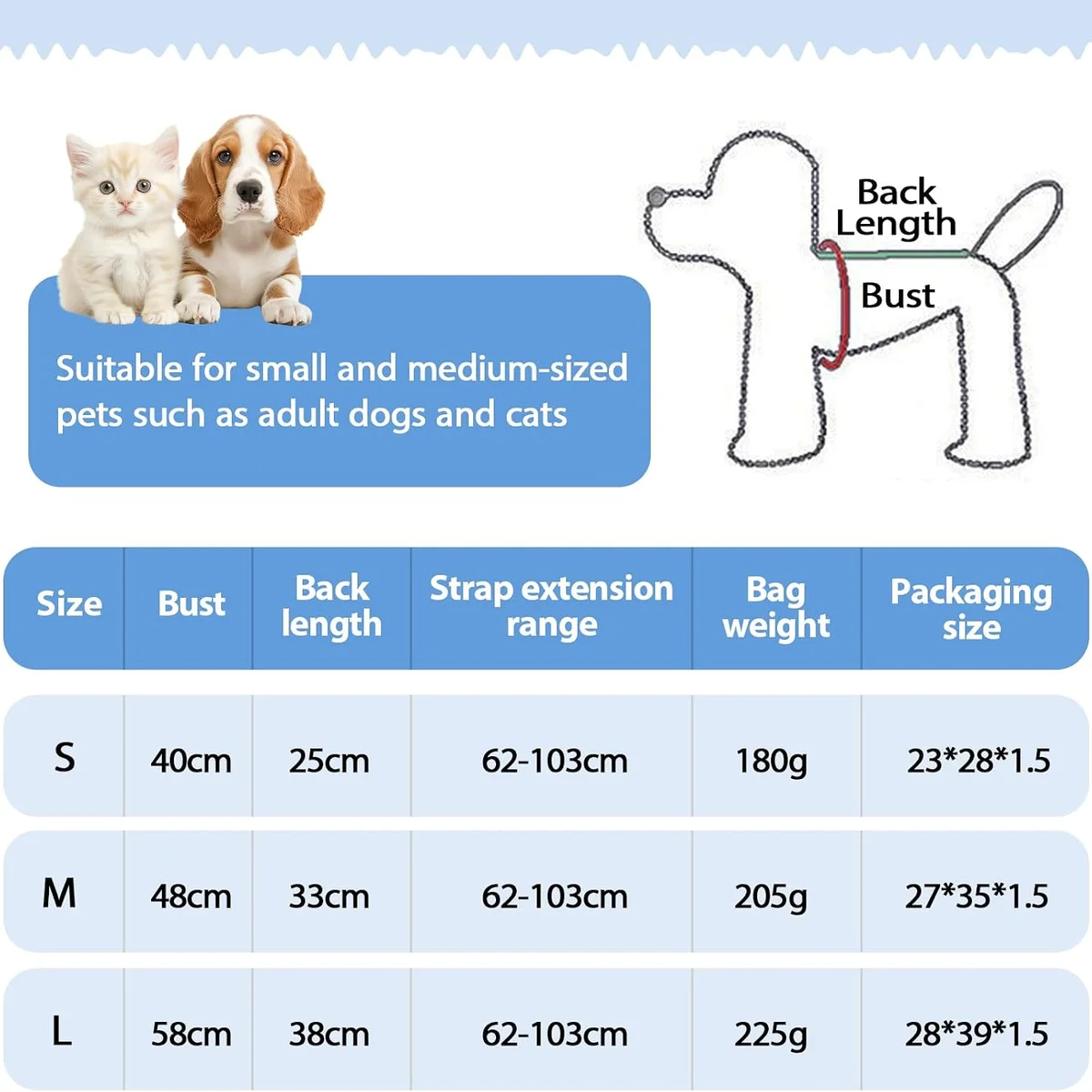
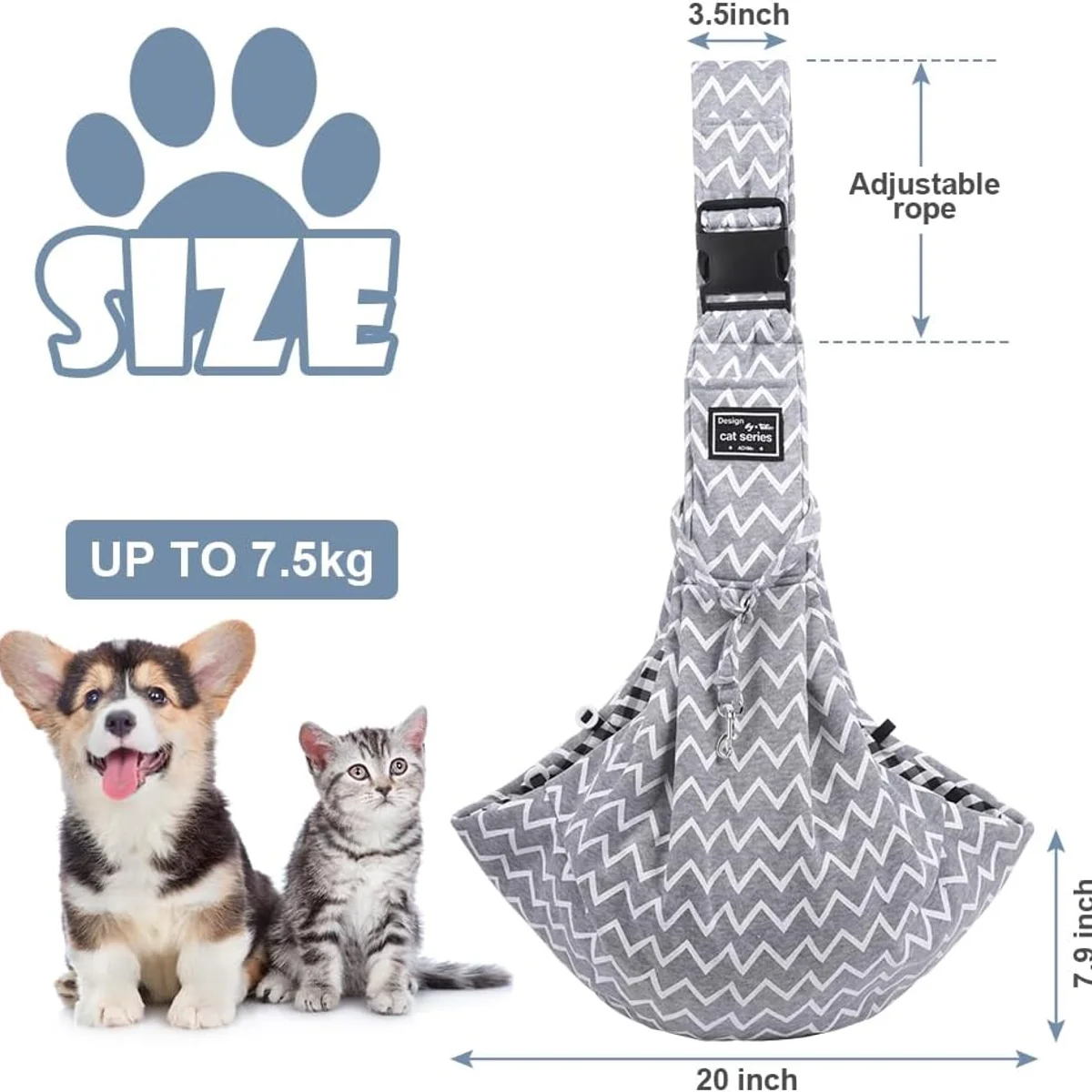
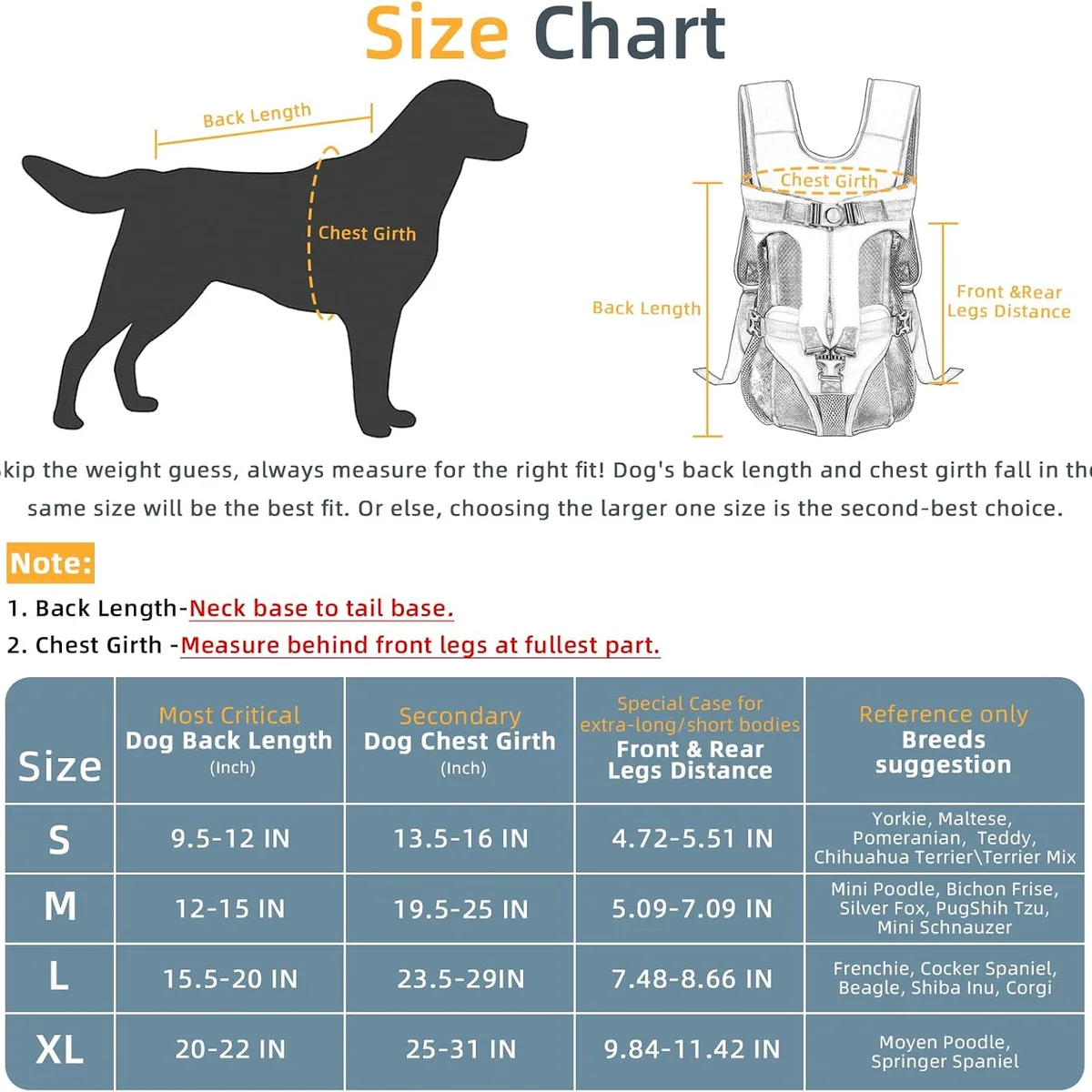
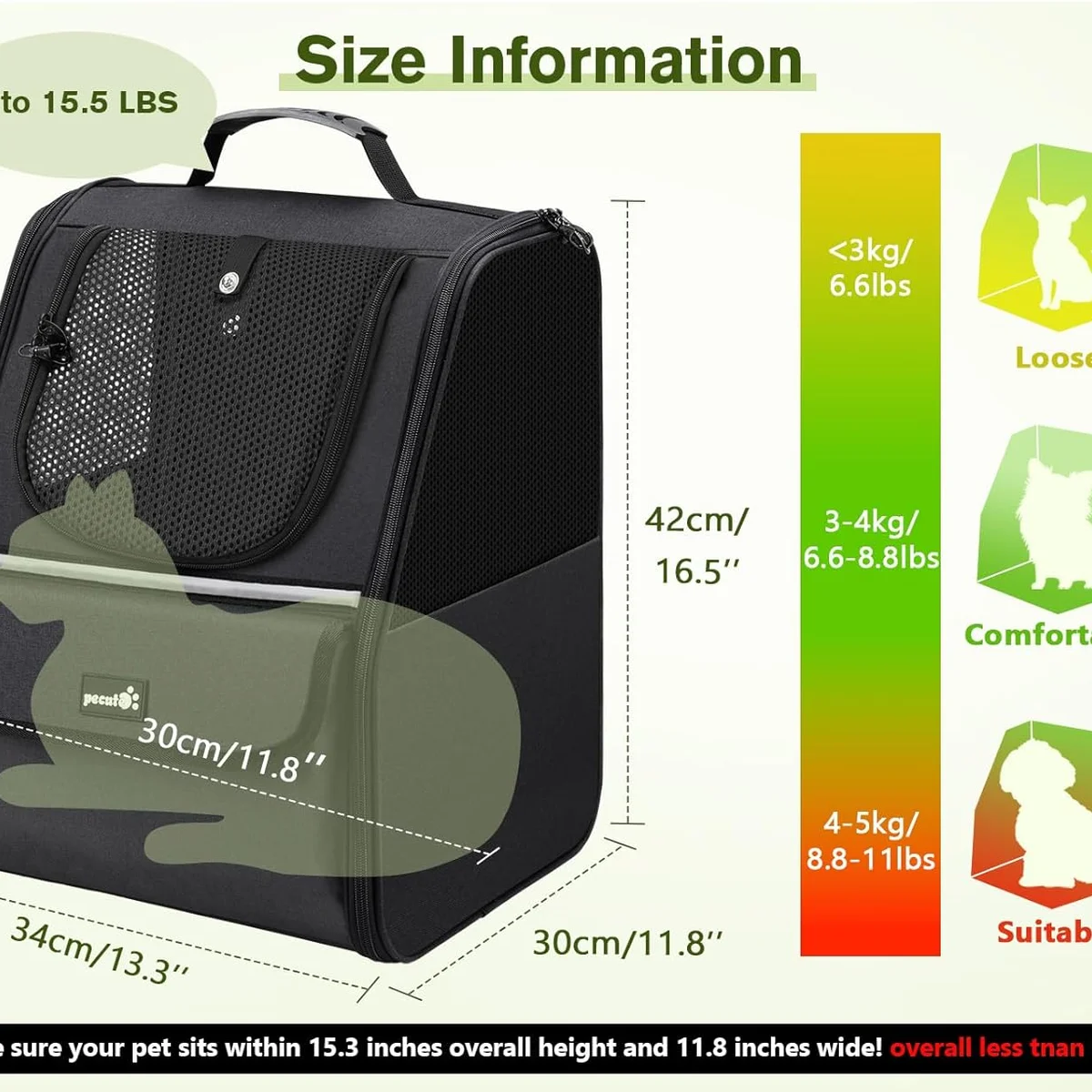
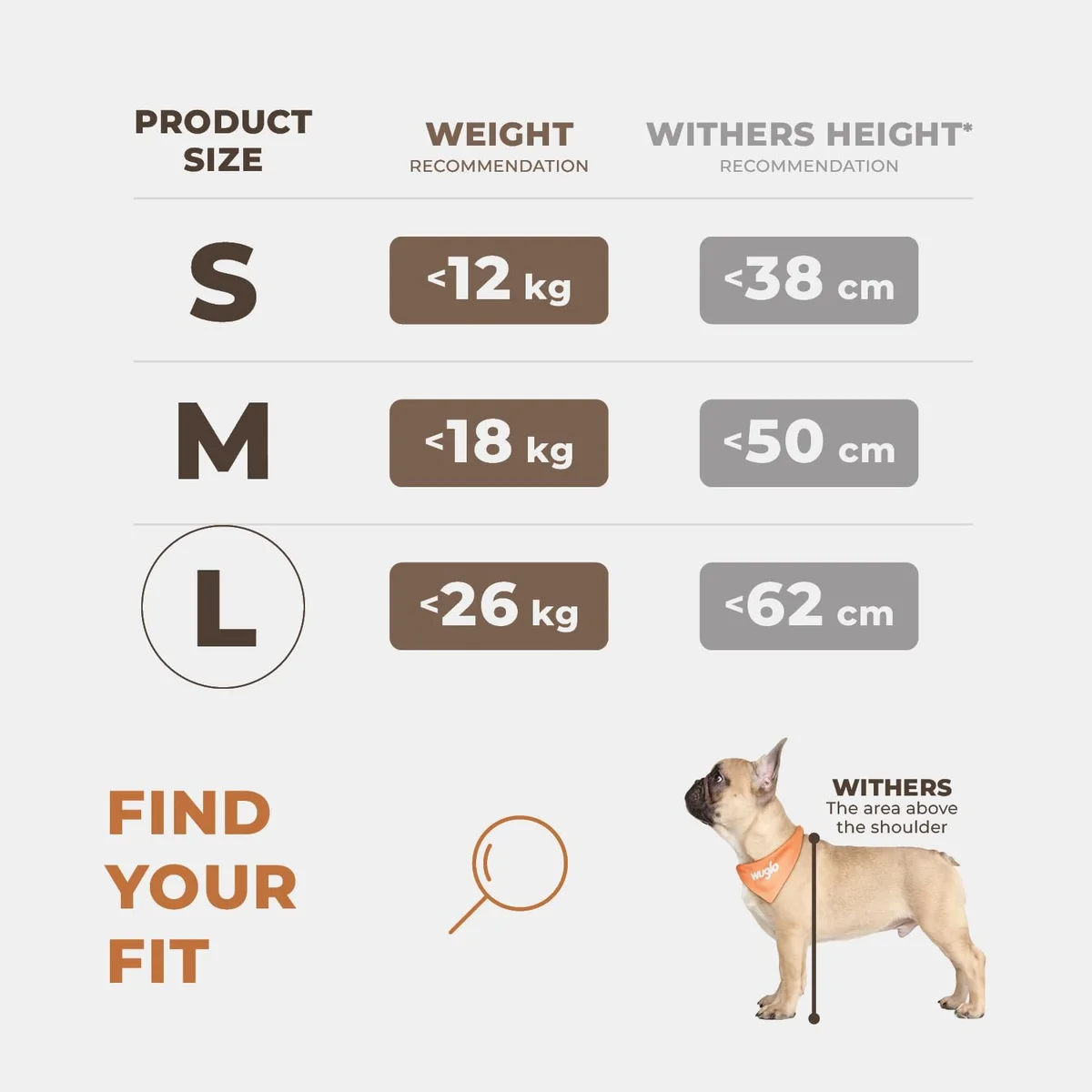
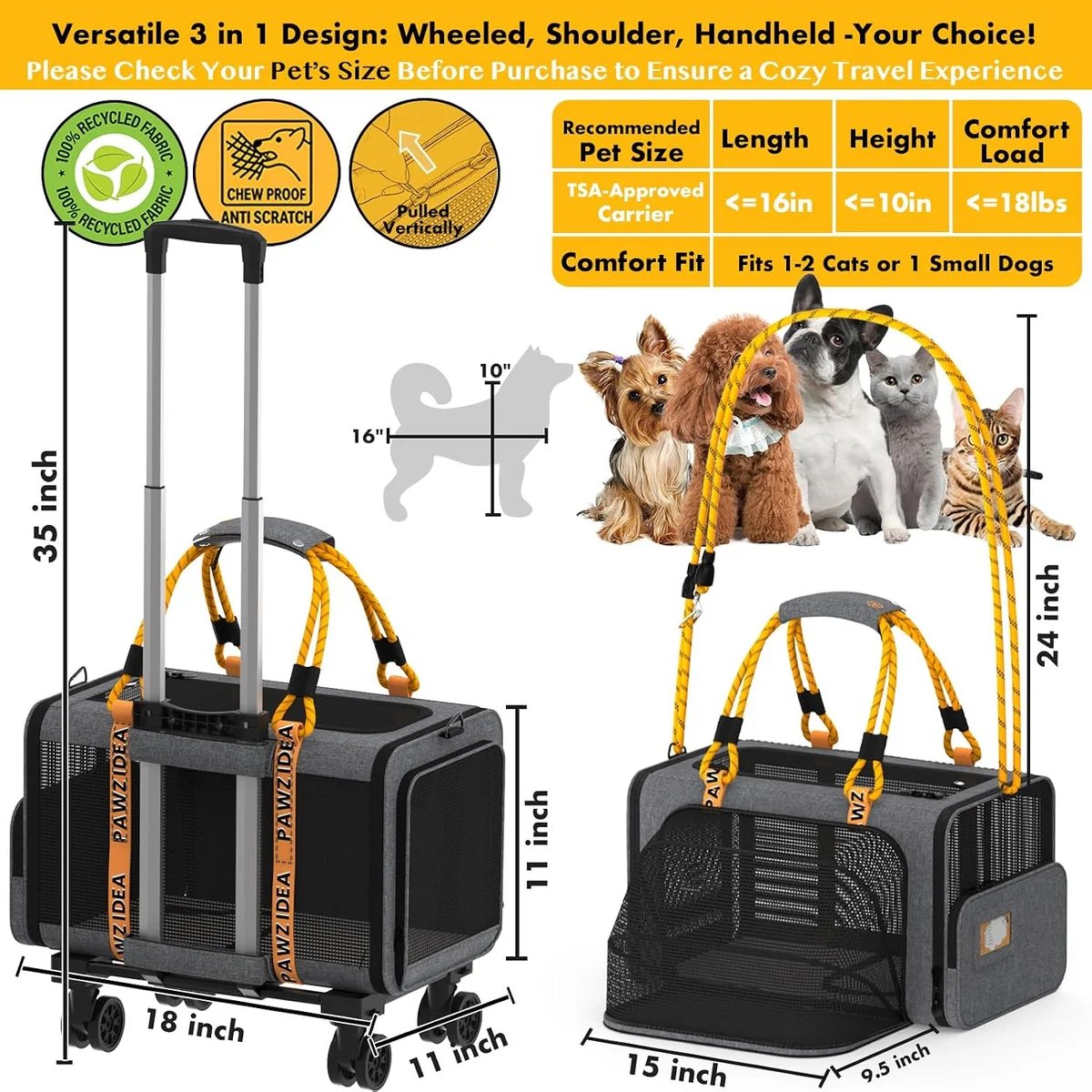
Sizing varies enormously across this range, so there's no single measurement that applies to every pet here, but the underlying method is the same regardless of species: measure your pet at their current size (length nose to tail base, height floor to the top of the head or ears, and width across the shoulders or widest point), then check those figures and the stated weight capacity against the specific product rather than relying on the category name or breed alone. For dogs and cats, a slightly snugger fit is usually more reassuring than a loose one. For rabbits, guinea pigs and other small animals, floor space and a solid, non-mesh base generally matter more than overall height. Each animal-specific category further down this page has more detailed guidance for that pet.
