
Dog Backpack Carriers
Carriers

A dog backpack carrier, also called a dog carrier backpack, moves the weight of your dog onto both shoulders rather than one, using padded straps (and on some designs, a waist or chest strap) the same way a hiking rucksack does.
Shop Dog Backpack Carriers
Showing 15 of 15 products
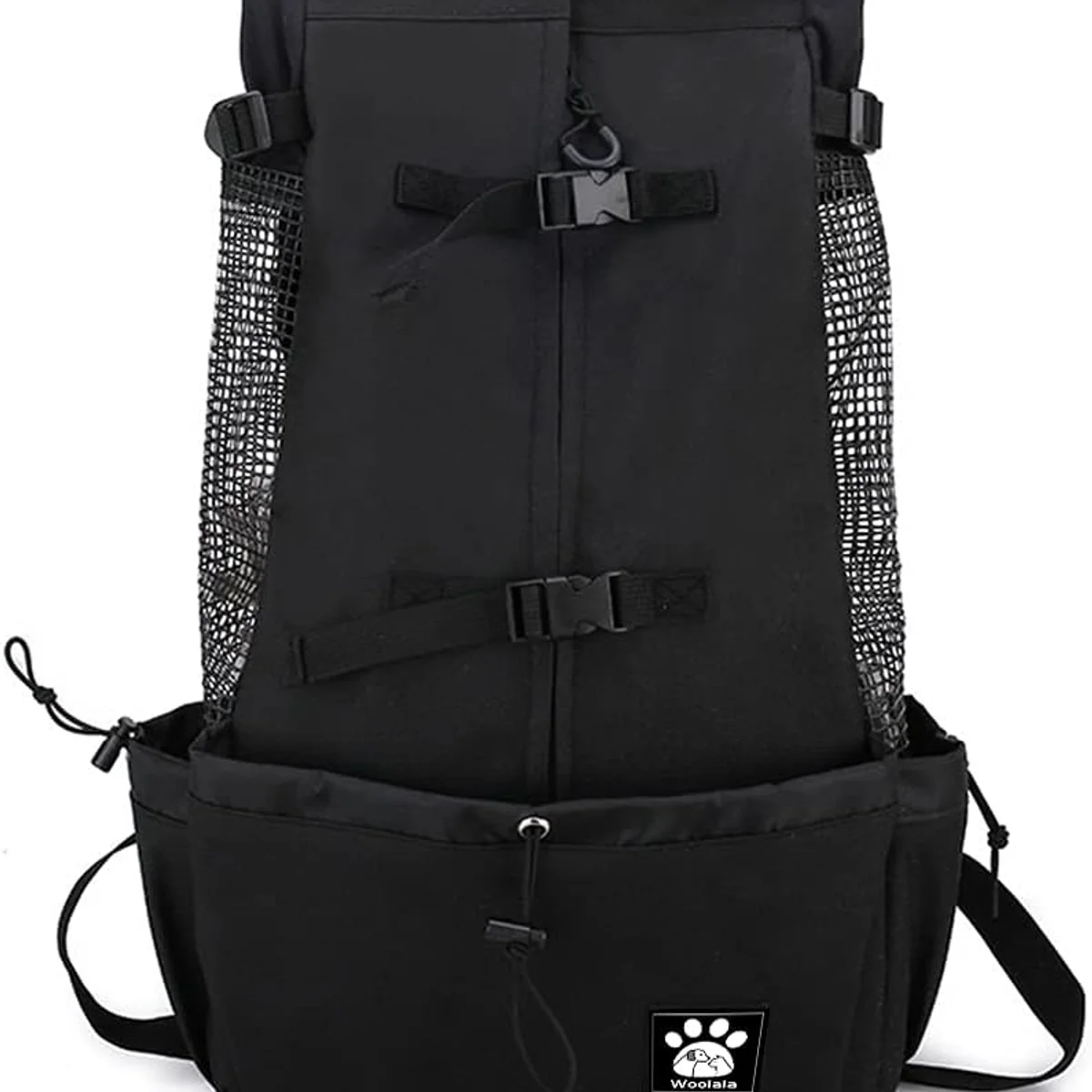 Save £20.00
Drawstring Head-Out Dog Backpack Carrier, Ventilated
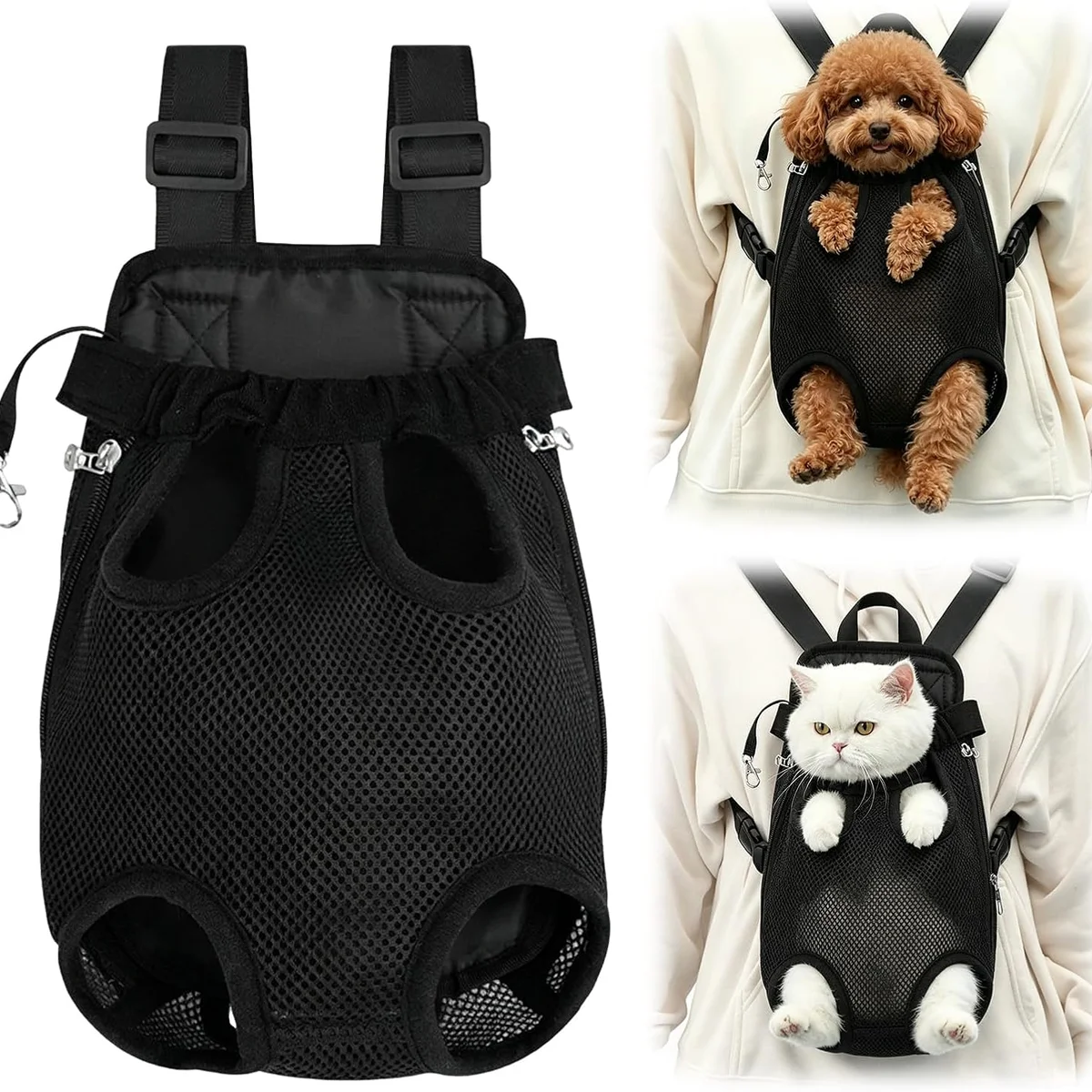
Viilich Adjustable Pet Carrier Backpack
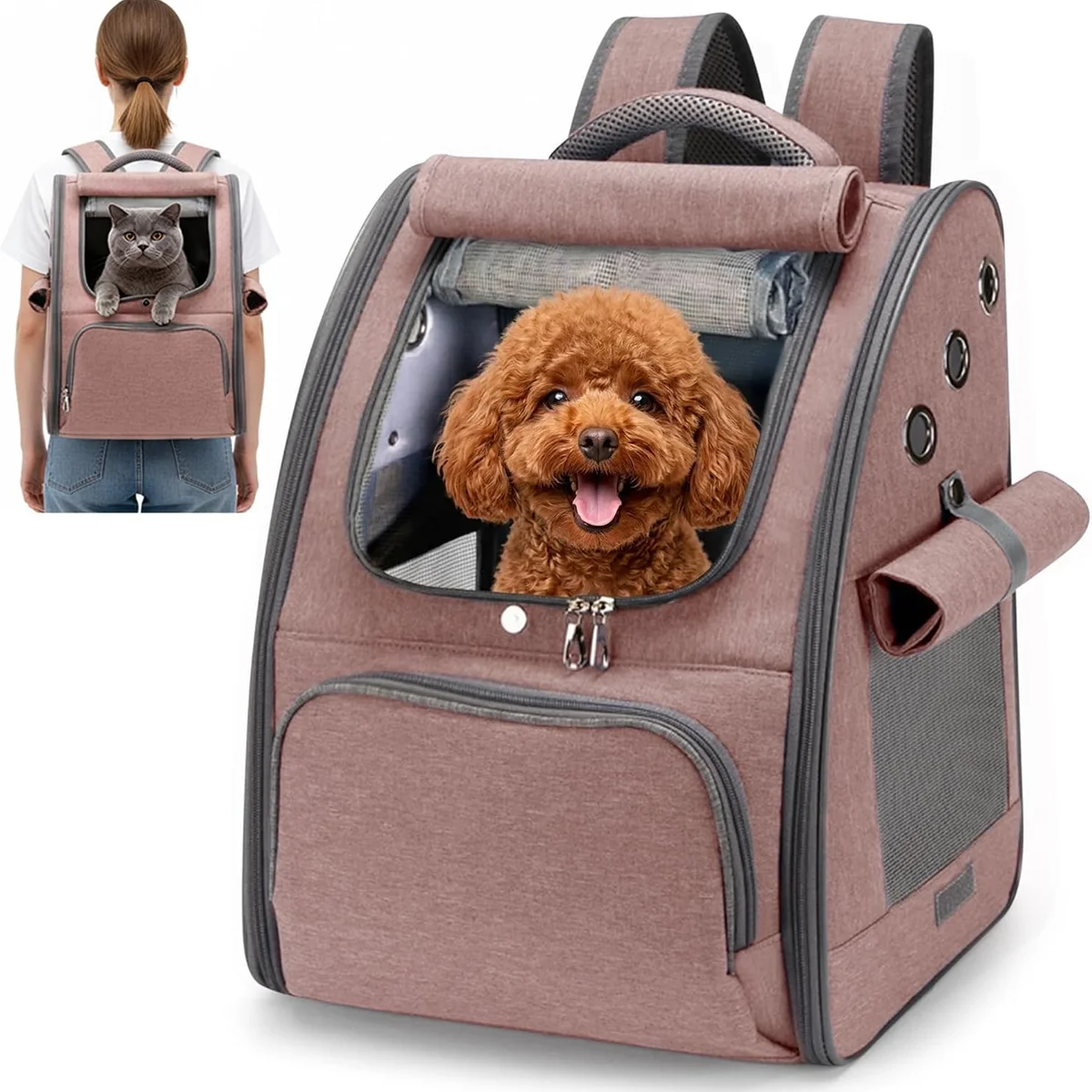
ALLSOPETS Cat Backpack Carrier for Small Dogs and Cats
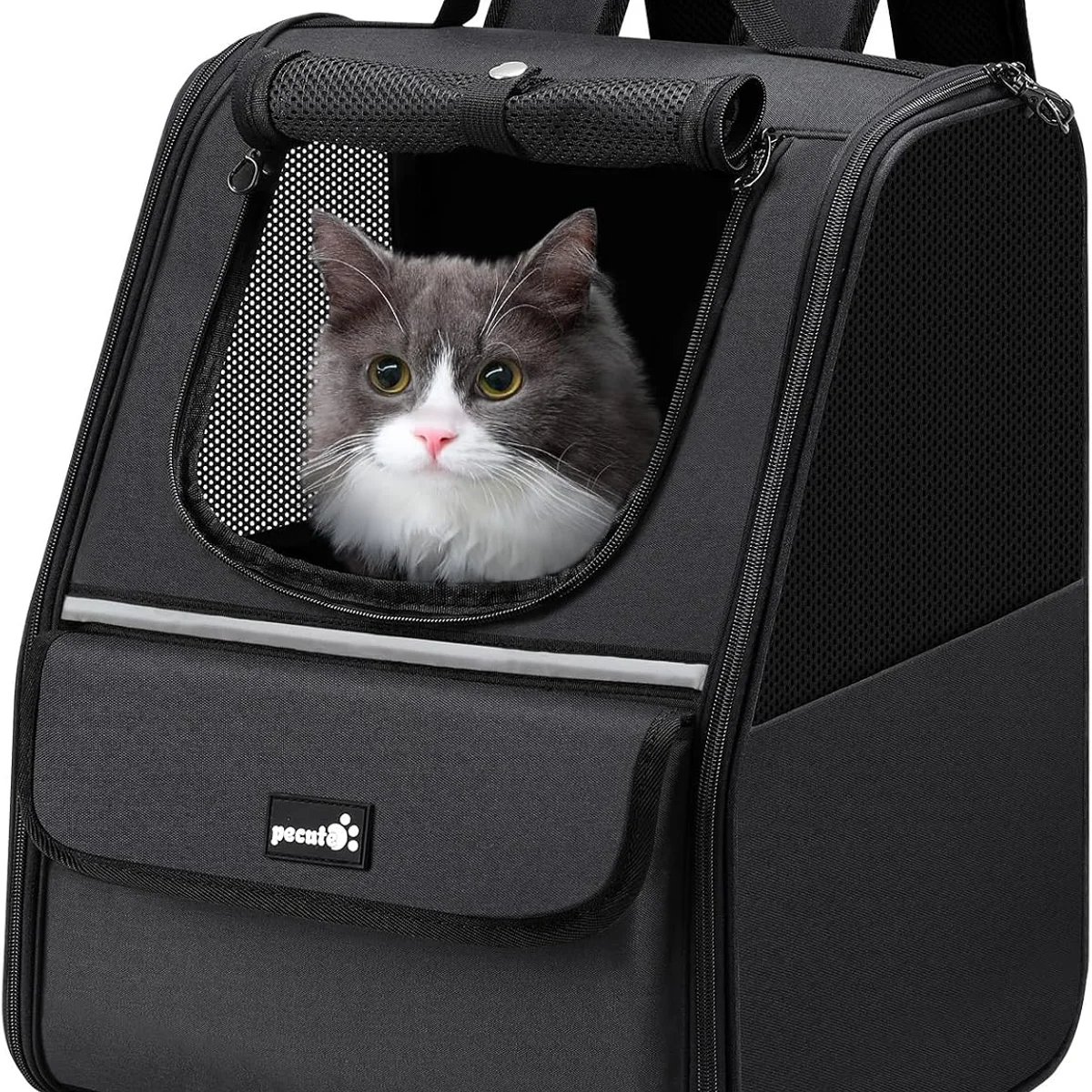
Pecute Cat Backpack Breathable, Cat Backpack Lightweight and Portable
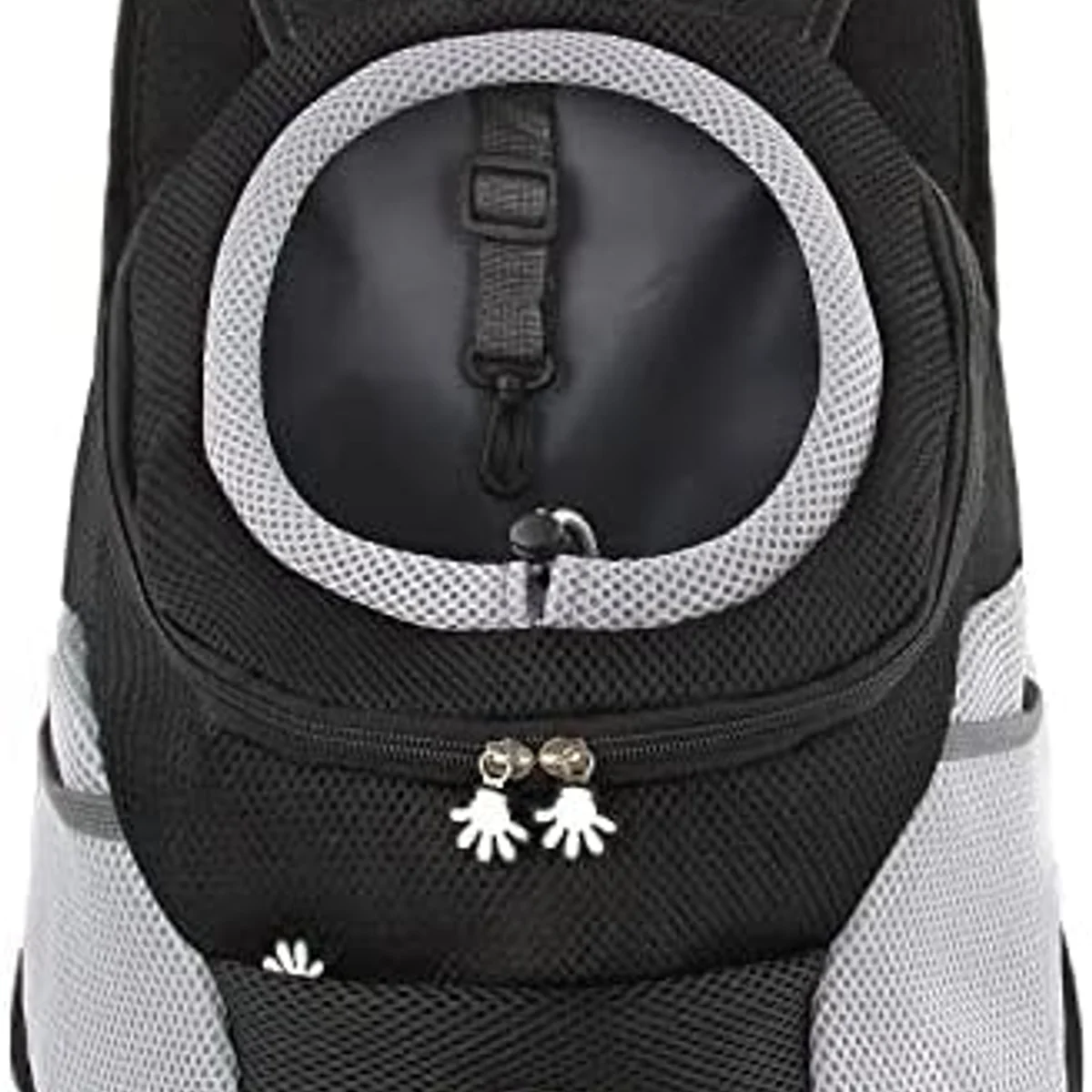
M MUNCASO Dog Carrier Backpack Small Pet Travel Bag Puppy Pet Front Pack
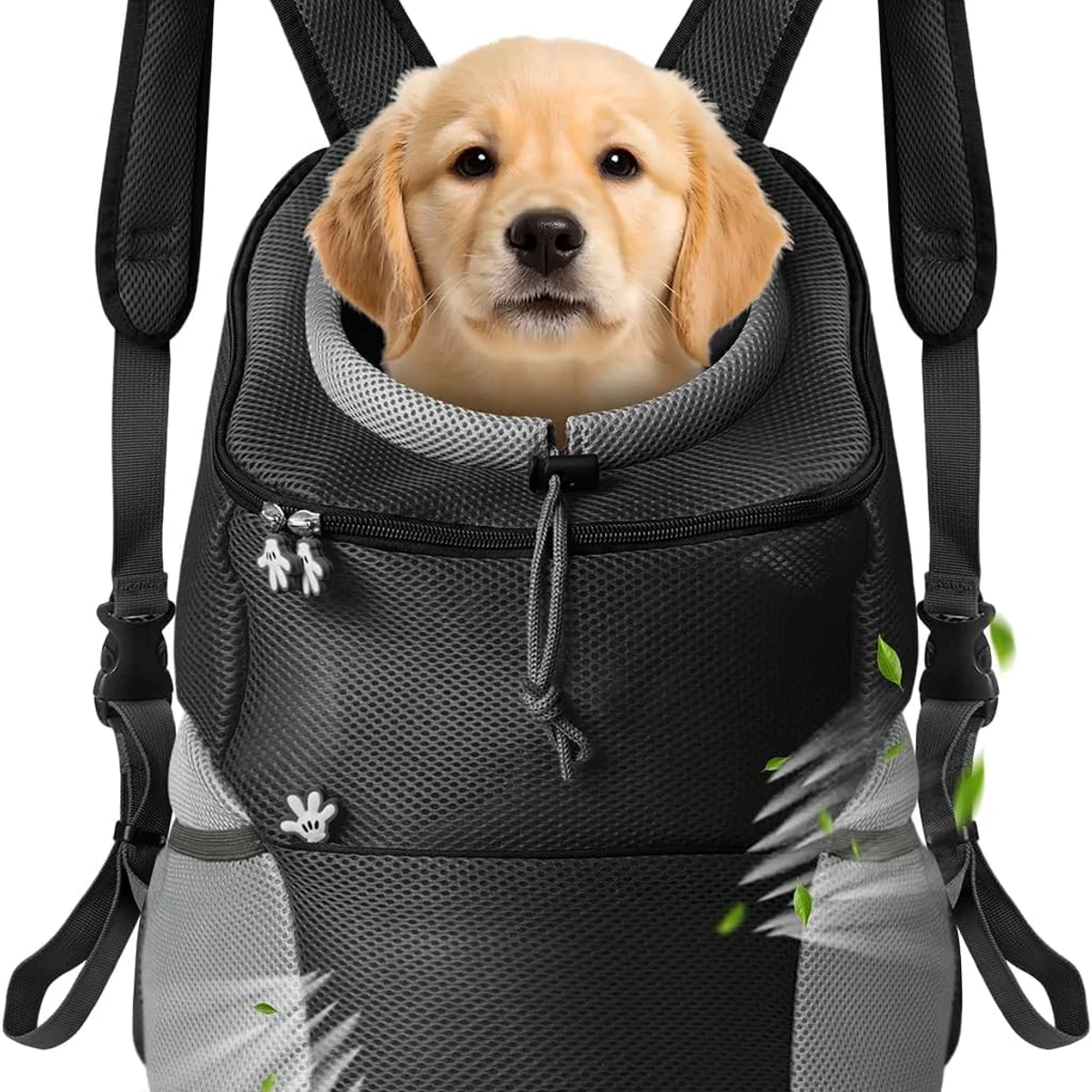
Bojury Pet Dog Carrier Backpack, Small Dog Cat Front Backpack
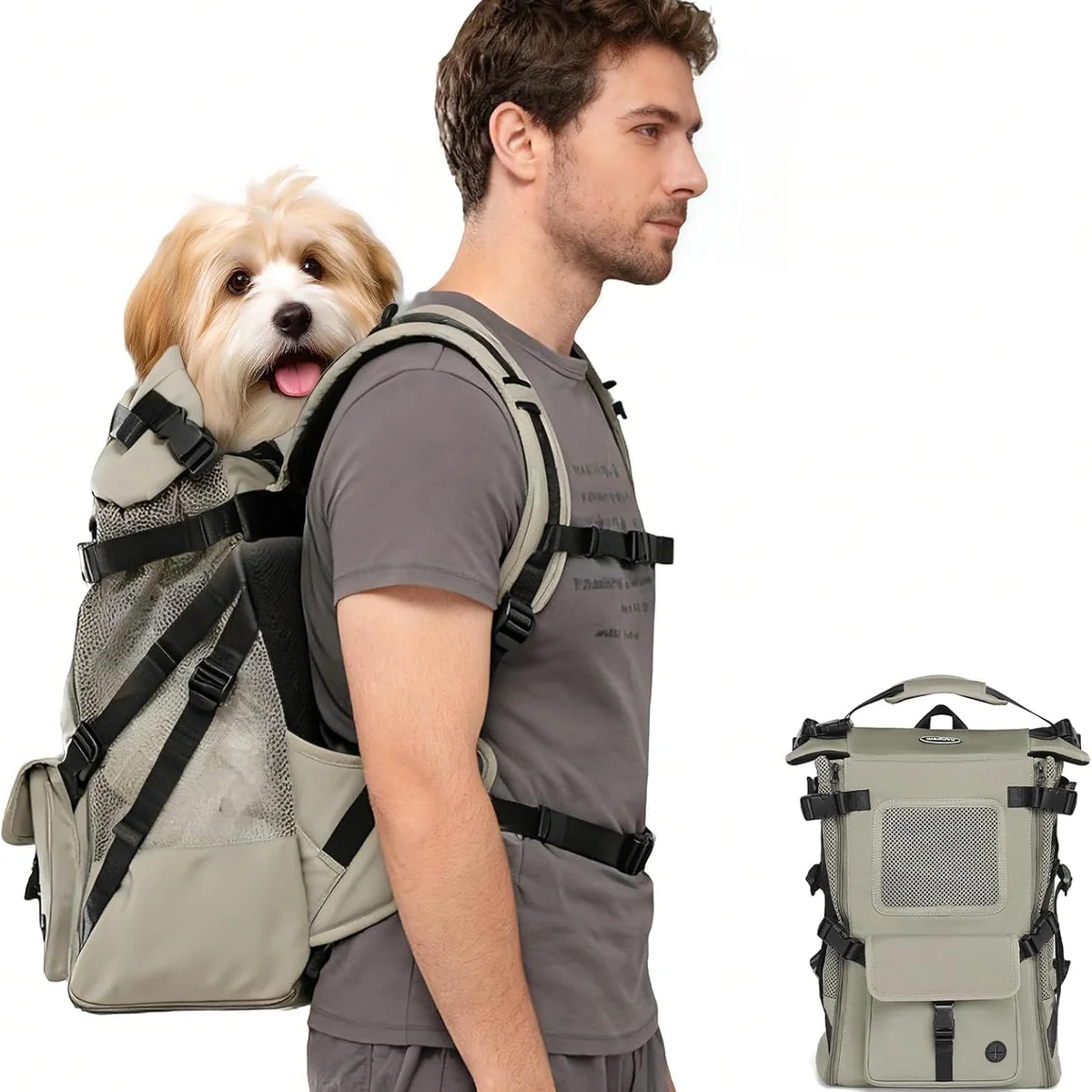
Wakytu Dog Backpack Carrier for Medium Dogs
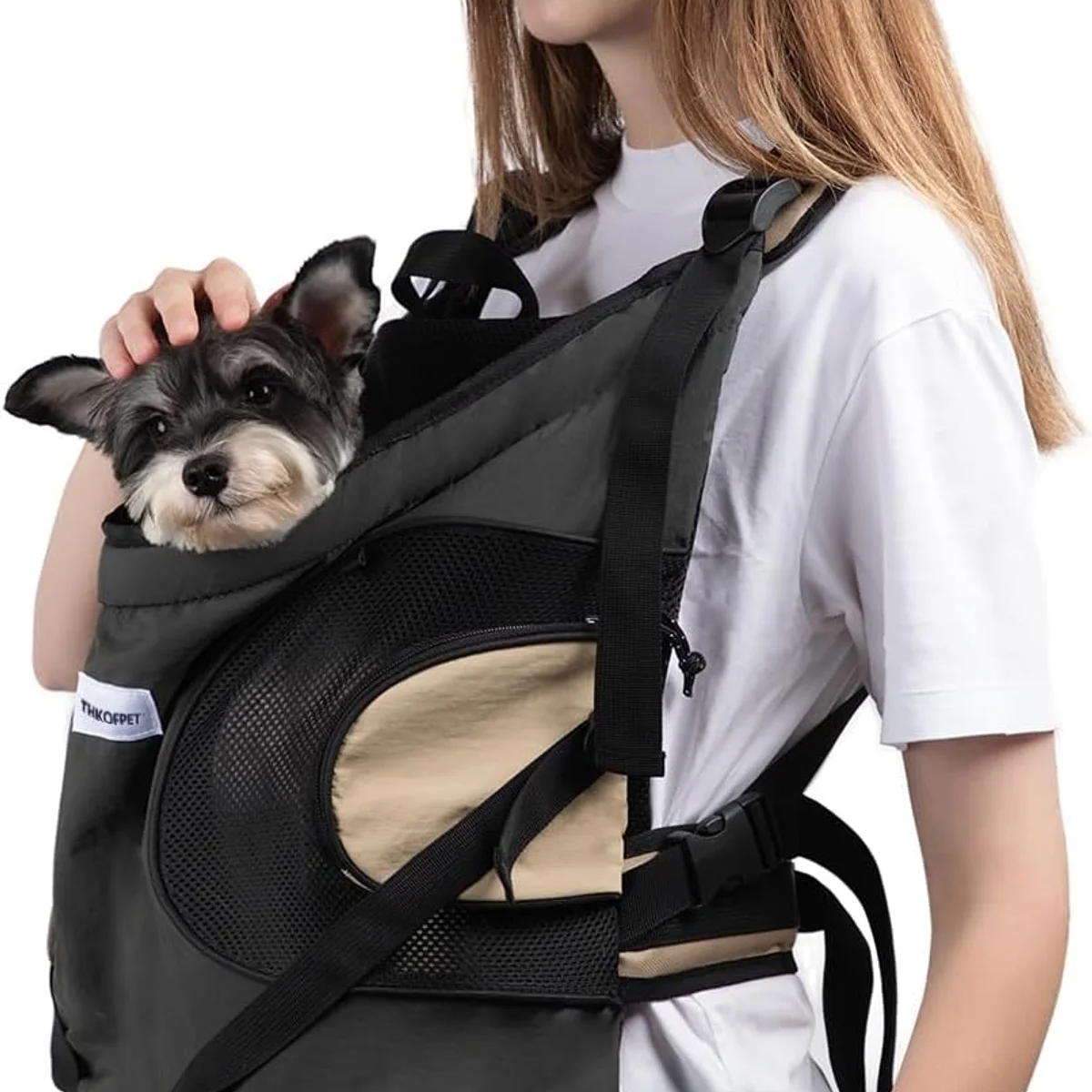
THKOFPET Dog Carrier Backpack, Dog Carry Bag for Small, Medium Dogs and Cats
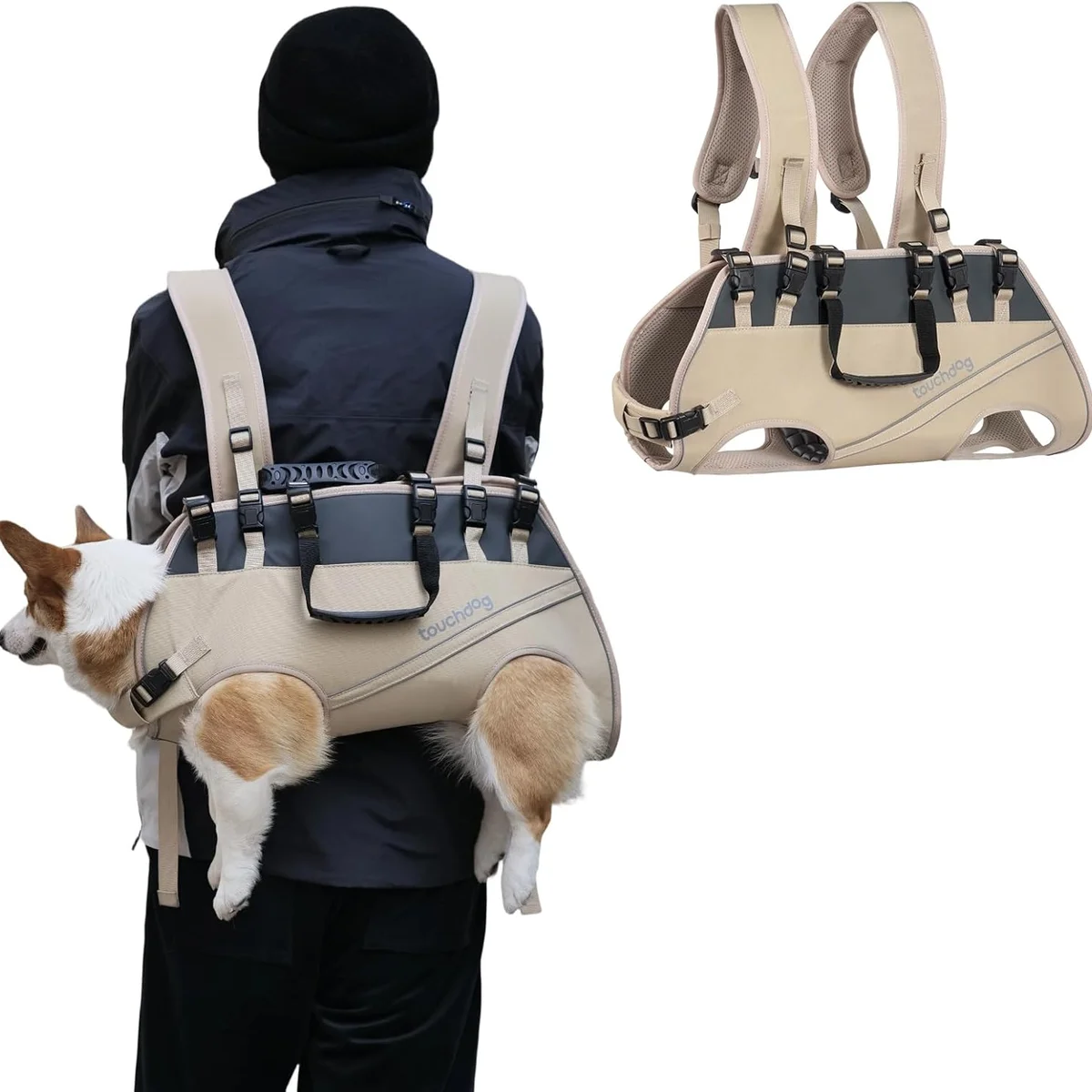
TOUCHDOG Dog Backpack Carrier for Large Dogs
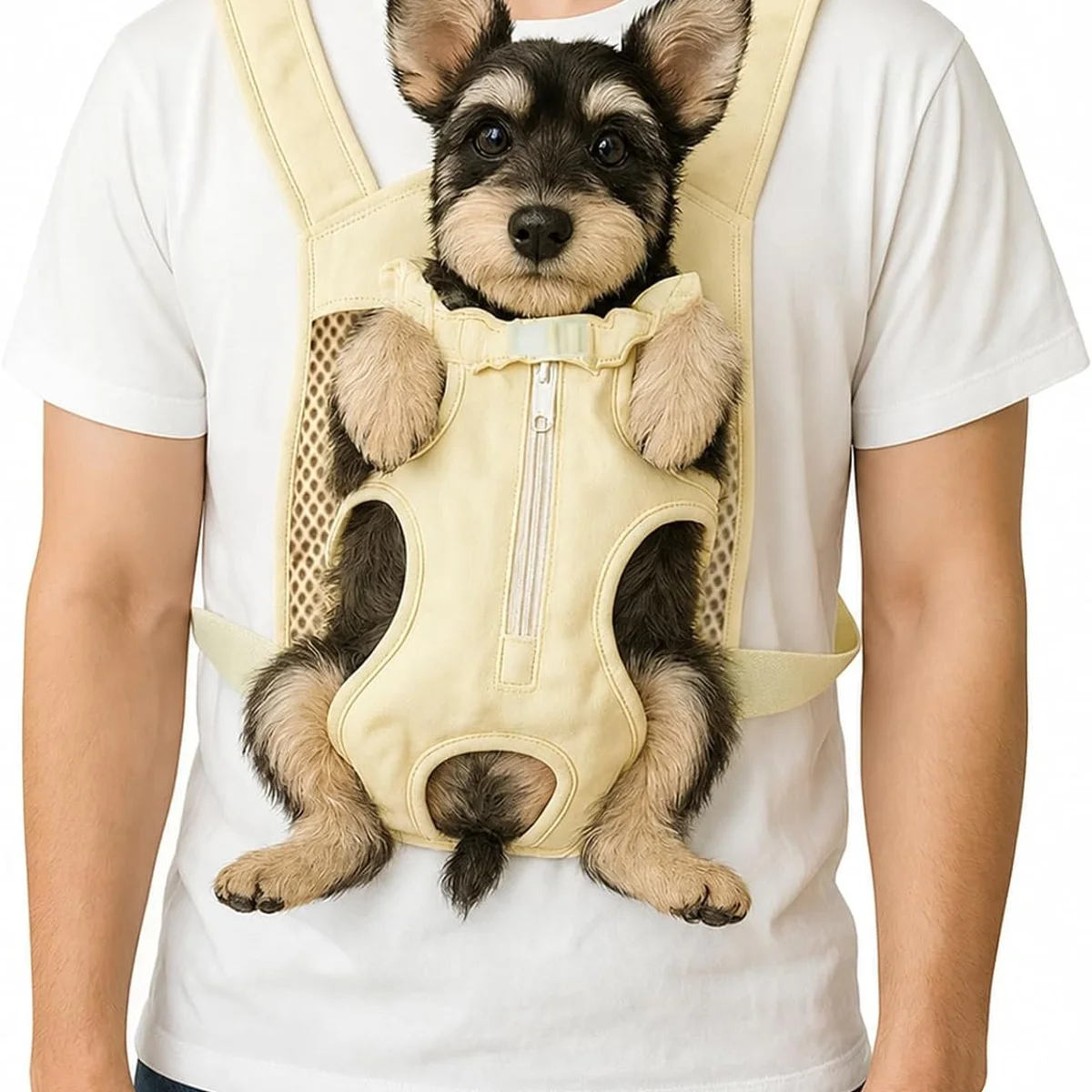
Colenumone Dog Backpack Carrier
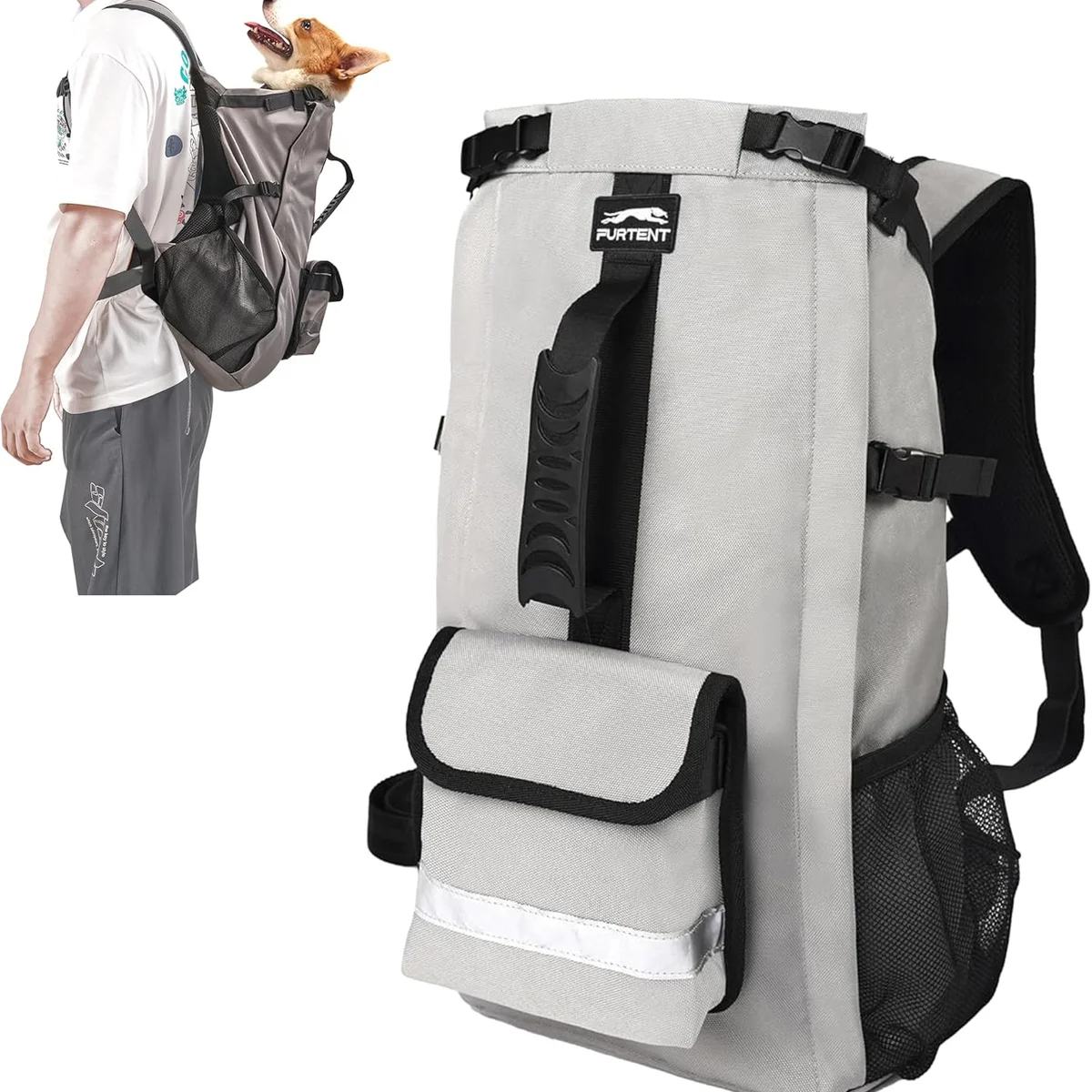
Moysoon Dog Backpack Carrier for Small and Medium Dogs with Detachable Waist Bag
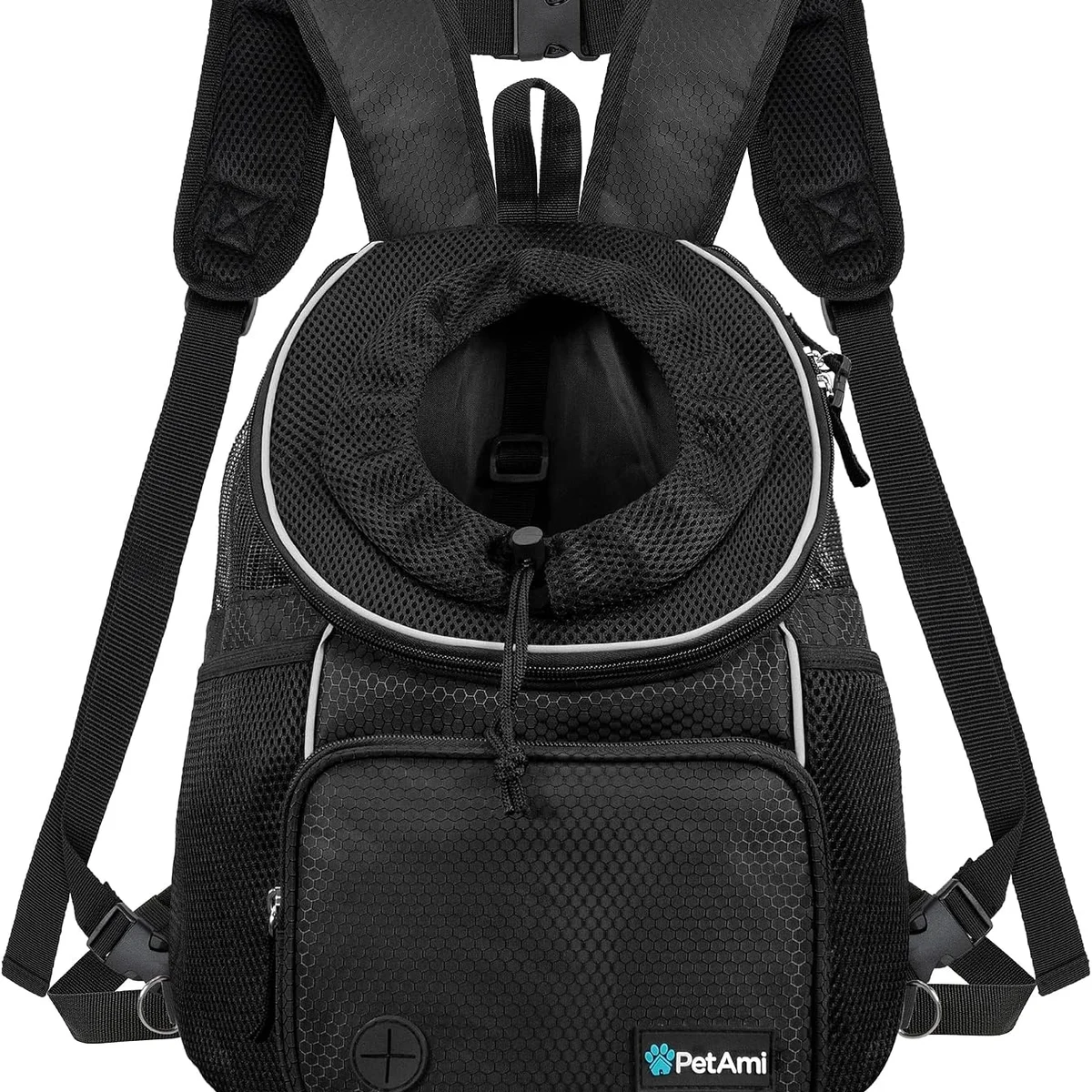 Save £14.00
PetAmi Front Carrier Backpack for Dogs and Cats
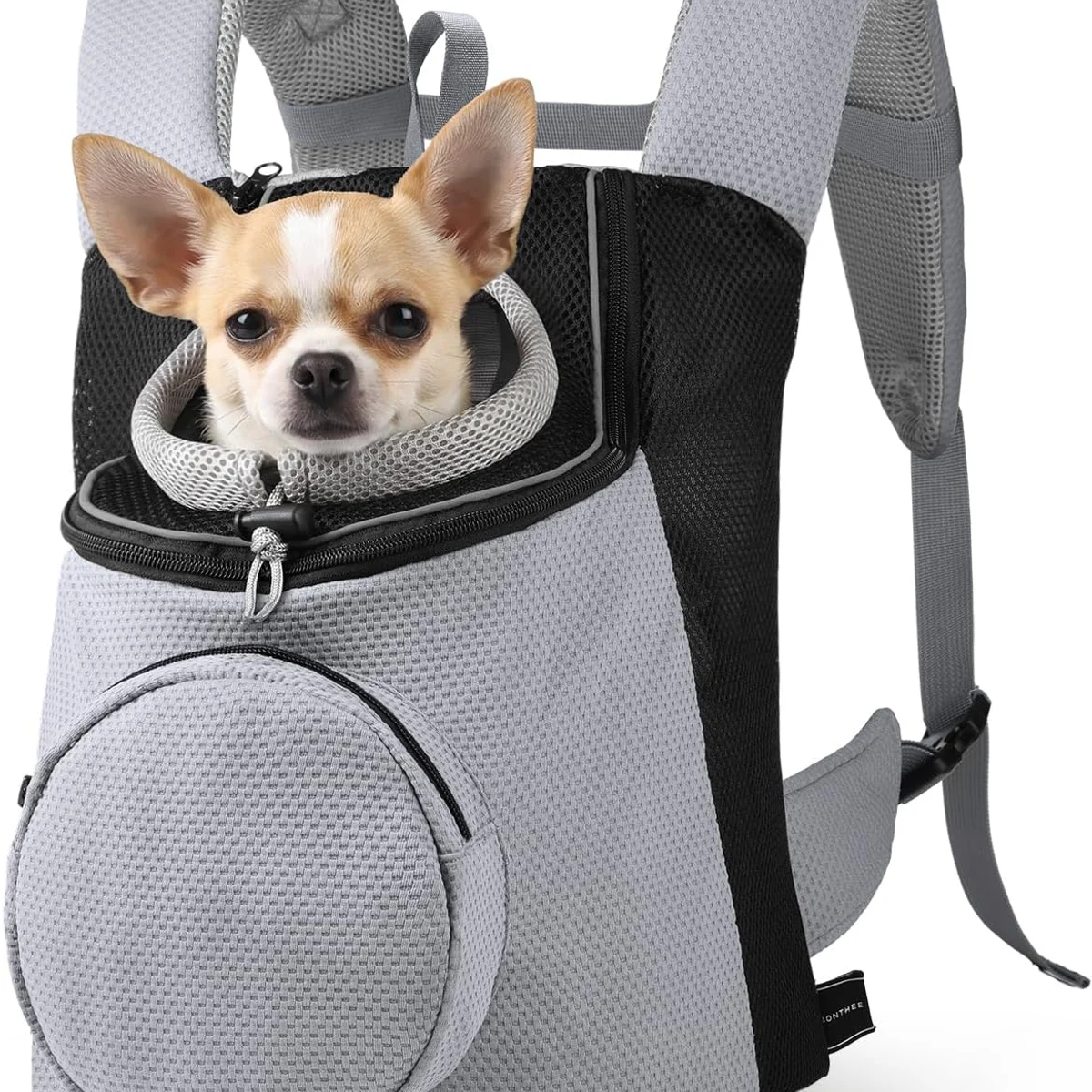 Save £11.00
BONTHEE Dog Carrier Backpack with Sturdy PE Bottom Support
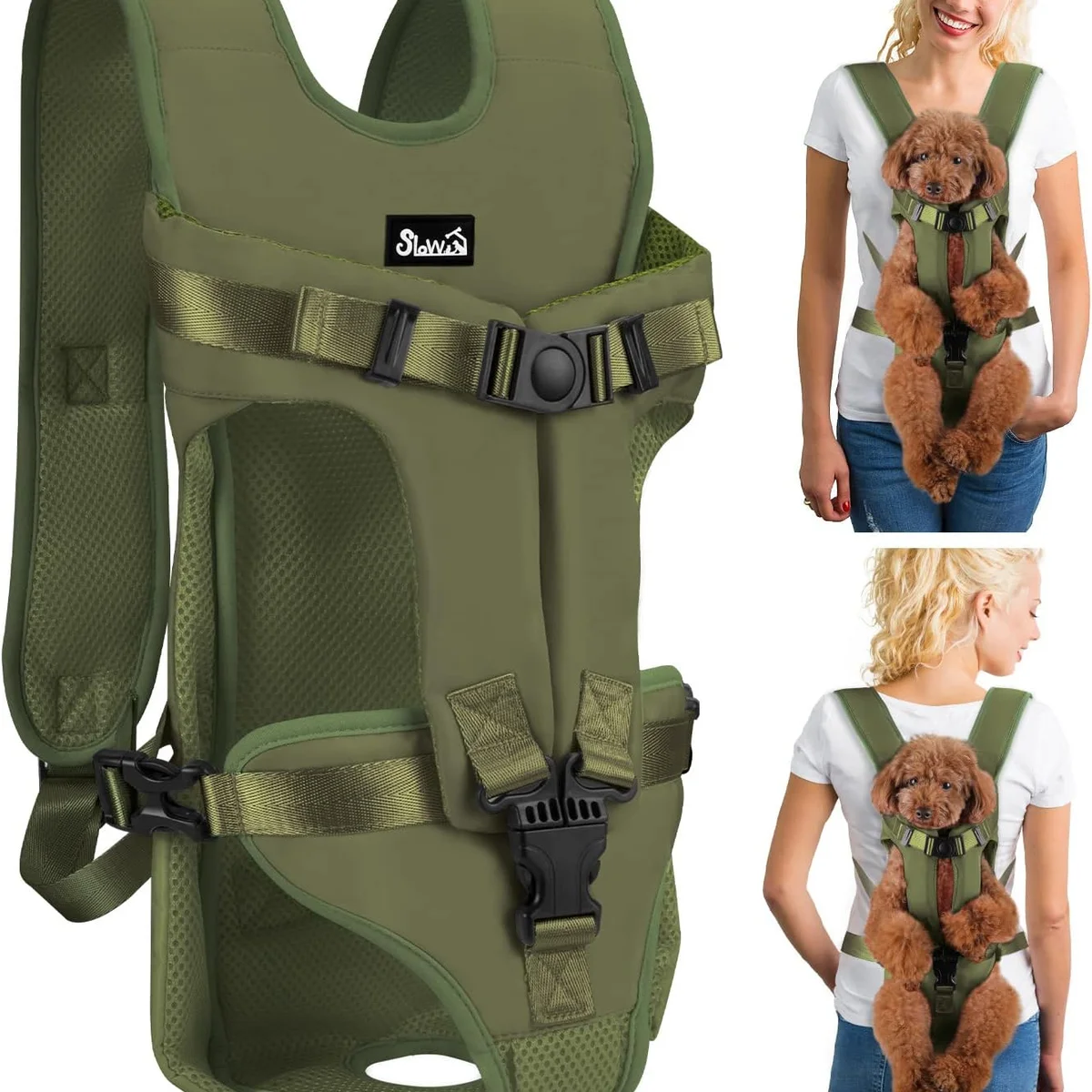 Save £13.00
Nasjac Adjustable Dog Carrier Backpack
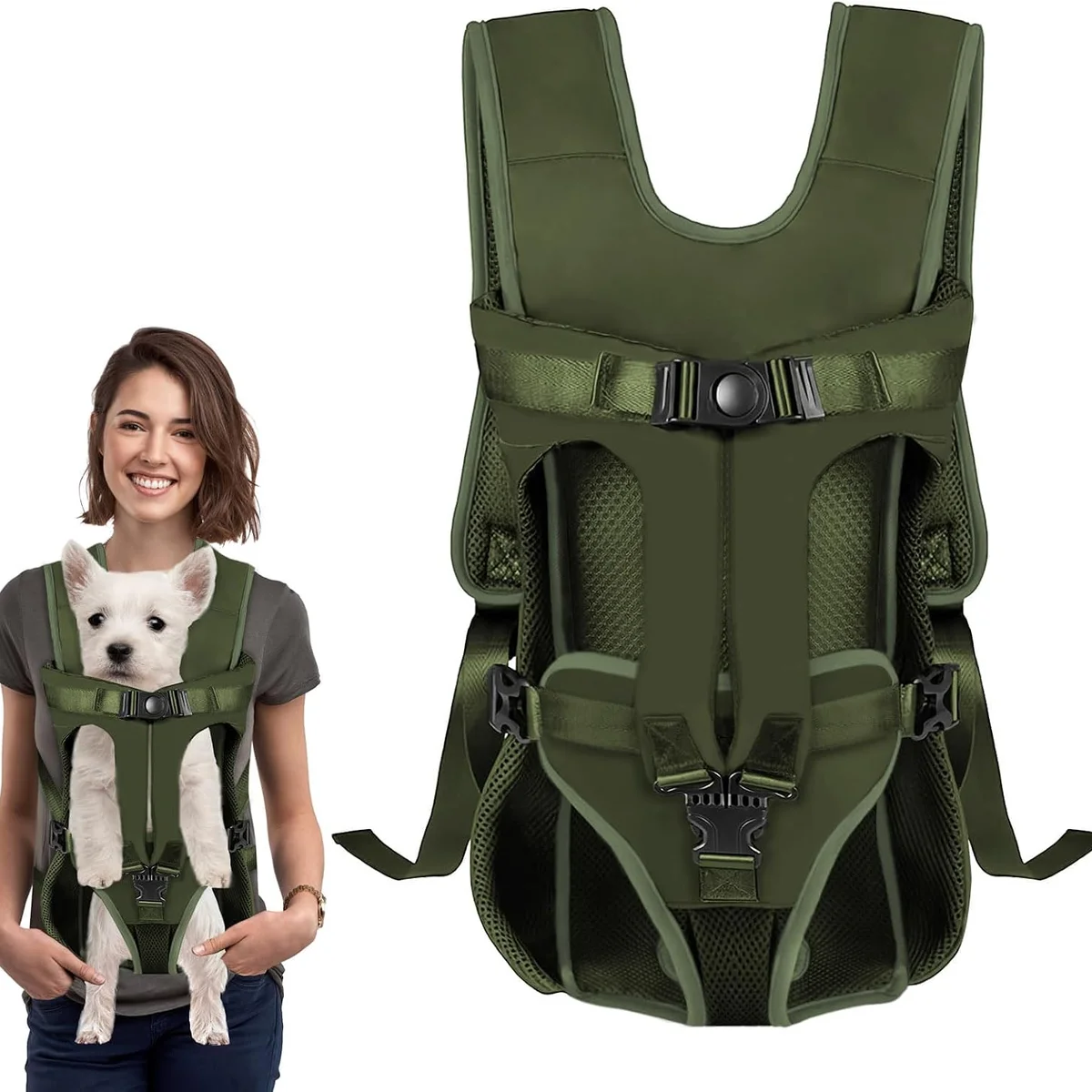 Save £14.00
DOBVDLA Dog Front Carrier Backpack
More About Dog Backpack Carriers
Dog Carrier Rucksack or Head-Out Backpack?
Some backpacks use a drawstring or elastic opening that lets your dog's head and front legs stay out the top, giving them a clear view and plenty of airflow, with an inner safety hook that clips to their collar so they can't climb out further than intended. Others are built more like a fully enclosed dog carrier rucksack, with mesh side panels rather than an open top, which suits a dog who's happier a bit more contained or who isn't keen on a lot of open air rushing past. Neither is objectively better, it comes down to how your own dog reacts to being out in the open versus tucked away.
Is a Backpack Carrier for Dogs Right for You?
A backpack carrier for dogs earns its keep once a trip stops being a five-minute errand and turns into a proper outing: a sling or hand-held bag that's perfectly comfortable for twenty minutes can start to feel like hard work well before an hour is up. If most of your outings are shorter than that, a lighter format like a sling might suit you better; if you're regularly out for longer, spreading the weight across both shoulders here is what makes the real difference.
Longer Trips and Hiking
If your usual outings run to genuine distance rather than a walk around the block, it's worth checking our hiking dog carriers range too, which covers backpack-style carriers built with longer, more technical routes specifically in mind. If your outings are on two wheels rather than on foot, our dog bike carriers range is built for that different kind of movement instead.
If Your Dog Is Still Growing
A backpack frame is built around a fairly specific weight range, so a young puppy who hasn't reached their adult size yet may be better served in the meantime by our puppy carriers range, sized more closely to where they are now rather than where they'll end up.
Why Choose a Dog Backpack Carrier
The comfort of a backpack carrier over a longer walk comes down almost entirely to weight distribution. Splitting the load across both shoulders, and ideally a hip or chest strap too, means no single point on your body is carrying the full weight for the whole trip, which is the difference between an hour being comfortable and an hour being something you're counting down.
Because the carrier sits against your back, ventilation matters more here than on a stationary carrier, since body heat from both you and your dog builds up in that space. Mesh panelling positioned around the pet compartment, rather than just at the very top, makes a genuine difference on warmer days or longer routes.
Sizing and Buying Guide
Check the maximum weight rating first, since backpack frames and their straps are only built to carry so much before the stitching and support genuinely come under strain, and this figure matters more here than for a hand-held carrier. Then check the internal compartment dimensions against your dog's actual size, particularly if you're considering a head-out design, since your dog needs to be able to sit or stand comfortably with their head clear of the opening without slumping or being cramped. If you're between two sizes, sizing up generally gives more room for your dog to shift position on a longer walk, which matters more here than on a short trip.