
Dog Slings
Carriers

A dog sling, or dog sling carrier, holds your dog close against your body on a single wide strap worn across one shoulder or across the chest, rather than in a separate compartment held out in front of you. For a small, lighter dog, that closeness tends to be genuinely reassuring: being held snugly against a warm, moving body generally feels calmer than sitting inside a carrier a little further away, particularly for a dog who's naturally a bit anxious about travel.
Shop Dog Slings
Showing 14 of 14 products
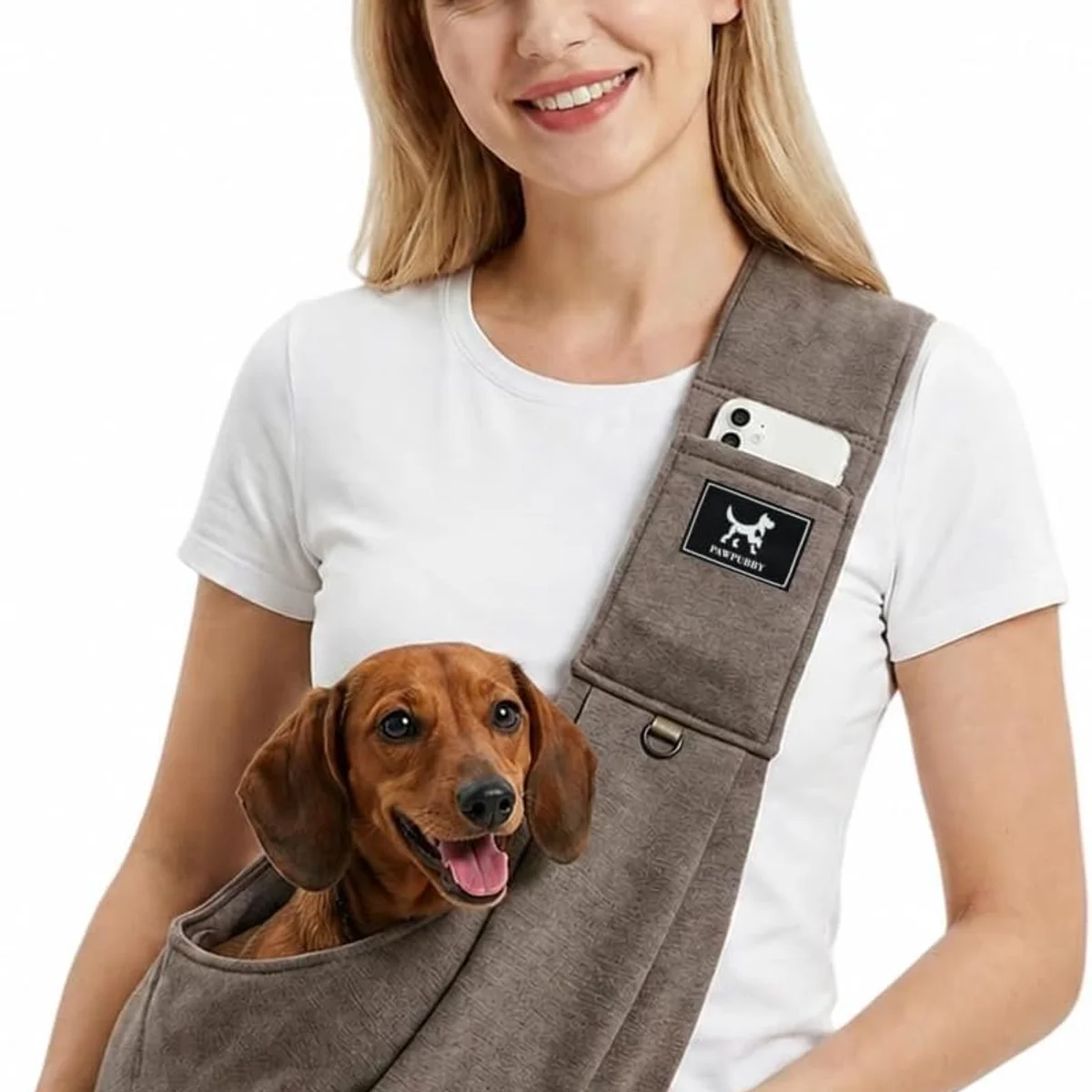
PAWPUBBY Hands-Free Padded Dog Sling Carrier, Caramel
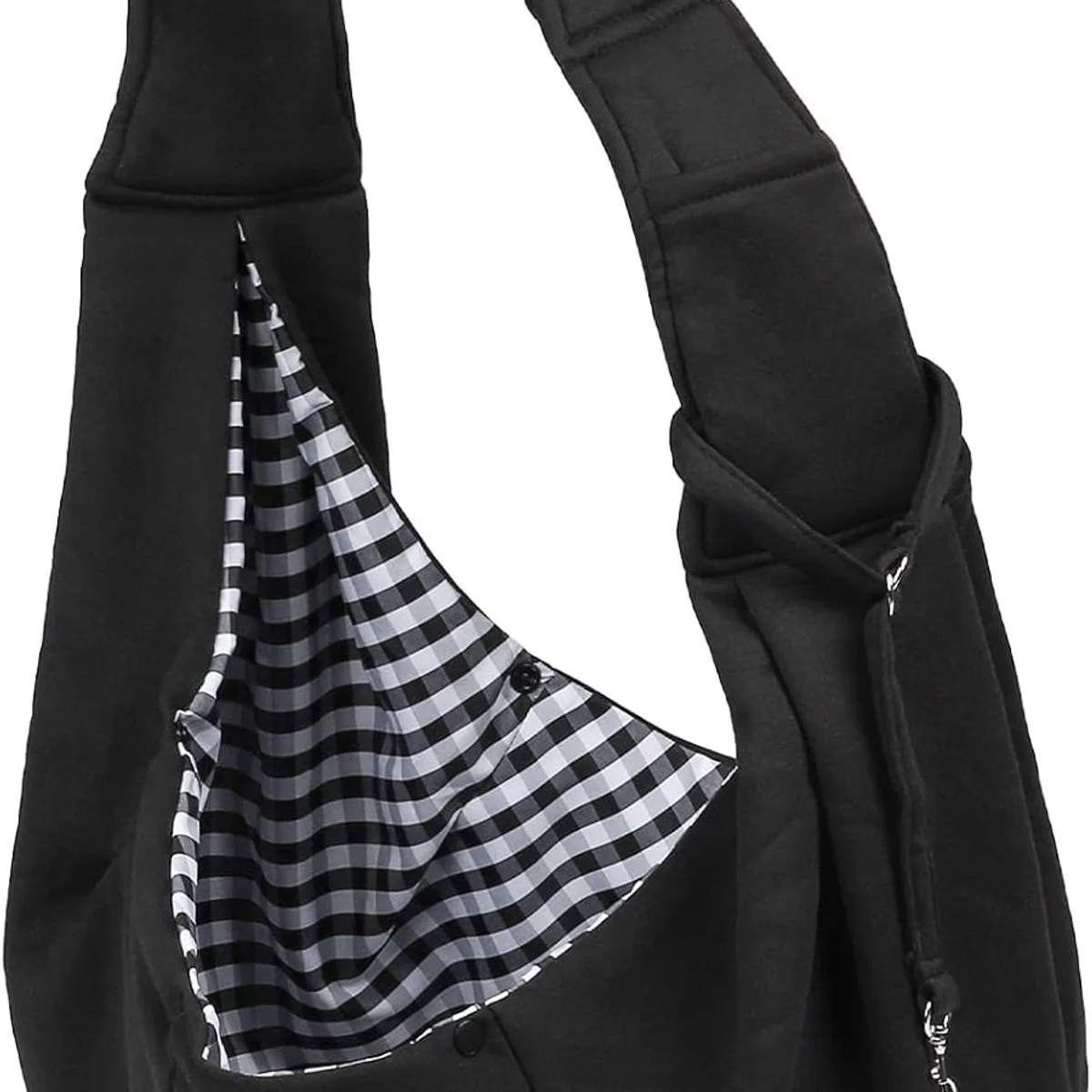
Sarsumir Adjustable Dog and Cat Sling Carrier, Black
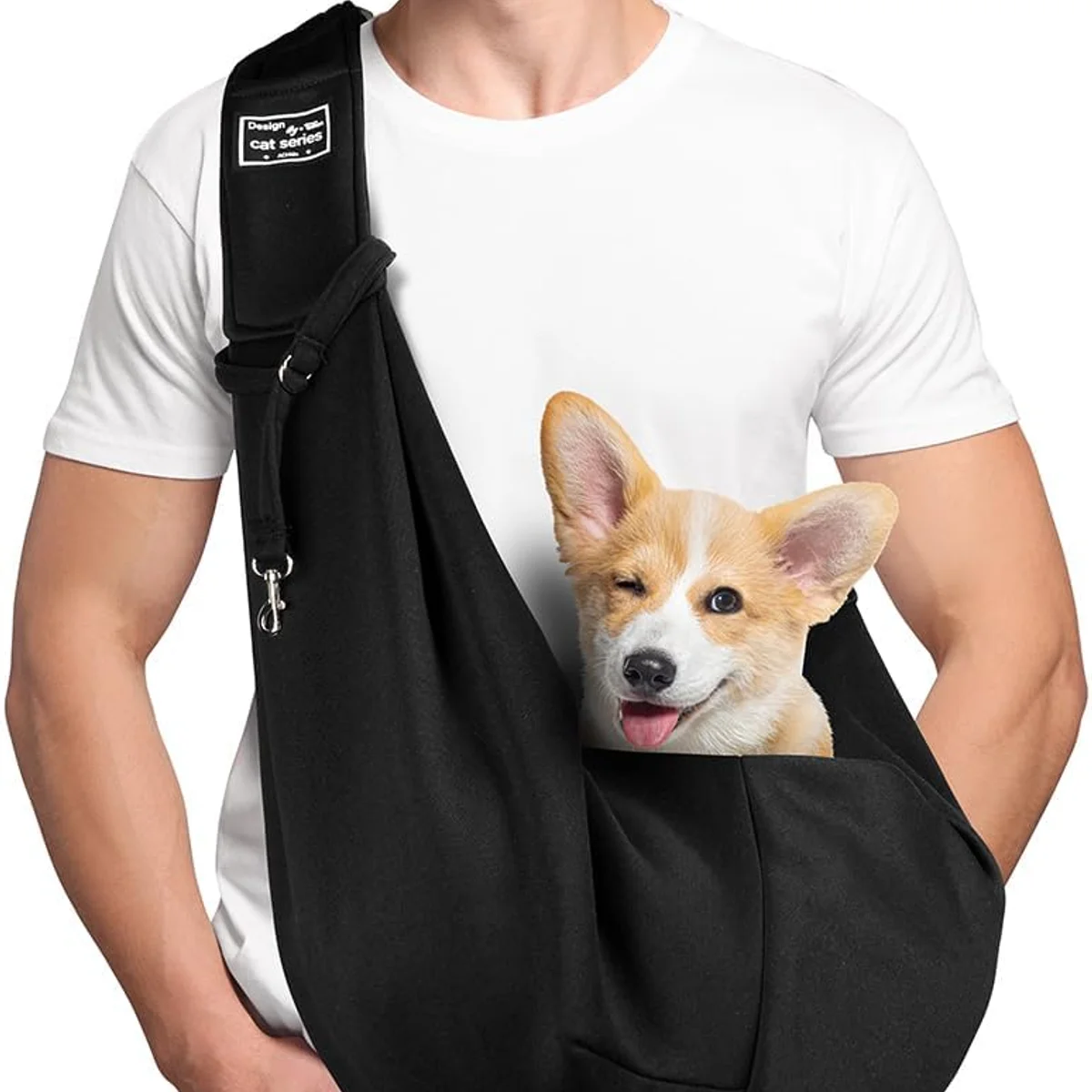
Adiwo Reversible Hands-Free Dog and Cat Sling Carrier
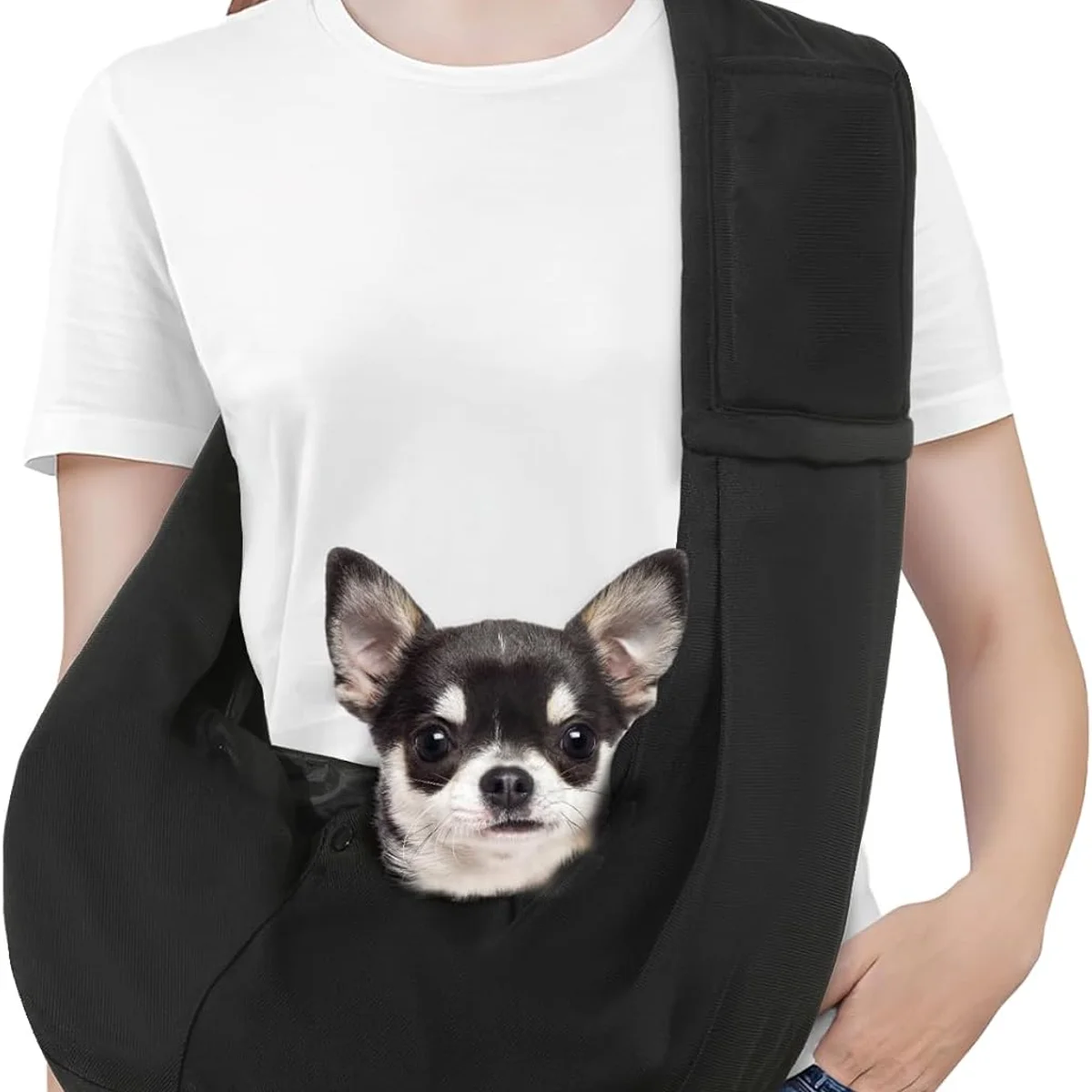
Pawaboo Reversible Small Dog Sling Carrier, Black
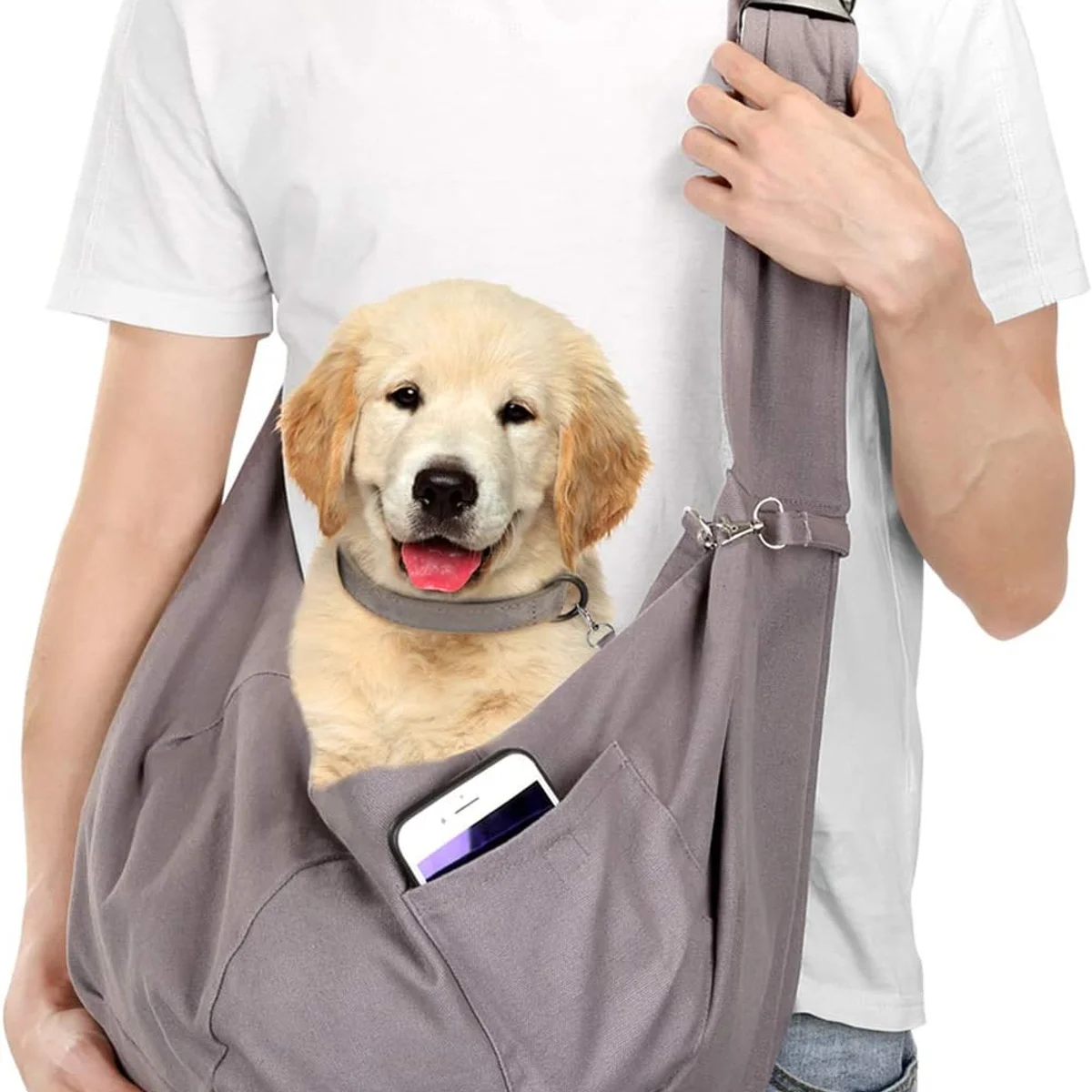 Save £30.00
AGPTEK Pet Sling Carrier
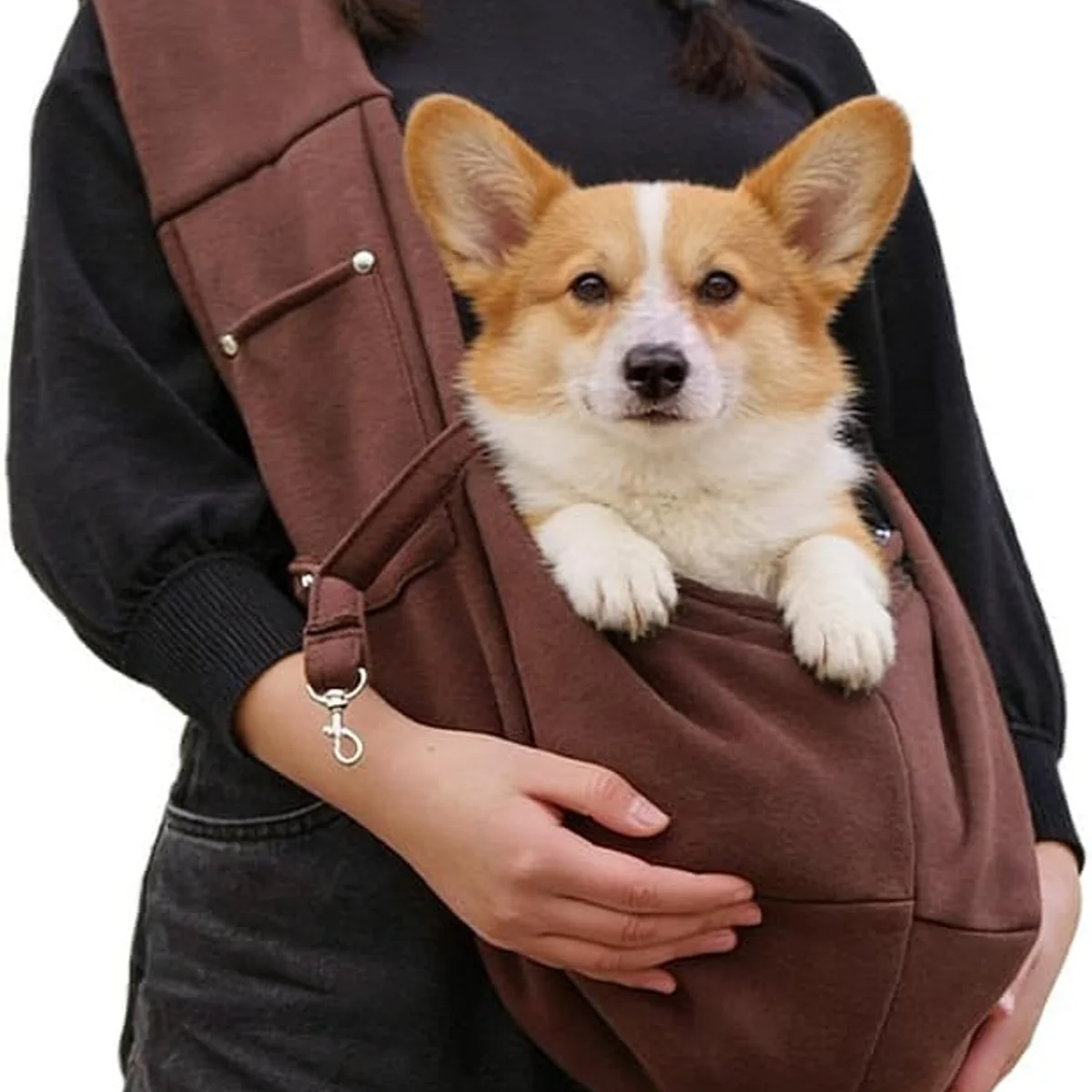
BroLuka Puppy Sling for Small Dogs and Cats
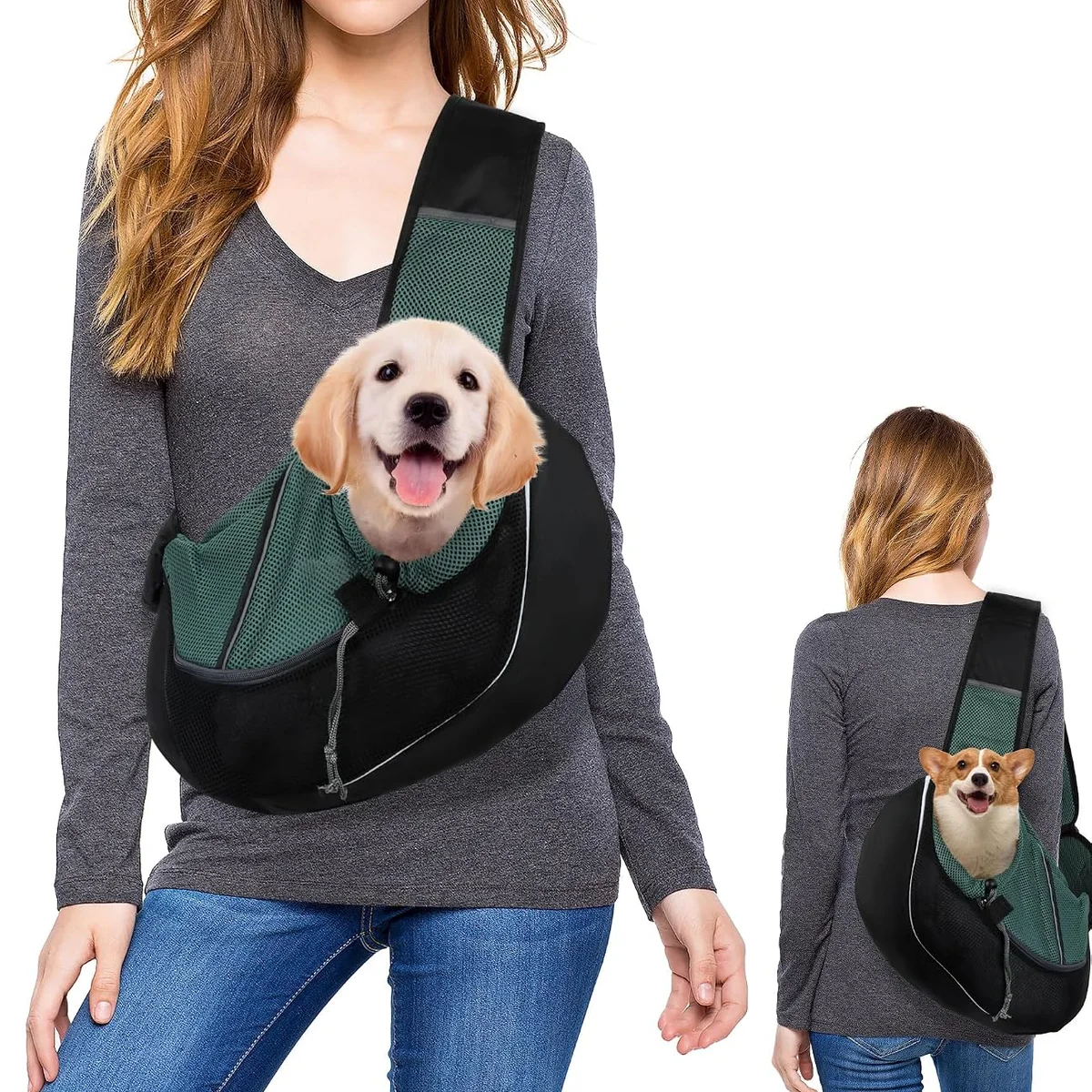
NiCola Puppy Sling Dog Carriers, Puppy Sling Dog Sling
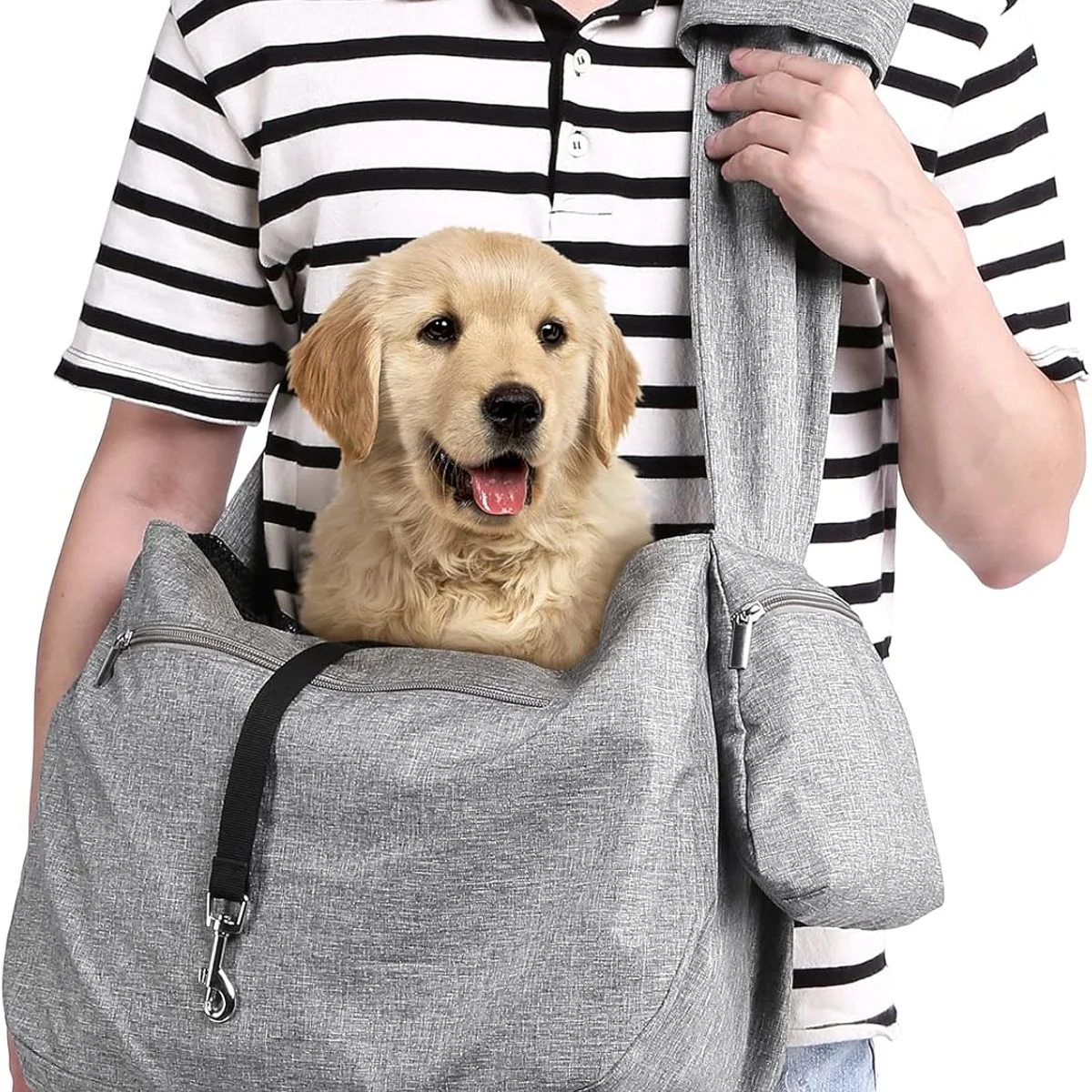
Ownpets Pet Sling Carrier, Fits 6.5 to 9kg Medium Dog/Cat
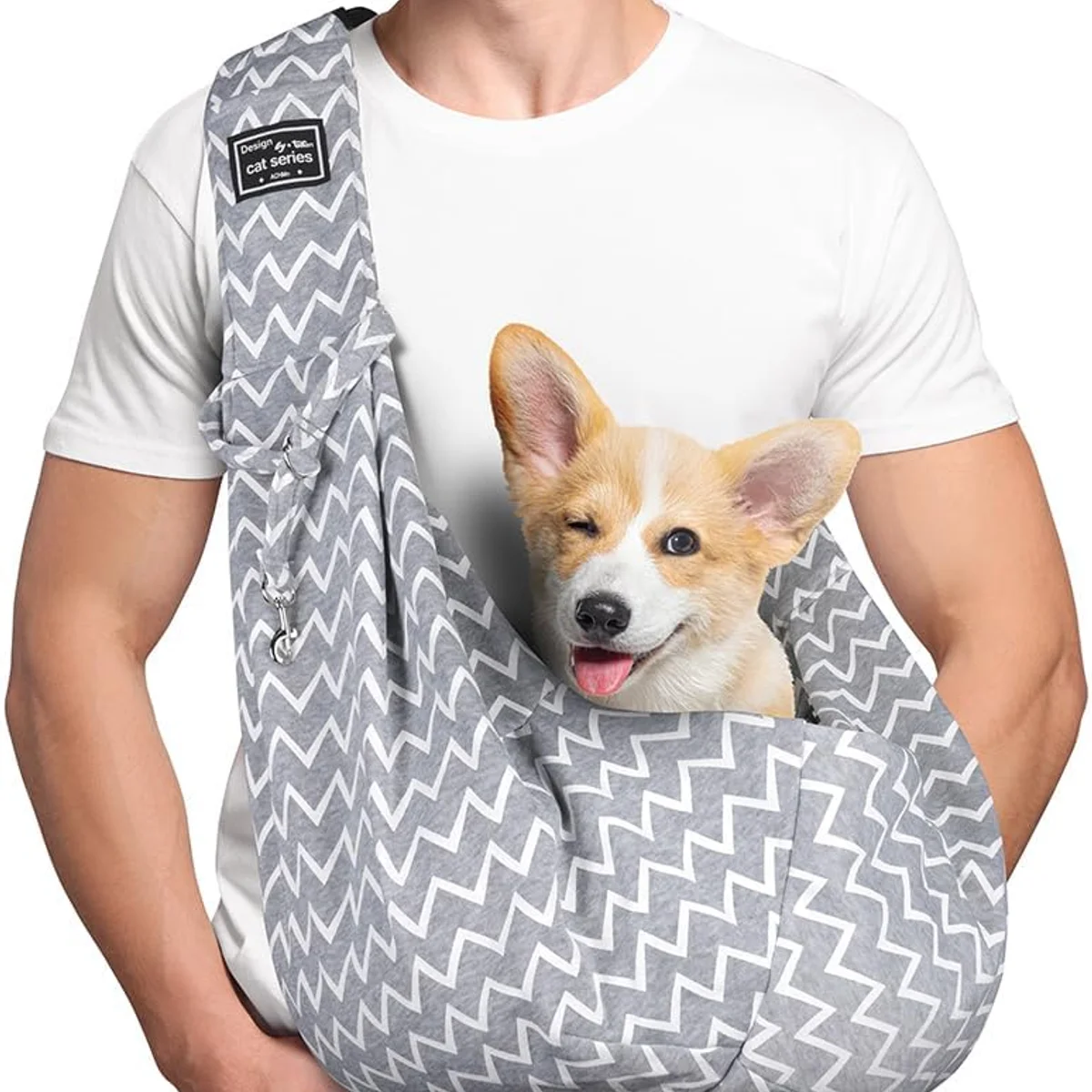
Adiwo Puppy Carrier
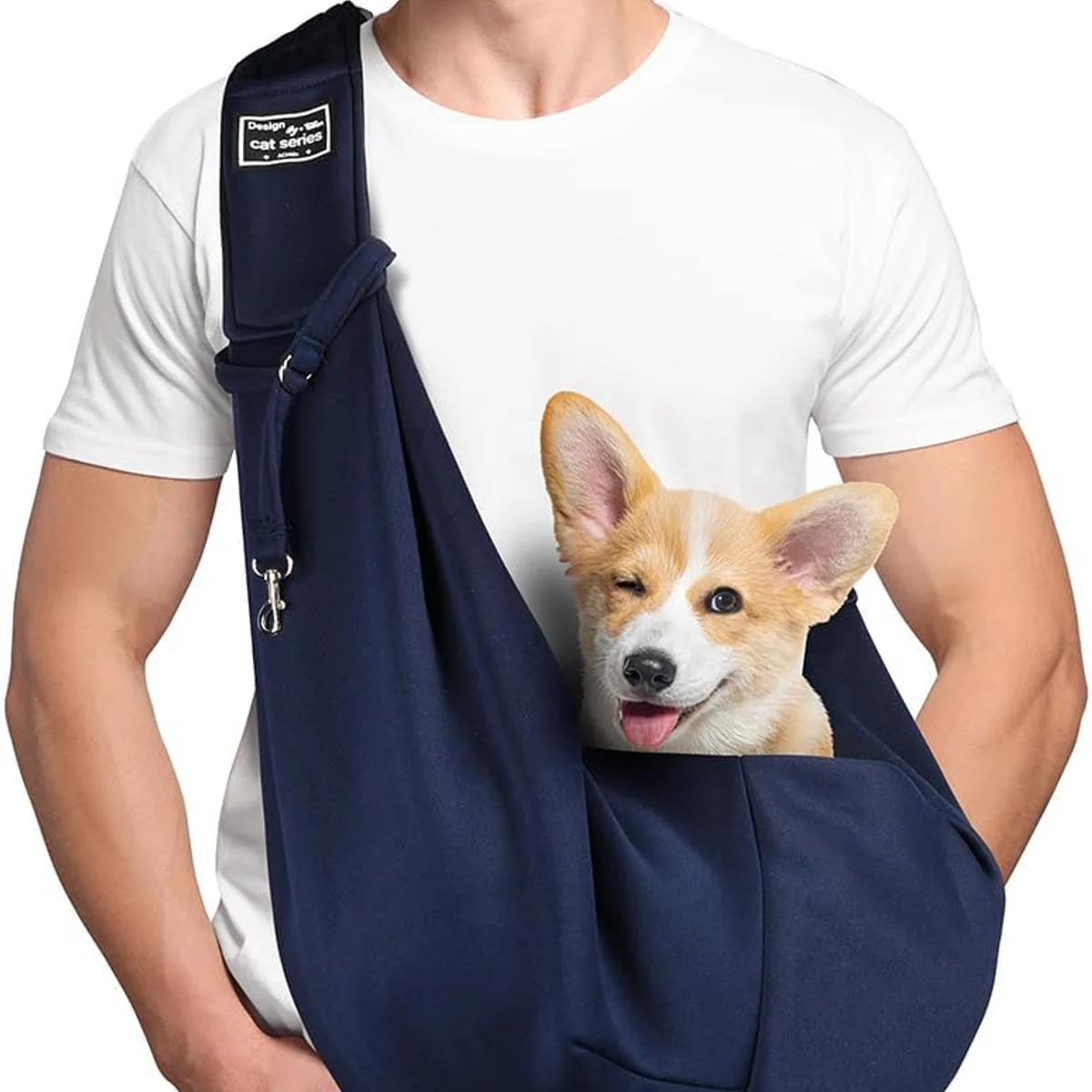
Adiwo Dog Carrier Bag Dog Sling
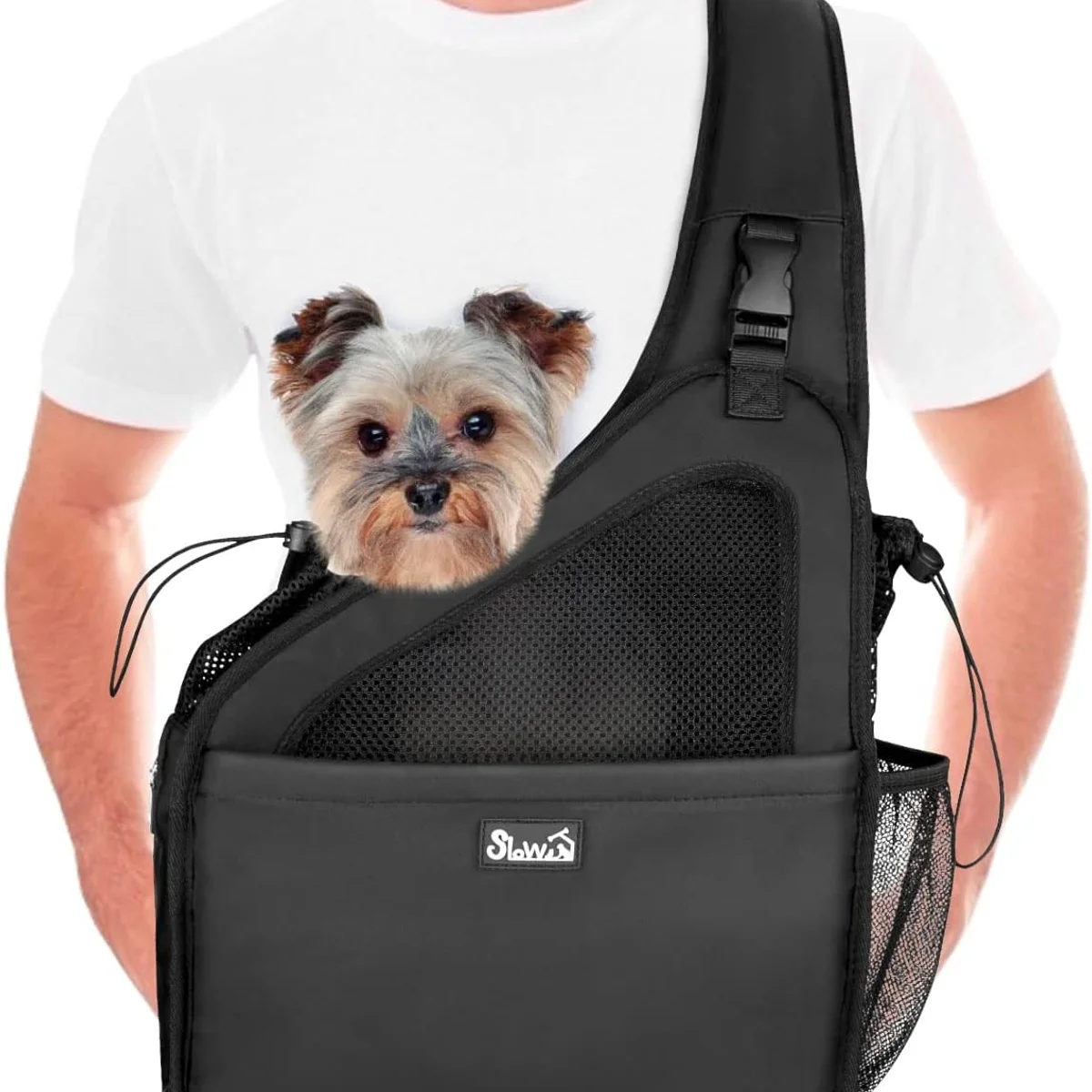
Nasjac Pet Dog Sling Carrier
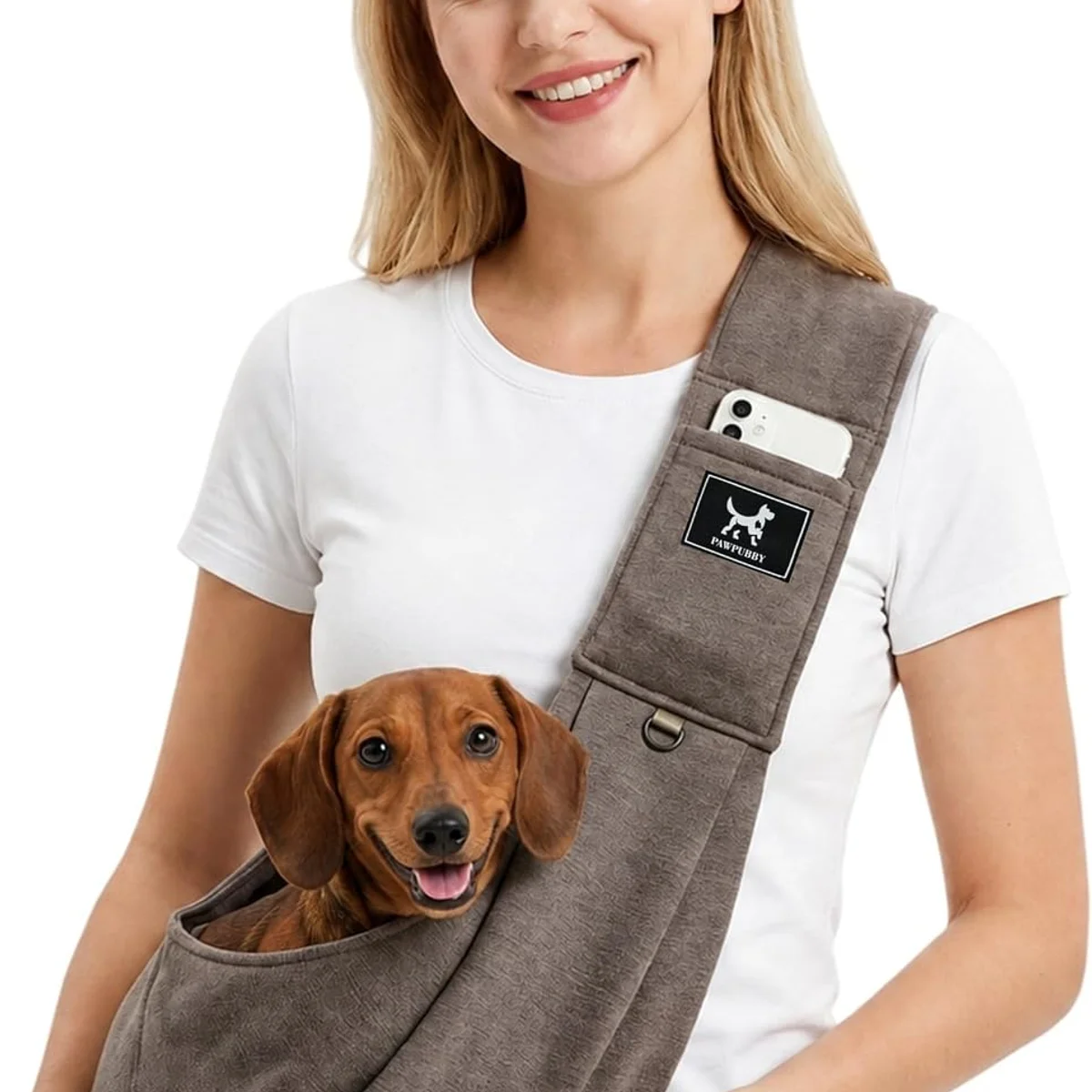
PAWPUBBY Dog Sling Carrier, Wide Padded Shoulder Strap for Extra Comfort
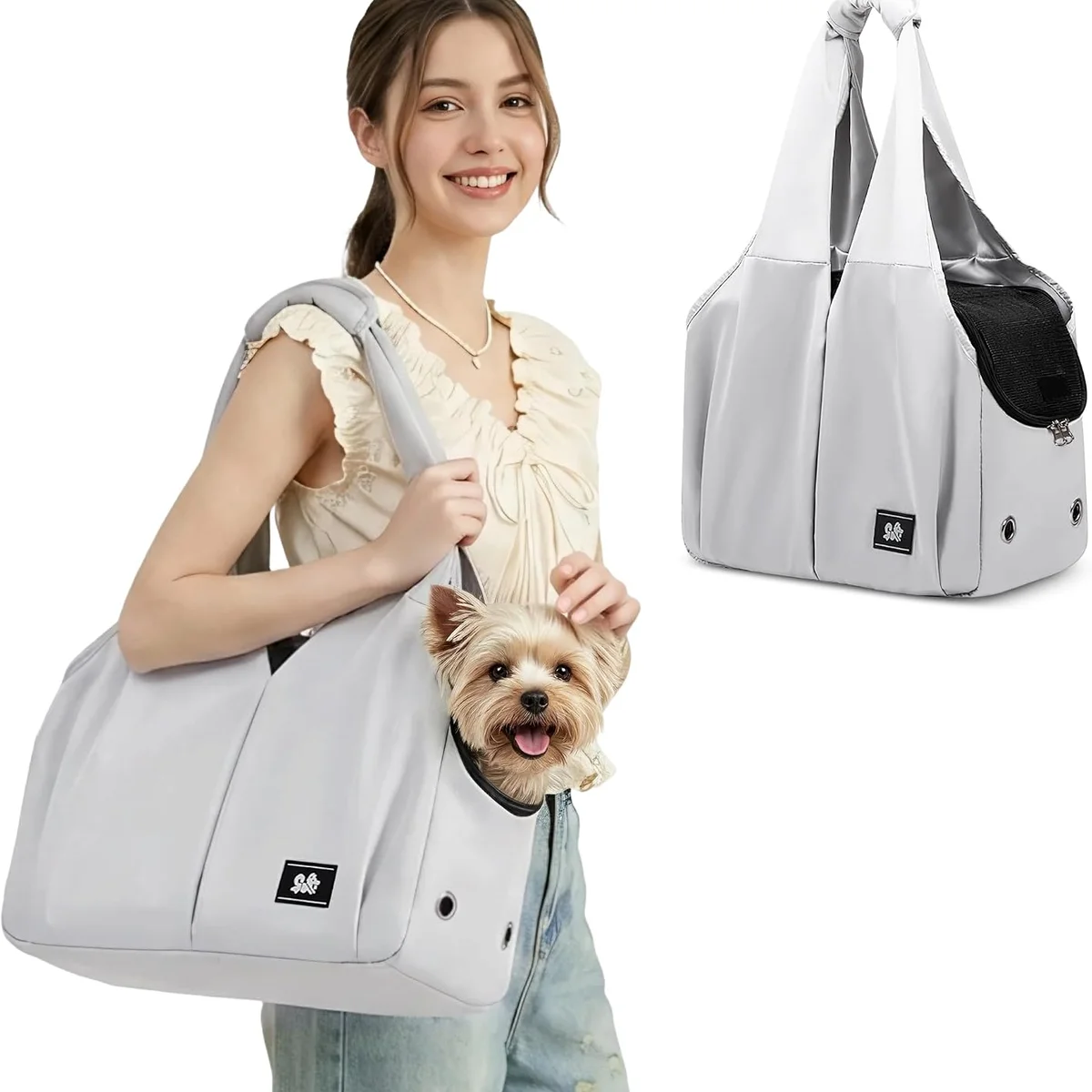
ALLSOPETS Dog Carrier Sling for Small Dogs and Cats
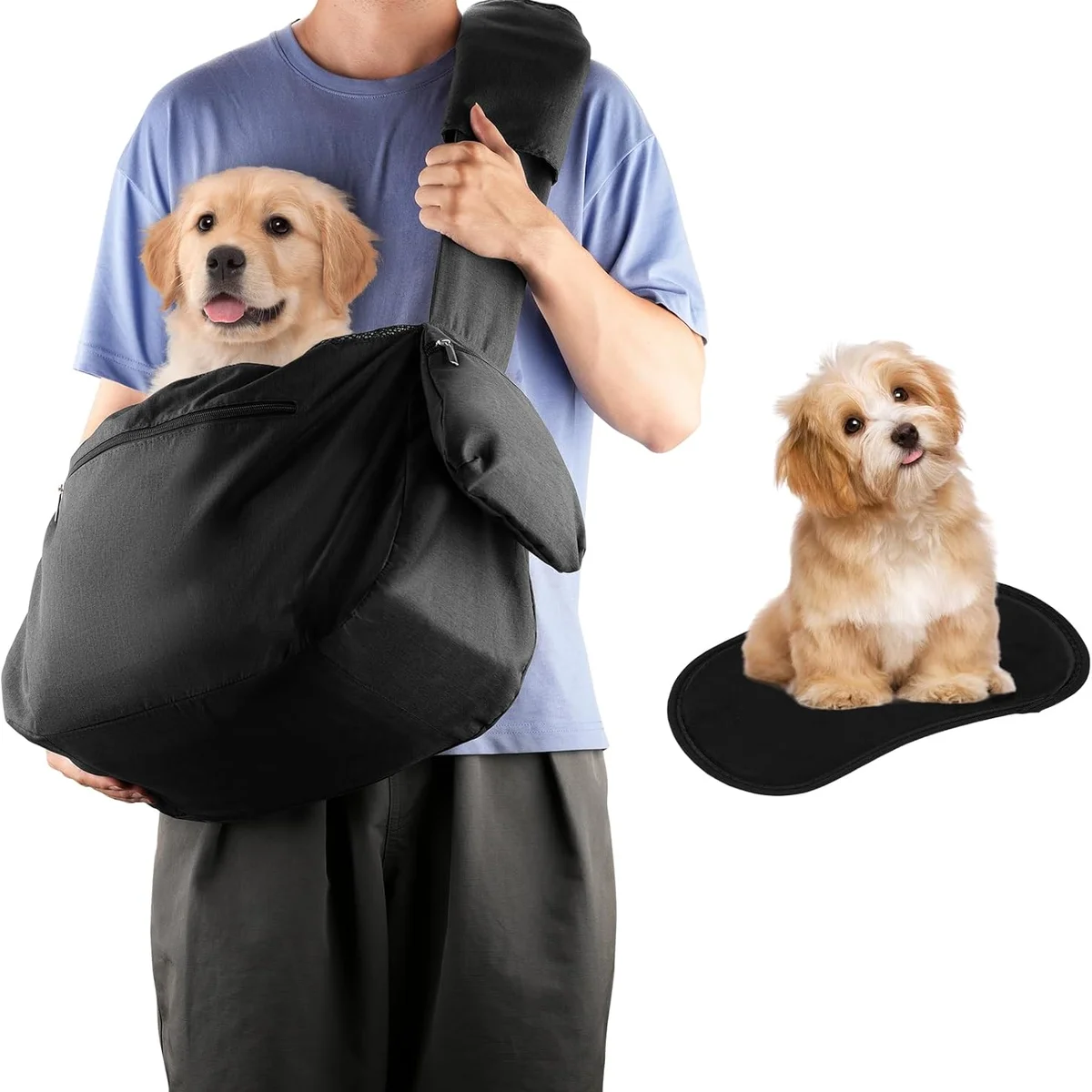
ISFORU Dog Sling Carrier, Pet Sling Bag for Medium Dogs
More About Dog Slings
Choosing the Right Dog Sling Strap
Since all the weight runs through a single strap rather than being distributed the way a backpack does, the strap itself matters more here than on almost any other carrier format. A wide, padded strap in a breathable fabric spreads pressure across your shoulder properly, while a narrow one will start to dig in fairly quickly, especially on a longer trip. Several slings in this range also include a safety tether or clip that attaches to your dog's collar, which is worth checking for regardless of your dog's temperament.
Is a Dog Sling Carrier Right for Your Dog?
Slings work best for smaller, lighter dogs, and particularly well for puppies who are still getting used to the world. If your household includes a very young puppy specifically, our puppy slings range uses a slightly different support shape suited to how young puppies prefer to be held compared with an adult small dog. Where a dog sling carrier isn't the right fit is long walks, or a dog who wriggles a lot or tries to climb out, since the weight sits on one side of your body rather than being distributed the way a backpack does. If either of those describes your situation, our small dog carriers range covers more enclosed, structured alternatives at the same size.
Why Choose a Dog Sling
The appeal of a sling is almost entirely about closeness rather than capacity or features. A dog held snugly against you, with your own body heat and movement close by, often settles faster than one placed inside a rigid box a little further from you, which is exactly why slings tend to be the first choice for nervous dogs and young puppies on short trips.
That closeness comes with trade-offs worth being upfront about. A sling puts the full weight on one shoulder rather than spreading it, so it suits shorter outings more than long walks, and it gives a dog less room to shift position than an open carrier does, which matters for a dog who doesn't like to stay still.
Sizing and Buying Guide
Slings are generally rated for lighter dogs than a backpack or standard carrier, so check the specific weight limit on each listing carefully, since this varies more between sling products than it does with other formats. Beyond weight, check the strap's adjustable length range against your own height, since a sling worn at the wrong height can feel awkward regardless of how well it fits your dog. If your dog tends to wriggle when held, look for a design with a secure closure and an internal safety tether rather than relying on the strap alone to keep them settled.